Does Chicken Have Gluten? The Ultimate Guide to Safe Eating
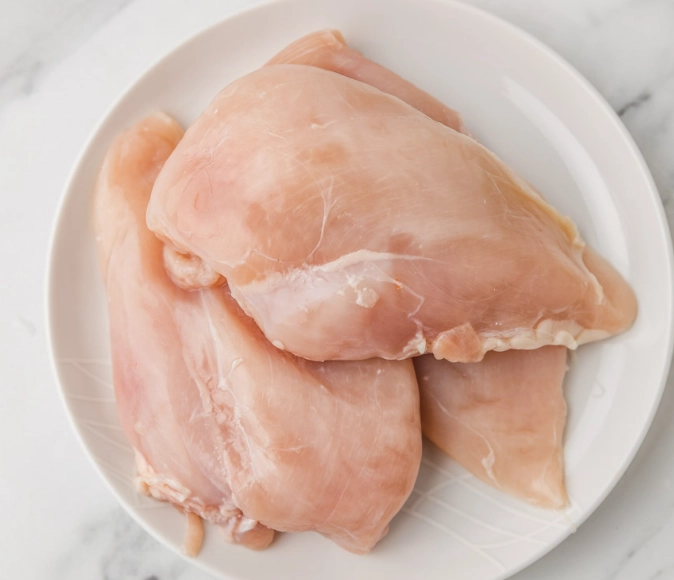
Let's cut to the chase. If you're holding a plain, raw chicken breast in your hand, the answer is a resounding no. Chicken, in its natural state, does not contain gluten. Gluten is a protein found in wheat, barley, rye, and triticale. Chicken is an animal protein. They're from completely different kingdoms.
So why is this even a question people search for thousands of times a month?
Because the moment we start cooking, marinating, breading, or saucing that chicken, everything changes. The question isn't about the chicken itself. It's about everything we do to the chicken. For someone with celiac disease or non-celiac gluten sensitivity, this distinction isn't academic—it's the difference between a safe meal and getting sick.
I've been navigating gluten-free cooking for over a decade, both professionally and personally. The biggest mistake I see? People assume "chicken" on a menu or a package is automatically safe. That assumption can lead to trouble. Let's break down where the real risks lie.
What You'll Find Inside
The Simple Truth About Chicken and Gluten
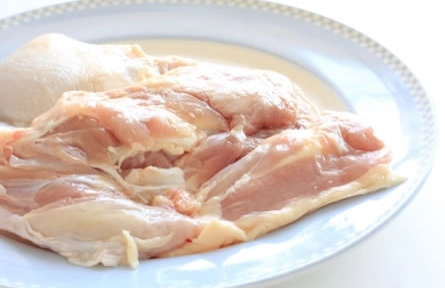
Think of a whole chicken from the farm. Muscle, skin, bone. No wheat fields involved. Organizations like the Celiac Disease Foundation and Beyond Celiac consistently list plain meats, poultry, and fish as naturally gluten-free foods. This is foundational knowledge.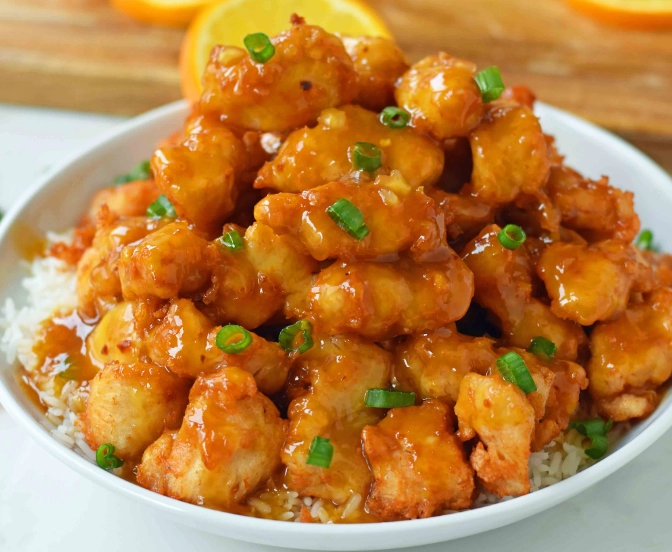
The confusion starts at the grocery store or butcher counter. You're not just buying "chicken" anymore. You're buying a product that may have been processed, enhanced, or pre-prepared.
Key Takeaway: Fresh, unprocessed chicken cuts (breast, thighs, wings, whole bird) with no added ingredients or solutions are 100% gluten-free. Always check the label for any mention of "broth," "solution," "seasoning," or "natural flavors."
The Real Problem: Where Gluten Hides in Chicken Dishes
This is where most guides stop being useful. They say "chicken is gluten-free" and move on. But if you're managing a medical condition, you need the gritty details. Gluten contamination happens in four main zones.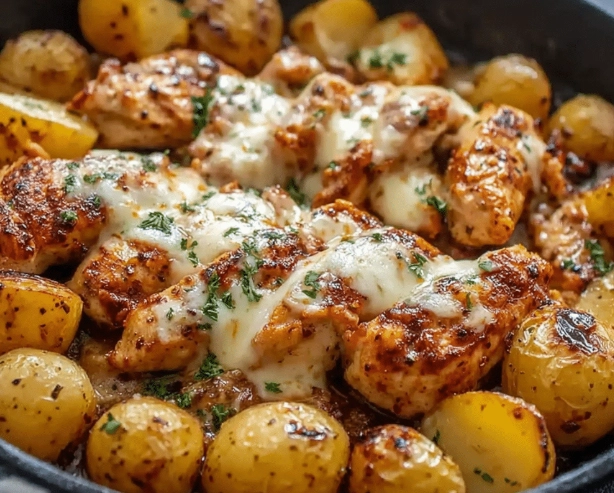
1. Marinades, Sauces, and Seasonings
This is the most common trap. That "herb and garlic" marinade? It might use soy sauce as a base (soy sauce often contains wheat). That "lemon pepper" seasoning blend? It could have an anti-caking agent derived from wheat. Teriyaki sauce is almost always a no-go due to soy sauce and mirin. Even some barbecue sauces and buffalo sauces use wheat flour as a thickener.
I once bought a "rotisserie-style" seasoning packet that seemed fine—just herbs and spices. Buried in the ingredients: "maltodextrin (from wheat)." It's not always obvious.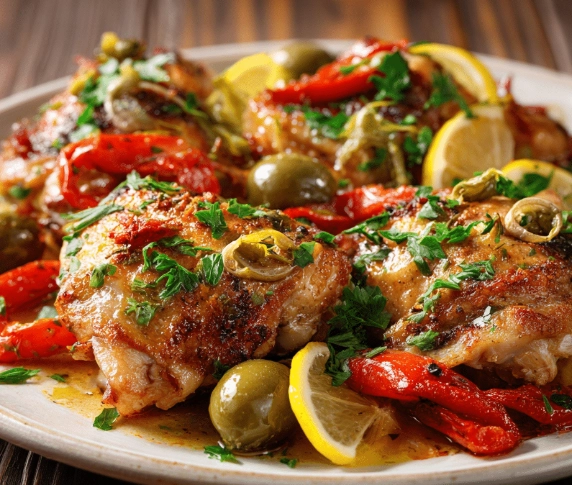
2. Breading, Batter, and Flour Coating
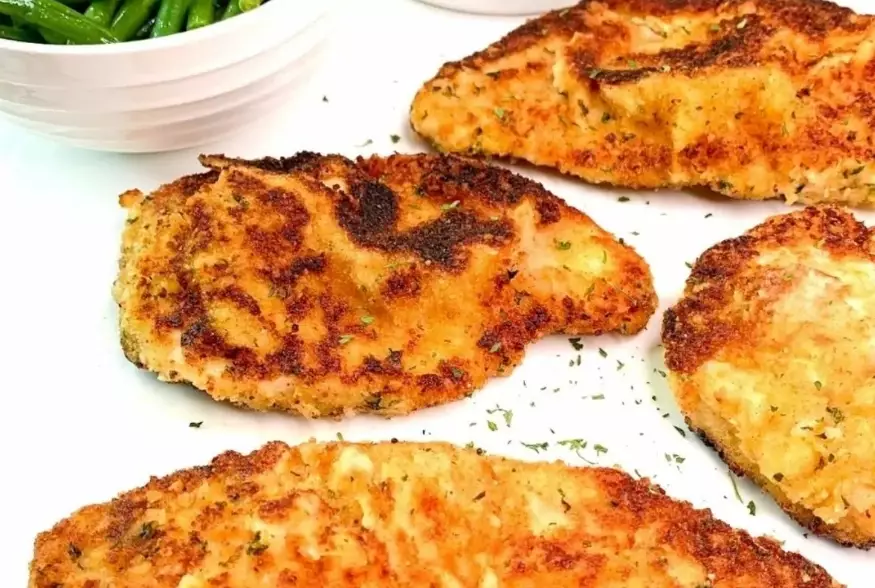
This one is more obvious but worth stating clearly. Fried chicken, chicken nuggets, chicken katsu, chicken parmesan (the breaded kind), and any flour-dusted cutlet contain gluten unless specifically made with gluten-free alternatives like rice flour or cornmeal.
A less obvious version: some restaurants lightly dust chicken with flour before pan-searing to get a better crust. You have to ask.
3. Pre-Cooked and Processed Chicken Products
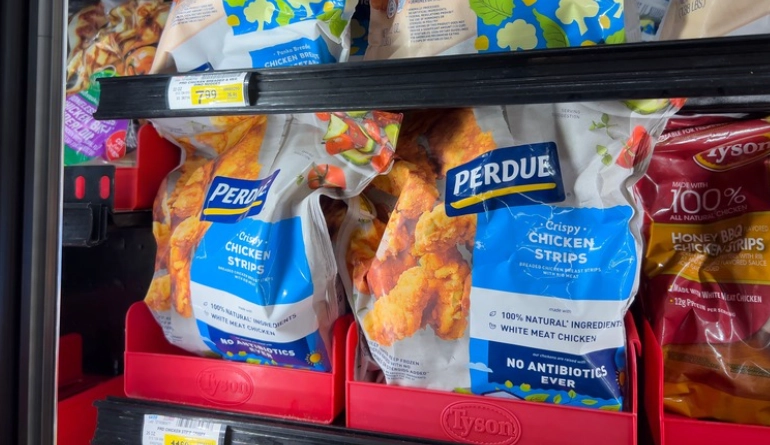
The frozen food aisle is a minefield. Frozen grilled chicken strips? Check for "modified food starch" (source not always specified) or wheat-based flavorings. Canned chicken? Usually safe, but verify the liquid isn't a broth with additives. Deli-style rotisserie chicken from the supermarket hot case? Often basted or injected with a solution that can contain hydrolyzed wheat protein or gluten-containing flavorings for "juiciness."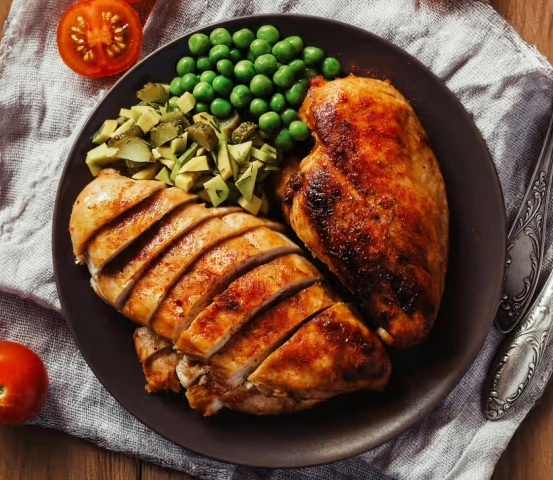
4. Cross-Contact in the Kitchen
This is the silent threat, especially in restaurants and shared home kitchens. That gluten-free grilled chicken is unsafe if it's cooked on the same grill where a flour-coated cutlet was just seared. It's doomed if it's fried in the same oil as onion rings or mozzarella sticks. A crumb from a cutting board, a shared colander used for pasta, a toaster oven—all potential sources.
Expert Warning: The shared fryer is public enemy number one for gluten-free diners. Many restaurants use a single fryer for everything. Unless they have a dedicated fryer for gluten-free items, assume any fried chicken (even if described as "gluten-free" on the menu) is contaminated.
How to Cook Gluten-Free Chicken: A Step-by-Step Safety Plan
The safest route is to cook at home, where you control every variable. Here’s a foolproof method I use weekly.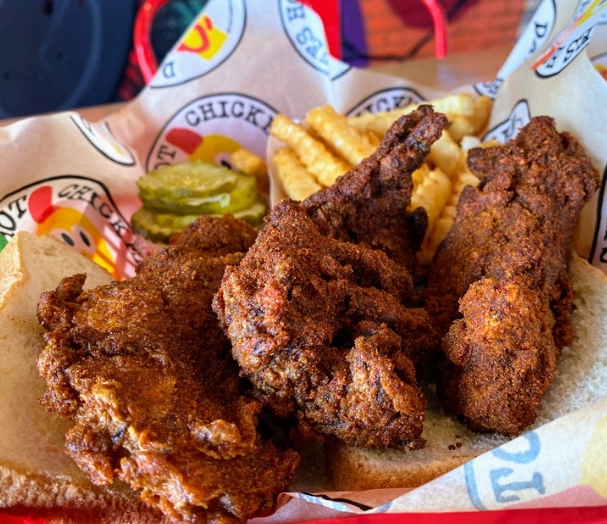
Step 1: Source Your Chicken. Buy plain, fresh chicken. Look for labels that say "100% chicken" or list only "chicken" as the ingredient. Avoid anything with "up to X% of a solution" unless the solution ingredients are explicitly gluten-free.
Step 2: Choose Your Flavorings. Stick to whole, single-ingredient seasonings: kosher salt, black pepper, fresh garlic, fresh herbs (rosemary, thyme, oregano), citrus zest, pure spices (paprika, cumin, chili powder—check for no added anti-caking agents), and high-quality oils (olive, avocado). For a marinade, use oil, acid (lemon juice, vinegar), and your chosen herbs/spices.
Step 3: Prepare Safely. Use clean utensils, cutting boards, and pans. If your kitchen isn't entirely gluten-free, wash everything thoroughly before you start. Don't use a colander that's been used for pasta.
Step 4: Cook with Confidence. Roasting, grilling, baking, sautéing, and poaching are all great methods that don't require gluten-containing ingredients. Cook to a safe internal temperature of 165°F (74°C).
Simple Recipe Idea: Toss chicken thighs with olive oil, salt, smoked paprika, and minced garlic. Roast at 400°F (200°C) for 35-40 minutes. Finish with a squeeze of fresh lime. Zero gluten, maximum flavor.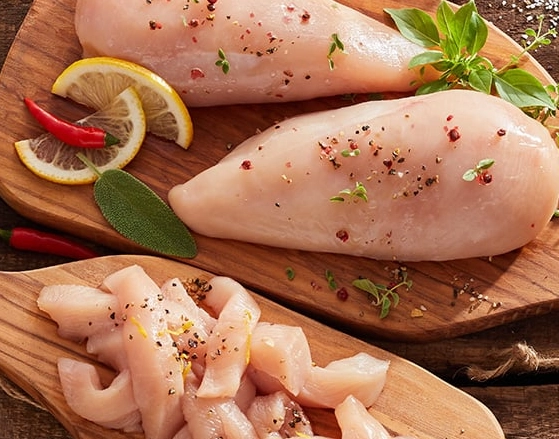
Your Top Questions on Chicken and Gluten, Answered
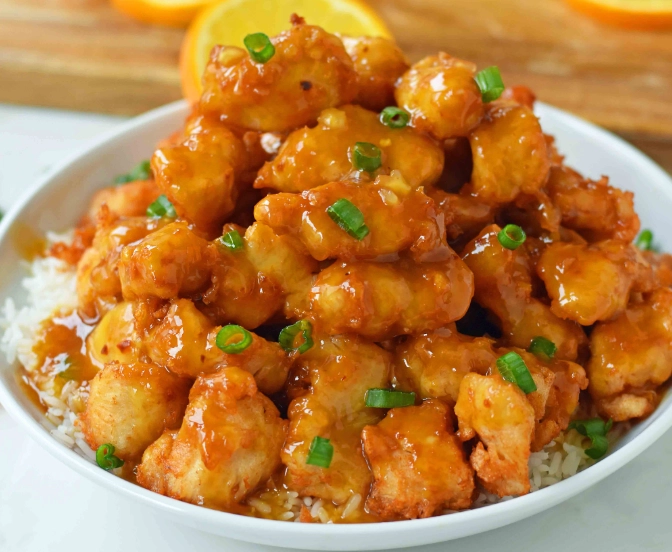
The bottom line is this: chicken itself is not the problem. It's our human intervention—the flavorings, the preparations, the shortcuts—that introduces risk. By understanding where gluten hides and taking control of your kitchen or learning how to communicate effectively at restaurants, you can enjoy chicken safely and without fear. It's about shifting your focus from the ingredient to the process.
Related Articles