Purdue Chicken Explained: Products, Quality, and Where to Buy
Quick Navigation
Let's talk about chicken. You see the name "Purdue" all the time in the meat aisle. Bright red logo, familiar packaging, usually a pretty good price. But what's the deal with it? Is it just another factory farm bird, or is there more to the story? I've bought it, cooked it, and honestly, I've had some hits and misses. This isn't a corporate press release. It's a deep dive from a home cook's perspective, trying to answer all the questions you might have before you toss that Purdue chicken package into your cart.
Purdue is a giant. I mean, one of the biggest poultry producers in the U.S. That comes with pros and cons, which we'll get into. Their history goes way back to the 1920s, which is interesting, but you probably care more about what's in the tray today.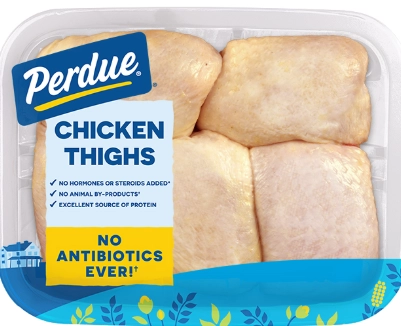
So, What Exactly Is Purdue Chicken?
When you pick up a package of Purdue chicken, you're getting chicken from a network of farms that work under the Purdue umbrella. They're not a cooperative of small farmers; it's a vertically integrated model. That's a fancy way of saying the company oversees or owns much of the supply chain.
This isn't niche, artisanal chicken.
It's mainstream, grocery-store chicken designed to feed a lot of people reliably and affordably. The brand's promise hinges on things like "no hormones ever" (which, by the way, is a legal requirement for all poultry in the U.S., so it's not a unique selling point) and sometimes "minimally processed." Their newer lines try to address modern concerns, like offering air-chilled options or simpler ingredient lists.
I remember grabbing a pack of their classic boneless, skinless breasts on a busy Tuesday. They were uniform, trimmed clean, and cooked up fine for a weeknight stir-fry. But were they the most flavorful chicken I've ever had? Not really. They were a vehicle for my sauce. And that's okay—sometimes that's exactly what you need.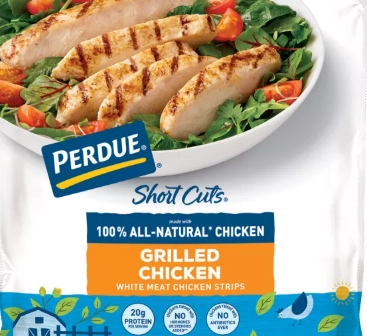
The Purdue Product Lineup: From Basic to Premium
This is where it gets practical. Purdue isn't just one thing. They have tiers, and knowing the difference can save you money or get you a better product. Here’s a breakdown of what you’ll typically find.
The Core Purdue Chicken Products
These are your staples. You'll find these in almost every supermarket that carries the brand.
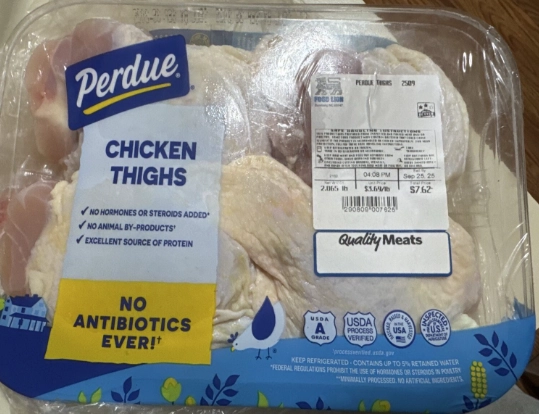
- Fresh Chicken Parts: Breasts, thighs, wings, drumsticks, whole chickens. This is their bread and butter. The packaging is usually simple, and the price is competitive with other national brands like Tyson or Sanderson Farms.
- Ground Chicken: A lean option for burgers, meatballs, or tacos. I find their ground chicken to be a bit drier than ground turkey sometimes, so I often add a splash of broth or an extra egg when using it.
- Fully Cooked & Ready-to-Cook: This includes things like rotisserie-seasoned whole birds (raw) and pre-marinated breasts or thighs. The convenience is huge. I tried their Italian herb marinated breasts, and the flavor was decent, though a bit salty for my taste.
The "Premium" and Specialty Lines
Purdue has expanded to try and capture shoppers looking for something a step up. These lines are where you see responses to food trends.
| Product Line | What It Is | My Take / Who It's For |
|---|---|---|
| Purdue Simply Smart | Skinless, boneless portions with simple seasonings. Often labeled "all natural*" (with the asterisk leading to a USDA definition). | Good for quick, no-fuss meals. The "lightly seasoned" options are a family-friendly shortcut. The "*" always makes me pause, though. |
| Purdue Harvestland | Their line that often features organic, free-range, or no-antibiotics-ever claims. This is their play for the natural/organic market. | This is where you pay more. The quality is noticeably better in terms of texture and flavor in my experience. If you care about organic feed, this is Purdue's answer. |
| Air Chilled Purdue Chicken | Chilled with cold air instead of being submerged in a water bath. This can lead to less water absorption and potentially better texture and flavor. | I'm a fan of this method. The chicken does seem to sear better and releases less water in the pan. Worth the slight upcharge for a special meal. |
So, is all Purdue chicken created equal? Absolutely not. A basic Purdue tray pack and a Purdue Harvestland organic chicken are worlds apart in price, farming practices, and, in my opinion, final taste.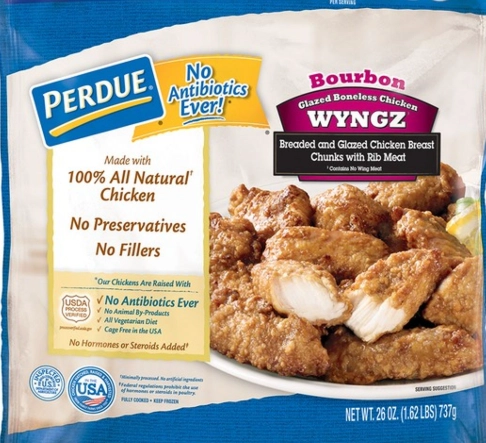
How Does Purdue Chicken Stack Up Against the Competition?
You're standing in the aisle. On one side is Purdue. On the other, Tyson, Sanderson Farms, store brands, maybe a local farm brand. What gives?
Let's compare on some key points shoppers care about.
Availability: This is a huge win for Purdue. You can find it in a massive number of grocery stores across the country, from large chains to smaller regional markets. That reliable presence is a major factor for many people.
Quality & Consistency: This is where large-scale production helps. A package of Purdue boneless breasts in Florida will look and cook very similarly to one in Ohio. The texture is generally reliable—firm, not mushy. Flavor, however, is subjective. Compared to a truly pasture-raised chicken from a small farm, Purdue (and its major competitors) will taste blander. That's just the reality of their feed and living conditions.
But for Tuesday night tacos? The difference might not matter to you.
Ethical & Farming Practices: This is the stickiest point. As a major industrial producer, Purdue has faced criticism over the years regarding animal welfare and environmental impact, much like its peers. They have made public commitments and created programs like their "Fresh Step" housing initiative. If this is a primary concern for you, you'll need to research their current practices on their official site (purduefarms.com) and decide if it meets your standards. For a government perspective on poultry production standards, the USDA's Agricultural Marketing Service provides baseline regulations.
Personally, when I want to feel better about my purchase, I spring for their Harvestland line or a local option. But my budget doesn't always allow that.
Where Can You Actually Buy Purdue Chicken?
This is the easy part. Finding Purdue chicken is rarely a challenge.
- Major National Grocers: Walmart, Kroger (and its affiliates like Fred Meyer, Ralphs), Albertsons/Safeway, Ahold Delhaize (Food Lion, Stop & Shop, Giant), and Publix all routinely carry Purdue products.
- Club Stores: You can often find larger, value-sized packages of Purdue chicken at places like Costco or Sam's Club.
- Online Grocery: Instacart, Walmart Grocery, Kroger Ship, etc., all list Purdue chicken when you search. The selection might mirror your local store's inventory.
A pro tip: Use the store's own app or website to check availability and even compare prices before you go. I've seen the price for the same Purdue chicken pack differ by a dollar or two between two stores in the same town.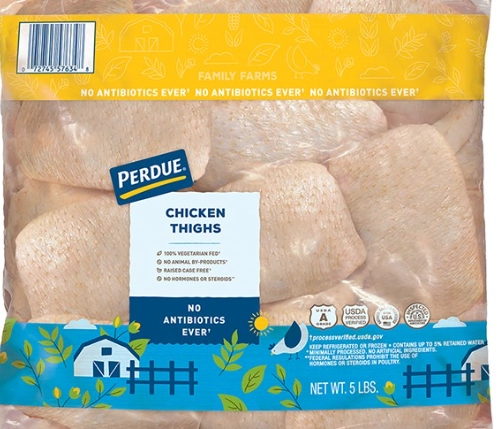
Answering Your Purdue Chicken Questions (The Real Ones)
- Pat it DRY: Seriously, use paper towels and get the surface as dry as possible before seasoning.
- Don't Crowd the Pan: Give it space to sear, not steam.
- Use a Thermometer: Cook to 165°F (74°C) at the thickest part. Overcooking makes any chicken, including Purdue, dry and rubbery.
The Final Verdict: Is Purdue Chicken a Good Buy?
It depends entirely on what you prioritize.
Choose standard Purdue chicken if: Your main goals are affordability, widespread availability, and consistent results for everyday family meals. It's a workhorse protein that will do the job without breaking the bank. Just manage your expectations on gourmet flavor.
It's the chicken equivalent of a reliable sedan.
Consider upgrading to a Purdue specialty line (Harvestland, Air Chilled) if: You're willing to pay more for perceived better practices (organic, no antibiotics) or a noticeable step up in cooking performance and texture. This is for when you want that chicken to be more of the star of the plate.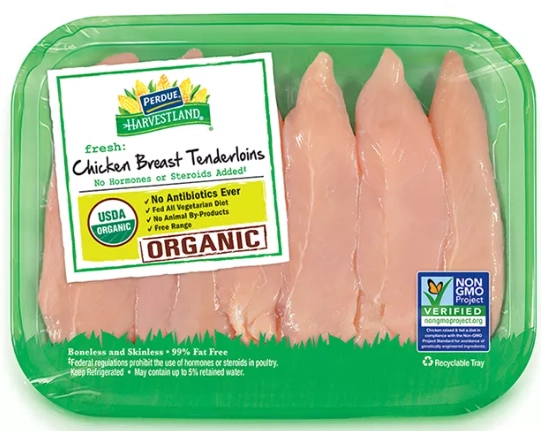
Look beyond Purdue if: Animal welfare practices are your non-negotiable top priority, or you have access and budget for locally sourced, pasture-raised birds from a farmer you can talk to. The flavor difference there is real.
At the end of the day, Purdue chicken is a fixture of the American grocery landscape. It fills a need. I buy it, sometimes gladly, sometimes just because it's the most convenient option. Knowing the differences within their own brand—that a red label isn't the same as a green Harvestland label—is the key to getting what you actually want from that Purdue chicken purchase. Don't just grab the first pack you see. A quick look at the label can tell you if you're getting the basic bird or something trying to be a bit better.
Related Articles