White Meat vs Dark Meat Chicken: Nutrition, Flavor, and Cooking Guide
You stand in the grocery store aisle, staring at the chicken selection. Breast or thighs? The choice seems simple, but it's the key to a juicy, flavorful meal or a dry, disappointing one. The white vs dark meat debate isn't just about preference; it's about understanding two very different types of meat that come from the same bird. This guide breaks down the science, nutrition, and cooking secrets to help you choose the right cut every time.
What's Inside?
What's the Real Difference Between White and Dark Meat?
It all comes down to muscle fiber type. Chickens use their legs and thighs for standing and walking, which requires slow-twitch, fat-burning muscles. These muscles have more myoglobin (an oxygen-storing protein), giving the meat a darker color and a richer, fattier flavor. Breast meat, on the other hand, is used for short bursts of flight. These fast-twitch muscles rely on glycogen, not fat, for energy, resulting in a lighter color and leaner profile. This fundamental biological difference impacts everything from nutrition to how you should cook it.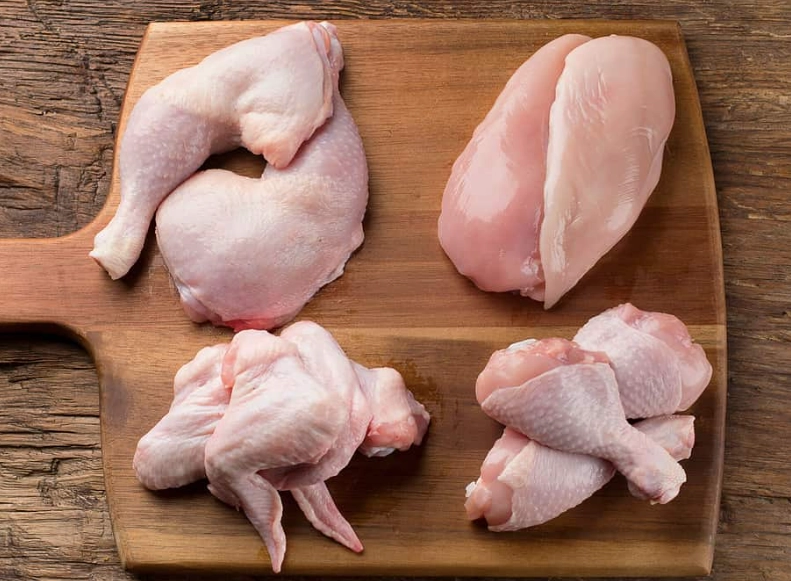
Nutrition Face-Off: White Meat vs Dark Meat
Let's get the numbers straight. For a 3-ounce cooked skinless portion:
| Nutrient | Chicken Breast (White) | Chicken Thigh (Dark) |
|---|---|---|
| Calories | ~165 | ~209 |
| Total Fat | 3.6g | 10.9g |
| Saturated Fat | 1.0g | 3.0g |
| Protein | 31g | 26g |
| Iron | 4% DV | 10% DV |
| Zinc | 6% DV | 14% DV |
Data sourced from the USDA FoodData Central database.
The story here is clear. White meat is the lean protein champion, with fewer calories and significantly less fat. It's the go-to for bodybuilders and anyone on a strict calorie-counting diet. But dark meat isn't just "the fatty option." Look at those minerals. Dark meat provides over twice the iron and zinc. Iron is crucial for oxygen transport in your blood, and zinc supports your immune system. Dark meat is also richer in B vitamins like B12 and riboflavin.
So, which is healthier? If your primary goal is weight loss or managing cholesterol, white meat wins. But if you're looking for a nutrient-dense food that supports energy and immunity, dark meat brings valuable assets to the table that white meat lacks.
The Flavor and Texture Showdown
Close your eyes and imagine biting into a perfectly cooked piece of chicken. What does it taste like? What does it feel like?
White Meat (Breast): The flavor is mild, subtle, almost blank. That's not a bad thing—it's a canvas. It absorbs marinades, spices, and sauces beautifully. The texture, when cooked right, is firm and can be sliced cleanly. The problem? There's a razor-thin margin for error. A few minutes too long on the heat, and that firmness turns into a dry, stringy, jaw-tiring chew. I've thrown away more overcooked chicken breasts than I care to admit. It's unforgiving.
Dark Meat (Thighs & Legs): This is where the flavor lives. It's richer, more savory, what chefs call "more chicken-y." That comes from the fat and myoglobin. The texture is inherently more tender and moist. The connective tissue and fat melt during cooking, basting the meat from the inside. You can braise it for hours, and it becomes more tender. You can roast it a bit too long, and it's still juicy. It's forgiving. This is why dark meat is the star in global comfort foods—from French coq au vin to Thai green curry.
Chef's Insider Tip: The biggest mistake home cooks make is treating white and dark meat the same. They throw chicken pieces into a pan and cook them for the same amount of time. The breast is always overdone by the time the thigh is safe to eat. Always cook them separately, or start the dark meat 10-15 minutes before adding the white meat to the same dish.
How to Cook Each Type Perfectly
Think of them as different instruments. You wouldn't play a violin and a drum the same way.
Mastering White Meat (The Lean Soloist)
The goal is juiciness through technique, since the meat lacks internal fat.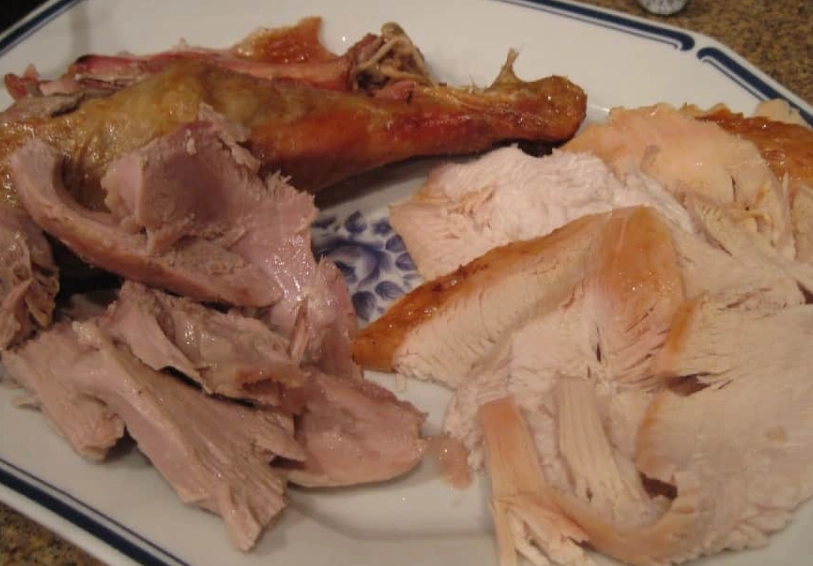
- Brine it, always. A simple 30-minute soak in saltwater (1/4 cup kosher salt per quart of water) changes everything. It helps the muscle fibers retain moisture during cooking.
- Temperature is God. Invest in a good instant-read thermometer. Pull the breast off the heat at 160°F (71°C). Let it rest for 5-10 minutes. The residual heat will bring it to a safe 165°F (74°C) while the juices settle back in.
- Best Methods: Pan-searing (finish in a hot oven), grilling over direct/indirect heat, and sous-vide (which is foolproof). Avoid long, dry-heat cooking like roasting a whole breast without a protective layer.
- Slice Against the Grain. This is non-negotiable. After resting, look for the lines running along the breast—that's the grain. Slicing perpendicular to those lines shortens the muscle fibers, making each bite dramatically more tender.
Mastering Dark Meat (The Flavorful Workhorse)
The goal is rendering fat and breaking down connective tissue for fall-off-the-bone tenderness.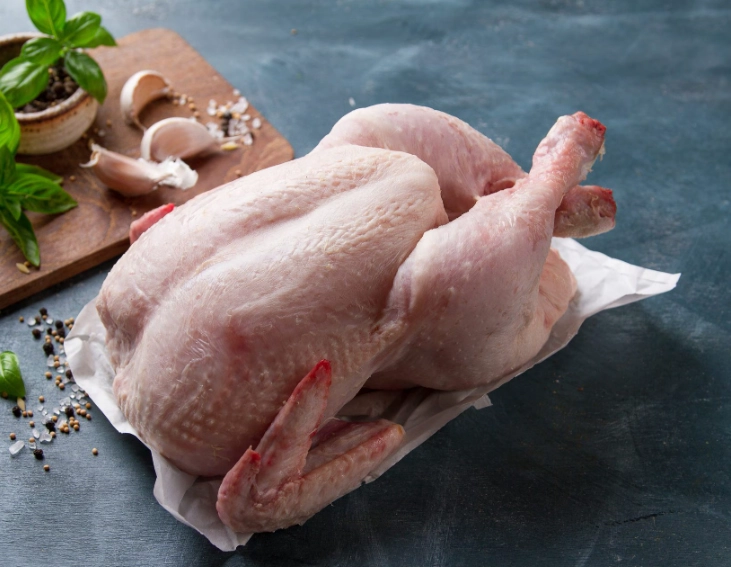
- Embrace the Fat. Don't be afraid of a higher heat start to crisp the skin and render the fat. That fat is flavor gold—use it to cook your vegetables.
- Low and Slow is Your Friend. Dark meat shines in braises, stews, and slow-roasts. The collagen melts into gelatin, creating an unbelievably silky sauce and tender meat. A classic chicken cacciatore made with thighs is a world apart from one made with breast.
- Best Methods: Braising, roasting (at 375-400°F), grilling (hard to dry out), and frying. The higher fat content protects it from drying out.
- Bone-in, Skin-on for Maximum Flavor. Cook with the bone and skin on whenever the recipe allows. You can always remove the skin after cooking if you're watching calories, but the flavor and moisture it provides during cooking are irreplaceable.
Making the Healthy Choice: It's Not Just Calories
For years, the message was simple: eat white meat, avoid dark meat. The nutrition landscape is more sophisticated now.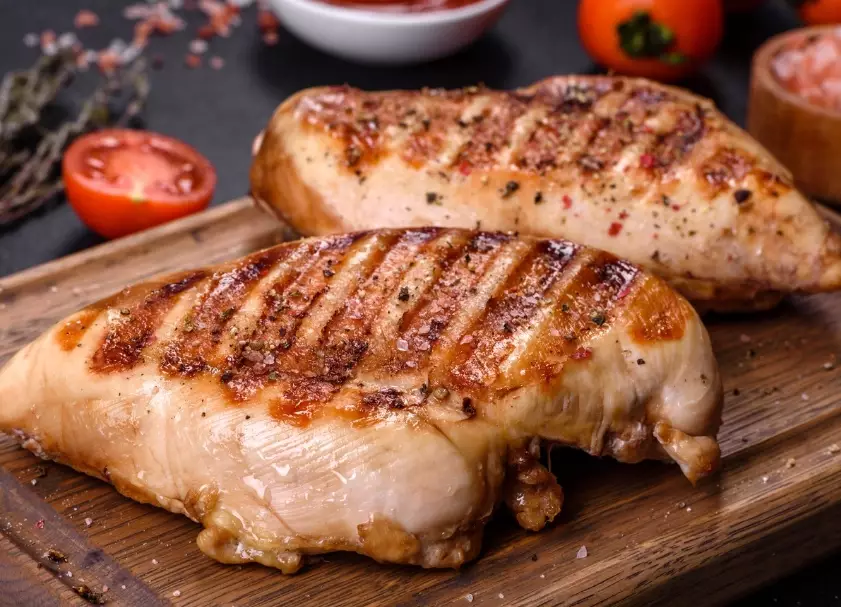
Consider this: much of the fat in dark meat is monounsaturated fat—the same heart-healthy fat found in olive oil. A study published in the American Journal of Clinical Nutrition found that in the context of a healthy diet, lean white meat and lean dark meat had similar effects on blood cholesterol levels. The saturated fat difference, while real, might be less of a deal-breaker for heart health than we once thought, especially when compared to red meat.
So, who should choose what?
Choose White Meat If: You're on a strict calorie-deficit diet, managing high cholesterol with a focus on minimizing saturated fat, or you simply prefer its milder flavor and firmer texture for dishes like salads or sandwiches.
Choose Dark Meat If: You're active and need sustained energy and nutrient density, you're cooking for kids who benefit from the extra iron and zinc, you're on a budget (thighs are often cheaper), or you're cooking a dish where flavor and juiciness are paramount and you want a margin for error.
The best advice I can give? Don't be a purist. Keep both in your kitchen. Use lean, quick-cooking breast for weeknight stir-fries and salads. Use flavorful, forgiving thighs for weekend roasts, curries, and grilling. Understanding their strengths lets you cook with confidence, not dogma. Personally, I always buy more thighs—they've saved dinner more times than I can count.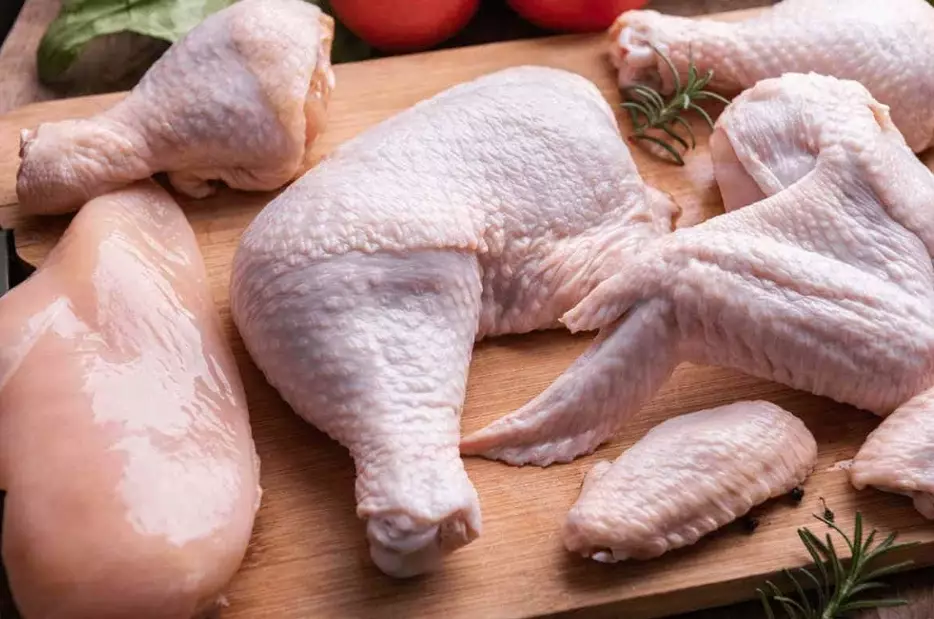
Your Chicken Questions, Answered
Related Articles