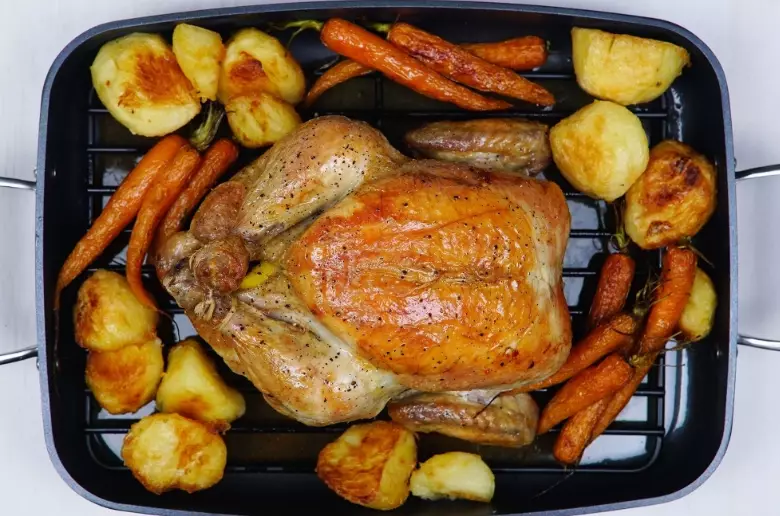
Chicken Leg Quarters: Your Ultimate Guide to Buying, Cooking & Enjoying This Budget Cut
Quick Navigation
Let's talk about chicken leg quarters. You've seen them piled high in the meat case, usually the cheapest option per pound. Maybe you've walked right by, unsure what to do with them. Or maybe you bought a big family pack on a whim, cooked them one way, and found them... okay. A bit boring, maybe. I get it. I used to be the same.
But here's the thing. Chicken leg quarters are a culinary goldmine waiting to be unlocked. They're not just "cheap chicken." They're arguably the most flavorful, forgiving, and versatile part of the bird. That dark meat? It's packed with more fat and connective tissue than the breast, which is exactly why it stays juicy through almost any cooking method and absorbs flavors like a dream. Once you learn how to handle them, a pack of chicken leg quarters can be the foundation for a week's worth of fantastic, different meals without breaking the bank.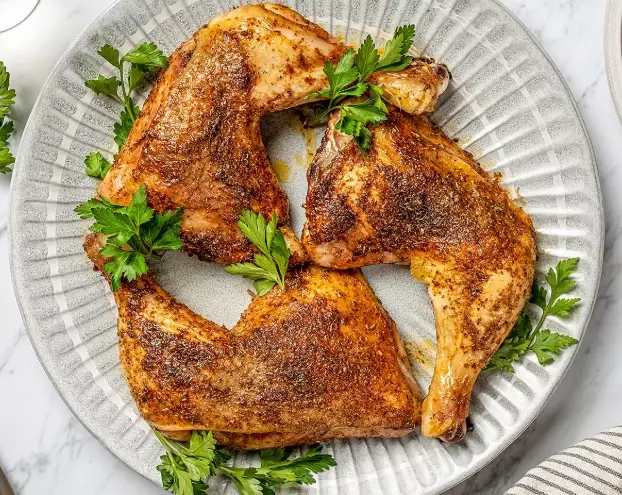
Seriously, forget everything you thought you knew about this cut.
What Exactly Is a Chicken Leg Quarter? (It's Not Just a Drumstick)
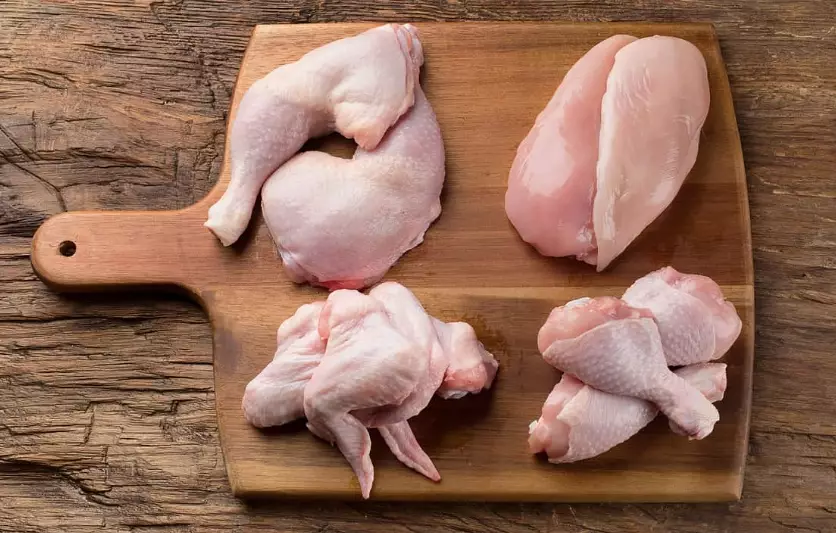
This is where a lot of confusion starts. A chicken leg quarter is a specific butchering cut. It's not just a drumstick. It's not just a thigh. It's both, still attached together, and it usually includes a portion of the chicken's back. That's the key. You're getting the drumstick (the lower part), the thigh (the upper, meatier part), and that little oyster meat from the back—all in one piece. This combo is why it works so well. The thigh takes longer to cook than the drumstick, but because they're connected, the cooking process balances out, with the joint and shared bone helping to distribute heat and keep everything moist.
Why Chicken Leg Quarters Deserve a Spot in Your Kitchen
The Good Stuff: Incredible value for money (often half the price per pound of boneless skinless breasts). Extremely forgiving to cook—hard to dry out. Rich, deep chicken flavor. Versatile for global cuisines. Perfect for feeding a crowd. Great for meal prep.
The Not-So-Good: They have bones and skin, which some people dislike. Requires a bit more prep/butchering knowledge if you want separate pieces. The skin needs proper cooking to be palatable, not rubbery. Can be greasier than white meat.
I made the mistake early on of treating them like breast meat—quick, high heat. The skin burned, the meat near the bone was weirdly underdone. It was a mess. The learning curve isn't steep, but there is one.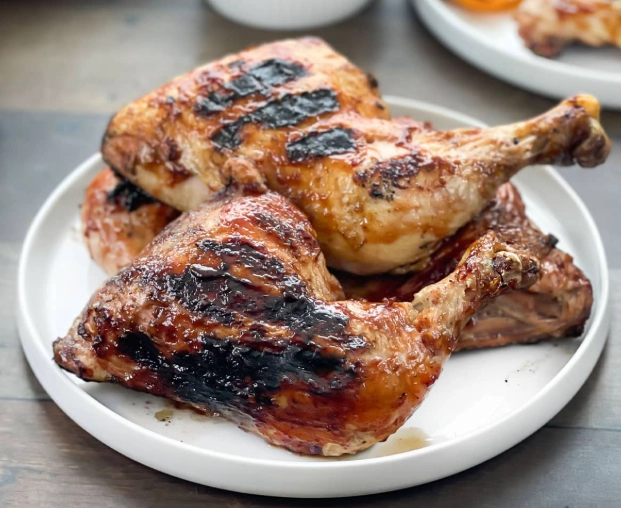
Your Step-by-Step Guide to Buying the Best Chicken Leg Quarters
Not all packages are created equal. Here’s what my eyes scan for in the supermarket cooler, after buying my fair share of disappointing packs.
Color and Appearance: Look for skin that's creamy white or slightly yellow, not grayish or splotchy. The meat underneath (peek through the plastic) should be pink, not pale or dark. Avoid any packages with lots of liquid pooled in the bottom—it often means the chicken has been frozen and thawed, or is just old.
Size Matters, But Not How You Think: You'll see huge variation. The massive ones are usually from older, larger birds (hens or roasters). They're great for slow cooking—more meat, but potentially tougher if cooked quickly. The smaller ones are from younger broilers. They're more tender overall and cook faster. I prefer a medium size for general use.
Packaging and Labels: This is a personal preference point. I often spring for air-chilled chicken if it's on sale. The process (using air instead of water to cool the birds) means less water weight, so you're paying for meat, not water, and the skin often gets crispier. Brands like Mary's or Smart Chicken use this method. It's pricier, but for a special roast, it's worth it. For stews or braises where the skin gets discarded anyway, the standard stuff is fine.
A quick story: I once bought a value pack where the quarters were gigantic and the skin was torn on every piece. I thought, "more meat, who cares?" I was making crispy oven-baked quarters, and the torn skin shriveled up terribly, leaving ugly, dry patches. Lesson learned—intact skin is crucial for certain methods.
Understanding the Labels: Organic, Free-Range, etc.
The world of chicken labels is confusing. The USDA defines these terms. "Organic" means the chickens were fed 100% organic feed and had outdoor access. "Free Range" means they had some outdoor access. "Natural" means... almost nothing—just that it's minimally processed. For flavor, many swear by organic or free-range birds, arguing the meat has better texture and taste. Honestly? In a heavily seasoned curry or barbecue sauce, the difference is minimal to me. Where I notice it is in a simple roasted chicken leg quarter with just salt, pepper, and herbs. Then, the quality of the bird itself sings.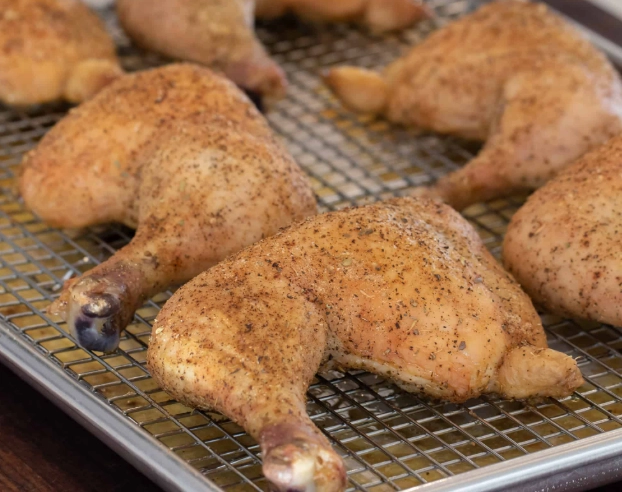
Prepping Chicken Leg Quarters: The Foundation of Flavor
This is the step most people skip, and it's the biggest mistake. Taking five minutes here makes a world of difference.
Pat Dry. Always. Take those quarters out of the package, plop them on a cutting board, and grab a wad of paper towels. Dry the skin and every nook and cranny thoroughly. Moisture is the enemy of crispy skin. This one act is non-negotiable.
To Separate or Not to Separate? You can cook them whole (my preference for roasting) or separate them into thighs and drumsticks. It's easy. Flip the quarter skin-side down. You'll see a line of fat where the thigh meets the drumstick. Take a sharp knife or kitchen shears and cut straight through that joint. Sometimes you'll hit cartilage; a little pressure on the shears pops it right through. Now you have two even-cooking pieces. Do this if you're grilling or need uniform pieces for a recipe.
Seasoning & Marinating: Because they're thicker, chicken leg quarters need seasoning to penetrate. Salt them at least 30 minutes before cooking, or even the night before (dry-brining). For marinades, the dark meat can handle bold flavors—yogurt-based tandoori marinades, sticky soy-honey-ginger glazes, herb-packed Italian dressings. I find 2-4 hours is plenty; overnight can sometimes make the texture a bit mushy if the marinade is very acidic.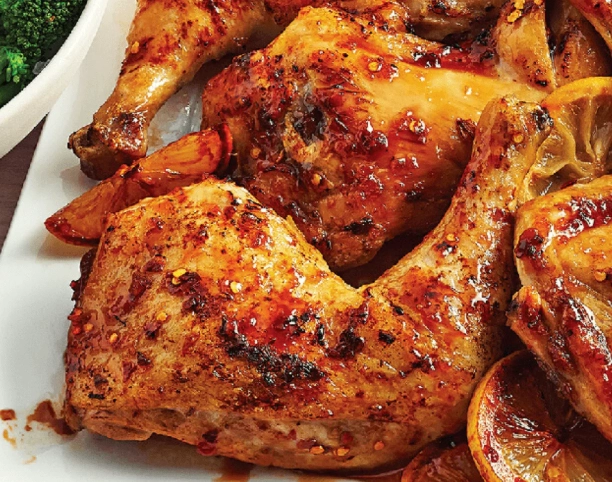
How to Cook Chicken Leg Quarters: A Method for Every Mood
This is the fun part. Their versatility is insane. Let's break down the most reliable methods.
1. The Oven Roast (The King of Easy & Crispy)
My absolute go-to for a hands-off, crowd-pleasing dinner. The goal: crackling-crisp skin and fall-apart tender meat.
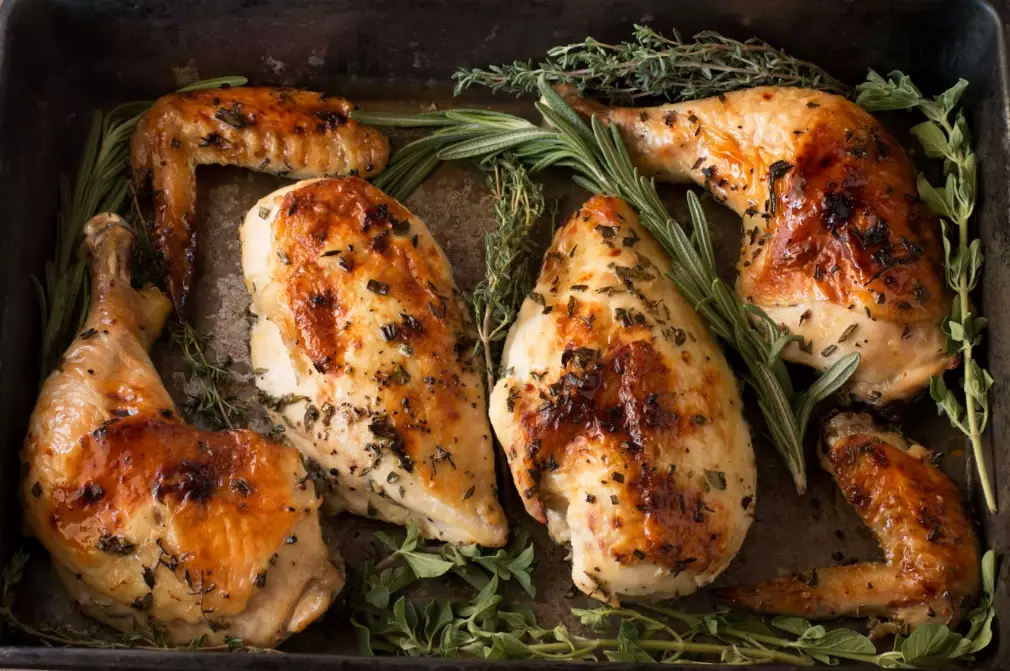
How I do it: Heat your oven to 425°F (220°C). Pat the quarters super dry. Rub with oil, salt (be generous), pepper, and maybe some smoked paprika or garlic powder. Place them on a wire rack set over a baking sheet. This is key—it lets hot air circulate all around for even crisping. Roast for 45-55 minutes, until the skin is deep golden brown and the internal temp at the thickest part of the thigh hits 175-180°F (79-82°C). Yes, that's higher than the "safe" 165°F. For dark meat with connective tissue, going a bit higher actually makes it more tender, as the collagen fully breaks down. Let rest 5-10 minutes.
The result? Juicy, flavorful meat and skin you can hear crackle when you bite. It's foolproof.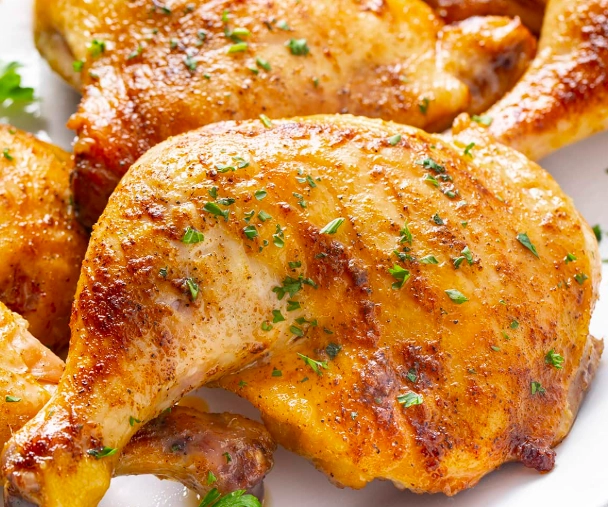
2. The Slow Cooker / Braise (For Melt-in-Your-Mouth Tenderness)
This method is where chicken leg quarters transform. Brown them skin-side down in a skillet first to render fat and get color. Then, into the slow cooker or a Dutch oven with liquid—broth, tomatoes, wine, coconut milk. Add aromatics. Cook on low for 6-8 hours or in the oven at 300°F (150°C) for 2-3 hours. The meat will literally slide off the bone. The skin won't be crisp, but it will have infused the cooking liquid with incredible flavor. Perfect for stews, curries, and Coq au Vin-style dishes.
3. Grilling (For That Smoky Char)
Grilling chicken leg quarters can be tricky because of the flare-ups from dripping fat. The trick: indirect heat. On a charcoal grill, pile coals on one side. On gas, light only one or two burners. Season the quarters, then place them skin-side up on the *cool* side of the grill, away from direct flames. Close the lid. Let them cook slowly for about 30-40 minutes, until almost done. Then, for the final crisping, move them directly over the heat for just a few minutes per side, watching closely for flare-ups. This gives you smoky, cooked-through meat without the charred exterior/raw interior dilemma.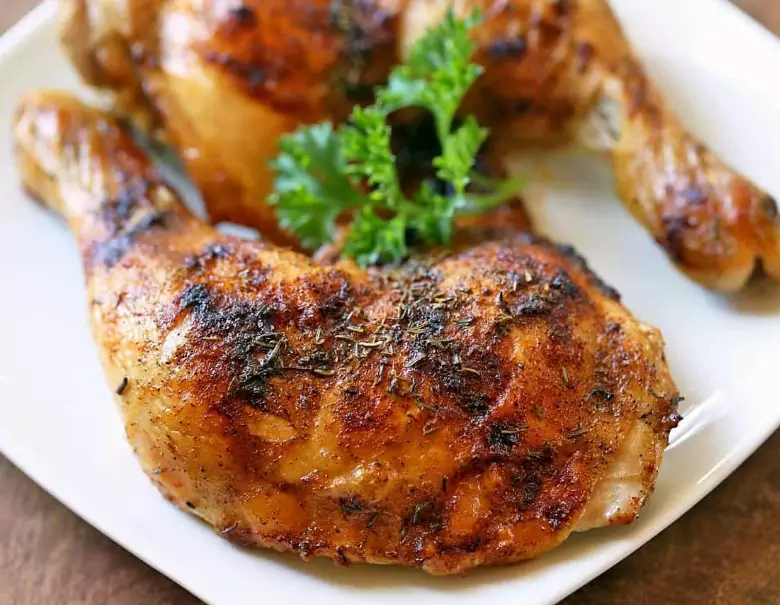
Pan-searing and finishing in the oven is another brilliant method, especially if you want a pan sauce. It's a restaurant technique that's easy at home.
| Cooking Method | Best For | Key to Success | Approx. Cook Time | Skin Result |
|---|---|---|---|---|
| Oven Roasting (High Heat) | Weeknight dinners, crispy skin lovers | Use a wire rack & pat dry thoroughly | 45-55 mins | Very Crispy |
| Slow Cooking / Braising | Rich stews, curries, meal prep | Sear skin first for flavor | 2-8 hours | Soft, Flavorful |
| Grilling (Indirect Heat) | Summer BBQs, smoky flavor | Two-zone fire, avoid flare-ups | 40-50 mins | Smoky & Crisp |
| Pan-Sear & Oven Finish | Gourmet feel, pan sauces | Get a good sear in an oven-safe pan | 30-40 mins total | Crispy & Golden |
What About Nutrition and Food Safety?
Let's be real. A chicken leg quarter with skin is not a low-calorie, low-fat food. But it's real food, packed with protein and nutrients. According to the USDA FoodData Central database, a typical cooked chicken leg quarter with skin (about 200g) provides roughly 350-400 calories, 25-30g of protein, and a significant amount of iron, zinc, and B vitamins. The dark meat has more iron than white meat. The skin adds a lot of the fat and calories. If you're watching that, simply remove the skin after cooking—you'll still get the juicy meat benefit from cooking with it on.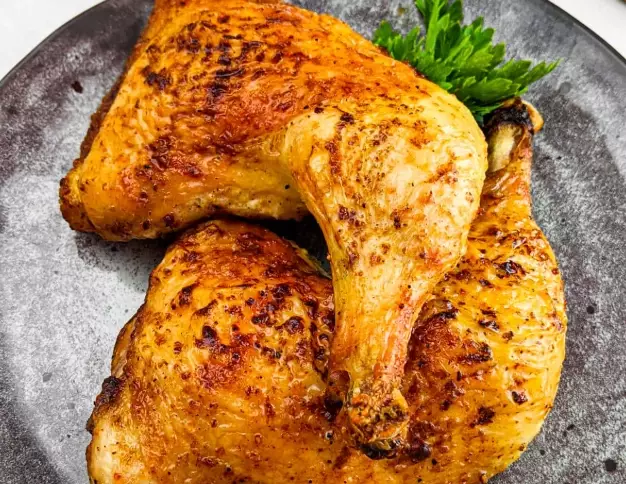
Thawing safely is crucial. The best method is in the fridge overnight. In a pinch, use the cold-water bath method: keep the sealed package submerged in cold water, changing the water every 30 minutes. Never thaw on the counter.
Answering Your Chicken Leg Quarter Questions (FAQs)
Putting It All Together: A Week of Meals from One Pack
This is where the magic happens. Buy a family pack of 4-6 chicken leg quarters. Here’s a potential game plan:
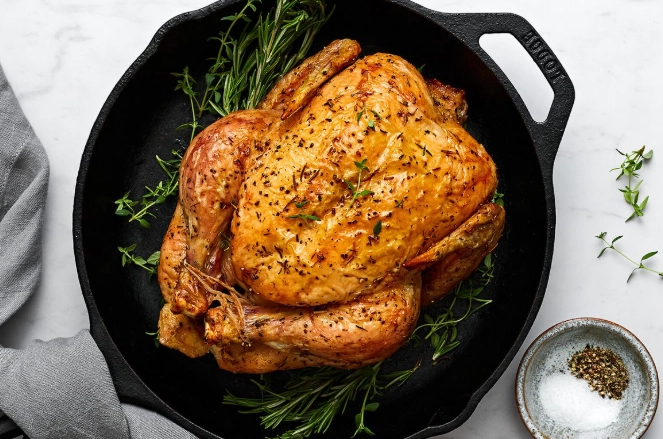
- Sunday: Oven-roast two quarters with lemon and rosemary. Eat with roasted potatoes and a salad.
- Monday: Shred the leftover meat from Sunday. Toss with BBQ sauce for quick sandwiches or pizza topping.
- Tuesday: Separate two raw quarters. Brown the pieces, then simmer in a jar of curry simmer sauce with chickpeas and spinach. Serve over rice.
- Wednesday: Use the remaining two quarters for a slow cooker recipe. Throw them in before work with some salsa or a teriyaki glaze. Come home to ready-to-eat meat for tacos or rice bowls.
- Bonus: You saved the back bones and trimmings in the freezer. Next weekend, make stock for a future soup.
See? Zero waste, maximum flavor, minimal cost. That's the power of understanding this cut.
It's more than just chicken. It's a kitchen strategy.
So next time you're at the store, don't just walk past that value pack of chicken leg quarters. Grab it. With a little know-how—starting with patting them dry and not being afraid of a hot oven—you'll unlock some of the most satisfying, wallet-friendly meals you've ever made. Trust me, once you get it right, you'll never look at the expensive, lean cuts the same way again.
Related Articles