How to Thaw Chicken Safely: A Complete Guide to Defrosting Methods
In This Guide
Let's be honest. We've all been there. You pull a rock-solid pack of chicken breasts from the freezer at 5 PM, dinner is in an hour, and panic starts to set in. The temptation to run it under hot water or, heaven forbid, leave it on the counter is real. I've done it myself years ago, and let me tell you, the texture of that chicken was the least of my worries—I spent the whole night anxious about whether I'd make myself sick.
That's the thing about learning how to thaw chicken. It seems simple, almost too basic to think about. But getting it wrong isn't just about a slightly dry meal; it's about playing Russian roulette with bacteria like Salmonella and Campylobacter. The "danger zone" for bacterial growth—between 40°F and 140°F (4°C and 60°C)—is where you never want your chicken to linger. A thawed chicken sitting on your counter is basically a bacteria party, and you're not invited until it's too late.
So, let's ditch the risky shortcuts. This isn't about rigid, chef-school rules. It's about understanding the why behind the methods so you can always make the safe, smart choice. Whether you planned ahead or you're in a last-minute pinch, there's a right way to get your chicken from frozen to fabulous.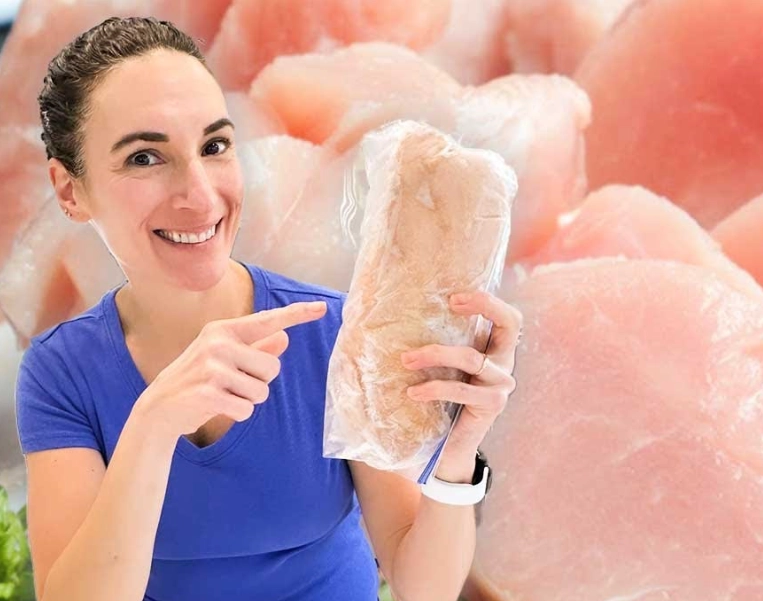
The Three Champions of Chicken Thawing (And How to Pick Your Fighter)
Forget the dozens of life-hack videos with questionable advice. When it comes to food safety authorities, there are only three recommended methods for how to thaw chicken safely. The U.S. Department of Agriculture (USDA) is crystal clear on this. Each method has its superpower and its kryptonite, depending on your timeline and tools.
Here’s the quick-look breakdown before we dive deep. This table should help you match your situation to the best method.
| Method | Best For | Approximate Time | Key Rule |
|---|---|---|---|
| Refrigerator Thawing | Planning ahead, best quality & safety | 24 hours for every 5 lbs | Keep chicken on a plate/tray on the bottom shelf. |
| Cold Water Thawing | Faster than fridge, better than microwave | 1-2 hours for a standard pack | Water must be cold and changed every 30 min. |
| Microwave Thawing | True emergencies, cooking immediately | Minutes per pound (varies) | Cook immediately after thawing. |
See? It’s not so complicated. Now, let’s get into the nitty-gritty of each one.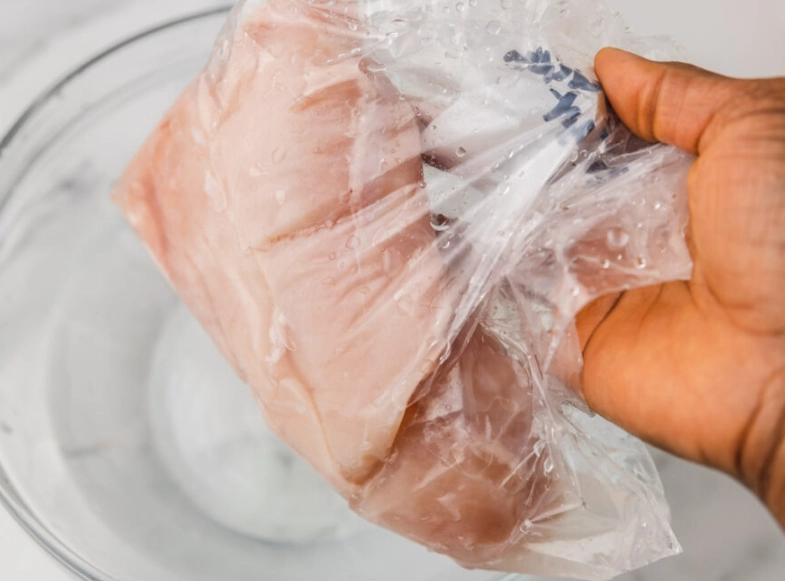
Method 1: Refrigerator Thawing – The Gold Standard
If you ask any food scientist or seasoned cook for the best way to thaw chicken, this is it. It’s slow, steady, and keeps the chicken safely below 40°F the entire time. The quality is unmatched because the muscle fibers have time to reabsorb moisture gradually.
How to do it right:
- Plan. This is the non-negotiable first step. For a whole chicken or a large pack (about 5 pounds), give it a full 24 hours in the fridge. For a couple of breasts or thighs, you might get away with 8-12 hours. I always add a few hours of buffer, just in case.
- Contain. Never just plop the packaged chicken on a shelf. Place the sealed store package (or your freezer bag) on a plate, rimmed baking sheet, or in a shallow dish. This catches any drips and prevents cross-contamination.
- Position. Put it on the bottom shelf of your refrigerator. This is crucial. If it leaks, it won’t drip onto your ready-to-eat salads, cheese, or fruit.
- Wait. Let time do its thing. No peeking needed.
The biggest advantage? Once thawed in the fridge, you have flexibility. If your plans change, that thawed chicken is still safe in its cold environment for a day or two. You can’t do that with the other methods. It’s the most forgiving way to learn how to thaw chicken properly.
But what if you didn’t plan? We’ve all been there.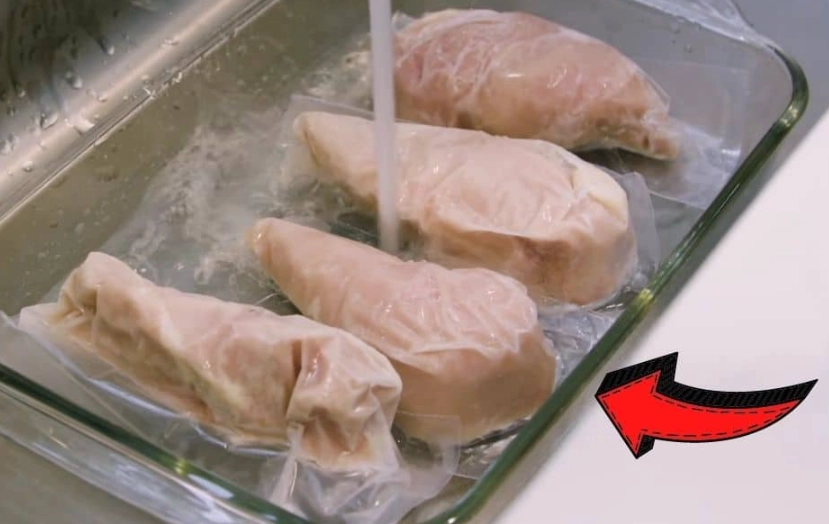
Method 2: Cold Water Thawing – The Speedy (But Hands-On) Saver
This is my go-to when I forget to take chicken out in the morning. It’s significantly faster than the fridge but requires a bit more attention. The key is the cold in "cold water." Using warm or hot water is a major no-no—it cooks the outer layer while the inside stays frozen, and it pushes the temperature into the danger zone.
The step-by-step for cold water thawing:
- Seal it tight. First, ensure your chicken is in a leak-proof plastic bag. If the original packaging is flimsy, double-bag it. The goal is to prevent water from getting in (which can soggify the chicken) and chicken juices from getting out.
- Submerge. Fill a large bowl, pot, or your clean sink with cold tap water. Place the bagged chicken in and make sure it’s fully submerged. You can put a plate on top to keep it under if it floats.
- The 30-Minute Rule. This is the most important part. Cold water warms up to room temperature. You must change the water every 30 minutes to keep it cold. Set a timer on your phone. I’m serious. It’s easy to forget.
- Cook immediately. Once thawed, cook the chicken right away. Don’t put it back in the fridge for later. The external layers have spent time at a higher temperature.
How long does it take? A standard 1-pound package of breasts usually thaws in about an hour. A whole chicken (3-4 lbs) can take 2-3 hours with regular water changes.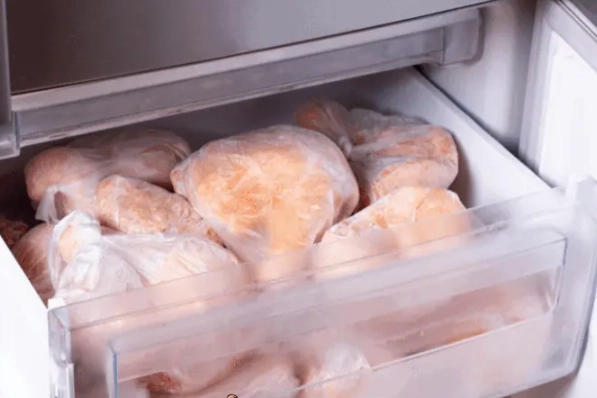
Method 3: Microwave Thawing – The Emergency Protocol
Let’s talk about the microwave. It’s the fastest way to thaw chicken, but it’s also the trickiest and most prone to compromising quality. I have a love-hate relationship with it. It’s saved dinner more than once, but it’s also given me chicken that’s partially cooked on the edges while the center is an icy rock.
If you must use the microwave to thaw chicken, follow these rules religiously:
1. Use the "Defrost" or low-power setting. Never use the regular high-power cook setting. The defrost setting uses lower power and cycles on and off to allow heat to penetrate slowly(ish).
2. Remove any packaging. Take the chicken out of its store tray or foam package. Place it on a microwave-safe plate to catch drips.
3. Break it up if you can. If you have separate pieces (like thighs), try to separate them as they soften to promote even thawing.
4. Pause and check often. Most microwaves defrost by weight. Pause halfway through the cycle, flip the chicken, and check for icy spots. The goal is to thaw it just enough that it’s pliable but still very cold to the touch.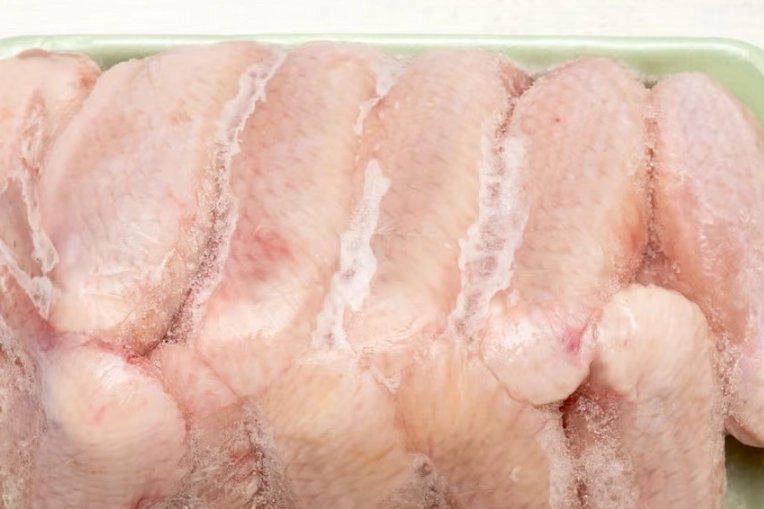
Honestly? I only use this method if I’m going to dice the chicken for a stir-fry or shred it for a sauce right away. The unevenness doesn’t matter as much then.
The Non-Negotiable Safety Rules (This is the Boring But Life-Saving Part)
No matter which method you choose for how to thaw chicken, these rules are universal. Treat them like kitchen commandments.
Never, Ever Thaw on the Counter. I know I said it already, but it bears repeating. Room-temperature thawing is the single biggest mistake home cooks make. The outer layers spend hours in the danger zone. The USDA is unequivocal: “Never thaw food at room temperature.” Just don’t do it.
Cook Immediately After Water or Microwave Thawing. This is the direct consequence of using faster methods. The clock starts ticking as soon as the chicken is thawed.
The "Refreeze" Question. Here’s a common headache. You thawed a whole chicken in the fridge for a recipe, but now plans changed. Can you refreeze it? The official answer from the USDA Freezing and Food Safety page is yes, but with a big caveat. If it was thawed safely in the refrigerator, you can refreeze it without cooking it, though you may lose some quality. However, if it was thawed in cold water or the microwave, you must cook it first before refreezing. My personal rule? If it’s been in the fridge for less than a day, I feel okay refreezing it. If it’s been longer, I cook it and then freeze the cooked meat. Safer and tastier.
Cross-Contamination is the Silent Killer. This isn’t just about the chicken itself. It’s about everything it touches. That juice on the plate, the drips in the sink, the towel you used to dry your hands. Always wash your hands, utensils, cutting boards, and surfaces with hot, soapy water after they contact raw chicken. I keep a dedicated plastic cutting board just for raw meat to make this easier.
For the most detailed and science-backed guidelines on handling poultry, the CDC’s Chicken and Food Safety page is an excellent resource. It breaks down the risks and prevention steps in clear terms.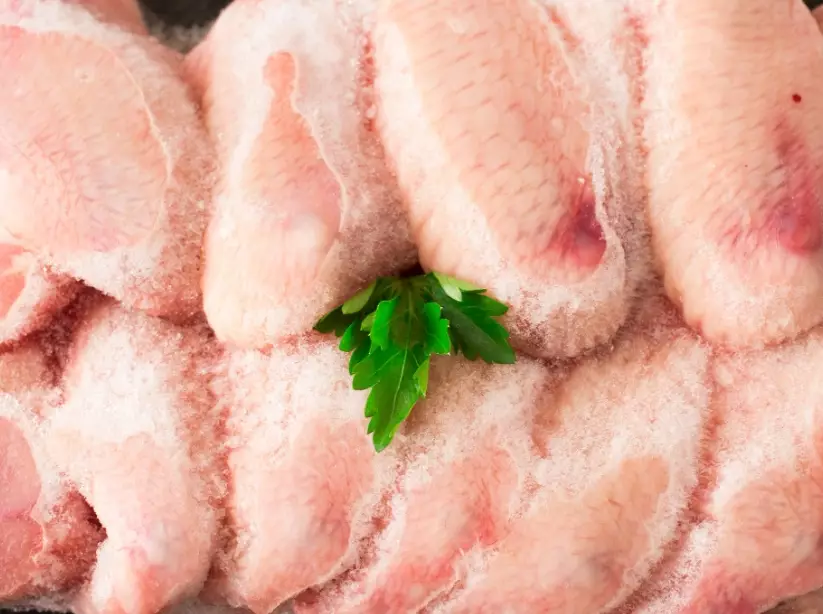
Your Burning Questions About Thawing Chicken, Answered
How can I tell if my chicken is fully thawed?
The best test is the touch and flex test. It should feel cool but not icy-cold all the way through. Press gently—there should be no hard, frozen core. For pieces like breasts or thighs, you should be able to bend them slightly without them cracking. If you’re unsure, use an instant-read thermometer in the thickest part; it should read below 40°F but not be 32°F (0°C).
Can I cook frozen chicken without thawing it first?
Yes, absolutely! This is a fantastic workaround that more people should use. You can cook chicken directly from frozen. You’ll need to increase the cooking time by about 50%. It works great for baked chicken (think seasoned breasts on a sheet pan), in soups, stews, and in a slow cooker or Instant Pot. The key is ensuring it reaches the safe internal temperature of 165°F (74°C) throughout. The outside may cook faster, so using methods with liquid or covered cooking helps.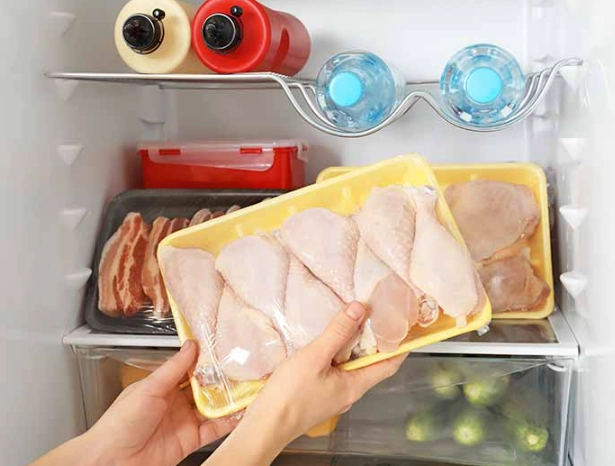
Why does my thawed chicken sometimes look discolored or have freezer burn?
Discoloration (like darkening near bones) is usually due to pigments leaching and is harmless. Freezer burn—those grayish-white, leathery patches—is caused by air reaching the meat. It’s not a safety issue, but it affects texture and taste. You can trim it off before cooking. To prevent it, use heavy-duty freezer bags, squeeze out all the air, or use a vacuum sealer.
Is it safe to thaw chicken in hot water to speed it up?
No.
It is never safe. Hot water rapidly raises the surface temperature of the chicken into the danger zone, allowing bacteria to multiply while the inside is still frozen. It’s a guaranteed way to ruin both safety and texture. Cold water with frequent changes is the fastest safe method.
What’s the deal with marinating while thawing?
This is a brilliant two-in-one trick, but only with the refrigerator method. Place your frozen chicken in a marinade in a sealed container or bag and put it in the fridge. It thaws and marinates simultaneously, absorbing flavor beautifully. Just ensure your container is leak-proof and on that bottom shelf.
Putting It All Together: A Simple Decision Flowchart for Your Next Chicken Dinner
All this info can feel like a lot. So let’s simplify it into a mental checklist for the next time you face a frozen block of poultry.
Step 1: Check the clock. When do you need to cook?
- Tomorrow or later? → Refrigerator thaw. Do it now and forget it.
- In 2-4 hours? → Cold water thaw. Get your bowl and set your timer.
- Right now, in 30 minutes? → You have two options:
- Cook from frozen (adjust time/temp).
- Use the microwave defrost, then cook immediately.
Step 2: Handle with care. No matter the method, contain drips, prevent cross-contamination, and wash everything.
Step 3: Verify and cook. Ensure it’s thawed (if applicable), then cook to a safe 165°F (74°C) as measured by a meat thermometer. Don’t guess with color.
Learning how to thaw chicken isn’t a culinary advanced technique. It’s a fundamental kitchen skill, like sharpening a knife or seasoning your food. It’s the invisible step between sourcing good ingredients and creating a great meal. Get this step right, and you’ve already won half the battle for a safe, delicious, and stress-free dinner. The other half is not burning it—but that’s a guide for another day.
Related Articles