Perdue Chicken Plus Nuggets: The Ultimate High-Protein Snack Review
Key Points to Explore
- What's Actually In These Things? A Label Breakdown
- Putting Them to the Taste Test (The Most Important Part)
- How to Cook Perdue Chicken Plus Nuggets for Best Results
- Who Are These Nuggets Really For?
- Finding Them and The Cost Question
- Your Perdue Chicken Plus Nuggets Questions, Answered
- The Final Verdict: Are They Worth a Try?
Let's be real for a second. The words "healthy" and "chicken nugget" don't usually belong in the same sentence. For most of us, nuggets are the ultimate guilty pleasure—a crispy, salty, processed treat we throw in the air fryer when we just can't deal with cooking. But then you hear about Perdue Chicken Plus Nuggets. They're popping up in freezer aisles with promises of more protein and less junk. Sounds good, right? But is it just marketing, or are these things actually different? I decided to find out, not as a food scientist, but as a parent who's stared down one too many dinners where the only thing the kids would eat was something beige and breaded.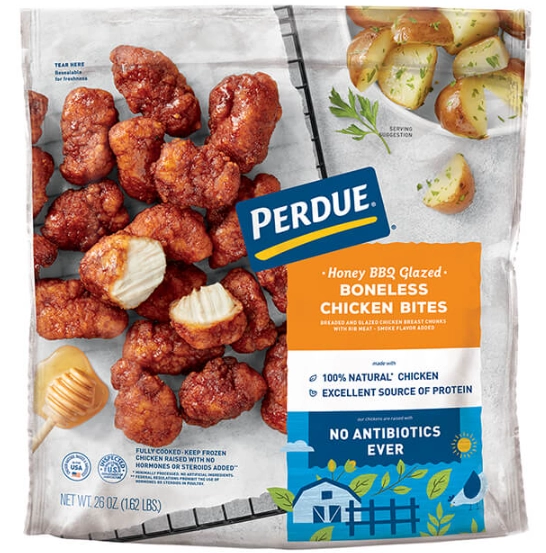
Spoiler alert: they surprised me.
This isn't a paid review. I bought a few bags myself from my local grocery store (and honestly, they weren't always easy to find—more on that later). We tried them every which way: air-fried, baked, even microwaved in a moment of desperation. I compared them to the regular nuggets lurking in the back of my freezer. I talked to other parents. I spent way too much time squinting at the nutrition label. What follows is everything I wish I'd known before I bought my first bag of Perdue Chicken Plus Nuggets.
The Core Idea: Perdue isn't trying to reinvent the wheel here. The shape, the convenience, the kid-appeal—it's all familiar. What they're trying to do is make the wheel better. They start with white meat chicken (a good base) and then add a blend of vegetable proteins—from chickpeas and flaxseed, primarily. The goal? Pump up the protein and fiber while keeping the taste and texture as close to a "real" nugget as possible. It's a nugget with a nutritional boost, hiding in plain sight.
What's Actually In These Things? A Label Breakdown
This is where most people's eyes glaze over, but stick with me. It's important. The ingredient list for Perdue Chicken Plus Nuggets is noticeably shorter and cleaner than many mainstream brands. You won't find a long list of unpronounceable preservatives or artificial flavors. The main components are:
- Chicken: White meat chicken is the first ingredient.
- Plant Proteins: A blend of chickpea protein, pea protein, and flaxseed. This is the "Plus" part.
- Breading: Made from wheat flour, but they also have a gluten-free version (which is a separate product line—don't get them mixed up).
- Binders & Seasonings: Things like rice starch, salt, and natural flavors. No artificial colors like you might find in some brightly-colored kid-targeted nuggets.
I compared the label side-by-side with a leading national brand of all-white-meat nuggets. The regular nuggets had over 30 ingredients, including several forms of starch, leavening agents I didn't recognize, and "natural flavor" listed multiple times. The Perdue Plus list was simpler. Not quite "farm-to-table" simple, but for a frozen, breaded product, it's a step in a better direction.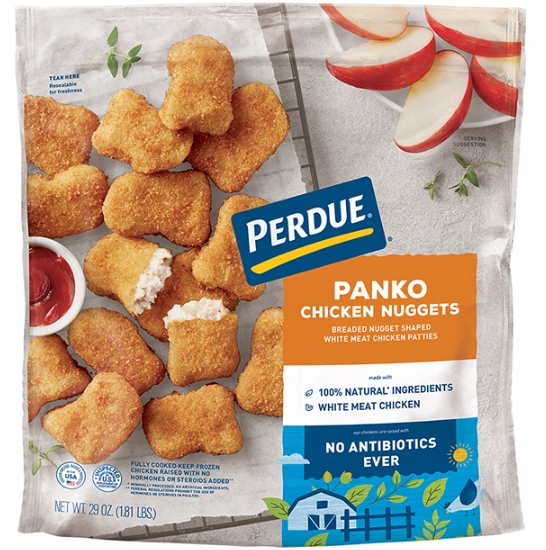
The Nutrition Numbers That Matter
Let's talk specifics. Per serving (which is usually about 4-5 nuggets, or 85g):
The standout feature is the protein. You're looking at around 14 grams of protein per serving. Compare that to many standard white meat nuggets which hover around 9-11 grams. That's a significant jump. It comes from the combo of chicken and the added plant proteins.
Fiber is the other win. Traditional nuggets have virtually none—maybe 1 gram if you're lucky. The Perdue Chicken Plus Nuggets pack in about 3 grams of fiber per serving, thanks to the chickpeas and flax. For kids (and adults) who struggle to get enough fiber, this is a sneaky-good way to add some.
The other numbers—calories, fat, sodium—are pretty comparable to other "premium" white meat nuggets. They're not a low-sodium health food by any stretch. The sodium content is still up there, which is pretty much unavoidable for any breaded, seasoned frozen product. But you're getting more nutritional bang for your buck, calorie-for-calorie.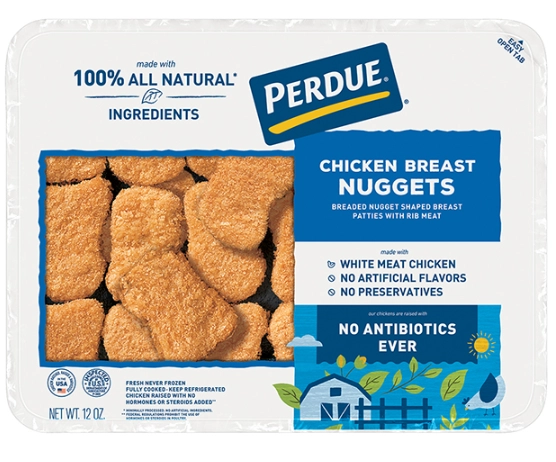
Putting Them to the Taste Test (The Most Important Part)
None of the nutrition stuff matters if they taste like cardboard, right? My family's opinion was mixed, which I think is honest.
The Texture: This is the most noticeable difference. They are denser than a typical all-chicken nugget. The exterior breading crisps up nicely in the air fryer (more on cooking methods below), but the inside has a firmer, slightly grainier bite. It's not bad, just different. My younger kid didn't notice at all. My older, more nugget-connoisseur child said, "They're chewier." My spouse said they felt more "substantial" and satisfying.
The Flavor: The chicken flavor is mild. You can taste it, but it's not super robust. The seasoning in the breading is classic, slightly salty, savory nugget flavor. They aren't spicy or herby. The added plant proteins don't impart a "beany" or weird taste—they're pretty neutral. The overall flavor profile is designed to be inoffensive and kid-friendly, and it succeeds.
The real test? The "would they eat it again?" test.
Both kids finished their plates without complaint when served with ketchup and apple slices. My older one even asked for them in his lunchbox later that week. That, to me, is a win. They didn't rave about them being the best nuggets ever, but they accepted them as a perfectly good nugget. For a parent trying to make a slight upgrade, that's the sweet spot. You're not forcing a radical change, just a better version of a familiar food.
My Personal Take: I actually prefer the texture. Standard nuggets can sometimes feel mushy or overly processed in the middle. The denser texture of the Perdue Plus nuggets feels more like I'm eating actual food. The higher protein also means I feel fuller after eating 4 or 5 of them, whereas with regular nuggets I'd be tempted to eat twice as many. The downside? If you're craving that specific, light, fast-food-style nugget texture, these might not hit the spot. They're their own thing.
How to Cook Perdue Chicken Plus Nuggets for Best Results
This matters more than you think. Cooking them wrong can lead to disappointment. The package has instructions, but here's what I found worked best through trial and error (and a few mediocre batches).
| Cooking Method | Temperature & Time | Result & Tips |
|---|---|---|
| Air Fryer (The Winner) | 400°F for 8-10 mins. No need to flip. | Crispiest result. The hot air circulation gets the breading perfectly golden and crunchy while keeping the inside moist. Don't overcrowd the basket. |
| Conventional Oven | 425°F for 14-16 mins. Flip halfway. | Reliable and even. Place them on a wire rack over a baking sheet for optimal crispness on all sides. On a bare sheet, the bottom can get a bit soggy. |
| Toaster Oven | Follow oven instructions, watch closely. | Great for small batches. Works almost as well as a full oven if your toaster oven has good convection. |
| Microwave | As a last resort only. | Not recommended. The breading becomes soft and chewy, and the texture suffers dramatically. Only do this if you're in a true pinch and don't care about crispness. |
A key tip: Don't undercook them. Because of the denser interior, they need that full cooking time to heat through properly and for the breading to reach its peak crispness. A little extra time in the air fryer or oven is better than pulling them out too early.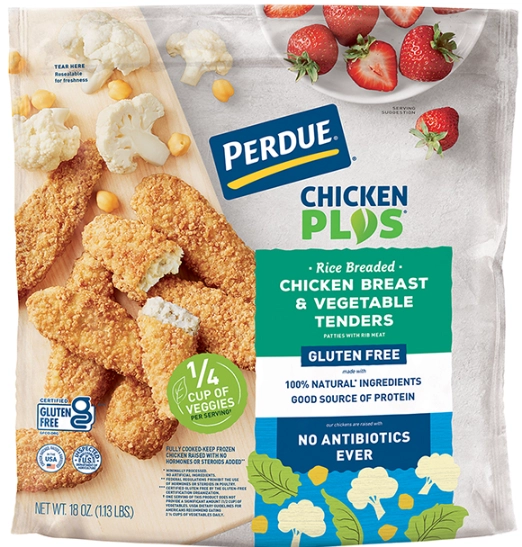
Who Are These Nuggets Really For?
They're not a magic bullet for everyone. Here's who I think gets the most value out of Perdue Chicken Plus chicken nuggets:
- Parents of Picky Eaters: This is the prime audience. If your child's diet is a nugget-shaped fortress, this is a strategic way to increase their protein and fiber intake without a dinner-table battle.
- Fitness-Focused Individuals: Need a quick, high-protein meal or snack post-workout? Toss a serving of these in the air fryer and pair with a big side of veggies. It's far more convenient than cooking raw chicken.
- Busy Professionals: That "I need real food but have zero time" scenario. They're a better-quality convenience food.
- Anyone Trying to Eat More Protein: Whether due to age, dietary preference, or health goals, hitting protein targets can be hard. These help.
And who might they not be for?
- The Gluten-Free Crowd: Remember, the standard Perdue Plus nuggets contain wheat. They make a separate gluten-free line, so check the bag carefully.
- Purists Who Want 100% Chicken: If the idea of plant protein in your nugget is off-putting, these aren't for you. Stick to a 100% chicken product.
- Those on Strict Low-Sodium Diets: The sodium content, while comparable to peers, is still high.
Finding Them and The Cost Question
This was my biggest frustration. Availability is spotty. I've seen them consistently at Target and some larger Kroger affiliates. Walmart sometimes has them. Your best bet is to use the store locator on the Perdue website. It's fairly accurate.
Price. Ah, price. They are definitely more expensive than the absolute budget nugget brands. I've seen them priced about $1 to $2 more per bag than standard Perdue or Tyson white meat nuggets. Is the extra protein and fiber worth the extra cost? That's a personal budget calculation. For me, using them as an occasional upgrade rather than a daily staple makes the cost palatable. I view it as paying a bit more for a bit better nutrition, which often feels like the story of healthier eating.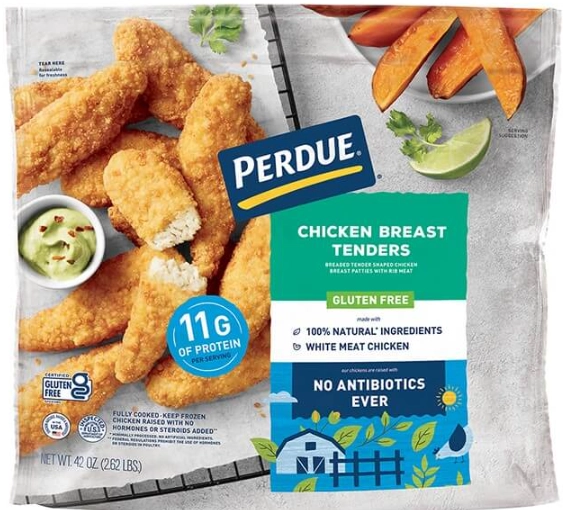
Your Perdue Chicken Plus Nuggets Questions, Answered
The Final Verdict: Are They Worth a Try?
Look, I'm not going to tell you that Perdue Chicken Plus Nuggets will change your life. They're chicken nuggets. But in the world of compromise that is feeding a modern family or managing a busy life, they represent a meaningful upgrade.
You're trading a little extra cost and a slightly different texture for noticeably more protein and fiber, without having to have a fight about "new food." That's a trade-off I'm willing to make sometimes. They've earned a permanent spot in the rotation in my freezer, not as the only option, but as the "better" option for those nights when nuggets are what's for dinner.
My advice? If you see a bag on sale, grab it. Cook them in the air fryer. Don't overthink it. See if your crew notices the difference. Chances are, they'll just see a tasty nugget—and you'll know there's a little something extra in there, working for you.
Sometimes, progress isn't a revolution. It's a slightly better nugget.
Sources & Further Reading: For detailed, unbiased nutritional information and definitions, I always cross-reference with the USDA's FoodData Central database. For specific product details and allergen information, the official Perdue Chicken Plus product page is the most accurate source. When evaluating claims about protein needs, resources from reputable institutions like the Harvard T.H. Chan School of Public Health provide valuable context.
Related Articles