Safe and Fast Ways to Defrost Chicken: A Complete Guide
Jump to What Matters
I ruined a whole batch of chicken curry once because I thought leaving the pack on the counter for a few hours was fine. It wasn't. The chicken turned slimy, and I had to toss it—money down the drain. That's when I dug into the science of thawing poultry. Let's cut through the noise: defrosting chicken isn't just about convenience; it's a food safety tightrope. In the first 100 words, I'll say this: proper thawing prevents bacteria growth, preserves texture, and saves you from kitchen disasters. Whether you're meal-prepping or in a dinner rush, mastering these methods changes everything.
Why Getting Chicken Thawing Right is Crucial
Chicken is a breeding ground for pathogens like Salmonella and Campylobacter if handled wrong. The USDA calls the temperature range between 40°F and 140°F the "danger zone"—bacteria double every 20 minutes here. Thawing incorrectly, like on the counter, keeps chicken in that zone for hours. I've seen friends do this, arguing it's "just for a bit," but it's a gamble with food poisoning. Beyond safety, texture suffers. Ice crystals form during freezing; slow, controlled thawing lets them reabsorb, keeping meat juicy. Rush it, and you get mushy, waterlogged chicken. Trust me, no recipe fixes that.
Three Safe Methods to Defrost Chicken
There are only three methods recognized as safe by authorities like the USDA: refrigerator thawing, cold water thawing, and microwave thawing. Each has pros and cons, depending on your time and tools.
1. Refrigerator Thawing: The Gold Standard
This is the slowest but safest way. It keeps chicken at a steady, cold temperature (below 40°F), halting bacterial growth. For a typical pack of boneless, skinless breasts (about 1-2 pounds), budget 12-24 hours. Whole birds or larger cuts? Add 24 hours per 5 pounds. I keep a sticky note on my fridge to track thawing times—sounds obsessive, but it works. One nuance: place the chicken on a plate or in a container to catch drips, preventing cross-contamination. Thawed chicken stays good in the fridge for 1-2 days before cooking.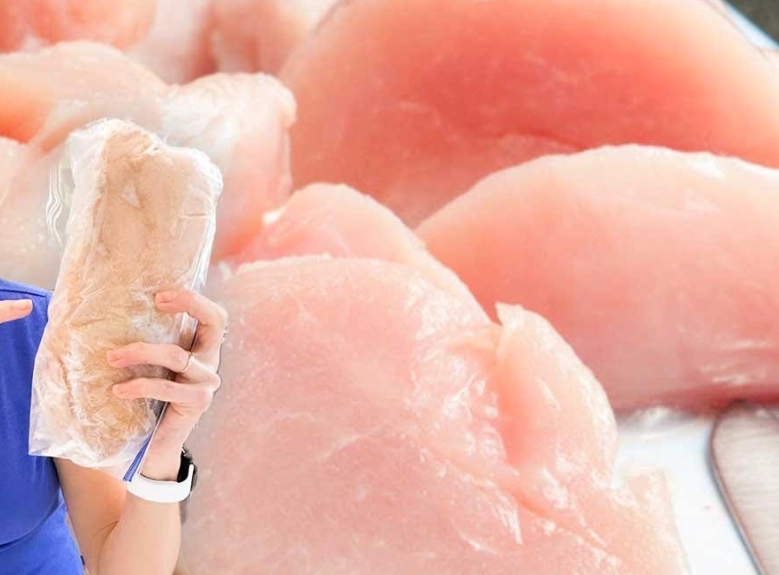
2. Cold Water Thawing: The Quick Fix
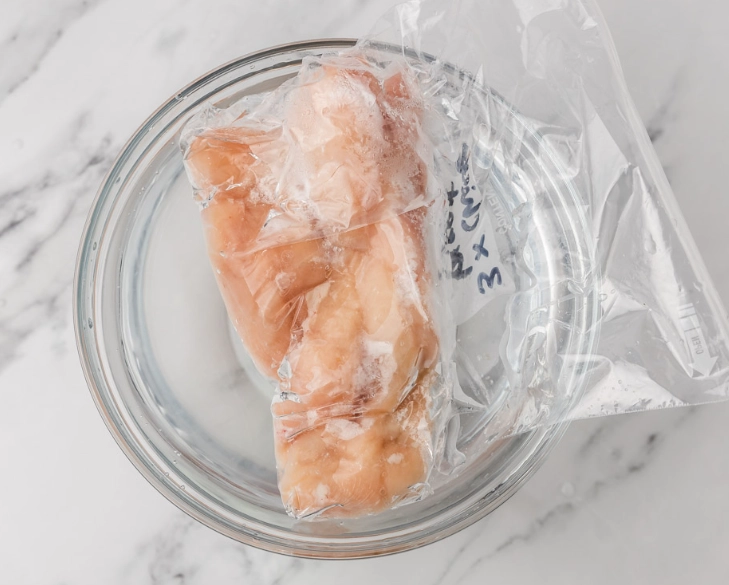
When you forget to plan, this method saves dinner. It's faster than the fridge but requires attention. Submerge the chicken in its original packaging or a leak-proof bag in cold tap water. Change the water every 30 minutes—this is where most people slip up. I set a timer on my phone; if I skip a change, the water warms, defeating the purpose. A pound of chicken thaws in about an hour, but thicker cuts take longer. Never use warm water; it's an invitation for bacteria.
3. Microwave Thawing: The Last Resort
Microwaves are uneven and can start cooking edges while the center stays frozen. I avoid this for large cuts, but for thin cuts like cutlets, it's manageable. Use the "defrost" setting based on weight, and rotate the chicken halfway. Immediately cook it after thawing; partial cooking in the microwave creates hot spots where bacteria thrive. A friend once microwaved chicken, left it out, and got sick—lesson learned.
| Method | Time Estimate | Best For | Key Consideration |
|---|---|---|---|
| Refrigerator | 12-24 hours per 2 lbs | Meal planning, safety priority | Plan ahead; keep below 40°F |
| Cold Water | 1 hour per lb | Quick meals, attentive cooks | Change water every 30 mins |
| Microwave | 5-10 mins per lb | Emergency use, small cuts | Cook immediately after |
Common Mistakes and How to Dodge Them
Over the years, I've compiled a list of errors that even experienced cooks make. Avoiding these elevates your kitchen game.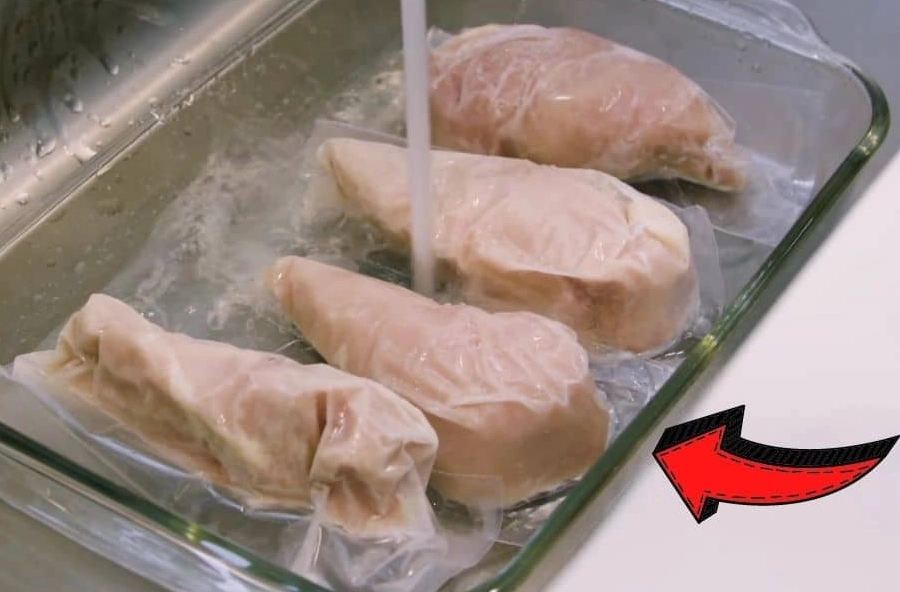
Mistake 1: Thawing on the Counter. This is the big one. I get it—it's convenient. But bacteria multiply rapidly at room temperature. The USDA's Food Safety and Inspection Service explicitly warns against it. If you're short on time, use cold water or cook from frozen.
Mistake 2: Not Using a Meat Thermometer. After thawing, chicken must reach 165°F internally when cooked. Guessing leads to undercooking or dryness. I use a digital thermometer every time; it's cheap insurance.
Mistake 3: Refreezing Improperly. You can refreeze chicken thawed in the fridge, but not if it's been in the danger zone. Texture degrades with multiple freeze-thaw cycles, so I prefer to cook it first, then freeze the cooked dish.
Here's a personal story: I once tried to speed-thaw chicken by running it under hot water. The outside turned gray and slimy, while the inside was still frozen. Had to trash it. Hot water is a no-go—it cooks the surface, creating a perfect environment for pathogens.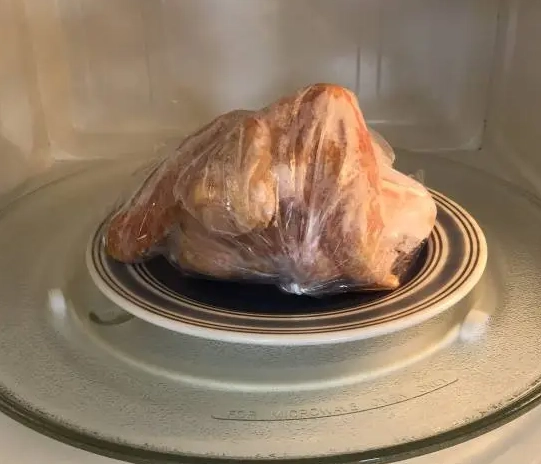
What to Do After Your Chicken is Thawed
Thawing is half the battle. Handling thawed chicken correctly ensures safety and taste.
First, pat it dry with paper towels. Excess moisture prevents browning and can lead to steaming instead of searing. I've found that dry chicken gets a better crust in the pan.
Second, marinate or season promptly. Thawed chicken is more receptive to flavors. For a quick dinner, I often toss it with olive oil, garlic, and herbs right after thawing.
Third, cook it within 1-2 days if stored in the fridge. If plans change, you can refreeze it, but expect some texture loss. I rarely do this—better to cook and freeze the cooked meal.
What about cooking from frozen? Yes, it's possible. Baking or slow-cooking works, but increase cooking time by 50%. Use a meat thermometer to check for 165°F. I do this for soups or casseroles when I'm in a pinch.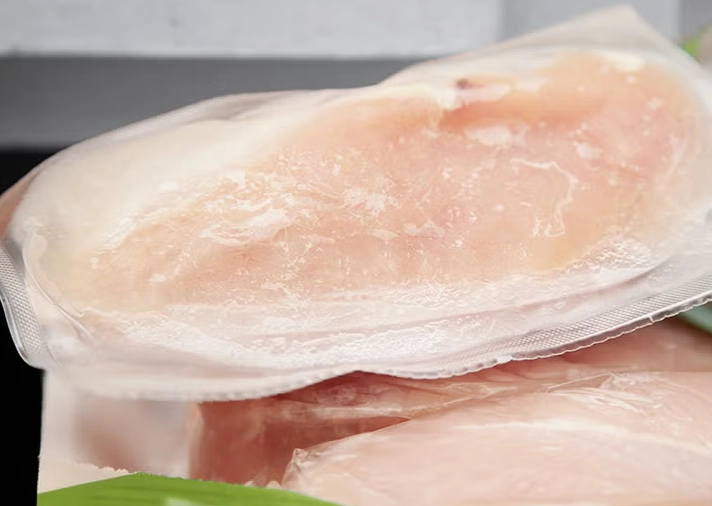
Your Burning Questions Answered
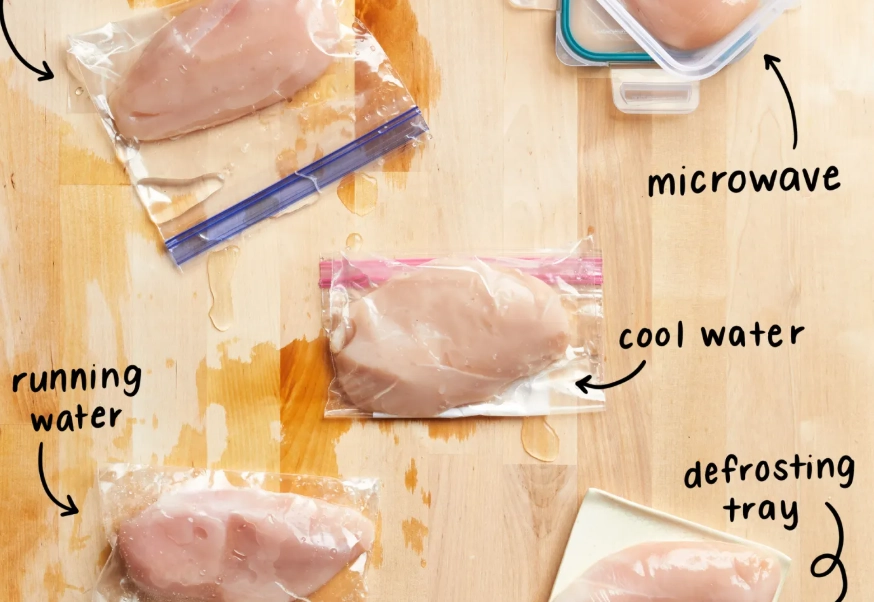
Wrapping up, defrosting chicken isn't rocket science, but it demands respect for food safety. I've shifted from haphazard methods to a disciplined approach—my meals are safer and tastier. Start with the fridge when you can, use cold water for speed, and never cut corners. Your health and taste buds will thank you. For more details, check resources like the USDA's food safety guidelines or reputable cooking sites. Now, go thaw that chicken with confidence!
Related Articles