The Ultimate Guide to Thawing Chicken Safely and Perfectly
Let's get straight to the point. Thawing chicken isn't just about convenience; it's the single most critical step between you and a great meal—or a nasty bout of food poisoning. I've seen too many home cooks, even experienced ones, mess this up because they rely on old habits or bad advice.
Think about the last time you needed chicken for dinner but forgot to take it out of the freezer. What did you do? If your answer involves a sink full of warm water or just leaving it on the counter, you're playing roulette with your health. The U.S. Department of Agriculture (USDA) and the Centers for Disease Control and Prevention (CDC) are crystal clear on this: there are only three safe ways to do it.
This guide isn't just about following rules. It's about understanding why they exist, so you can make better decisions in your kitchen. I'll walk you through each method, tell you exactly when to use them, and share the little tricks I've picked up over the years that most guides don't mention.
What You'll Find Inside
Why Safe Thawing Matters More Than You Think
It all comes down to temperature and time. Bacteria like Salmonella and Campylobacter live on raw chicken. Freezing puts them to sleep, but it doesn't kill them. The moment the chicken starts to warm up, they wake up hungry and start multiplying.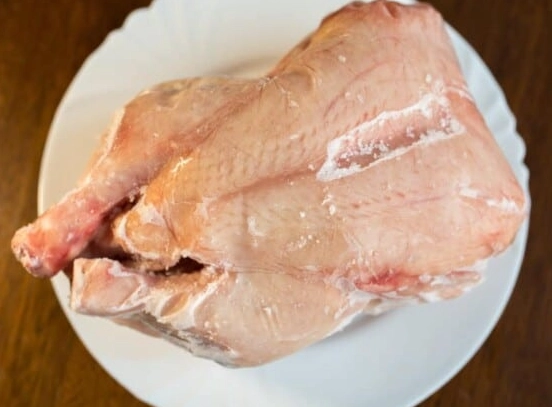
The "danger zone" is between 40°F and 140°F (4°C and 60°C). In this range, bacteria can double in number in as little as 20 minutes. A package left on the counter can enter this zone on the outside while the inside is still frozen solid. You get a false sense of security.
I learned this the hard way early on. I used the "hot water in the sink" method for speed. The chicken cooked a little on the outside, felt warm, and I thought it was fine. The meal was okay, but the risk wasn't worth it. The goal is to get the chicken out of the danger zone as quickly as possible, either by keeping it very cold or by getting it cooked.
The Three Safe Methods: A Detailed Breakdown
Here’s your cheat sheet. Each method has its place depending on how much time you have and what quality you're aiming for.
| Method | Time Required | Best For | Key Rule |
|---|---|---|---|
| Refrigerator Thawing | 24 hours (breasts) to 2+ days (whole bird) | Planning ahead, best quality | Place on a plate or tray on the bottom shelf. |
| Cold Water Thawing | 1-3 hours (breasts), ~30 min per lb | Same-day cooking, good quality | Use airtight packaging, change water every 30 min. |
| Microwave Thawing | Minutes per pound | Emergency only, cook immediately | Use the "defrost" setting, rotate frequently. |
1. Refrigerator Thawing (The Gold Standard)
This is the method you should use 90% of the time. It requires planning, but the results are consistently the best. The chicken stays at a safe, constant temperature below 40°F.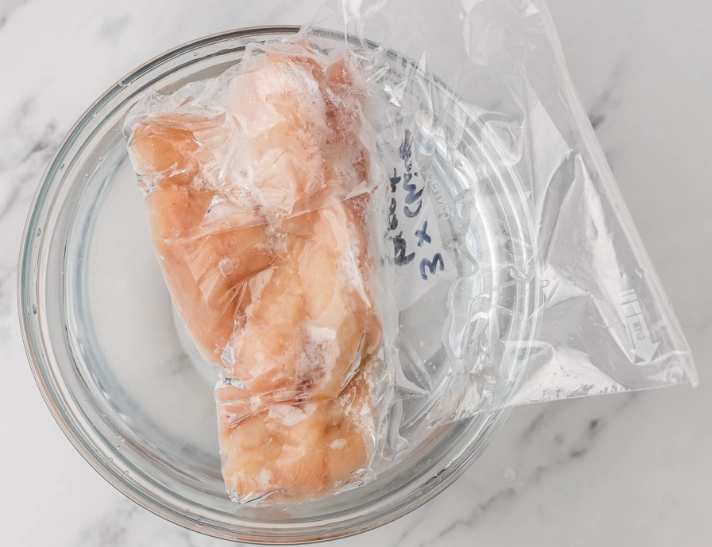
How to do it: Take the chicken in its original packaging or a leak-proof bag and place it on a plate, tray, or in a container. This catches any drips and prevents cross-contamination. Put it on the bottom shelf of your fridge, where it's coldest and won't drip onto other foods.
Timing is the tricky part. Most guides say "24 hours." That's optimistic for anything thicker than a single breast. A package of two thick breasts or thighs can easily take 24-36 hours. A whole chicken? Plan for 24 hours for every 4-5 pounds. If your fridge is packed or set warmer than 38°F, add more time.
Here's a pro check: press the center of the package. If you feel any hardness or ice crystals, it's not ready. Let it go another 6-12 hours.
2. Cold Water Thawing (The Speed Runner-Up)
This is my go-to when I forget to plan. It's faster than the fridge but requires a bit more attention.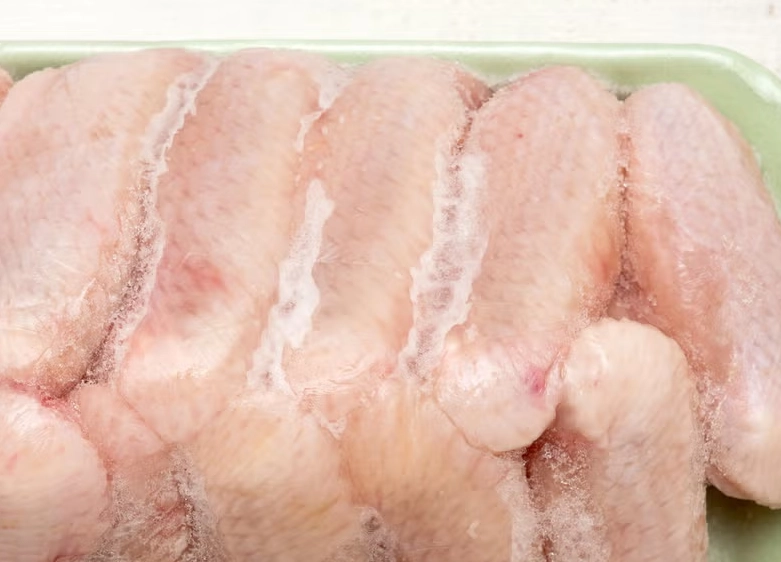
The critical detail everyone misses: The chicken must be in a leak-proof plastic bag. Submerging the original store packaging is risky—it often has tiny holes or isn't sealed for submersion. Water seeping in dilutes flavor and introduces more bacteria. Double-bag it if you're unsure.
Fill a large bowl or clean sink with cold tap water. Not cool, not lukewarm—cold. Submerge the bagged chicken. Now, set a timer for 30 minutes. When it goes off, drain the water and refill with fresh cold water. Why? The water warms up from the frozen chicken, bringing it closer to the danger zone. Refreshing it keeps the process safe and efficient.
A pound of boneless breasts usually thaws in about an hour with this method. A whole bird takes 2-3 hours. Cook it immediately after thawing.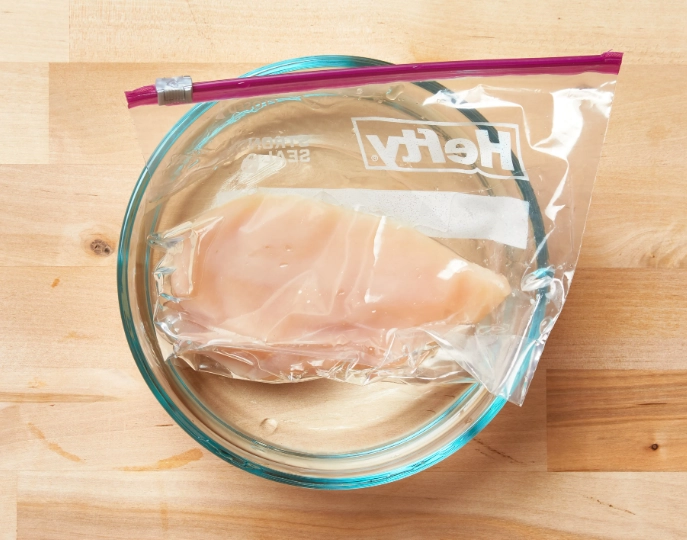
3. Microwave Thawing (The Emergency Button)
I'm not a fan of this method for quality, but sometimes you need chicken in 20 minutes for a stir-fry. If you use it, you must accept one rule: you are committing to cook that chicken immediately. No delays, no putting it back in the fridge.
Use your microwave's "defrost" or low-power setting. Place the chicken on a microwave-safe plate. Pause and rotate the pieces every 45-60 seconds. You're looking for areas that are becoming warm or starting to cook (they'll turn opaque). Separate those pieces or shield them with a small piece of foil.
The moment it's pliable and no longer icy, get it cooking. Parts of it will have begun to cook unevenly, putting it in the danger zone. The clock is ticking.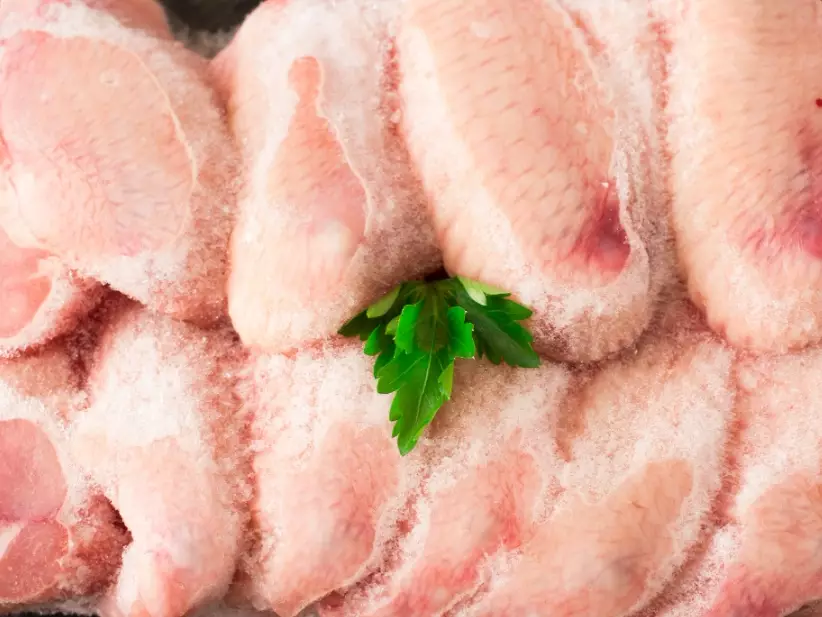
What's the Absolute Worst Way to Thaw Chicken?
Never, ever thaw chicken at room temperature on the counter. Not for "just an hour." Not "in a cool spot." This is the top cause of foodborne illness from home-thawed poultry. The outer layers sit in the danger zone for hours while the inside thaws.
Hot water thawing is just as bad. I see recipes that say "place in a bowl of hot water for quick thawing." This is dangerously wrong. The hot water can literally start cooking the outside of the chicken, bringing it to a perfect breeding temperature for bacteria while the core remains frozen.
Another subtle mistake: thawing in a sealed container without a plate underneath. Chicken juices almost always leak. If that container is on the top shelf, those juices can drip onto your lettuce, cheese, or other ready-to-eat foods, spreading pathogens. Always use a containing tray or plate.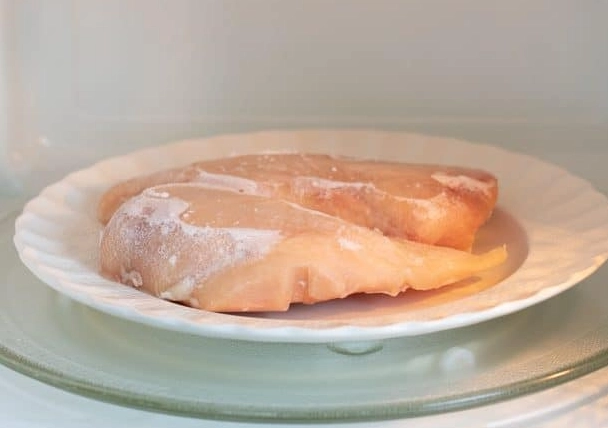
Pro Tips & Tricks for Better Results
Beyond safety, let's talk about getting the best texture and flavor from your thawed chicken.
Flatten before you freeze. If you buy chicken breasts in bulk, portion them into meal-sized bags and press them flat before freezing. A 1-inch thick flat packet thaws in the fridge in under 24 hours, while a clumped ball of the same weight can take two days.
Pat it dry. This is the single most underrated step after thawing. Whether it's from fridge condensation or water thawing, surface moisture is the enemy of good browning. Take two minutes to thoroughly pat the chicken dry with paper towels. You'll get a better sear, crispier skin, and more concentrated flavor.
Consider not thawing at all. For dishes like soups, stews, or braises, you can often cook frozen chicken directly. Drop frozen breasts or thighs into a simmering broth. It will take about 50% longer to cook through, but it's safe because you're bringing it directly up to a killing temperature. Don't try this for grilling or pan-searing—the outside will burn before the inside is safe.
Label your freezer bags. Write the date and cut of chicken on the bag. Use frozen chicken within 9-12 months for best quality. First in, first out.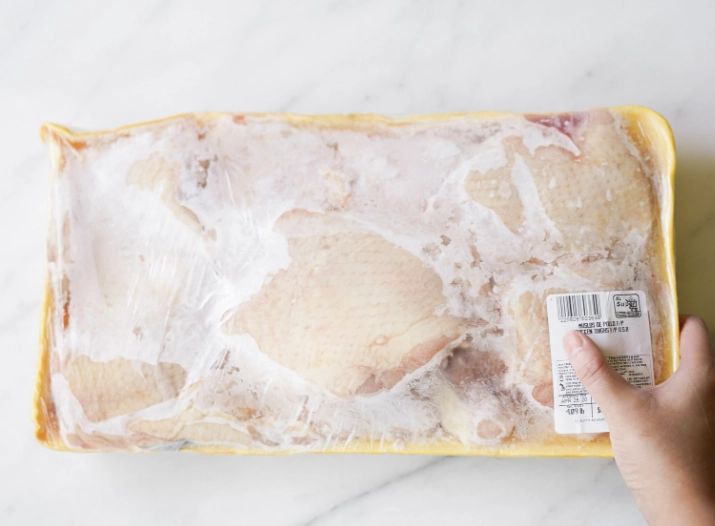
Your Thawing Questions, Answered
At the end of the day, thawing chicken is simple if you stick to the safe paths. Plan ahead and use the fridge. Forgot? Use cold water. In a true pinch? Microwave and cook instantly. Avoid the counter, avoid hot water, and always contain the mess.
It takes a little forethought, but the payoff is a safer kitchen and consistently better-tasting chicken. Trust me, I've done it the wrong way. The right way is easier than you think.
Related Articles