Dark Meat Chicken Explained: Flavor, Nutrition & Cooking Tips
Quick Navigation
- Why Is It Dark? The Science Isn't Scary, I Promise
- Dark Meat vs. White Meat: The Ultimate Showdown (It's Not What You Think)
- Nutrition: Is Dark Meat Chicken Healthy or a Guilty Pleasure?
- Cooking Dark Meat Chicken: How to Make It Shine
- Answering Your Burning Questions About Dark Meat Chicken
- A Few Parting Thoughts (From One Cook to Another)
You've probably heard the terms tossed around in recipes, at the butcher counter, or maybe your friend who fancies themselves a grill master insisted on getting "all dark meat" for the barbecue. But when someone asks, "What is dark meat chicken?", the answer often gets a bit muddled. Is it a different breed? Is it less healthy? Why does it look... well, darker?
Let's get straight to it. When we talk about dark meat chicken, we're not talking about a special kind of bird. We're talking about specific parts of the same chicken. It's all about anatomy and muscle function. The simple answer is that dark meat refers to the chicken's legs and thighs. That's it. The drumsticks and the thighs. The wings are sometimes considered a mix, but the wing drumette (the part that looks like a mini drumstick) has dark meat characteristics, while the wingette and tip are more like white meat.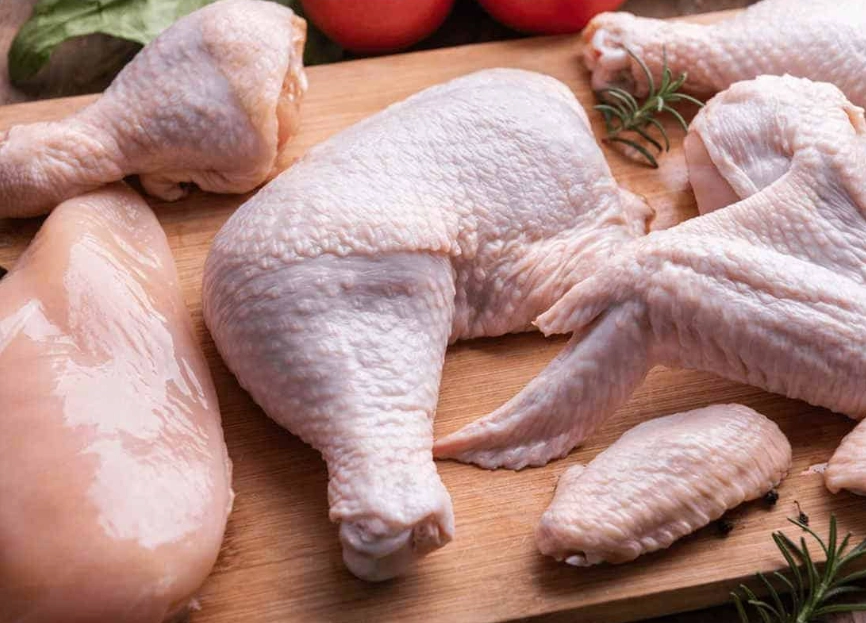
Dark Meat Chicken Definition: The skeletal muscle from a chicken's legs (thighs and drumsticks), characterized by a higher concentration of myoglobin, a red-colored protein that stores oxygen, which gives the meat its darker hue, richer flavor, and higher fat content compared to breast meat.
Think about what a chicken does all day. It stands. It walks. It scratches the ground. Its leg and thigh muscles are constantly at work, supporting its weight and facilitating movement. Muscles that are used more frequently require a steady, reliable supply of oxygen to fuel all that activity.
Why Is It Dark? The Science Isn't Scary, I Promise
The color is the biggest giveaway, right? That deep, rosy-brown color isn't because the meat is old or somehow inferior. Far from it. It's because of a protein called myoglobin.
Myoglobin's job is to store oxygen in muscle cells. Muscles that are used more—like the legs—need more oxygen on standby, so they pack in more myoglobin. Myoglobin is red. More myoglobin equals a darker, redder color. It's the same reason why a cow's leg muscles (which we eat as beef) are dark red, while a chicken's breast muscle (which it barely uses for flight) is pale.
White meat, from the breast and wings, comes from muscles used for short, quick bursts (like the futile attempt to fly away from you). These muscles rely on a different energy system that doesn't require as much oxygen storage, so they have much less myoglobin, resulting in that pale pink or white color after cooking.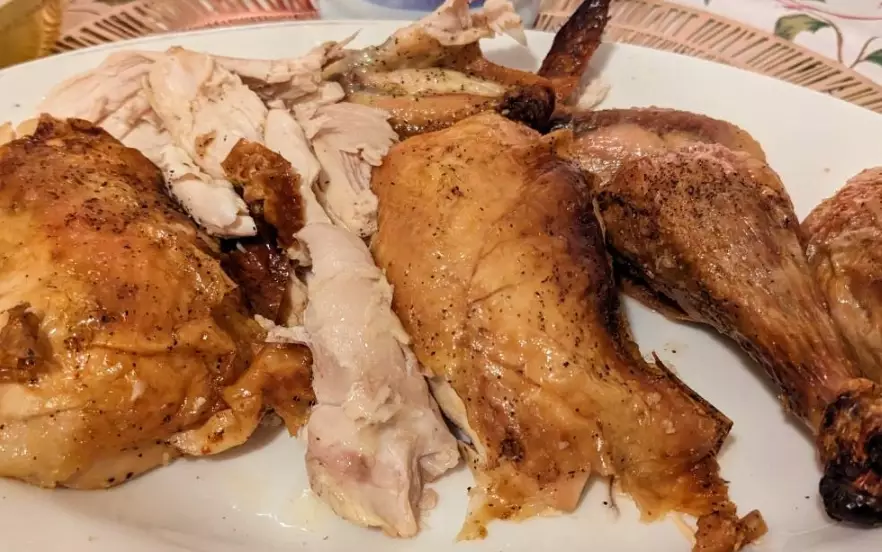
Simple, right?
Dark Meat vs. White Meat: The Ultimate Showdown (It's Not What You Think)
This is where opinions get strong. Some people swear by the leanness of the breast. Others (like me, admittedly) are firmly in the dark meat camp for flavor. But it's not just about taste preference. The differences run deep and affect everything from nutrition to how you should cook it.
Let's break it down side-by-side. This isn't about which is "better," but about understanding what each brings to the table—literally.
| Characteristic | Dark Meat (Thigh, Bone-in, Skin-on) | White Meat (Breast, Bone-in, Skin-on) |
|---|---|---|
| Primary Cuts | Thighs, Drumsticks | Breast, Wings (mostly) |
| Muscle Function | Slow-twitch, endurance (walking, standing) | Fast-twitch, burst (flapping) |
| Key Protein | High myoglobin | Low myoglobin |
| Flavor Profile | Rich, deeply savory, "chicken-y," earthy | Mild, clean, subtle |
| Texture (Cooked) | Juicy, tender, succulent, forgiving | Can be dry & stringy if overcooked |
| Fat Content | Higher (more intramuscular fat & skin) | Lower (most fat is under the skin) |
| Cooking Friendliness | Very forgiving, hard to overcook | Less forgiving, requires precision |
| Best Cooking Methods | Braising, stewing, roasting, grilling, frying | Quick roasting, grilling, sautéing, poaching |
See what I mean? It's like comparing a marathon runner to a sprinter. They're built for different tasks. That higher fat content in dark meat isn't just about calories—it's flavor and insurance against dryness. The fat melts during cooking, basting the meat from the inside out. That's the magic.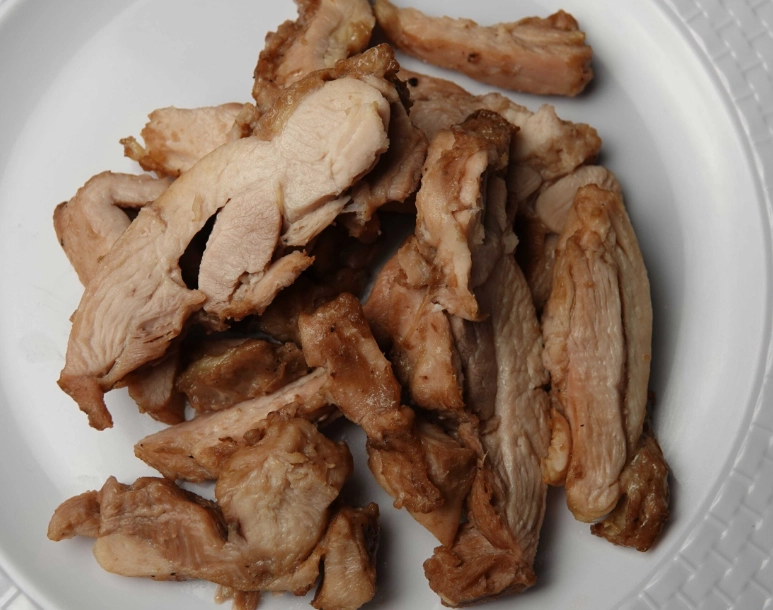
I used to be a breast-meat-only person, convinced it was the "healthy" choice. Then I overcrote my tenth dry, sad chicken breast. Switching to thighs was a revelation. Suddenly, my weeknight dinners were consistently juicy and full of flavor, even when I got distracted and left them in the oven a few minutes too long. The margin for error is just so much wider.
Nutrition: Is Dark Meat Chicken Healthy or a Guilty Pleasure?
This is the big question for a lot of people. The old-school diet advice demonized dark meat because of its fat content. But nutrition is rarely that black and white (or dark and white?).
Yes, dark meat has more total fat and saturated fat than white meat. According to the USDA FoodData Central, a 100g serving of roasted chicken thigh (with skin) has about 13g of total fat, while the same amount of roasted breast (with skin) has about 8g. The calorie difference follows suit.
But wait. Let's look at the whole picture.
The Flip Side: That fat carries flavor and helps your body absorb fat-soluble vitamins. Dark meat is also significantly richer in certain minerals. We're talking about more iron—the kind your body absorbs easily (heme iron)—more zinc, and more B vitamins like riboflavin and thiamine compared to white meat. These are crucial for energy, immunity, and blood health.
So, is it healthy? It depends on your overall diet and health goals.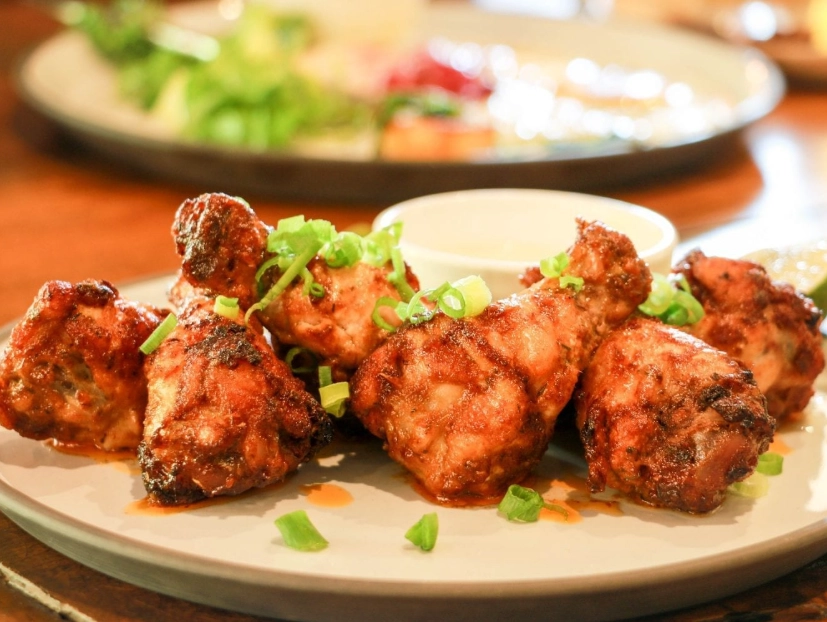
- For active individuals or those needing more iron: Dark meat can be a fantastic, nutrient-dense choice. The extra fat provides sustained energy.
- For strict low-fat or low-calorie diets: Skinless white meat might be the preferred choice to hit specific macros. But here's a pro tip: choose skinless dark meat. Removing the skin slashes a huge amount of the fat and calories, leaving you with that flavorful, juicy, and mineral-rich meat. It's a great middle ground.
- For everyone else: It's about balance. Including both types of meat in your rotation is a smart way to get a variety of nutrients. Don't fear the dark meat. Just be mindful of portions and how it's cooked (more on that next).
The Harvard T.H. Chan School of Public Health Nutrition Source emphasizes that the quality of your overall dietary pattern matters more than fixating on single nutrients like the saturated fat in one chicken thigh. Context is everything.
Cooking Dark Meat Chicken: How to Make It Shine
This is where dark meat truly earns its keep in the kitchen. Its forgiving nature makes it ideal for home cooks of all levels. The key is to respect its properties.
Golden Rules for Juicy Dark Meat
- Embrace the Skin (Sometimes): For roasting or pan-searing, leave the skin on. It crisps up into the most delicious crackling and protects the meat underneath from drying out. You can always remove it after cooking if you don't want to eat it.
- Don't Fear Higher Heat or Longer Cook Times: Unlike breast meat that turns to cardboard past 165°F (74°C), dark meat has more collagen and fat that need time to break down and render. It's actually best when cooked to a higher internal temperature—somewhere between 175°F and 185°F (79°C-85°C). This renders the fat, melts the connective tissues, and makes it fall-off-the-bone tender. Use a meat thermometer; it takes the guesswork out.
- Braising is Its Best Friend: Cooking dark meat submerged or partially submerged in liquid (like in a curry, stew, or coq au vin) is a guaranteed path to glory. The moist, low-and-slow environment is perfect for transforming tougher connective tissue into gelatin, resulting in incredible tenderness and flavor infusion.
- Season Aggressively and Early: The thicker muscles benefit from salt penetrating deeply. Don't just sprinkle salt on the surface. Season under the skin if possible, or brine/marinate for deeper flavor.
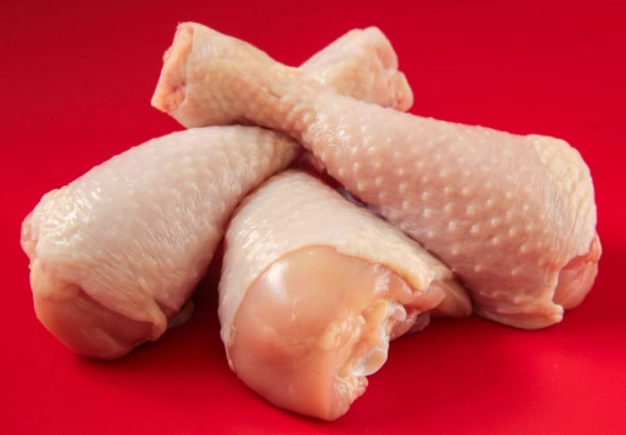
My Go-To Weeknight Trick: Bone-in, skin-on chicken thighs. Pat them dry, season generously. Sear them skin-side down in a cold oven-safe skillet until the skin is golden and crisp. Flip them, throw the whole skillet into a 400°F (200°C) oven for 15-20 minutes. Perfect every single time. The skin is crackling, the meat is juicy, and there's minimal cleanup.
Best Recipes to Try (Where Dark Meat is the Star)
Wondering what is dark meat chicken best used for? Almost everything, but it excels in these dishes:
- Comfort Food Classics: Chicken and dumplings, chicken pot pie, hearty chicken stews.
- Global Favorites: Chicken tikka masala, Thai green curry, Jamaican jerk chicken, Coq au Vin.
- Grill & BBQ Masters: Barbecued chicken legs and thighs (the fat prevents drying out over the flame), yakitori.
- Simple & Sublime: Roasted with root vegetables, pan-seared with a pan sauce, baked with rice (like a chicken biryani or baked rice pilaf).
For fantastic, tested recipe ideas that leverage the power of dark meat, resources like Serious Eats often dive deep into the science of why certain cuts work best, which I find super helpful.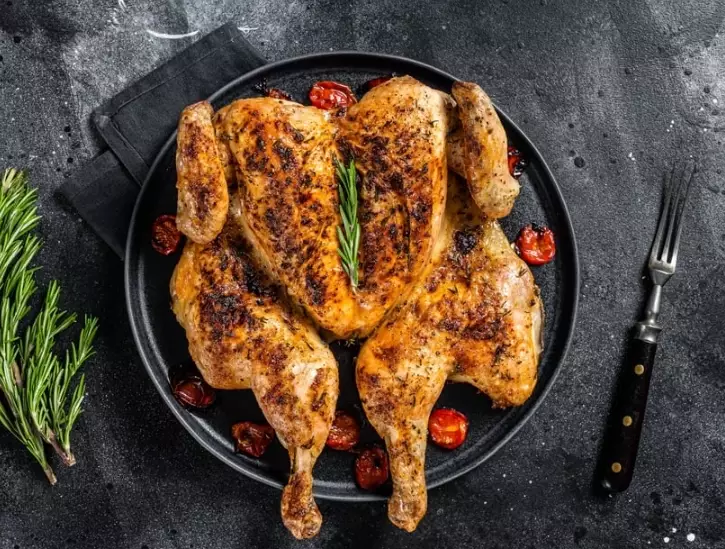
Answering Your Burning Questions About Dark Meat Chicken
A Few Parting Thoughts (From One Cook to Another)
Understanding what dark meat chicken is fundamentally changes how you shop and cook. It's not a mystery cut or a second-class citizen. It's a purposeful, flavorful, and resilient part of the bird that deserves a permanent spot in your kitchen repertoire.
It’s the cut that taught me to relax a little in the kitchen. You don't need to babysit it. You don't need to panic about a perfect temperature window. It rewards patience and bold flavors. In a world of overly processed foods, it's a straightforward, whole-ingredient source of protein that tastes deeply satisfying.
The Bottom Line: Next time you're at the store, grab a pack of chicken thighs. Roast them simply with salt, pepper, and olive oil. Taste that juicy, flavorful result. You'll have answered the question "What is dark meat chicken?" in the best way possible—by experiencing it.
And if anyone gives you side-eye for choosing the dark meat, just smile knowingly. You're in on the secret now.
Related Articles

![Why is it considered [false] even though there is a contract and there is a tran](/images/870a5535509ff5816d8b14e19f68b56c.png "Why is it considered [false] even though there is a contract and there is a tran")