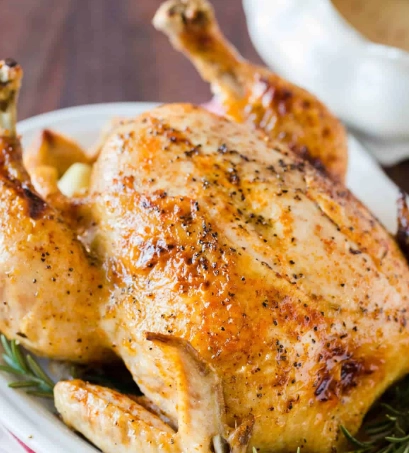
Perfect Roasted Chicken and Vegetables: A Foolproof One-Pan Recipe
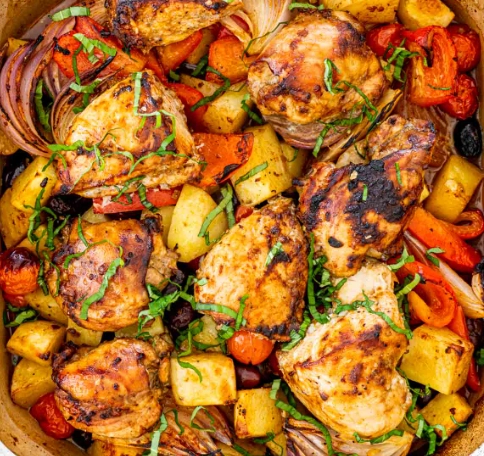
Let's be honest. We've all seen those glossy food magazine pictures of golden-brown roasted chicken nestled against a bed of caramelized vegetables. It looks simple, wholesome, and utterly delicious. Then you try it at home, and somehow the chicken is dry, the potatoes are rock-hard, and the broccoli is burnt to a crisp. What gives?
I've been there. After a decade of testing recipes in my home kitchen (and yes, serving a few disappointing dinners), I've cracked the code. Roasted chicken and vegetables isn't just a meal; it's a system. Get the system right, and you have a foolproof, healthy, and incredibly satisfying dinner that works for busy weeknights and casual weekend gatherings alike.
The magic lies in understanding the interplay between protein, starch, and fiber under high heat. It's not about following a rigid recipe, but mastering a few flexible principles.
What’s Inside This Guide
Why This Dish is the Ultimate Weeknight Winner
Think about what you want from a Tuesday night dinner. It needs to be minimal cleanup (one pan, please), nutritious, and taste like you put in more effort than you did. Roasted chicken and vegetables checks every box.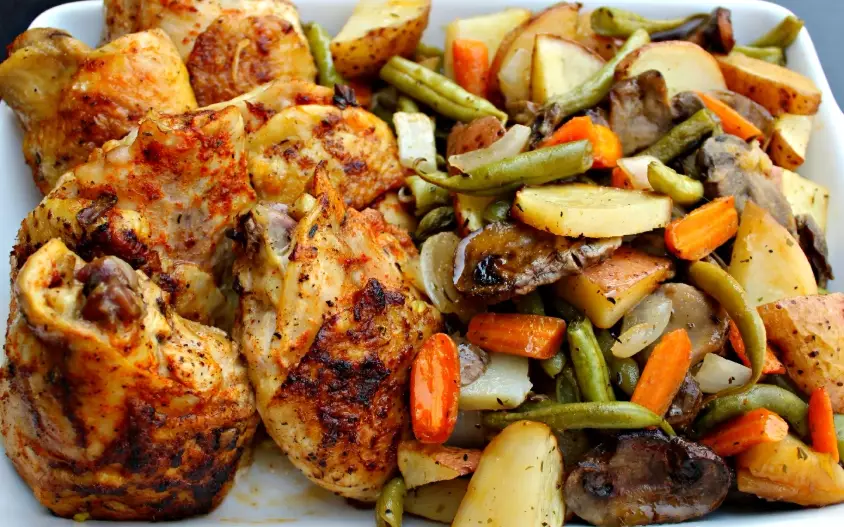
From a nutritional standpoint, you're getting a complete package. Lean protein from the chicken keeps you full. The vegetables deliver fiber, vitamins, and antioxidants. When roasted, vegetables like carrots and bell peppers actually have higher levels of certain antioxidants, like beta-carotene, according to research highlighted by sources like the Journal of Agricultural and Food Chemistry. You're also controlling the sodium and fat—unlike takeout or pre-made meals.
But the real win is the flavor transformation. High, dry heat does something magical. It concentrates the natural sugars in vegetables, creating deep, sweet caramelization. Chicken skin turns crackling-crisp, sealing in juicy meat. It's alchemy in your oven.
Your Step-by-Step Guide to Foolproof Results
Forget vague instructions. Here’s the exact framework I use. This isn't a single recipe; it's your blueprint.
1. The Foundation: Choosing Your Ingredients
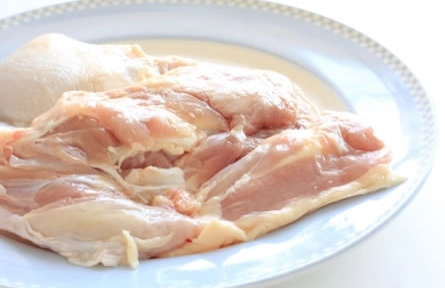
The Chicken: This is the most critical choice. Bone-in, skin-on chicken thighs are the undisputed champion for one-pan roasting. The bone insulates the meat, preventing overcooking, and the fat from the skin and bone bastes the chicken and drips onto the veggies. Chicken breasts? They're a trap for dryness in this application. If you must use them, brine them first or add them later.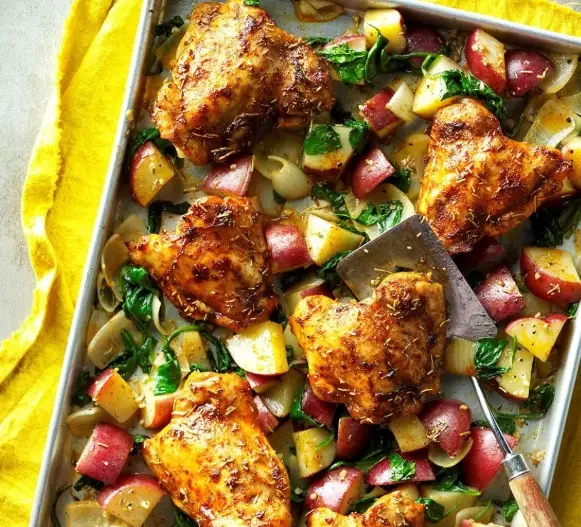
The Vegetables: You need a mix that roasts evenly. Think in terms of density.
- Hard/Root Veggies (45+ mins): Potatoes (any kind), carrots, parsnips, turnips, onions, beets. Cut into 1-inch chunks.
- Medium Veggies (25-35 mins): Broccoli, cauliflower, bell peppers, fennel, cabbage wedges.
- Quick Veggies (10-15 mins): Asparagus, cherry tomatoes, zucchini, green beans.
2. The Prep: Where Most Go Wrong
Dry Everything. Pat the chicken skin and the washed vegetables bone-dry with paper towels. Water is the enemy of browning. It creates steam.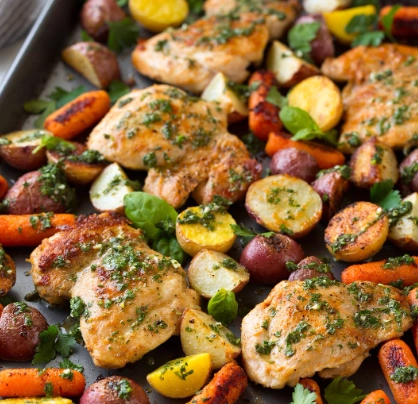
Cut Evenly. This isn't just for looks. Uniform pieces ensure everything finishes at the same time. A 1-inch cube of potato and a 1-inch cube of carrot will roast at roughly the same rate.
Season Aggressively. Don't be shy. Salt and pepper are non-negotiable. For the vegetables, toss them in a bowl with a high-smoke-point oil (avocado, refined olive oil), salt, pepper, and maybe some dried herbs like thyme or rosemary before they hit the pan. Season the chicken separately, getting salt under the skin if you can.
3. The Roast: Temperature & Timing Strategy
Preheat your oven to 425°F (220°C). This high heat is key for browning. Use a large, rimmed baking sheet. Don't crowd the pan. If everything is piled on top of each other, it will steam. Use two pans if needed.
Start the hard vegetables first. Spread your potatoes, carrots, etc., on the pan and roast for 15 minutes alone. This gives them a head start.
Add the chicken and medium veggies. Nestle the chicken thighs, skin-side up, among the part-cooked vegetables. Scatter your broccoli or cauliflower around. Return to the oven.
The Final Touch. With about 10-15 minutes left, add your quick-cooking veggies like asparagus or cherry tomatoes.
Total cook time is usually 45-55 minutes. The chicken is done when a thermometer inserted into the thickest part (avoiding bone) reads 165°F (74°C). The vegetables should be tender and browned.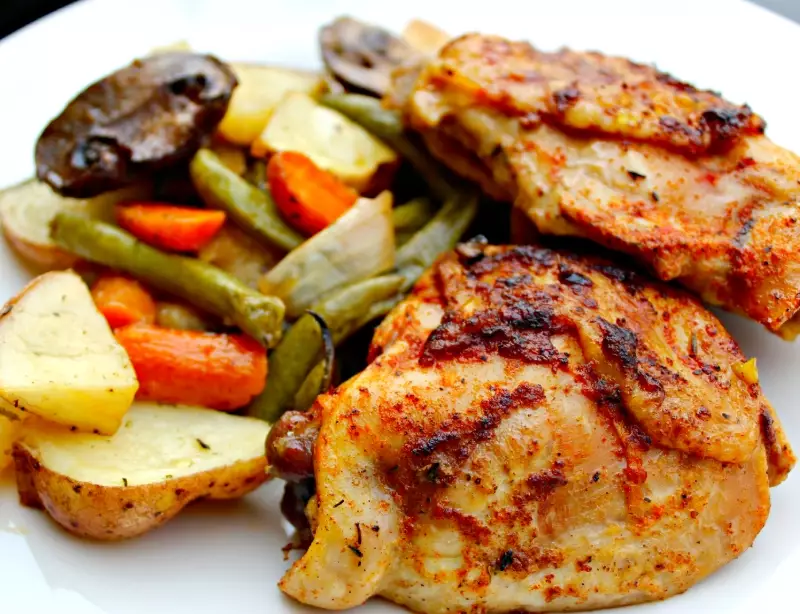
Pro Tips & The Mistakes Almost Everyone Makes
Here’s where that "10 years of experience" comes in. These are the subtle things that separate a good roast from a great one.
Don't Toss Veggies in Oil on the Pan. Do it in a bowl. You'll use less oil and get more even coverage. Uneven oiling leads to some pieces burning while others steam.
Let the Chicken Rest. When you pull the pan out, tent the chicken loosely with foil and let it sit for 5-10 minutes. This allows the juices, which have rushed to the surface, to redistribute back throughout the meat. Cut into it immediately, and all those juices end up on your cutting board.
The "Crispy Skin" Secret: Ensure the chicken skin is very dry before seasoning. A tiny sprinkle of baking powder (just 1/4 tsp for 4 thighs) mixed with the salt can work wonders by raising the skin's pH and promoting blistering, crisp skin. It's a restaurant trick that works at home.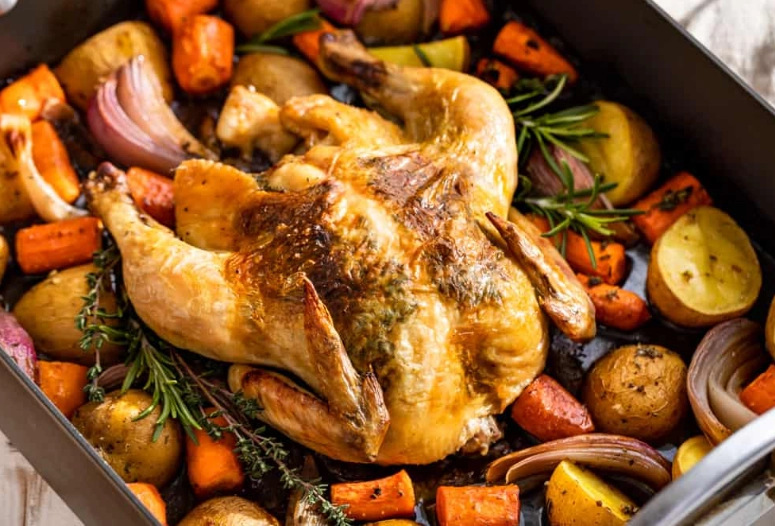
Avoid Non-Stick Pans for the Best Browning. A heavy-duty, light-colored aluminum or stainless steel sheet pan promotes better browning than a dark non-stick one, which can sometimes inhibit maillard reaction (the browning process).
Endless Variations: Swap and Customize
The blueprint is infinitely adaptable. Stuck with what's in your fridge? Use this swap guide.
Vegetable Swaps:
- Instead of potatoes: Sweet potato cubes, whole garlic cloves (they turn sweet and spreadable), or cubed butternut squash.
- Instead of broccoli: Romanesco cauliflower, Brussels sprouts (halved), or thick slices of cabbage.
- Instead of carrots: Parsnips, golden beets, or chunks of celery root.
Flavor Profile Overhauls:
- Mediterranean: Use lemon juice, oregano, and olives. Add cherry tomatoes and artichoke hearts at the end.
- Asian-Inspired: Marinade chicken in soy sauce, ginger, and a touch of honey. Use bok choy, shiitake mushrooms, and snap peas.
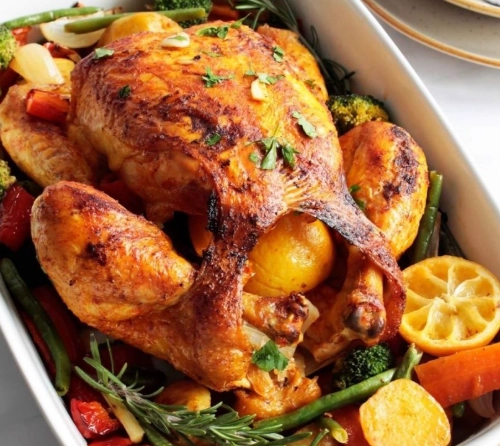
- Herb & Garlic: Load up on fresh rosemary, thyme, and whole, unpeeled garlic cloves. The garlic roasts into a sweet paste.
The Real Health & Nutrition Benefits
This isn't just "healthy" because it has vegetables. When done right, it's a nutritional powerhouse with practical benefits.
You're looking at a meal high in protein (from the chicken), complex carbohydrates and fiber (from the root vegetables and cruciferous veggies), and healthy fats (from the cooking oil and chicken skin, if you eat it). It's a balanced plate model in one dish.
Roasting preserves more water-soluble vitamins like Vitamin C than boiling. And as mentioned, the caramelization can increase the availability of certain antioxidants.
For specific diets:
- Gluten-Free: Naturally compliant.
- Dairy-Free: Easily made without any dairy.
- Low-Carb/Keto: Focus on non-starchy vegetables like broccoli, cauliflower, zucchini, and peppers. Use more chicken thighs for fat.
- Meal Prep Friendly: This dish reheats beautifully and can be portioned out for 3-4 days of lunches.
Your Roasted Chicken & Veg Questions, Answered
Can I use frozen vegetables for roasted chicken and vegetables?
How do I prevent my chicken from drying out while the vegetables roast?
What's the best oil for roasting chicken and vegetables at high heat?
How long can I store leftover roasted chicken and vegetables?
So there you have it. More than just a recipe, it's a reliable method for a fantastic meal. It’s about understanding the why behind each step. Once you do, you’ll never look at a sheet pan and a pack of chicken thighs the same way again. It’s the closest thing to a guaranteed delicious, healthy dinner I’ve found. Now go preheat that oven.
Related Articles