Ultimate Baked Chicken and Vegetables: Easy, Healthy One-Pan Meal
I remember the first time I tried to make baked chicken and vegetables. It was a Tuesday, I was tired, and I thought throwing everything on a pan and forgetting it sounded genius. The result? Soggy zucchini, undercooked potatoes, and chicken so dry it could have doubled as a hockey puck. Sound familiar? That's because most recipes gloss over the tiny details that make or break this simple dish. After a decade of testing (and yes, failing), I've nailed down a system that delivers juicy chicken and perfectly roasted vegetables every single time. Let's get into it.
What’s Inside This Guide?
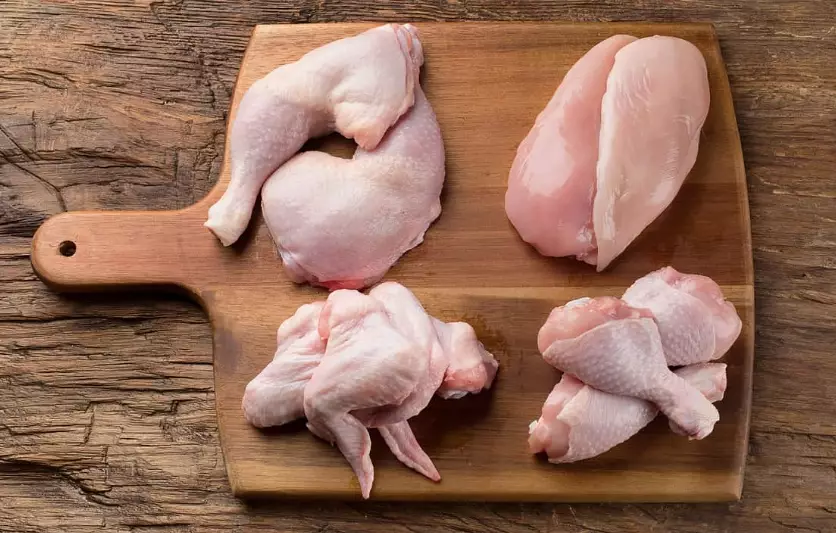
How to Choose the Right Chicken Cuts for Baking
This is where most people go wrong right off the bat. You can't just grab any pack of chicken and expect greatness. The cut dictates everything—cooking time, juiciness, and how it plays with your veggies.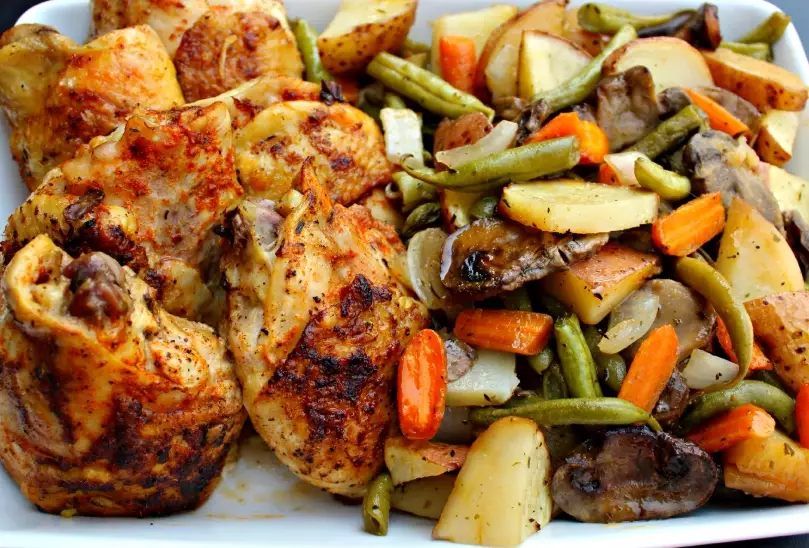
Bone-in, skin-on chicken thighs are the undisputed champion for one-pan baking. Here's why: the bone acts as a heat conductor, cooking the meat evenly from the inside, while the skin renders fat that bastes the chicken and crisps up your vegetables. It's self-basting magic. They're also forgiving; a few extra minutes won't turn them into leather.
Chicken breasts? They're the high-maintenance option. Lean and prone to drying out, they demand precision. If you insist on breasts, go for bone-in, skin-on. The bone and skin offer some protection. Boneless, skinless breasts should be pounded to an even thickness and added to the pan later than dense vegetables, or you'll end up with sawdust.
Drumsticks and wings are great for casual meals. They cook relatively quickly and have fantastic flavor. A whole spatchcocked chicken is a showstopper for a crowd, but it requires a larger pan and more strategic veggie placement.
My go-to combo: A mix of thighs and drumsticks. The thighs provide that rich, juicy depth, and the drumsticks are fun to eat. It keeps things interesting.
What Vegetables Work Best for Baking with Chicken?
Not all vegetables are created equal in a hot oven. You need ones that can hold their own against chicken drippings and extended cooking times without turning to mush.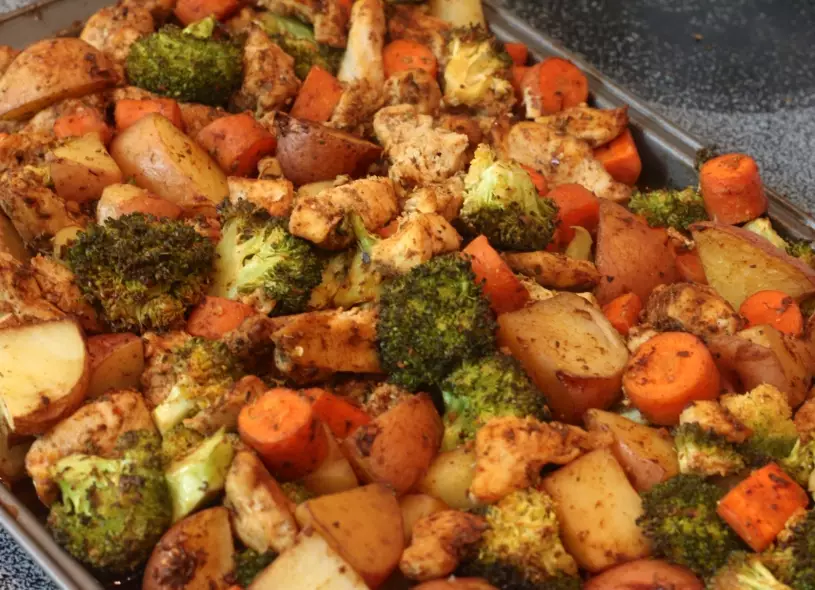
Root vegetables are your best friends. Potatoes (any kind), carrots, parsnips, sweet potatoes, and beets. They're dense, sweeten as they roast, and their cooking time aligns well with chicken thighs. Cut them into 1 to 1.5-inch chunks. Any smaller, and they'll burn before the chicken is done.
Cruciferous vegetables are solid contenders. Broccoli, cauliflower, and Brussels sprouts. They develop delicious caramelized edges. The trick? Cut the florets large and add them during the last 20-25 minutes of cooking. Toss them right in the chicken fat that's already on the pan. Perfection.
The tender vegetables require a delicate touch. Zucchini, bell peppers, mushrooms, asparagus, cherry tomatoes. These are water-heavy and cook fast. If you put them in at the start, you'll get a pan of soup. Add them in the final 10-15 minutes. They'll soak up flavor and soften just right.
Here’s a quick reference table I use all the time:
| Vegetable Type | Examples | When to Add to Pan (with bone-in thighs) | Cutting Tip |
|---|---|---|---|
| Root Vegetables | Potatoes, Carrots, Parsnips | At the start (cook 40-50 mins) | 1-1.5 inch chunks |
| Cruciferous | Broccoli, Cauliflower, Brussels Sprouts | Last 20-25 minutes | Large florets / halved sprouts |
| Tender & Watery | Zucchini, Bell Peppers, Mushrooms | Last 10-15 minutes | Large chunks or slices |
The One Mistake Everyone Makes with Vegetables
Crowding the pan. You want a single layer with a little space between pieces. If they're piled on top of each other, they'll steam instead of roast. You lose that crucial caramelization. If your pan is small, use two pans or roast in batches. It's worth the extra dish.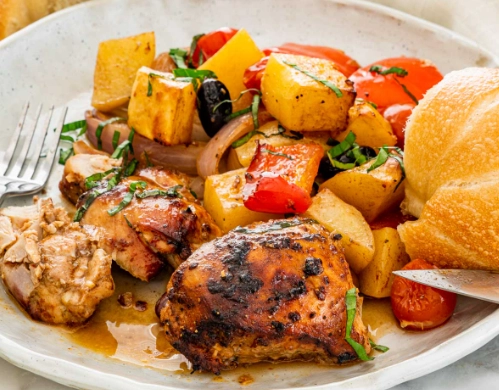
The Flavor Secrets Beyond Salt and Pepper
Salt and pepper are the foundation, but the house you build on it can be incredible. The key is layering flavors.
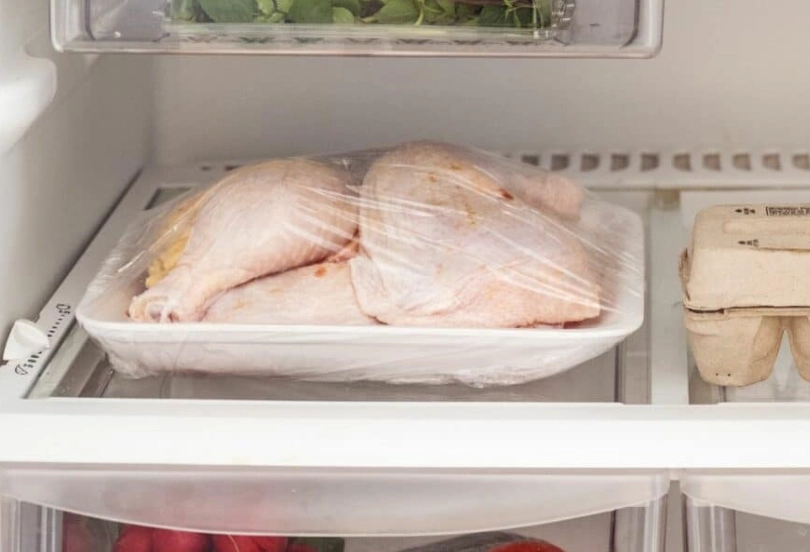
Dry brine your chicken. This is my non-negotiable pro tip. The night before (or even just an hour before), pat your chicken dry and rub it generously with kosher salt. Leave it uncovered on a rack in the fridge. The salt draws out moisture, which then dissolves the salt and gets reabsorbed, seasoning the meat deeply and helping it retain juices during cooking. The skin also dries out, leading to ultimate crispiness.
Fat is flavor transport. Don't just drizzle oil on the veggies. Toss them in a bowl with your fat and seasoning. Good options:
- Olive oil: Classic, fruity.
- Avocado oil: High smoke point, neutral.
- Rendered chicken fat (schmaltz): The ultimate flavor bomb if you have it.
- A mix of oil and melted butter: For richness and browning.
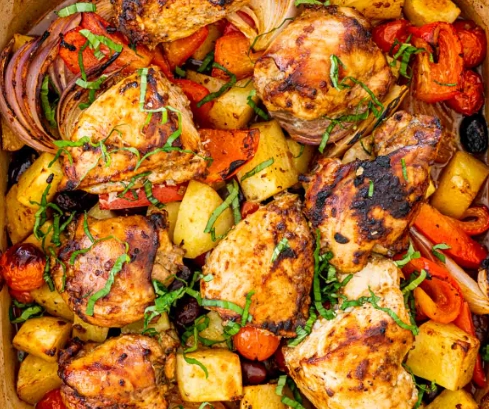
Herbs and aromatics. Fresh rosemary and thyme sprigs can go right under the chicken. They'll perfume everything. Smashed garlic cloves are better than minced—they won't burn and will mellow into sweet, spreadable nuggets. A halved lemon tossed on the pan adds brightness.
Spice blends are your friend. Paprika (smoked or sweet), garlic powder, onion powder, cumin, dried oregano. Mix them into the oil for your vegetables or rub them on the chicken after dry brining.
My current favorite combo? A mix of smoked paprika, garlic powder, and a touch of ground fennel seed on the veggies. With the chicken fat, it creates a sauce in the pan that's unreal.
My Foolproof Step-by-Step Baking Method
Let's put it all together. This method assumes bone-in, skin-on chicken thighs and a mix of root and cruciferous vegetables.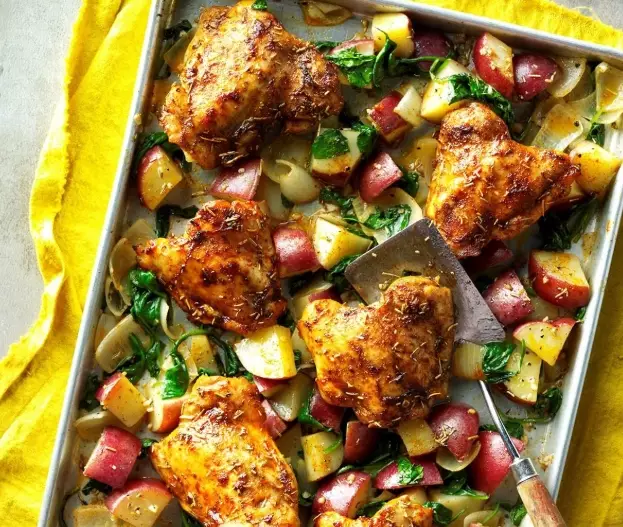
1. Prep and Dry Brine (Night Before or 1 Hour Before): Pat chicken dry. Season all over with kosher salt (about 3/4 tsp per pound). Place on a rack in the fridge, uncovered.
2. Vegetable Prep: Chop your root vegetables into even chunks. Toss in a large bowl with enough oil to coat, salt, pepper, and any dry spices. Leave your quick-cooking veggies aside.
3. Pan and Oven: Use a large, rimmed baking sheet. Line it with parchment paper for easier cleanup (trust me). Preheat your oven to 425°F (220°C). High heat is crucial for browning and preventing steaming.
4. Arrange the Pan: Spread the seasoned root vegetables in a single layer on the pan. Take your chicken out of the fridge, pat the skin dry one more time (this is critical for crisp skin), and place the pieces skin-side up on top of or nestled among the vegetables.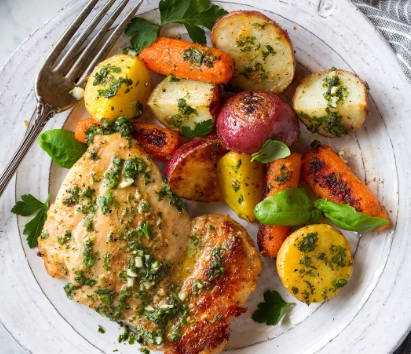
5. The First Roast: Bake for 25 minutes. The chicken skin will start to brown, and the veggies will begin to soften.
6. Add Second Wave Veggies: Carefully remove the pan. Scatter your broccoli or cauliflower florets around the chicken. You can give everything a quick stir/turn if you like. The pan will be sizzling—that's good.
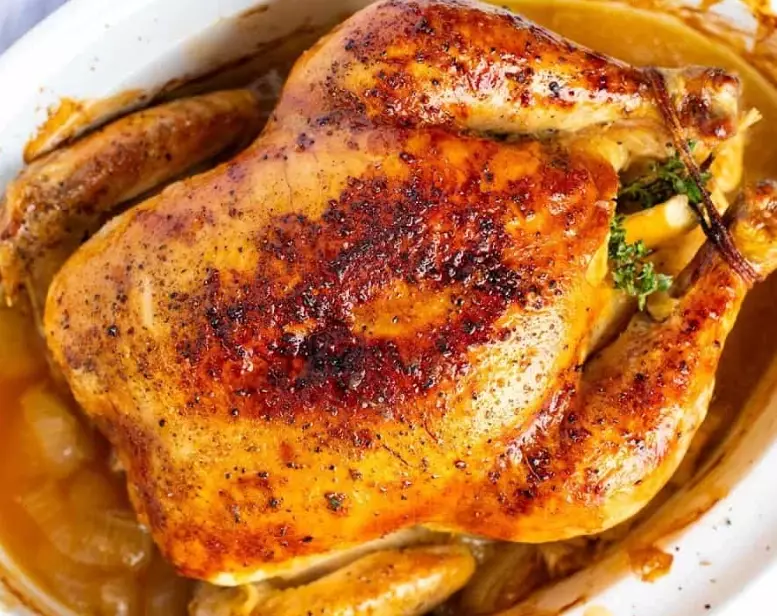
7. Final Roast: Return to the oven for another 20-25 minutes. The chicken should reach an internal temperature of 165°F (74°C) at the thickest part, and the skin should be deep golden and crispy.
8. Rest and Serve: Let the chicken rest on the pan for 5-10 minutes. This lets the juices redistribute. If using any tender veggies like cherry tomatoes, toss them on for the last 5 minutes of resting—the residual heat will wilt them perfectly.
Spoon everything onto plates, making sure to get all those crispy, flavorful bits from the bottom of the pan. That's the best part.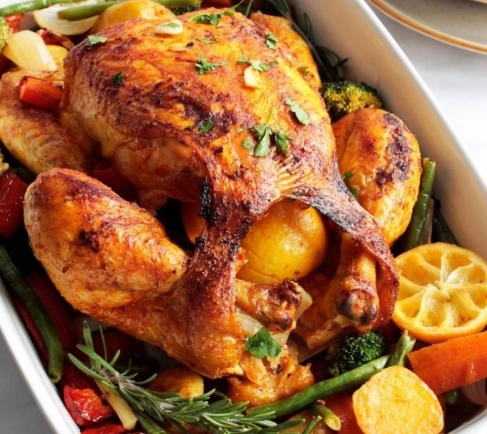
Your Top Baked Chicken Questions, Answered
The beauty of baked chicken and vegetables isn't just in its simplicity; it's in its versatility. Once you understand the principles—choosing the right cuts, staggering your veggies, using high heat, and layering flavors—you never need a recipe again. You can adapt it to what's in your fridge, to your mood, to the season. It becomes a reliable, healthy, and genuinely delicious cornerstone of your cooking routine. So grab a pan, and give it a go. Just remember: dry that chicken skin.
Related Articles