How Long to Thaw Chicken in the Fridge: The Ultimate Guide
You've planned tonight's dinner. The recipe calls for chicken. You pull a rock-solid package from the freezer. Now what? The big question hits: how long to thaw chicken in the fridge? If you're like I was when I started cooking, you might guess. Maybe four hours? Overnight? Two days? Guessing wrong means dinner is delayed, or worse, you risk foodborne illness. After years in the kitchen and learning the hard way a few times, I've nailed down a system that works every single time. Let's cut through the confusion.
What's Inside This Guide
How Long Does It Actually Take?
Forget complex formulas. The USDA recommends allowing about 24 hours of refrigerator thawing for every 5 pounds (2.3 kg) of meat. But who thinks in pounds of chicken when you have a pack of breasts or a whole bird? Let's break it down into the cuts you actually buy.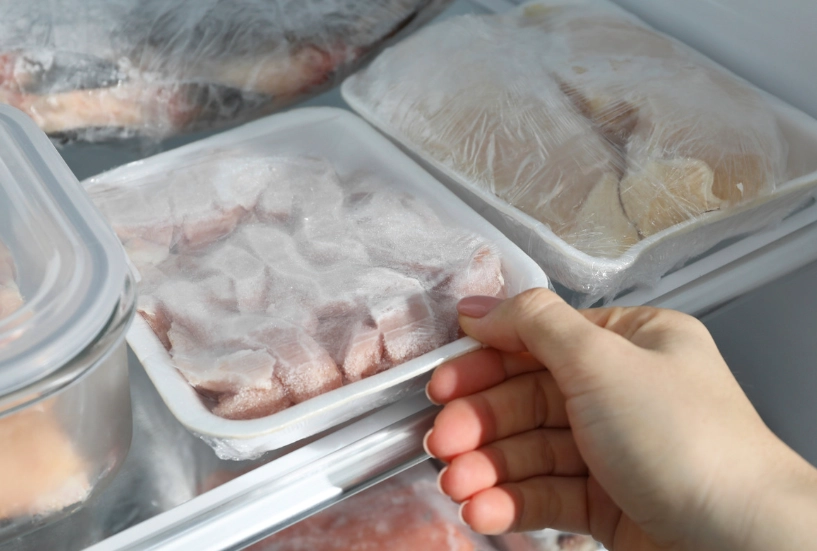
Here’s the practical, real-world guide I keep taped inside my pantry door.
| Type of Chicken | Approximate Weight | Estimated Fridge Thawing Time | Pro Tip |
|---|---|---|---|
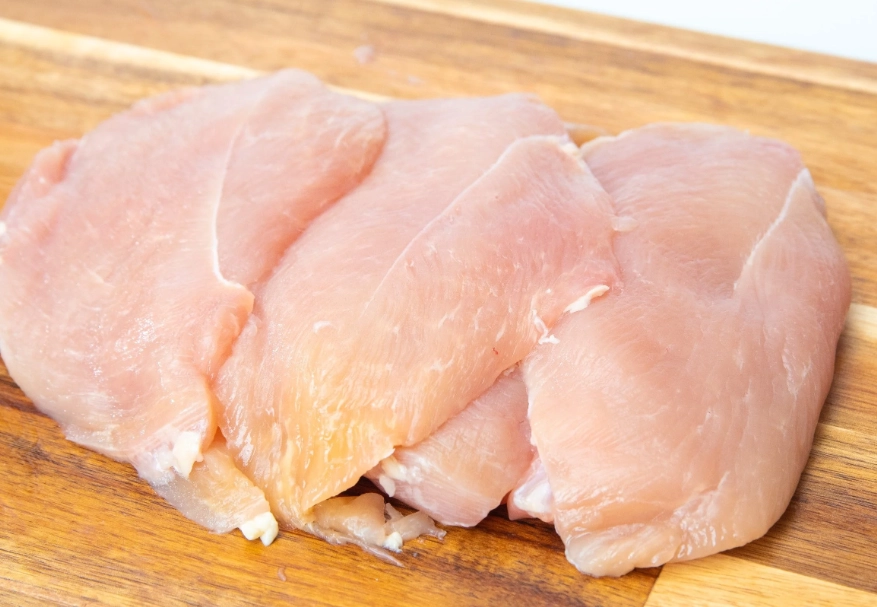
| Boneless, Skinless Chicken Breasts | 4-6 oz each (Pack of 4: ~1.5 lbs) | 6 - 12 hours | Lay them flat in a dish, not stacked, for even thawing. |
| Bone-in Chicken Thighs or Drumsticks | 3-4 oz each (Pack of 6: ~2 lbs) | 8 - 14 hours | Bone slows heat transfer. Give them the longer end of the range. |
| Whole Chicken | 3 to 4 lbs | 24 - 36 hours | Start thawing 2 days before you cook. Place it breast-side down on a tray. |
| Chicken Wings (Party Pack) | 3 to 4 lbs | 12 - 18 hours | Spread them out in a large pan. A crowded bag thaws unevenly. |
| Ground Chicken | 1 lb package | 8 - 12 hours | Thin shape helps. Place the sealed package on a plate. |
See that range? A pack of chicken breasts might be thawed after a workday (6-8 hours), or it might need to sit overnight. The variation depends on your fridge's temperature (is it a packed 37°F or a bare 34°F?), how the package is shaped, and if it's buried behind other items. The golden rule: When in doubt, give it more time. A fully thawed chicken breast can sit safely in your fridge for an extra day before cooking.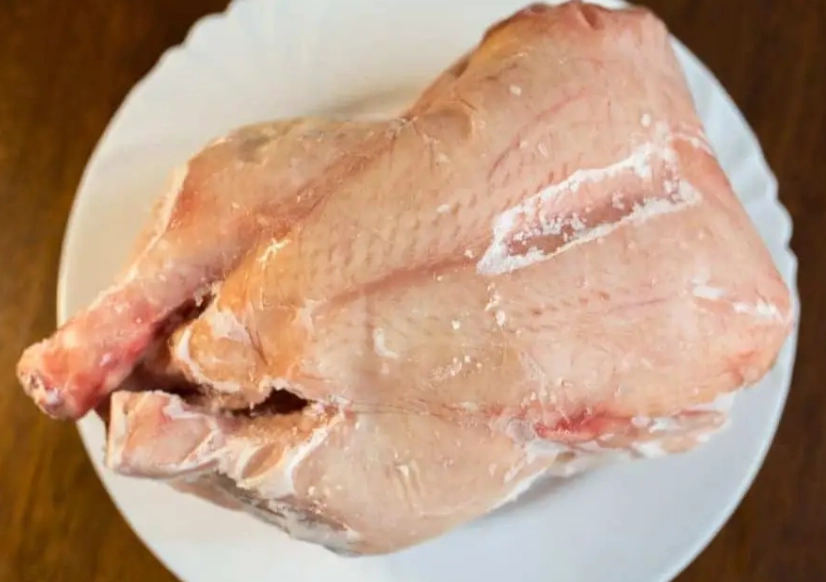
My Personal Rule of Thumb: For standard dinner portions (like a pack of breasts or thighs), I always move it from the freezer to the fridge the night before I plan to cook it. Planning for a ~24-hour window eliminates all stress. For a whole chicken, I move it two nights before. This buffer has saved dinner more times than I can count.
How to Thaw Chicken in the Fridge: The Right Way
It's not just tossing the package on a shelf. A few simple steps make a huge difference in safety and speed.
Step-by-Step Safe Thawing
- Keep It Sealed: Leave the chicken in its original store packaging or your freezer bag. This contains juices and prevents cross-contamination.
- Use a Containment Vessel: Place the sealed package on a rimmed plate, shallow bowl, or in a baking dish. This catches any potential leaks. I learned this lesson after cleaning chicken juice from the bottom of my fridge. Not fun.
- Find the Cold Spot: Place the dish on the bottom shelf of your refrigerator, towards the back. This is the coldest, most consistent area and prevents drips from contaminating foods below.
- Let It Be: Close the door and resist the urge to check every few hours. Every time you open the door, you let warm air in, slowing the process.
The Fridge Temperature is Key
Your fridge should be at or below 40°F (4°C). At this temperature, bacterial growth is slowed to a crawl, allowing for safe, slow thawing. If your fridge is warmer, your times will be shorter, but the safety margin shrinks dramatically. I keep a simple digital thermometer in my fridge to monitor this. It's one of the best kitchen investments under $10.
How to Know It's Done Thawing
You can't always trust the clock. Here's how to check for doneness safely.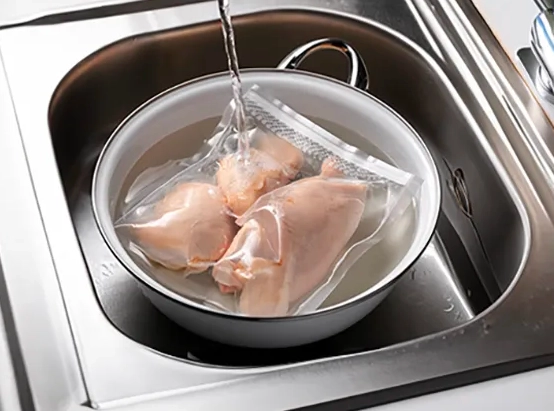
- Touch Test: Press the thickest part of the chicken (through the packaging). It should feel cool but completely pliable, with no hard, icy core. If there's a firm, frozen spot in the center, it needs more time.
- Flex Test (for breasts or cutlets): Try to gently bend the package. Fully thawed meat will bend easily. Frozen or partially frozen meat will resist or feel stiff.
- Juice Check: Look for ice crystals inside the package. If you see slushy ice or solid ice chunks, it's not ready.
A crucial, often missed point: "Thawed" does not mean "ready to cook." The chicken's internal temperature is still fridge-cold, around 34-38°F. For even cooking, especially with larger cuts, let it sit on the counter for 20-30 minutes after thawing to take the chill off. This prevents the outside from overcooking before the inside is done.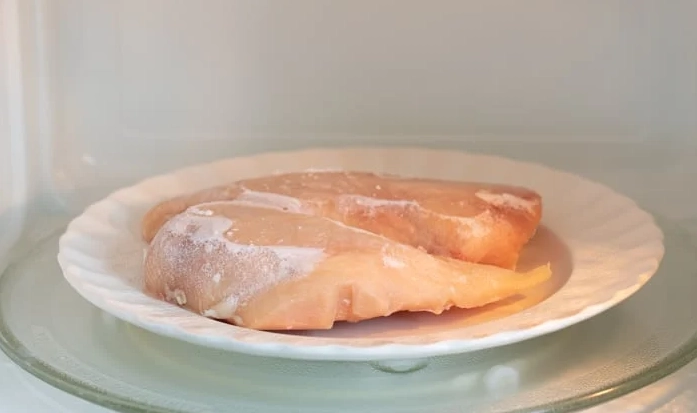
Common Mistakes That Slow You Down (or Are Unsafe)
I've made most of these. Let's save you the trouble.
Mistake #1: Thawing on the Counter. This is the big one. Leaving chicken at room temperature allows the outer layers to enter the "danger zone" (40°F - 140°F) where bacteria multiply rapidly, while the inside is still frozen. The USDA explicitly warns against this. It's a food safety gamble.
Mistake #2: The Overstuffed Fridge. Air needs to circulate for consistent cooling. If you jam the chicken package between leftovers and soda cans, the cold air can't reach it evenly, leading to a partially thawed, partially warm mess.
Mistake #3: Assuming a Quick Thaw. Thinking a 4-pound whole chicken will thaw during your 8-hour workday sets you up for failure. You'll come home to a solid bird and a last-minute pizza order. Plan ahead using the table above.
Mistake #4: Re-freezing Thawed Chicken. If you thawed it in the fridge and your plans change, you can safely refreeze it before cooking it. The quality (texture, juiciness) will degrade because ice crystals damage cells, but it's safe. However, if you thawed it using cold water or the microwave, you must cook it before refreezing. My advice? If you fridge-thaw it, try to cook it. Refreezing is a last resort.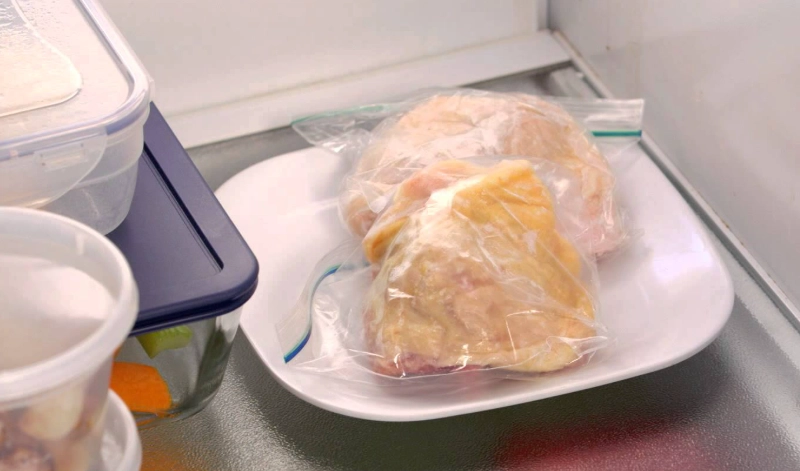
Your Thawing Questions, Answered
I forgot to thaw chicken overnight. Can I speed it up safely for tonight's dinner?
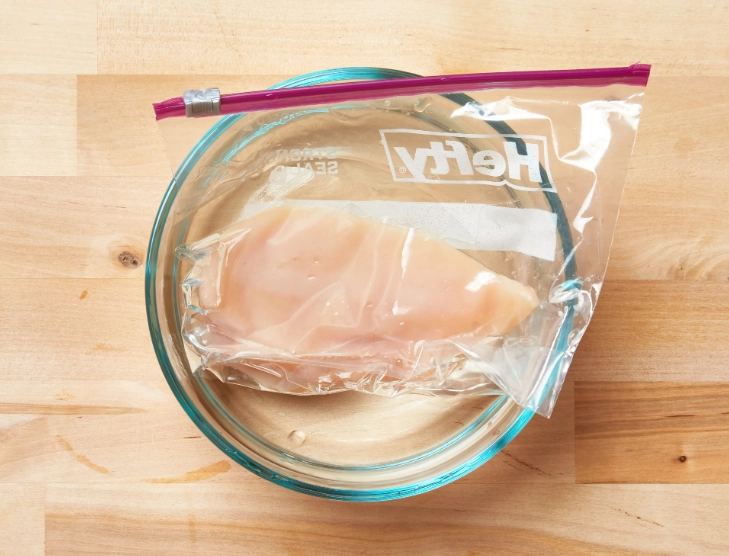
Yes, but not in the fridge. The safe alternative is the cold water thaw method. Keep the chicken in a leak-proof bag, submerge it in a bowl of cold tap water, and change the water every 30 minutes. This cuts thawing time to about 1-2 hours for a pound of breasts. It requires more attention but is USDA-approved. Do not use warm water—it's unsafe.
Can I cook chicken directly from frozen?
You can, but you must adjust your method. Baking or roasting from frozen requires roughly 50% more cooking time, and the outside may dry out before the inside is safe. It's not ideal for most recipes. The best method for cooking from frozen is using a slow cooker or an Instant Pot, following a recipe specifically designed for frozen meat. For pan-searing or grilling, thawing first is non-negotiable for good results.
How long can thawed chicken stay in the fridge before cooking?
Once fully thawed in the refrigerator, raw chicken should be cooked within 1 to 2 days. Check the color and smell. Fresh, raw chicken has a pinkish color and a mild smell. If it looks grayish, feels slimy, or has a sour or ammonia-like odor, discard it immediately. The "use by" date on the original packaging is void once you freeze it, so go by the 1-2 day rule after thawing.
Does vacuum-sealed chicken thaw faster?
It can, but only slightly. The main benefit of vacuum-sealed chicken is no freezer burn and a tighter package that transfers cold water more efficiently if you use the water method. In the fridge, the difference is minimal. The real advantage is quality preservation.
My chicken is thawed but feels tough or has a strange texture. Is it bad?
Not necessarily "bad" from a safety perspective, but likely a victim of poor freezing technique. If chicken is frozen too slowly (like in a home freezer without a "fast freeze" function), large ice crystals form and rupture the muscle fibers. This leads to a mushy or tough texture when thawed. It's still safe to cook if it smells fine, but the eating quality is compromised. For best results, freeze chicken in thin, flat packages and use it within 3-6 months.
The bottom line is simple. Planning is everything. Use the 24-hour-per-5-pounds rule as your foundation, adjust for your specific cut using the guide, and always err on the side of giving it more time in the fridge. This method is safe, reliable, and ensures your chicken is in the best possible condition for whatever delicious recipe you have planned. No more guesswork, no more dinner delays, just perfectly thawed chicken ready for the pan.
Related Articles