Your Complete Guide to Buying, Storing & Preparing Raw Chicken Wings
Wing Night Quick Nav
Let's be honest. Most recipes and cooking shows jump straight to the fun part – the sizzle, the sauce, the glorious mess of eating. They breeze right past that crucial first step: the raw chicken wings sitting in your fridge or on the grocery store shelf.
But that's where the magic (or the mistakes) really begin. Getting the raw stage right is what separates a fantastic, safe meal from a disappointing or, worse, risky one. I learned this the hard way a few years back. I bought a pack of chicken wings raw on sale, tossed them in the back of the fridge, and forgot about them for a few days longer than I should have. Let's just say the smell when I opened the package was... educational. Not my finest moment.
So, let's fix that. Whether you're a meal prep pro, a weekend grill master, or someone just trying to figure out what to do with that tray from the supermarket, this guide is for you. We're going deep on the unsung hero of wing night: the raw chicken wing itself.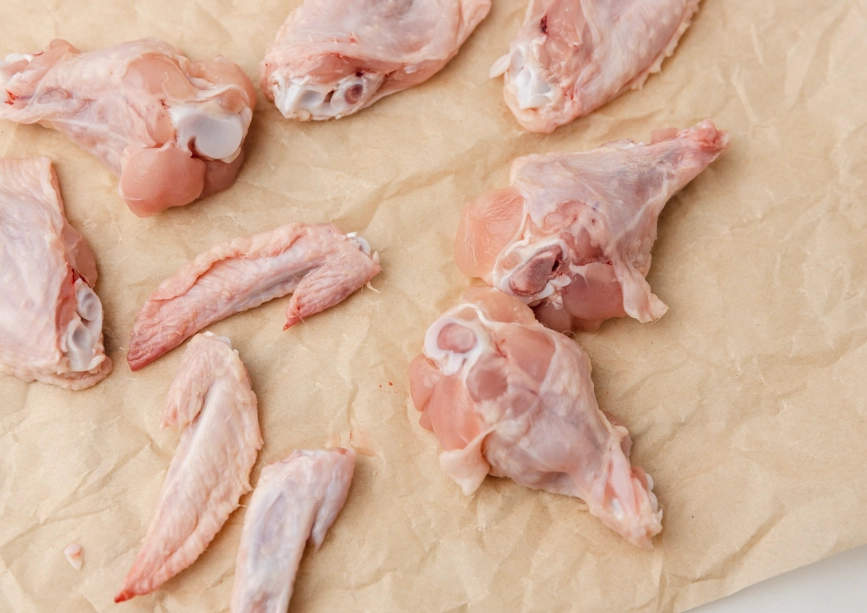
First Things First: What Are You Actually Buying?
You stroll down the poultry aisle and see a dozen options. Whole wings, party wings, drumettes, flats. Prices are all over the place. What's the deal?
A whole raw chicken wing has three parts: the drumette (the little drumstick-looking piece), the flat or wingette (the middle, two-bone section), and the tip (the pointy end, often removed). When you see "party wings" or "wingettes and drumettes," that means the tips are gone and the wing is already separated into the two main eating sections. It's a convenience thing – you pay a bit more, but you save on prep time and waste.
Here's a quick breakdown of what you'll find:
| Type | What It Is | Best For | My Take |
|---|---|---|---|
| Whole Raw Wings | The entire wing, tip attached. | Budget-friendly cooking, making stock from tips. | Cheapest option, but requires you to do the cutting. I don't mind it if I have time. |
| Pre-Cut "Party" Wings | Drumettes and flats, tips removed. | Convenience, grilling, frying, easy serving. | The go-to for most people. The extra cost is usually worth the saved hassle. |
| Jumbo Wings | Larger wings, often from bigger birds. | When you want a meatier bite. | Can be great, but sometimes the skin-to-meat ratio feels off. They don't always crisp as evenly. |
| Air-Chilled vs. Water-Chilled | Processing method. Air-chilled birds are cooled with air, not water baths. | Better browning, crispier skin, more concentrated flavor. | This is my personal splurge. The difference in skin texture after cooking is noticeable. Less water also means you're not paying for absorbed liquid. |
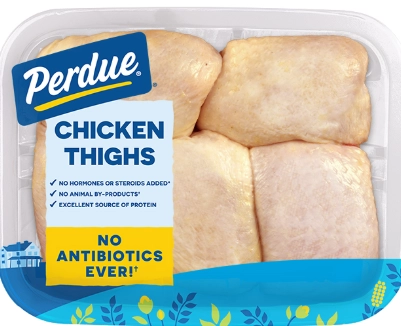
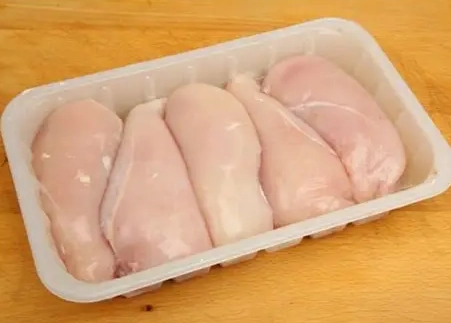
How can you tell if raw chicken wings are good when you're staring at the package? Look for meat that's pinkish and firm. The skin should be creamy white or slightly yellow, not gray or green. There shouldn't be any dried-out patches or excessive liquid pooling in the tray – a little moisture is normal, but a swimming pool is a red flag.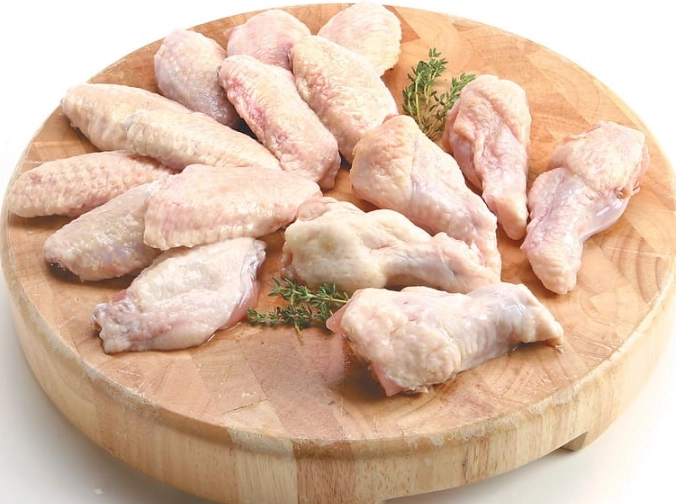
The Safety Dance: Handling Raw Chicken Wings
This is the part we can't skip. Raw poultry carries bacteria like Salmonella and Campylobacter. It's not about fear, it's about smart habits. The CDC is pretty clear that poultry is a common source of foodborne illness, but proper handling makes it perfectly safe.
The golden rule? Keep raw chicken wings and their juices away from everything else. That means dedicated cutting boards (plastic or non-porous is easier to sanitize than wood for this task), knives, and plates.
I have a specific, ugly red cutting board I use only for raw meat. It's not pretty, but it prevents cross-contamination with my veggies. Wash your hands with soap and water before and after handling. It sounds basic, but you'd be surprised how many people just give them a quick rinse.
How can you tell if raw chicken wings have gone bad? Trust your senses. The smell is the biggest giveaway. Fresh raw chicken has a very mild, almost neutral smell. Spoiled chicken wings raw will have a distinct, sour, ammonia-like, or just plain foul odor. It's unmistakable. Visually, look for a color change to gray or greenish, and a texture that's become slimy or tacky to the touch. If in doubt, throw it out. A few dollars for a new pack isn't worth the risk.
Raw Chicken Wings and Your Health
Beyond food safety, people often have questions about nutrition. Chicken wings raw are a mix of protein, fat, and a bit of collagen from the joints and skin.
The skin is where most of the fat is. If you're watching fat intake, removing the skin before cooking is an option, but you lose that crispy texture and a lot of flavor. Personally, I think a wing without the skin is a sad thing, so I'd rather eat fewer wings and enjoy them fully. It's about balance.
They're a good source of protein, which is essential for building and repairing tissue. As with any meat, cooking them thoroughly is non-negotiable for safety. The safe internal temperature for all poultry, as verified by the USDA, is 165°F (74°C). Use a good instant-read thermometer. Insert it into the thickest part of the drumette or flat, avoiding the bone.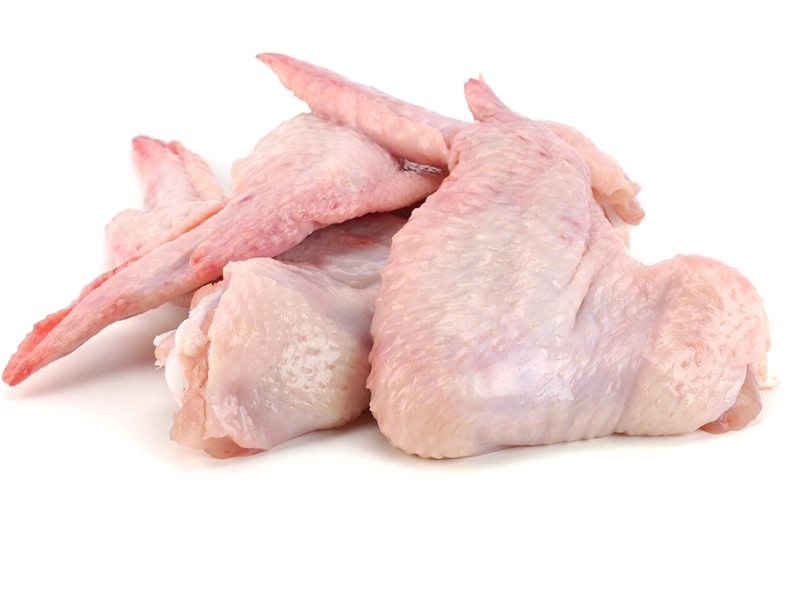
Answering Your Burning Questions (Before the Wings Burn)
From Raw to Ready: Choosing Your Path
Once your raw chicken wings are prepped, the world is your oyster (or your buffalo sauce). The preparation you did on the raw product directly impacts the success of these methods.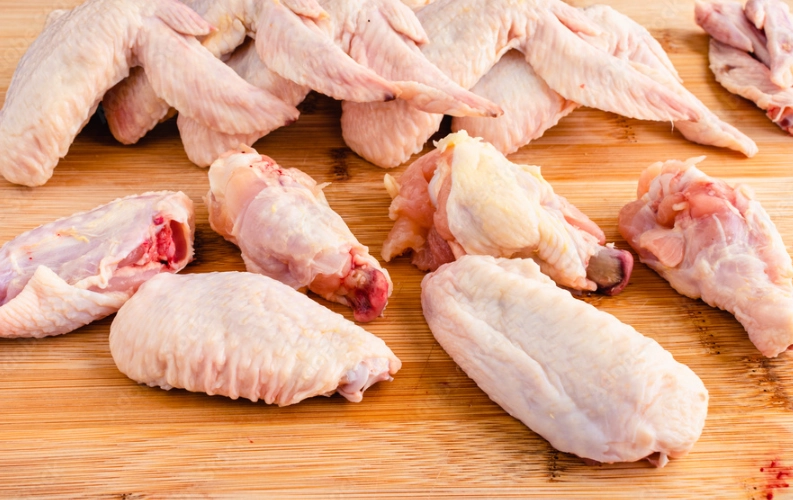
Here's my totally subjective ranking of cooking methods, based on flavor and crispiness:
- Deep Frying: The classic. Delivers the ultimate crispy skin and juicy interior. The downside? It's a messy, smelly process with a lot of oil to deal with. A splatter screen is mandatory for my sanity.
- Baking/Roasting (with the baking powder trick): My weeknight hero. If you pat the wings dry and use a bit of baking powder in your seasoning, you can get shockingly close to fried texture without the vat of oil. Crank your oven high (425°F+). Use a wire rack on a baking sheet for air circulation.
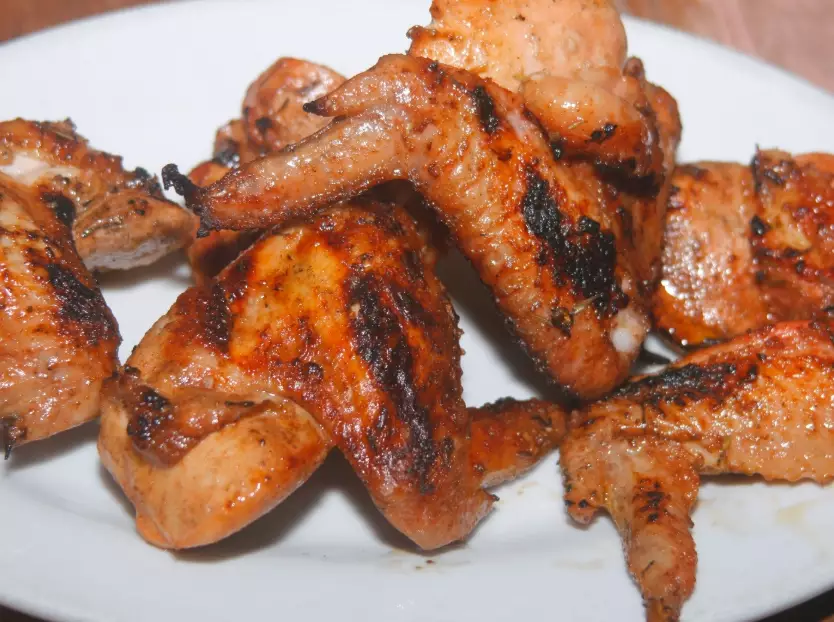
- Grilling: Fantastic smoky flavor. The key is indirect heat. Sear them over direct flame for a minute or two for marks, then move to a cooler part of the grill to cook through without burning the skin. It requires a bit more attention.
- Air Frying: The modern convenience king. It works very well, especially for smaller batches. It's essentially a powerful convection oven. You still need to pat the wings dry. They won't be quite as shatteringly crisp as deep-fried, but they're excellent with minimal oil and cleanup.
No matter which method you choose, that foundation of starting with good-quality, properly handled, and thoroughly dried raw chicken wings is what sets you up for a win.
So next time you pick up a pack of chicken wings raw, you'll see them not just as an ingredient, but as the first step in a process you've totally got under control. From the store cooler to the plate, you're in charge. Now go get 'em.
Related Articles