Perdue Frozen Chicken: The Complete Honest Review & Buying Guide
In This Article
- Who Is Perdue, Anyway? A Quick Look at the Brand Behind the Bag
- The Perdue Frozen Chicken Lineup: What's Actually in the Freezer Section?
- Cooking Perdue Frozen Chicken: Tips You Won't Find on the Bag
- Taste & Quality: The Real-World Review
- Price & Value: Is It a Good Deal?
- Answering Your Questions (The FAQ You Actually Care About)
- The Final Verdict: Who Should Buy Perdue Frozen Chicken?
So you're standing in the frozen aisle, staring at the wall of options, and your hand hovers over the bag of Perdue frozen chicken. You've seen the commercials, you know the name, but you're not quite sure. Is it any good? How does it compare to fresh? What's the best way to cook it? I had all the same questions.
I've been down this road more times than I can count. Trying to get a decent meal on the table without spending a fortune or half the night in the kitchen. Frozen chicken seems like a lifesaver, but it can also be a total letdown—rubbery texture, no flavor, swimming in ice crystals. Not exactly appetizing.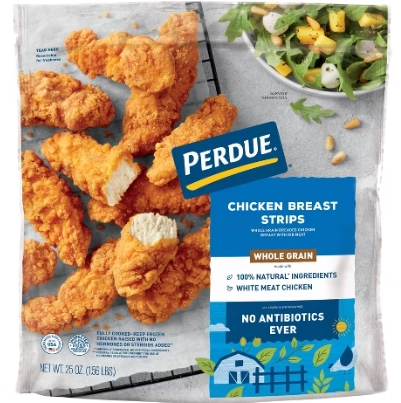
Let's cut through the marketing and get real about Perdue frozen chicken. This isn't just a quick glance. We're going to dig into what you actually get, line by line, product by product. I've cooked my way through a good chunk of their frozen lineup (my freezer can attest to that), and I'm here to give you the straight talk. No fluff, just what you need to know before you buy.
Who Is Perdue, Anyway? A Quick Look at the Brand Behind the Bag
You can't really talk about the chicken without knowing a bit about the company. Perdue Farms isn't some new kid on the block. Frank Perdue started this thing back in 1920, and it's grown into one of the biggest names in poultry in the U.S. That's over a century of being in the chicken business.
They've built a lot of their reputation on a few key promises: no antibiotics ever, no added hormones or steroids (which, by the way, the USDA forbids in all poultry anyway, but it's still on their labels), and a focus on animal care. Whether you buy into all of that is personal, but it's their main selling point. They want you to think of their chicken as a more responsible choice.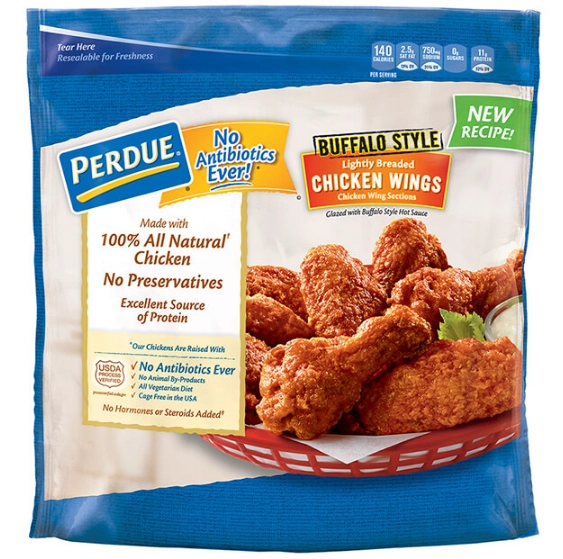
When it comes to their frozen line, the goal seems to be convenience without (completely) sacrificing their quality image. It's for the person who wants the Perdue name but needs the flexibility of a freezer stash.
The Perdue Frozen Chicken Lineup: What's Actually in the Freezer Section?
This is where things get practical. Perdue doesn't just have one type of frozen chicken. They've got a whole range. And trust me, they're not all created equal. Picking the right one for what you're cooking makes all the difference.
Here’s a breakdown of the main players you'll encounter. I put this table together because it was the only way to make sense of it all when I was shopping.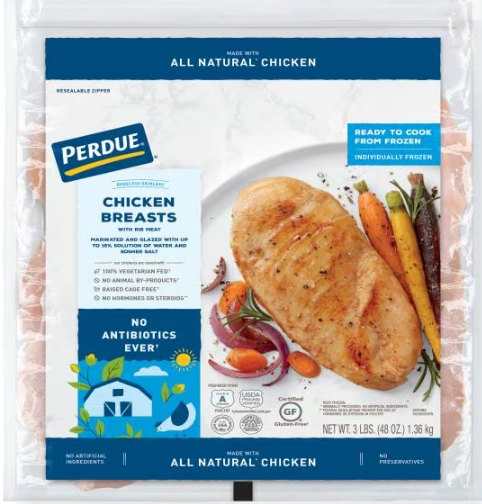
| Product Line | What It Is | Best For | My Honest Take |
|---|---|---|---|
| Perdue Harvestland Frozen Chicken | Their premium line. Organic, no antibiotics ever, vegetarian-fed. Usually comes as individual frozen breasts or thighs. | When you want the "cleanest" label and are willing to pay more. Good for simple baked or grilled dishes where the chicken is the star. | The quality is noticeably better. Less ice, better texture. But the price jump is real. I save this for special meals or when it's on sale. |
| Perdue Simply Smart Organics (Frozen) | Pre-portioned, lightly seasoned, ready-to-cook breasts. Often comes with a sauce packet or is pre-marinated. | Extreme convenience. The "I have 15 minutes and zero energy to think" dinner. Pop it in a skillet or oven. | A serious weeknight cheat code. The lemon herb ones are pretty good. Watch the sodium if you're sensitive, though. It's not bland, that's for sure. |
| Perdue Frozen Chicken Breasts (Classic) | The standard, no-frills bag of individually frozen chicken breasts. Their most common product. | Your all-purpose, bulk chicken. For soups, stews, casseroles, shredding for tacos, or basic grilling. | This is the workhorse. It does the job. Thawing properly is CRITICAL here, or it can get tough. More on that later. |
| Perdue Frozen Chicken Thighs or Drumsticks | Dark meat cuts, frozen individually. Often cheaper than breasts. | Braises, slow-cooker recipes, curries, or any dish where you want richer, more forgiving meat. | My personal favorite for flavor and value. Thighs stay juicy even if you overcook them a bit. A much safer bet for beginners. |
| Perdue Short Cuts (Frozen) | Pre-cooked, carved chicken breast pieces. Just heat and eat. | Salads, wraps, quick pasta tosses, fried rice. Adding protein to something without actually cooking raw meat. | Incredibly convenient, but the texture is… different. It's pre-cooked, so it can be a bit dry. Great in a pinch, but not for a main chicken dish. |
See what I mean? Choosing a bag of Perdue frozen chicken breast for a quick sauté is a different game than grabbing their pre-marinated Simply Smart line. One requires you to do the work, the other does most of it for you.
The Harvestland stuff feels like it's trying to be as close to fresh as possible, while the Short Cuts are a totally different convenience product. It's less about the chicken itself and more about saving you ten minutes of slicing.
The Big Question: How Does Frozen Compare to Fresh Perdue Chicken?
Let's address the elephant in the room. Is frozen Perdue chicken just the sad, leftover fresh chicken that didn't sell? Not exactly.
According to Perdue's own practices and general industry standards, chicken meant for freezing is typically processed and frozen at its peak freshness, often within hours. The quick-freeze technology locks it in at that state. Fresh chicken, on the other hand, has a longer journey involving refrigeration and transport, which can take days.
So in theory, a properly frozen piece of chicken can be "fresher" than a "fresh" piece that's been sitting in a cooler for a week. The catch is all in the freezing and thawing process. Mess that up, and you ruin the texture.
Cooking Perdue Frozen Chicken: Tips You Won't Find on the Bag
This is where most people go wrong. They treat frozen chicken like fresh chicken, and the results are disappointing. After many trials and errors (some truly dry, sad errors), here's what actually works.
The Golden Rule: Thawing is Not Optional (For Most Things)
You can find a million articles online about cooking chicken straight from frozen. The Perdue package might even say you can do it. Let me be blunt: for anything except boiling it for soup or stew, thaw it first.
Cooking from frozen leads to a cruel paradox: the outside is overcooked and dry while the inside is still frozen or dangerously undercooked. It's a food safety and quality nightmare.
Best Thawing Method (The Night Before): Move the bag from the freezer to the fridge. Let it sit for 12-24 hours. This slow, cold thaw gives the ice crystals time to re-absorb slowly, preserving the most juice. Plan ahead. This is the way.
Quick-Thaw Method (In a Pinch): Seal the chicken (in its bag or in a ziplock) and submerge it in a bowl of cold water. Change the water every 30 minutes. It'll take 1-3 hours depending on the size. Do not use warm water—you'll start cooking the outside and breed bacteria.
My Go-To Cooking Methods for Best Results
Once it's thawed, here's how I get the most out of it:
- For Breasts (The Trickiest Cut): I've given up on pan-frying plain frozen-then-thawed breasts. They almost always end up dry. My foolproof method is brining or dry-brining. Even just 30 minutes in a saltwater soak (or a sprinkle of salt left on the surface) makes a world of difference. Then, I either bake them at 425°F on a rack until they hit 165°F internally (use a thermometer!), or I pound them thin and do a quick sear for cutlets.
- For Thighs & Drumsticks (The Forgiving Heroes): These are much harder to mess up. I love a good high-heat roast (425-450°F) with some oil and spices until the skin is crispy. Or, they are perfect for the slow cooker or instant pot. Throw them in with some sauce, and you get fall-apart tender meat every time.
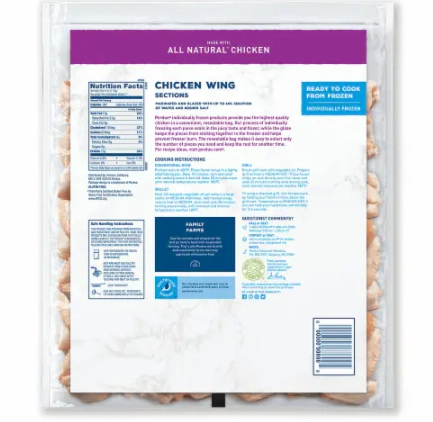
- For the Pre-Marinated Simply Smart: Follow the package. Seriously. They've engineered it to work. A hot skillet with a little oil, 4-5 minutes per side, and you're done. Don't overcook it trying to get more color.
And that thermometer tip? Non-negotiable. The USDA recommends cooking all poultry to a safe minimum internal temperature of 165°F. Guessing leads to either rubber or risk. A $15 instant-read thermometer is the best investment for cooking any chicken, especially Perdue frozen chicken.
Taste & Quality: The Real-World Review
Okay, so how does it actually taste? Let's get subjective.
The flavor of the plain, unseasoned frozen cuts (breasts, thighs) is… fine. It's chicken. It's not going to have the deep, almost gamey flavor of a farm-fresh heritage bird. But it's not weird or off-putting either. It's a neutral, clean protein canvas. The quality is consistent, which is a big plus. You know what you're getting.
The Harvestland organic line does taste a bit better to me—slightly more "chickeny" and the texture is firmer, less spongy. Whether it's worth the extra $2-$3 per pound is a personal budget call.
The Simply Smart pre-marinated line is where they add flavor, and they do a decent job. The lemon herb and roasted garlic ones are family-pleasers. They're not gourmet, but they're far from bland. A solid B+ on the convenience food scale.
Where Perdue frozen chicken really shines, in my opinion, is in dishes where it's not the solo star. In a creamy pasta, a hearty soup, a curry, or a casserole, it performs perfectly. It absorbs flavors, provides protein, and you'd be hard-pressed to tell it was frozen.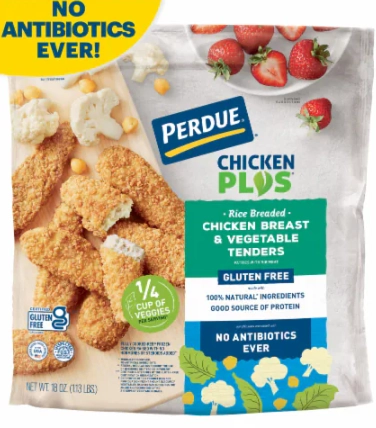
Price & Value: Is It a Good Deal?
Perdue is rarely the cheapest option. Store brands and generic frozen chicken are almost always less expensive. You're paying for the brand name and their marketing around no antibiotics.
The value equation depends on two things:
- Your priority: If the "no antibiotics ever" label matters to you for health or ethical reasons, then Perdue offers that at a mid-tier price point. It's cheaper than most fully organic brands but pricier than conventional.
- Sales & Bulk: This is key. Perdue frozen chicken goes on sale frequently, especially at major grocery chains. Buying the big bags when they're discounted is where the value appears. Stocking up then makes sense.
For pure, unadorned cheap protein, you can do better. For a branded product with a specific set of standards that goes on sale often, it can be a reasonable buy.
Answering Your Questions (The FAQ You Actually Care About)
Answering Your Questions (The FAQ You Actually Care About)
It's chicken. It's a lean source of protein. The plain cuts have no carbs, just protein and fat. The health factor depends more on how you cook it (baking vs. deep frying) and what you put on it. The pre-marinated versions have added sodium and sugars, so check the nutrition label if that's a concern. Their "no antibiotics ever" policy is a plus for many people looking to avoid trace antibiotics in their food.
No. And you shouldn't. The CDC and USDA strongly advise against washing raw poultry. It doesn't clean the chicken; it just splashes potential bacteria like Salmonella around your sink and kitchen, increasing the risk of cross-contamination. Cooking it to 165°F will kill any bacteria present.
That's freezer burn or excess ice from the freezing process. It happens when air gets into the bag or if the temperature fluctuated during storage. It's a sign the product might be drier or have been stored for a while. Try to pick bags from the back of the freezer case that feel solid with minimal frost inside. A little ice is normal; a solid block of it is a red flag.
It's technically safe if you thawed it properly in the refrigerator, according to the USDA. However, every time you freeze and thaw, you damage the cell structure more, leading to greater moisture loss and worse texture. The quality will deteriorate. My rule: only thaw what you plan to cook. If you must refreeze, do it with the plan to use that chicken in a stew or soup later, where texture matters less.
For best quality, the USDA recommends using frozen raw poultry within 9-12 months. It will be safe indefinitely if kept at 0°F or below, but the quality—flavor, texture, color—will start to decline after that year mark. Write the date on the bag when you buy it.
The Final Verdict: Who Should Buy Perdue Frozen Chicken?
Let's wrap this up with some straight talk.
You'll probably like Perdue frozen chicken if: You're familiar with and trust the Perdue brand. The "no antibiotics" label is important to your buying decisions. You find it on sale regularly at your store. You plan to use it in recipes with sauces or braises, or you're willing to use brining/thawing techniques for plain cuts. You value the convenience of their pre-marinated Simply Smart line for crazy nights.
You might want to skip it if: Your only goal is the absolute lowest price per pound. You dislike the variability in breast sizes. You expect frozen chicken to taste and feel exactly like high-end fresh chicken with zero extra effort. You're prone to forgetting to thaw things and need a truly "cook from frozen" solution (look for brands that sell individually vacuum-sealed fillets for that).
For me, it's a pantry staple, but a specific one. I always have a bag of the thighs in the freezer for last-minute curry or soup. I buy the big bag of breasts when it's on a deep discount, brine them, and use them for meal prep. And I keep one box of the Simply Smart Lemon Herb in there as my "dinner emergency" kit.
It's not magical. It's not the best chicken you'll ever eat. But as a reliable, convenient, and consistently available option that fits certain values, Perdue frozen chicken earns its spot in a lot of freezers, including mine. Just promise me you'll thaw it properly.
Hope this deep dive helps you make a decision without the guesswork next time you're in that frozen aisle.
Related Articles