Frozen Chicken Bites: How to Cook Them Perfectly Every Time
Let's be honest. We've all been there. You're hungry, short on time, and that bag of frozen chicken bites in the freezer is calling your name. Twenty minutes later, you're eating something that's either soggy, dry, or tastes like cardboard with a side of disappointment. It doesn't have to be that way. I've spent more time than I care to admit testing every brand and cooking method imaginable, and I'm here to tell you that a perfect frozen chicken bite is absolutely within reach. The secret isn't just following the package directions—it's knowing when to ignore them.
In This Bite-Sized Guide
Why Most Frozen Chicken Bites Turn Out Wrong
It usually boils down to one of three mistakes, and I've made them all so you don't have to.
Mistake 1: The Temperature Tango. Package says 375°F? Many home ovens have hot spots or inaccurate thermostats. If your oven runs cool, you get a greasy, undercooked bite. If it runs hot, the coating burns before the inside is warm. An oven thermometer is a game-changer, but most people don't use one.
Mistake 2: The Steam Trap. This is the big one. You preheat a baking sheet, toss the bites on, and they immediately start steaming on the bottom, killing any chance of a crisp underside. Or worse, you crowd them in the air fryer basket. They steam each other. The result is a mushy texture that no amount of dipping sauce can save.
Mistake 3: Blind Trust in Timing. Brands give a wide range (e.g., 18-22 minutes) to account for appliance variance. If you pull them out at the lower end "to be safe," you're often pulling out undercooked food. If you wait for the upper end "to be sure," you risk drying them out. Visual cues and internal temperature are far more reliable than the clock.
The Cooking Method Masterclass: Oven, Air Fryer & Skillet
Each appliance has its personality. Here’s a breakdown of how to get the best from each one, based on my own side-by-side tests with brands like Tyson, Perdue, and store-brand options.
| Method | Best For | Key Settings | The Non-Negotiable Step |
|---|---|---|---|
| Air Fryer | Maximum crispiness, speed, small batches | 400°F (200°C). 10-12 mins. | Preheat for 3 mins. Single layer only. Shake basket at 5-6 mins. |
| Conventional Oven | Large batches, even cooking, hands-off time | 400°F (200°C). 18-22 mins. | Use a wire rack on a baking sheet. Flip halfway. Never use parchment paper directly under bites. |
| Skillet (From Frozen) | Emergency method, no oven/air fryer available | Medium-Low heat w/ 1 tbsp oil. 12-15 mins total. | Cover for first 5-7 mins to thaw center, then uncover and crisp. |
That oven tip about the wire rack is critical. It allows hot air to circulate under the bites, preventing that soggy bottom. If you don't have a rack, preheating your baking sheet helps, but it's a distant second-best option.
The skillet method is a last resort, but it works surprisingly well if you're patient. The cover-uncover technique is non-negotiable. You're essentially creating a mini-oven on your stovetop to ensure the inside cooks through before the outside gets too dark.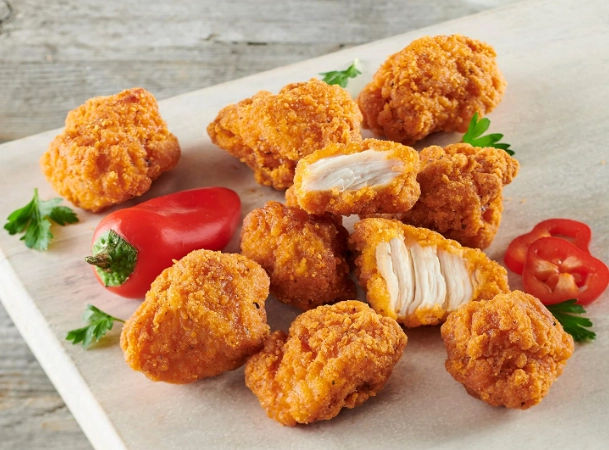
Air Fryer: The Undisputed King for Frozen Chicken Bites
If you have an air fryer, this is its calling. The intense, circulating heat mimics commercial deep frying without the oil. But you can still mess it up.
Here's my exact process, refined over dozens of bags:
- Preheat to 400°F (200°C) for 3 minutes. Yes, preheat. Starting with a cold basket is like starting a road trip in first gear.
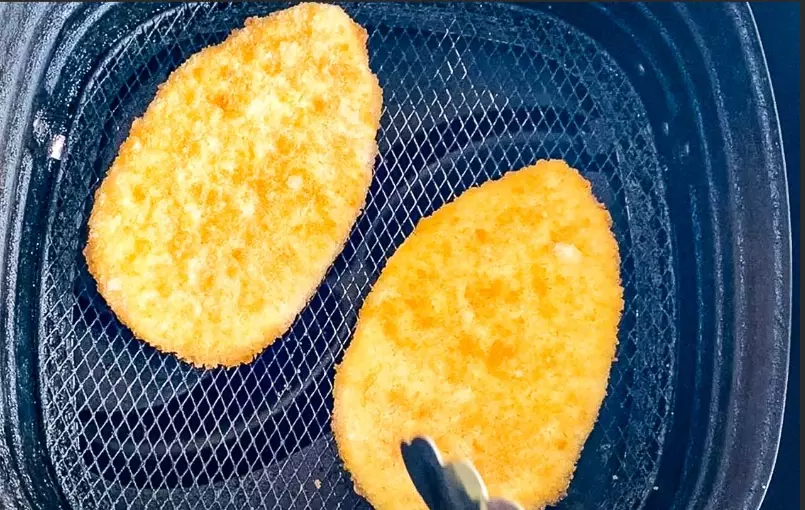
- Arrange in a single layer with space. They should not be touching. If they are, cook in batches. I know it's annoying, but the difference is night and day.
- Set timer for 10 minutes. At the 5-6 minute mark, pull the basket out and give it a vigorous shake. This exposes all sides to the heat.
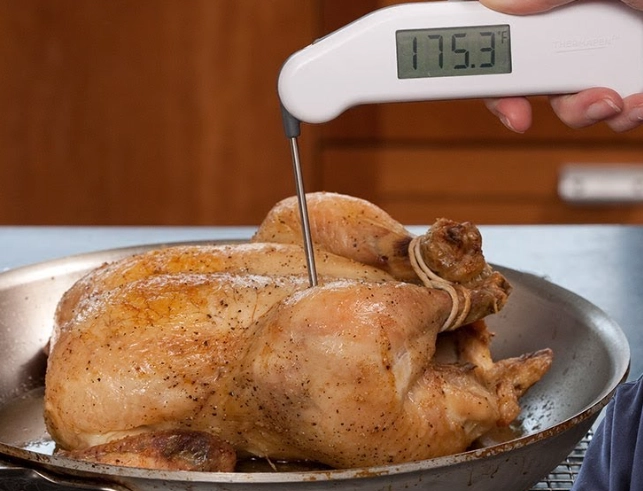
- The Finish. At 10 minutes, check one. It should be deep golden brown. The real test? Pierce the biggest one with an instant-read thermometer. You're looking for 165°F (74°C) in the center. If not there, add 1-2 minutes and check again.
Most bags will be perfect at 10-12 minutes. Denser, premium brands or extra-large bites might need 13-14. Trust the color and temp, not just the timer.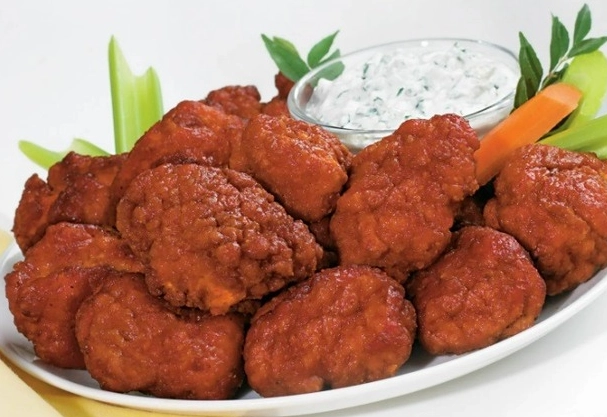
What About Toaster Ovens with Air Fry?
They work well, but treat them like a small conventional oven. Use the air fry setting at 400°F, but you'll likely need to extend the time by 2-3 minutes compared to a basket-style air fryer because the space is less concentrated. Still use a single layer. The results are excellent, just slightly slower.
3 Simple Recipe Upgrades (No Extra Work Required)
You can transform a basic bag of frozen chicken bites into something that tastes homemade with one extra step after cooking. These are my go-to moves when I want to impress but have zero energy.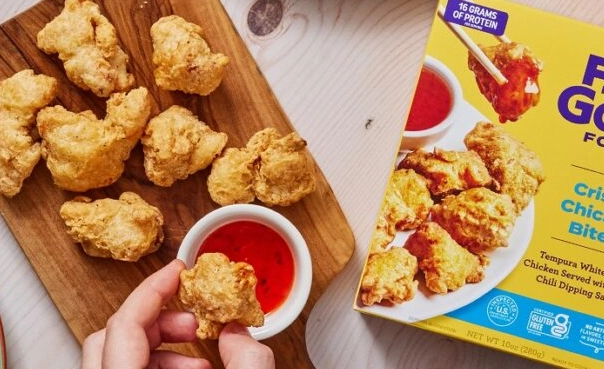
1. The Buffalo Toss. As soon as the bites come out of the air fryer/oven, throw them in a bowl. Add a few tablespoons of your favorite buffalo sauce (I like Frank's RedHot) and a tiny pat of butter. Toss until coated. The residual heat melts the butter and makes the sauce cling perfectly. Serve with blue cheese dressing and celery sticks. Instant game-day food.
2. The Garlic-Parmesan Shake. In a large paper bag or lidded container, mix 2 tablespoons of grated Parmesan, 1/2 teaspoon garlic powder, 1/4 teaspoon dried parsley, and a pinch of salt. Add the hot chicken bites, close, and give it a good shake. The cheese melts onto the bites. It's shockingly good.
3. The Korean-Style Glaze. While the bites cook, whisk together 2 tbsp gochujang (Korean chili paste), 1 tbsp honey, 1 tbsp soy sauce, and 1 tsp sesame oil in a small saucepan. Heat until just warm. Toss with the cooked bites and sprinkle with sesame seeds and sliced green onion. Takes 3 minutes and elevates it to restaurant-level.
These aren't just "add a sauce." They're about using the heat of the freshly cooked bites to activate and integrate the flavors. It feels like cooking, but the heavy lifting was done by your freezer and air fryer.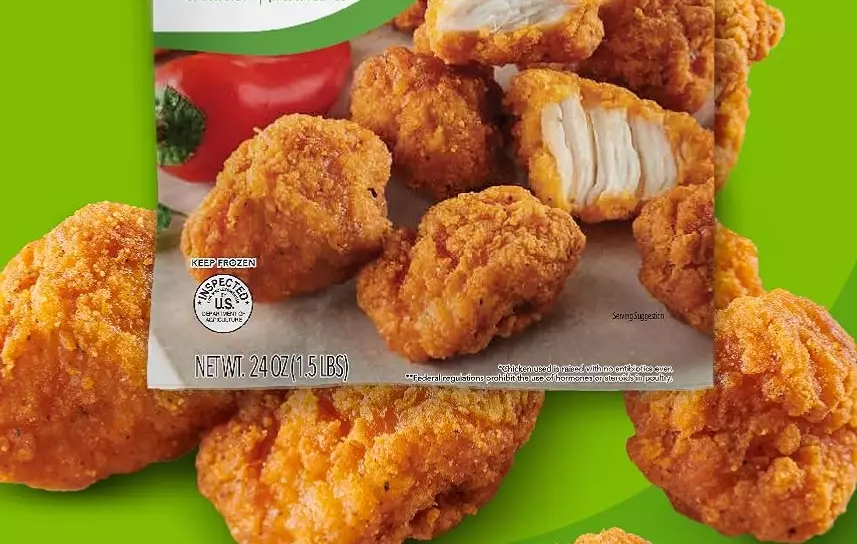
Your Top Questions, Answered
The bottom line? A bag of frozen chicken bites is a blank canvas. Treat it with a little know-how—respect the heat, give it space, and don't be afraid to dress it up after the fact—and you'll never settle for a soggy bite again. It's the difference between just eating and actually enjoying your quick meal.
Related Articles