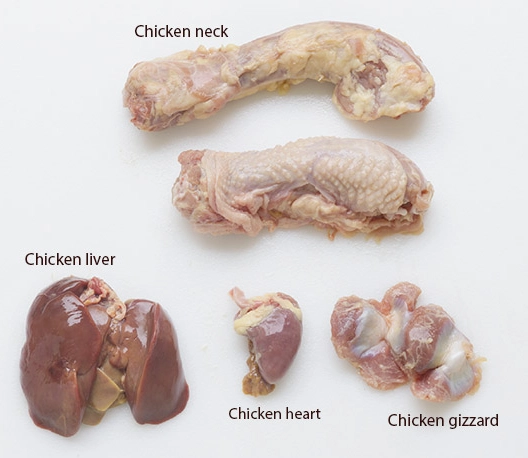
Boneless Skinless Chicken Thigh Nutrition: Health Facts and Cooking Tips
Let's cut to the chase: boneless skinless chicken thighs are a nutritional powerhouse that often gets overlooked in favor of leaner cuts like breast. I used to avoid them, thinking they were too fatty, until I actually looked at the numbers. Turns out, they're packed with protein, vitamins, and healthy fats that can fit into almost any diet. In this guide, we'll dive deep into what makes them so good for you, how they stack up against other cuts, and the best ways to cook them without losing nutrients.
Quick Navigation
What's in a Boneless Skinless Chicken Thigh?
When you pick up a package of boneless skinless chicken thighs at the store, you're getting more than just meat. According to the USDA FoodData Central, a 3-ounce (85-gram) cooked serving contains roughly:
- Calories: Around 130–150 calories, depending on cooking method.
- Protein: About 20 grams—that's nearly half your daily need for an average adult.
- Fat: 5–7 grams, with most of it being monounsaturated fat, the kind found in olive oil.
- Carbs: Virtually zero, making it great for low-carb diets.
But it's not just about macros. Chicken thighs are rich in micronutrients too. They provide a decent dose of iron, zinc, and B vitamins like B6 and B12. Iron helps with energy levels, while zinc supports your immune system. I remember when I started including thighs in my meals, I felt less fatigued during workouts. It's those little things that add up.
Macronutrients: Protein, Fat, and Carbs
The protein in chicken thighs is complete, meaning it has all essential amino acids your body can't make on its own. That's crucial for muscle repair, especially if you're active. The fat content? It's higher than breast, but here's a non-consensus view: that extra fat isn't your enemy. It adds flavor and helps you feel fuller longer. Many people skimp on fat and end up overeating carbs later.
Micronutrients: Vitamins and Minerals
Chicken thighs are a sneaky source of selenium, a mineral that acts as an antioxidant. One serving can cover about 20% of your daily needs. They also have niacin (vitamin B3), which aids metabolism. If you're on a budget, thighs are often cheaper than breast, so you're getting more nutrition per dollar.
Chicken Thigh vs. Breast: The Nutrition Showdown
Everyone praises chicken breast for being lean, but let's compare them side by side. I've seen too many folks dismiss thighs without knowing the facts.
| Nutrient (per 3 oz cooked) | Boneless Skinless Chicken Thigh | Boneless Skinless Chicken Breast |
|---|---|---|
| Calories | ~140 | ~120 |
| Protein | 20g | 26g |
| Total Fat | 5g | 1.5g |
| Saturated Fat | 1.5g | 0.5g |
| Iron | 1mg | 0.5mg |
| Zinc | 1.5mg | 0.8mg |
Breast wins on protein and lower fat, but thighs have more iron and zinc. For someone like me who struggles with low iron, thighs are a game-changer. The fat difference isn't huge, and if you're cooking with healthy methods, it's negligible. Plus, thighs are harder to overcook—they stay juicy, which means you're less likely to drench them in high-calorie sauces.
Health Benefits You Didn't Know About
Beyond basic nutrition, boneless skinless chicken thighs offer some underrated health perks. Let's break them down.
Supports Muscle Growth and Repair
With 20 grams of protein per serving, thighs help build and maintain muscle. I've found that after a long run, a thigh-based meal keeps me satisfied better than a dry breast. The amino acid profile supports recovery, so you're ready for your next workout.
Boosts Immune System
The zinc and selenium in chicken thighs are immune boosters. During flu season, I make sure to include them in my diet. It's a natural way to stay healthy without relying on supplements.
Heart Health
Here's where many get it wrong: the fat in thighs is mostly monounsaturated, which can improve cholesterol levels. A study from the American Heart Association notes that replacing saturated fats with monounsaturated ones reduces heart disease risk. So, unless you have specific dietary restrictions, thighs can be part of a heart-healthy diet.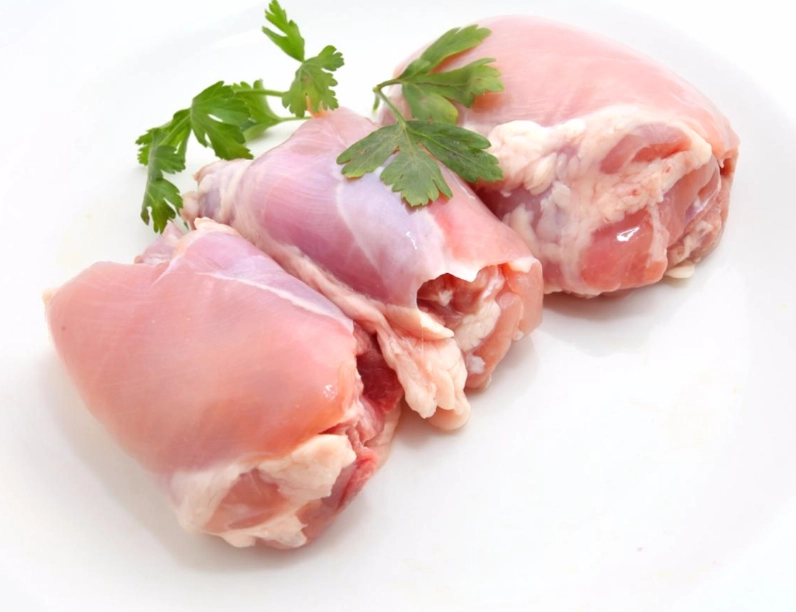
How to Cook for Maximum Nutrition
Cooking method matters more than you think. I've ruined thighs by frying them in too much oil, but with a few tweaks, you can keep them nutritious and delicious.
Best Cooking Methods
- Grilling: Quick and adds smoky flavor without extra fat. Just marinate with lemon juice and herbs to prevent drying.
- Baking: My go-to for meal prep. Bake at 375°F (190°C) for 25–30 minutes with veggies—retains moisture and nutrients.
- Sautéing: Use a non-stick pan with a teaspoon of olive oil. Cook over medium heat until golden brown.
Avoid deep-frying; it adds unnecessary calories and can create harmful compounds. One time, I tried air-frying thighs, and they came out crispy with half the oil. Game-changer.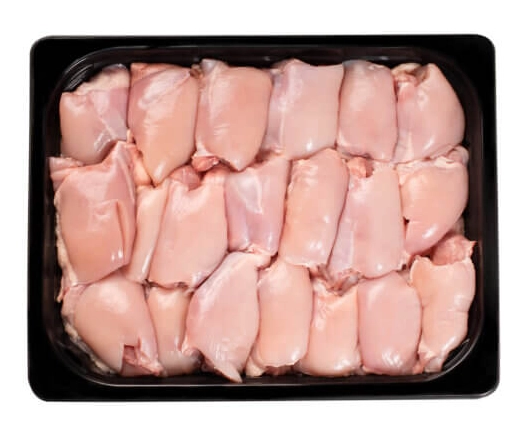
Recipes to Try
For a simple start, toss thighs with paprika, garlic powder, and a pinch of salt, then bake. Pair with roasted broccoli for a balanced meal. If you're feeling adventurous, make a Thai curry—the coconut milk complements the richness of the thighs.
Your Questions Answered
Related Articles