Raw Chicken: Your Complete Guide to Safe Handling, Cooking, and Storage
Quick Navigation
Let's be honest. That package of raw chicken sitting in your grocery cart or fridge is a bit of a mystery box, isn't it? We all buy it, we all cook it, but how many of us are really confident we're handling it the absolute best—and safest—way possible? I've been there. I've had that moment of panic wondering if the chicken I left out for 20 minutes is now a biohazard, or second-guessed whether it was truly cooked through. After one too many close calls and some deep dives into food science (and talking to actual food safety experts), I've put together everything I wish I'd known sooner.
This isn't about fear-mongering. It's about empowerment. Handling raw chicken safely is the key to unlocking its potential as a delicious, versatile, and affordable protein. When you get it right, everything from a simple roast chicken to a complex curry becomes not just a meal, but a triumph. So, let's strip away the confusion and get down to the practical, no-nonsense details.
Let's get this out of the way first: The risks with raw chicken are real, but they're also 100% manageable. The main culprit is bacteria like Salmonella and Campylobacter. They live on the surface of the poultry and can make you seriously ill. But here's the thing—they die with heat. Your mission, should you choose to accept it, is to prevent those bacteria from spreading in your kitchen and to ensure they're thoroughly zapped during cooking. It's that simple in theory, but the devil is in the daily habits.
The Unseen Dangers (And How to Outsmart Them)
You can't see, smell, or taste the pathogens on raw chicken. That's what makes them tricky. A piece of chicken can look perfectly fine and still be contaminated. The U.S. Centers for Disease Control and Prevention (CDC) estimates that Salmonella causes about 1.35 million infections in the United States every year, and poultry is a common source. That's a staggering number, but it highlights why proper handling isn't just a suggestion—it's essential.
The contamination usually happens during processing. It's not a sign of a "bad" chicken; it's a reality of large-scale farming. So, we treat all raw chicken as if it could be carrying something. This isn't paranoia; it's just a smart kitchen protocol, like wearing a seatbelt even on a short drive.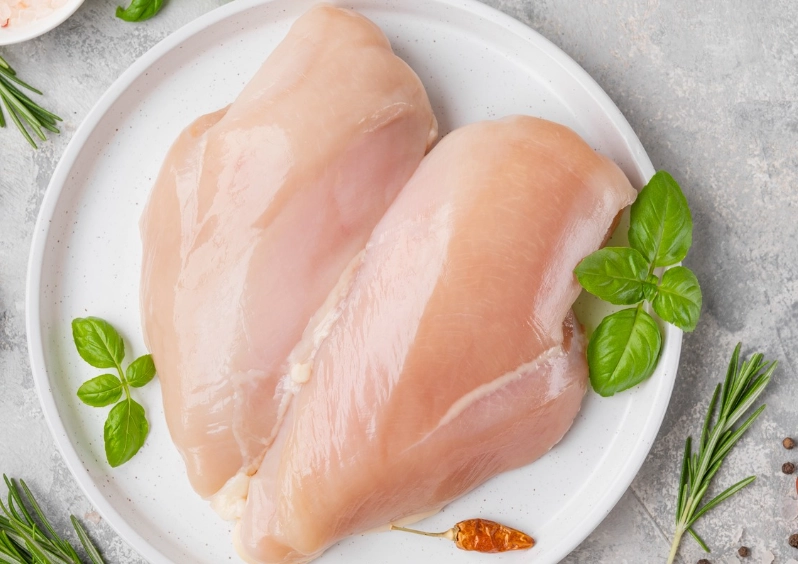
Cross-Contamination: The Silent Kitchen Killer
This is the big one. This is how people who swear they cooked their chicken perfectly still get sick. Cross-contamination is the transfer of bacteria from the raw chicken to other foods, surfaces, or utensils. Think about it: you take the chicken out of its package, juice drips on the counter. You use the same cutting board for the chicken and then for your salad veggies. You pat the chicken dry with a towel and then use that same towel to dry your hands after washing. Boom. Bacteria has just gone on a field trip around your kitchen.
A personal rule I never break: I have a dedicated cutting board—a bright red one—that I use ONLY for raw meat. It never sees a vegetable or a piece of bread. The psychological cue of the color makes it impossible to forget. It's a small investment that pays off in peace of mind every single day.
Safe Handling from Store to Stove
Your safety routine starts the moment you pick up the package at the store.
At the Grocery Store
Make raw chicken one of the last items you pick up before checkout. This minimizes the time it spends in the "danger zone" (temperatures between 40°F and 140°F where bacteria multiply rapidly). Look for packages that are cold to the touch, with no tears or leaks. Place it in a plastic bag (many stores provide them in the meat section) to contain any potential drips in your cart. If you have a long drive home, consider using an insulated cooler bag, especially in summer. I learned this the hard way after a 45-minute traffic jam on a hot day turned my trunk into a bacterial incubator.
In Your Refrigerator
As soon as you get home, store it immediately. Don't let it sit on the counter while you put away other groceries. The best place for it is on the bottom shelf of your fridge. Why the bottom? If the package leaks, the juices won't drip down onto your cheese, produce, or ready-to-eat foods below. It's a simple gravity-based defense system. Keep it in its original packaging or transfer it to a sealed container or a bowl with a plate underneath.
How long does raw chicken last in the fridge? This is a question I get asked all the time. The United States Department of Agriculture (USDA) is pretty clear on this: use raw chicken within 1 to 2 days of purchase. And that "sell-by" or "use-by" date? It's a guideline for the store, not a magical safety guarantee for your home fridge. If it smells off, feels slimy (beyond the normal slight slickness), or has changed color to a grayish or yellowish hue, trust your senses and toss it. When in doubt, throw it out. Really.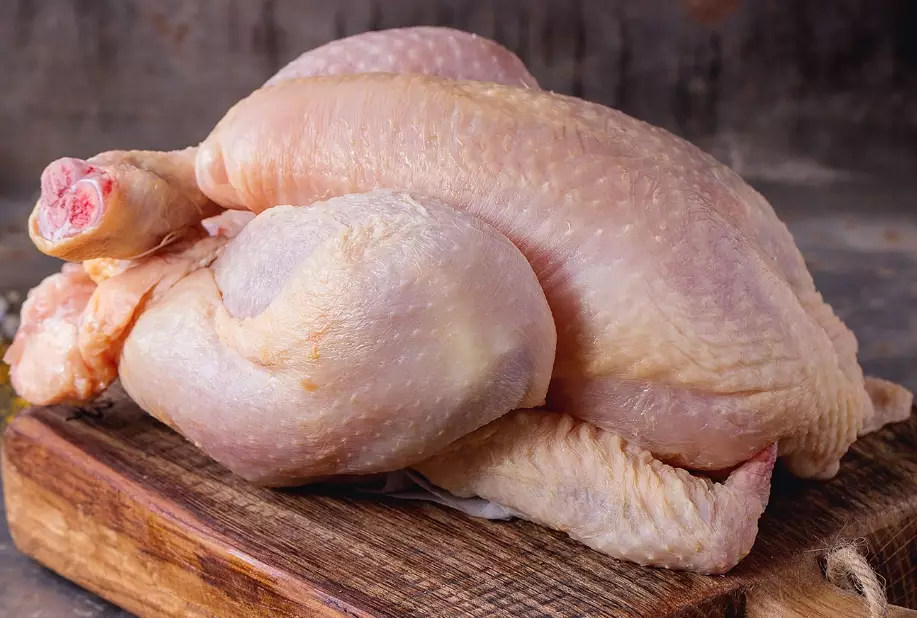
| Type of Raw Chicken | Refrigerator (40°F or below) | Freezer (0°F or below) |
|---|---|---|
| Whole Chicken | 1-2 days | 1 year |
| Chicken Pieces (breasts, thighs, wings) | 1-2 days | 9 months |
| Ground Chicken | 1-2 days | 3-4 months |
| Giblets (heart, liver, etc.) | 1-2 days | 3-4 months |
The Great Debate: To Rinse or Not to Rinse?
This is a hill many home cooks are willing to die on. "My grandmother always rinsed her chicken!" I hear you. But here's the stark reality from every major food safety agency, including the USDA and the FoodSafety.gov campaign: Do not wash raw chicken.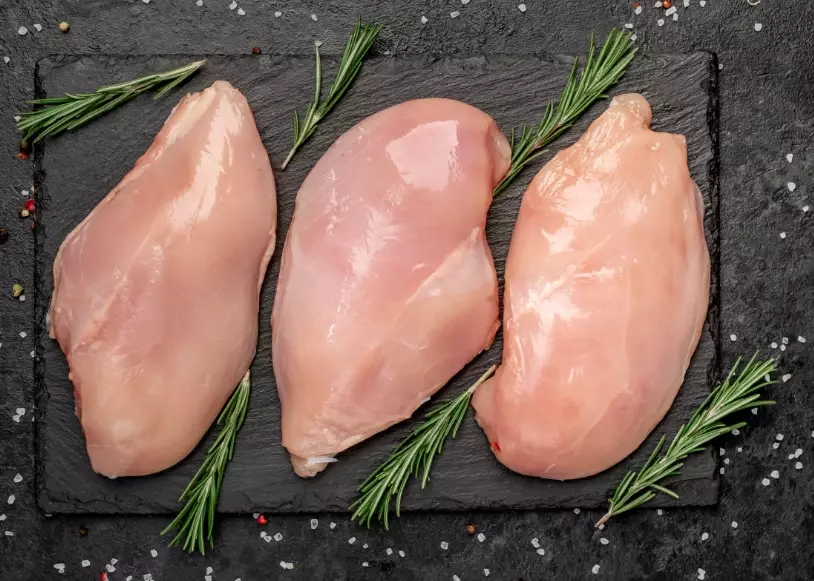
Why? When you rinse chicken under the tap, you don't kill the bacteria. Instead, you create a fine aerosol of water droplets that can spray bacteria up to three feet away, contaminating your sink, countertops, nearby utensils, and even your clothes. You're essentially giving the bacteria a free ride around your kitchen. The only way to kill pathogens is through proper cooking. Any "slime" or particles you're trying to wash off will be rendered harmless by heat. Pat the chicken dry with paper towels (which you then discard immediately) if you want a better sear, but skip the rinse. It's a habit worth breaking.
The Golden Rule: Cooking Temperatures That Don't Lie
Color and juices are unreliable narrators. The only way to know if your chicken is safe to eat is to use a food thermometer. It's the single most important tool in your kitchen for dealing with raw chicken. I resisted this for years, thinking I could tell by looking. Then I undercooked a particularly thick breast and spent a very unpleasant 24 hours regretting my hubris. A good digital instant-read thermometer is cheap insurance.
Insert the thermometer into the thickest part of the meat, making sure not to touch bone, fat, or the pan. For whole birds, check the innermost part of the thigh and the thickest part of the breast.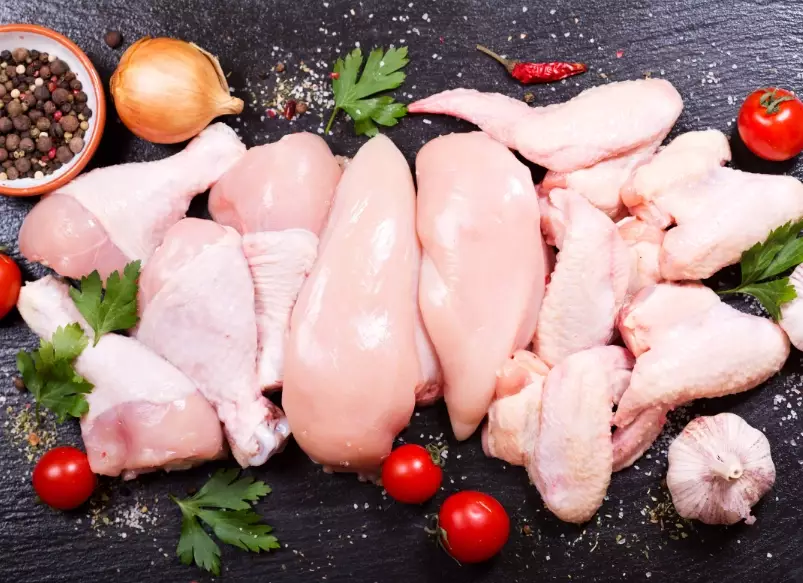
Target Temperatures: All poultry should reach a minimum internal temperature of 165°F (74°C). This is the temperature at which Salmonella, Campylobacter, and other common poultry pathogens are destroyed in seconds. Once it hits 165°F, it's safe. You can cook it higher for tenderness preferences (like pulling slow-cooked chicken at 195°F), but 165°F is the safety floor.
What about recipes that say "cook until the juices run clear"? It's an old wives' tale. The color of the juices can vary based on the bird's age, diet, and whether it was frozen. Pink juice can sometimes appear in fully cooked chicken, and clear juice can sometimes appear in undercooked chicken. Trust the thermometer, not the juice.
Freezing and Thawing: Doing It Right
Freezing is a fantastic way to extend the life of raw chicken, but it needs to be done properly to preserve quality and safety.
Freezing Raw Chicken
If you won't use it within two days, freeze it. For best quality, re-package it. The flimsy supermarket foam tray and plastic wrap aren't designed for long-term freezing. They can lead to freezer burn (those grayish-white leathery patches) which ruins texture and flavor. Wrap individual pieces or portions tightly in plastic wrap or aluminum foil, then place them in a heavy-duty freezer bag. Squeeze out as much air as possible before sealing. Don't forget to label and date the bag! A frozen chicken breast from six months ago is a mystery no one wants to solve.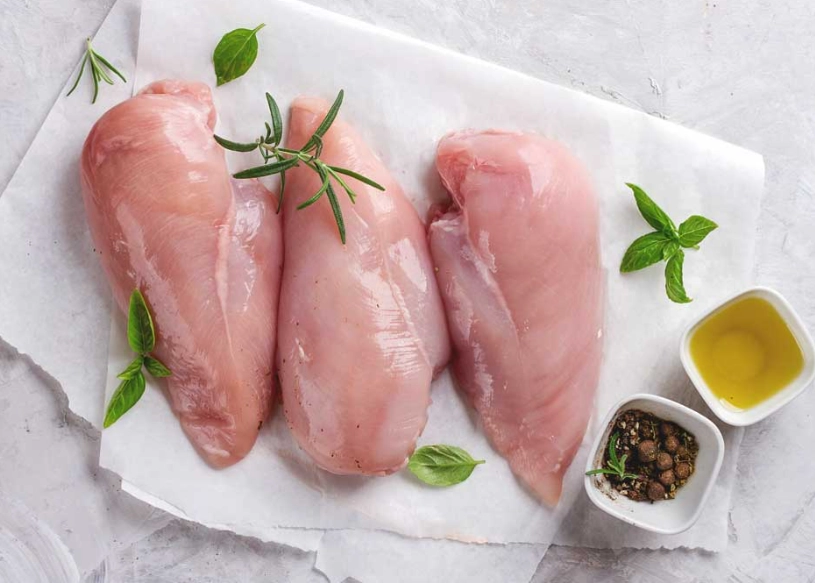
Thawing Safely: The Three Approved Methods
This is another critical control point. Never, ever thaw raw chicken on the counter at room temperature. The outer layers will enter the danger zone long before the inside is thawed, allowing bacteria to multiply rapidly.
- In the Refrigerator: This is the best, safest method. Place the frozen chicken on a plate or in a container on the bottom shelf of your fridge. It takes time—about 24 hours for every 5 pounds of meat. Plan ahead. Chicken thawed this way can be refrozen if needed, though there may be some quality loss.
- In Cold Water: Need it faster? Keep the chicken in its leak-proof packaging or put it in a sealed bag. Submerge it in a bowl or sink of cold tap water. Change the water every 30 minutes to keep it cold. It takes about 1 hour per pound. Cook immediately after thawing. Do not refreeze chicken thawed this way unless you cook it first.
- In the Microwave: Use the microwave's defrost setting. This method can start to cook the edges of the meat, so you must cook it immediately after thawing. It's my least favorite method as it can make parts of the chicken rubbery, but it works in a pinch.
Answering Your Burning Questions
Putting It All Together: A Safe Chicken Routine
So, what does a perfect, safe interaction with raw chicken look like? Let's walk through it from start to finish.
You buy the chicken last at the store, bag it, and head straight home. It goes on the bottom shelf of your fridge. The next day, you're ready to cook. You pull out your dedicated meat cutting board and a sharp knife. You take the chicken package directly to the board, open it, and maybe pat the pieces dry with a paper towel that goes straight into the trash. You season the chicken. You then immediately place the empty packaging into a trash bag, tie it off, and take it outside if possible.
You wash your hands. You cook the chicken, verifying with your thermometer that it hits 165°F in the thickest part. You transfer the cooked chicken to a clean plate. You do not use the plate that held the raw chicken. You then take your dirty cutting board, knife, and any other tools to the sink. You wash them thoroughly with hot, soapy water, followed by a sanitizing rinse if you wish. You wipe down the counter with a disinfectant cleaner. You wash your hands again. Finally, you sit down to enjoy your perfectly cooked, safe meal.
It's a ritual. A mindful process. And once you do it a few times, it flows without thought. The goal isn't to be afraid of raw chicken, but to respect it. To understand that with a few consistent habits, you completely control the narrative. You transform a potential hazard into the centerpiece of a fantastic dinner. That's a win in my book.
Look, I'm not a chef in a pristine TV kitchen. I'm someone who cooks at home every day, makes messes, and gets impatient. But handling raw chicken is one area where cutting corners just isn't worth it. The peace of mind that comes from knowing you've done it right, that you've protected yourself and your family, is the best seasoning any meal can have. Now go forth and cook that chicken with confidence.
Related Articles