Chicken Ricotta Recipes: Easy, Creamy & Healthy Dinner Ideas
What's Inside
- Why Chicken and Ricotta Are a Match Made in Dinner Heaven
- The Foundation: Your Basic, No-Fail Chicken Ricotta Recipe
- Leveling Up: Creative Twists on the Classic Chicken Ricotta
- Choosing Your Ingredients: A Quick Guide to Making It Shine
- Answering Your Chicken Ricotta Questions (FAQs)
- Troubleshooting Common Problems
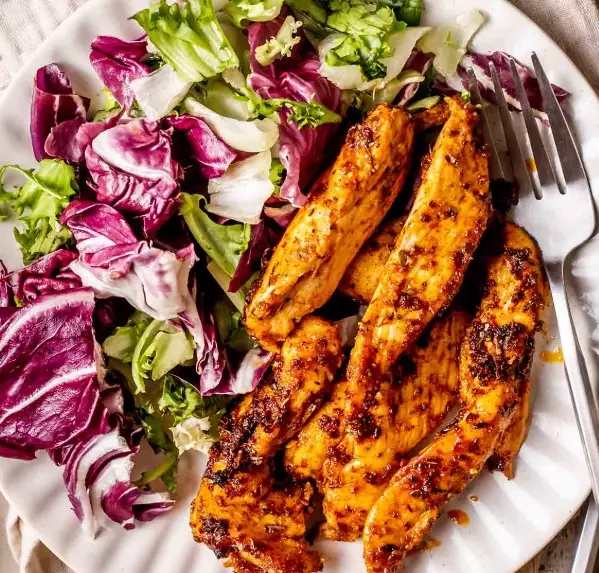
Let's be honest. Chicken breast can be boring. It's the culinary equivalent of a beige wall. You know it's good for you, it's reliable, but exciting? Not really. That's where chicken ricotta comes in. It's the simple trick that transforms that bland piece of poultry into something creamy, dreamy, and packed with flavor. It feels fancy but is deceptively easy to pull off on a Tuesday night.
I'm not talking about some complicated restaurant dish. I'm talking about a home-cooked meal that solves the "what's for dinner" dilemma with minimal fuss and maximum reward. Whether you stuff it, top it, or mix it right into a sauce, ricotta cheese brings a luxurious texture and mild, milky flavor that pairs perfectly with chicken. It's like giving your chicken a cozy, cheesy blanket.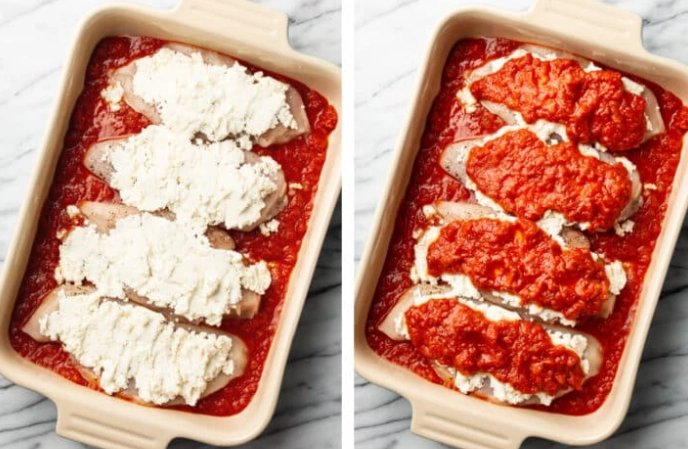
I remember the first time I tried making a ricotta stuffed chicken. I was skeptical. Would the cheese just ooze out and make a mess? Would it even cook through? I followed a recipe that seemed too simple, pounded my chicken a bit too thin (rookie mistake), and ended up with a slightly leaky but utterly delicious result. The family devoured it. That's the beauty of it—even the "mistakes" taste great. Now, after countless iterations, from simple baked parcels to skillet creations with sun-dried tomatoes and spinach, I've got the process down. This guide is everything I wish I knew when I started.
Why Chicken and Ricotta Are a Match Made in Dinner Heaven
Before we dive into recipes, let's talk about why this combo works so well. It's not just about throwing cheese on meat. There's a bit of food science and a lot of practical sense behind it.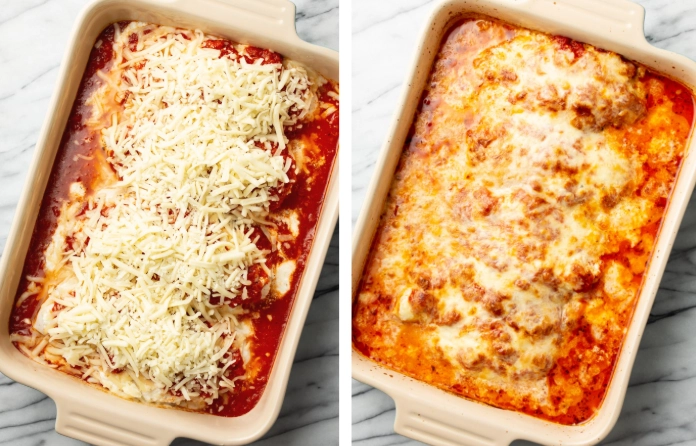
Chicken breast, especially, is lean. That's its selling point and its downfall. Lean means less fat, which means it dries out in the blink of an eye if you're not careful. Ricotta, on the other hand, is moist and contains fat and protein. When you combine them, the ricotta acts as a buffer. It insulates the chicken from direct, drying heat and bastes it from the inside as it cooks. The result? You're far more likely to end up with a juicy, tender piece of chicken than a sad, rubbery one.
Ricotta is also a fantastic flavor carrier. On its own, it's mild and slightly sweet. But mix in some herbs, garlic, lemon zest, or chopped greens, and it becomes a powerhouse filling or topping. It's creamy without being heavy like a cream sauce, making a healthy chicken ricotta dish a totally achievable goal.
Pro Tip: Don't just use any ricotta. The quality matters. The stuff in the tub near the cream cheese is often stabilised and can be a bit grainy. For the best texture, look for fresh ricotta, sometimes sold in deli containers. It's softer, creamier, and makes a world of difference. If you're feeling ambitious, making your own ricotta is surprisingly simple and wildly rewarding.
The Foundation: Your Basic, No-Fail Chicken Ricotta Recipe
This is the blueprint. Master this, and you can go anywhere. It's a baked, stuffed chicken breast that looks impressive but follows a stupidly simple routine.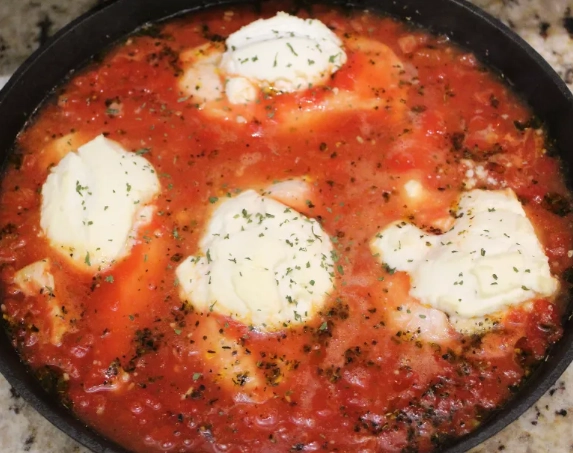
What You'll Need (The Short List)
- Chicken Breasts: 2 large, boneless and skinless. Even thickness is key.
- Ricotta Cheese: About 1 cup of whole milk ricotta for the best flavor.
- Flavor Boosters: This is where you customize. A handful of baby spinach (chopped), 1/4 cup of grated Parmesan, 1 minced garlic clove, a tablespoon of fresh chopped basil or parsley, salt, and black pepper.
- Extras: A little olive oil, maybe some toothpicks.
See? Nothing crazy. You probably have most of this.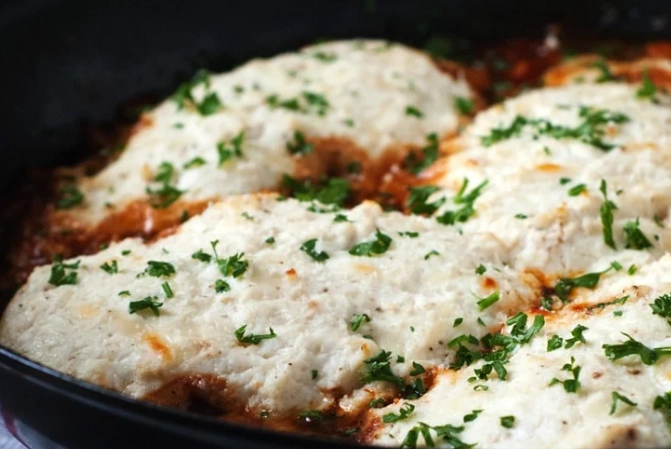
The Step-by-Step: How to Not Mess It Up
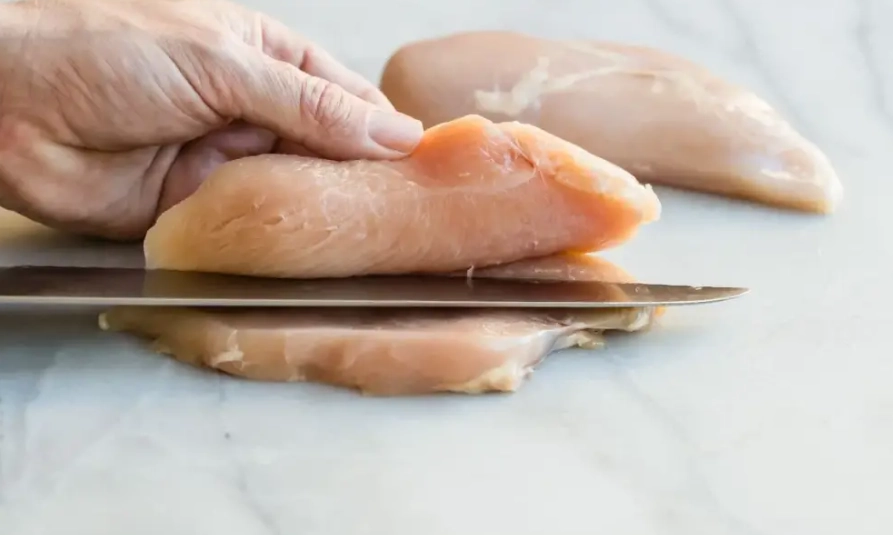
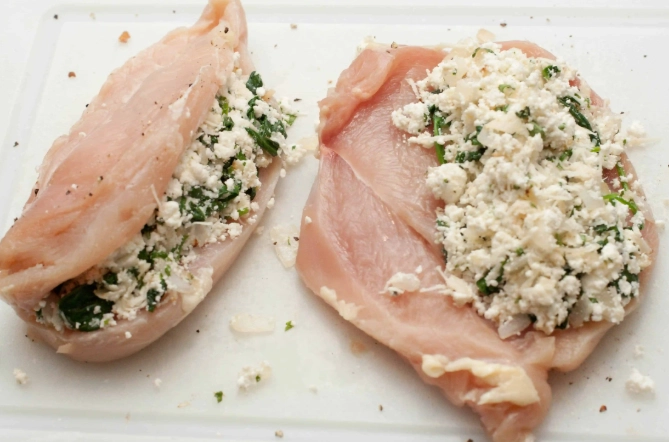
Step 1: Prep the Chicken. Pat the chicken breasts dry. This helps everything stick better. Place one breast on a cutting board and put your hand flat on top. With a sharp knife, slice horizontally through the thickest part, but don't cut all the way through. Open it up like a book. You can also just cut a deep pocket in the side. Do whatever feels less dangerous. I prefer the "book" method—it gives a wider, more even surface for stuffing.
Step 2: Make the Magic Filling. In a bowl, mix the ricotta, Parmesan, garlic, herbs, spinach, a good pinch of salt, and a few cracks of pepper. Stir until just combined. Don't overmix. Taste it! Adjust the seasoning. If it tastes good raw, it'll be amazing cooked.
This is the fun part. Want to add sun-dried tomatoes? Go for it. Artichoke hearts? Why not. A pinch of red pepper flakes for heat? Absolutely. The ricotta mixture is your blank canvas.
Step 3: Stuff and Secure. Divide the ricotta mixture between the two chicken breasts, spreading it evenly over one side of the opened "book." Leave a small border around the edge. Fold the other side over. Secure the edges with a few toothpicks. It doesn't need to be Fort Knox, just enough to hold it together during the first part of cooking.
Step 4: Bake to Perfection. Preheat your oven to 400°F (200°C). Place the stuffed breasts in a baking dish, drizzle with a tiny bit of olive oil, and season the outside with a little more salt and pepper. Bake for 22-28 minutes. The only way to know for sure is to use a meat thermometer. Insert it into the thickest part of the chicken (not just the cheese filling). You're aiming for 165°F (74°C). The cheese will be hot and bubbly, and the chicken will be juicy.
Watch Out: Baking time varies wildly based on the thickness of your chicken. A thin breast might be done in 20 minutes; a monster one could take 30. Trust the thermometer, not the clock. The USDA recommends cooking poultry to a safe minimum internal temperature of 165°F, which you can verify on their food safety guidelines page.
Let it rest for 5 minutes after pulling it from the oven. This lets the juices redistribute. Then remove the toothpicks, slice, and serve. That's it. A stunning, restaurant-worthy chicken ricotta dish with about 10 minutes of active work.
Leveling Up: Creative Twists on the Classic Chicken Ricotta
Once you've nailed the basic stuffed version, the world is your oyster (or, more appropriately, your cheese-filled chicken). Here are some of my favorite ways to mix it up.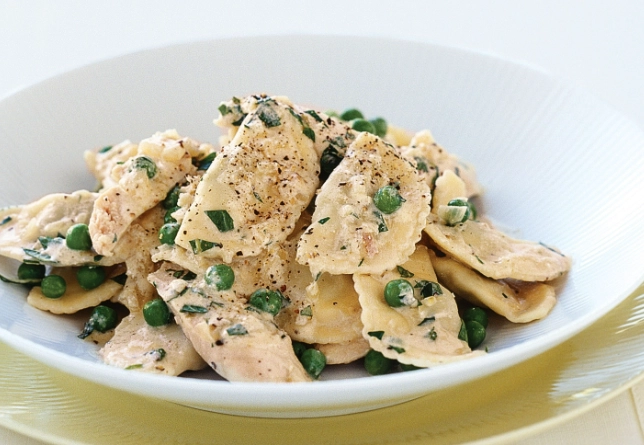
The Skillet Chicken Ricotta with Tomato Basil Sauce
This is a one-pan wonder. Instead of stuffing, you'll make juicy chicken cutlets and serve them smothered in a quick tomato sauce with dollops of herbed ricotta.
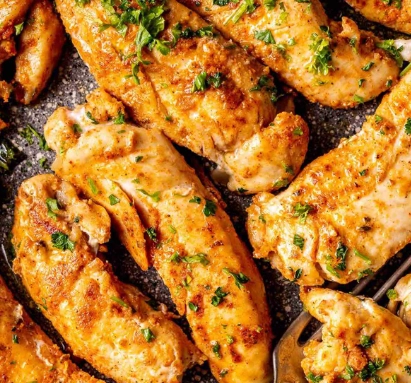
- Pound two chicken breasts to an even 1/2-inch thickness. Season and pan-sear them in olive oil for 4-5 minutes per side until golden and cooked through. Remove and set aside.
- In the same pan, add a minced garlic clove and a pinch of chili flakes for 30 seconds. Pour in a 14-oz can of good-quality crushed tomatoes. Simmer for 5-7 minutes until slightly thickened. Season with salt, pepper, and a handful of torn fresh basil.
- While the sauce simmers, mix 3/4 cup ricotta with lemon zest, a tablespoon of chopped parsley, salt, and pepper.
- Return the chicken to the pan, nestled in the sauce. Spoon big dollops of the herbed ricotta mixture on top of each piece. Cover the pan, turn off the heat, and let it sit for 2-3 minutes just to warm the ricotta through.
The ricotta doesn't melt into the sauce; it stays as creamy, cool-ish clouds that contrast beautifully with the warm, tangy tomato. It's a texture dream.
The "Lazy Night" Chicken Ricotta Pasta Bake
This is for when you can't even be bothered with stuffing or searing. It's pure comfort.
Cook your favorite short pasta (penne, rigatoni) according to package directions. In a bowl, mix most of the cooked pasta with a jar of marinara sauce, some shredded cooked chicken (rotisserie chicken is perfect here), and a big scoop of ricotta—don't mix it in completely, leave some streaks. Dump it all into a baking dish. Top with more dollops of ricotta and a generous sprinkle of mozzarella. Bake at 375°F until bubbly and golden. It's the ultimate fridge-clean-out, cozy meal, and the ricotta makes the whole thing incredibly rich and satisfying.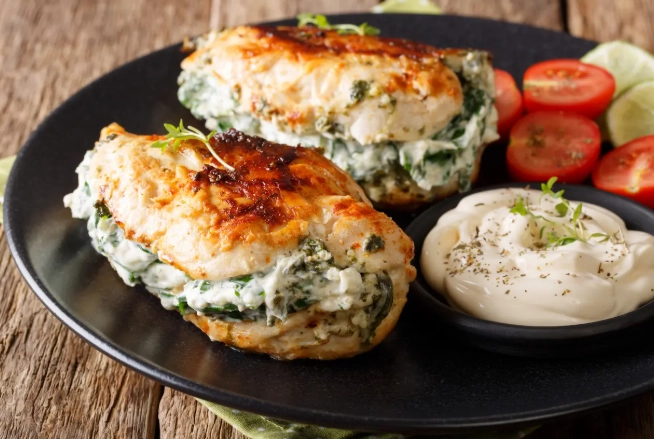
Choosing Your Ingredients: A Quick Guide to Making It Shine
Small choices here make a big difference in your final dish. Let's break it down.
| Ingredient | The Best Choice | Why It Matters | Good Alternative |
|---|---|---|---|
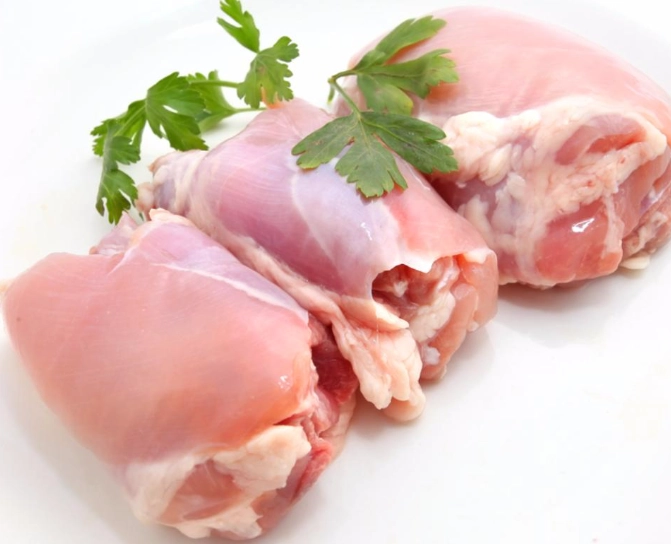
| Chicken | Boneless, skinless breasts of even thickness. | Easiest to stuff and cooks evenly. Look for "air-chilled" if possible—it often results in better texture. | Chicken thighs (boneless, skinless). More forgiving and flavorful, but harder to stuff neatly. |
| Ricotta Cheese | Whole milk, fresh ricotta from the deli section. | Superior creaminess and flavor. Less stabilizers mean a smoother melt and integration. | Good-quality tub ricotta (like Polly-O or Calabro). Avoid fat-free versions—they can be chalky. |
| Herbs | Fresh basil, parsley, thyme, or oregano. | Fresh herbs add a vibrant, aromatic punch that dried herbs can't match in a fresh cheese filling. | High-quality dried Italian seasoning in a pinch. Use half the amount you would of fresh. |
| Add-Ins | Fresh spinach, sun-dried tomatoes, artichokes, roasted peppers. | These add moisture, flavor, and texture. Always chop them finely and wring out excess liquid (like from spinach). | Frozen chopped spinach (thawed and squeezed dry), jarred roasted red peppers. |
My Two Cents: I used to buy the cheapest ricotta I could find. It worked, but the texture was sometimes a bit grainy. Switching to a slightly pricier fresh ricotta was a game-changer for my stuffed chicken. The filling was luxuriously smooth. For a weeknight, the tub is fine, but if you're making this for guests or a special dinner, splurge on the good stuff.
Answering Your Chicken Ricotta Questions (FAQs)
I get a lot of questions about this dish. Here are the ones that pop up most often.
Can I use something other than ricotta?
Sure, but it won't be the same. Ricotta is unique—it's moist but doesn't completely liquefy when heated. You could try a mix of cream cheese and a little milk, or maybe a soft goat cheese (chèvre), but the flavor will be stronger. For a similar texture, some people use cottage cheese blended until smooth. But honestly, ricotta is the star for a reason. The Italian Cheese Center has a great primer on traditional ricotta if you're curious about its origins and characteristics.
My cheese always leaks out. What am I doing wrong?
Two things: overstuffing and not sealing properly. You only need enough filling to create a thin layer inside. Also, make sure you're securing the opening well. If you cut a pocket, don't cut it so big that it's a gaping hole. Use enough toothpicks to close the seam. And don't forget—a little leakage is normal and tastes great! It's not a failure.
Can I make chicken ricotta ahead of time?
Absolutely, and it's a great time-saver. You can assemble the stuffed chicken breasts, place them in the baking dish, cover tightly, and refrigerate for up to 24 hours before baking. You might need to add 3-5 extra minutes to the baking time since you're starting from cold. I do this all the time when I have friends over.
Is chicken ricotta actually healthy?
It can be a very balanced meal. Chicken breast is lean protein. Ricotta provides protein, calcium, and some fat. The key is what you add and how you cook it. Loading the filling with veggies like spinach and using a moderate amount of cheese keeps it nutritious. Baking instead of frying is also a healthier choice. Compared to a heavy cream-based Alfredo sauce, a healthy chicken ricotta dish is a much lighter, protein-packed option. For nutritional specifics, resources like the USDA FoodData Central are invaluable for checking the profile of individual ingredients.
What do I serve with it?
Keep it simple. The dish is rich, so something light and fresh on the side is perfect. Here's my go-to list:
- A simple green salad with a lemony vinaigrette.
- Roasted asparagus or green beans.
- Quinoa or couscous to soak up any juices.
- A crusty piece of bread. Non-negotiable for wiping the plate clean.
Troubleshooting Common Problems
Even with a simple recipe, things can go sideways. Here's how to fix them.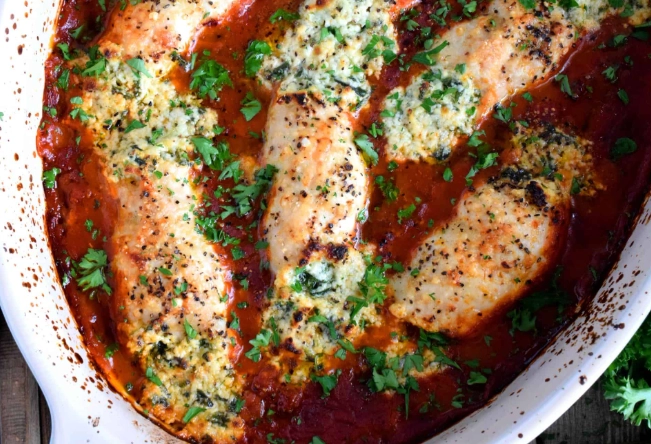
Problem: Dry Chicken.
Likely Cause: Overcooking. Chicken breast has a very small window between done and dry.
Fix: Use a meat thermometer. Pull it at 165°F and let it rest. Also, ensure your ricotta filling isn't too dry—add a tiny splash of olive oil or milk to the mixture if it seems thick.
Problem: Undercooked Chicken, Burnt Cheese.
Likely Cause: Oven temperature too high, or chicken was too thick.
Fix: Lower the oven temp to 375°F and bake longer. Consider pounding the chicken to an even thickness before stuffing, or butterfly it (the "book" method) to ensure it cooks quickly and evenly.
Sometimes, you just have to embrace the imperfections. My first few attempts at chicken ricotta recipes were messy. The filling oozed, the presentation was... rustic. But you know what? It still tasted fantastic. That's the real secret. This is a forgiving dish. As long as you season well and don't incinerate the chicken, you're going to end up with something delicious.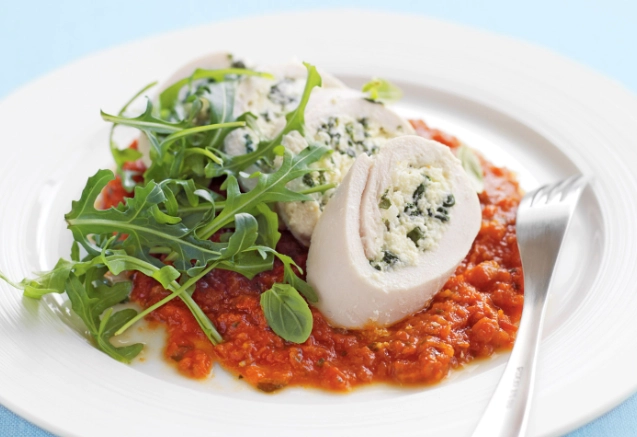
So, the next time you're staring at a package of chicken breasts wondering how to make them exciting, grab some ricotta. Whether you go for the classic stuffed bake, the quick skillet version, or just toss it all into a pasta, you're setting yourself up for a dinner win. It's creamy, it's satisfying, and it proves that a few simple ingredients can be something really special. Now go cook!
Related Articles