The Ultimate Guide to Thawing Chicken Safely and Quickly
You know the feeling. It's 5 PM, you pull a rock-solid pack of chicken breasts from the freezer, and dinner plans hit a wall. Do you run it under hot water? Leave it on the counter? Microwave it and hope for the best? I've been there, and I've made every mistake in the book. Thawing chicken isn't just about convenience; it's the first, and most critical, step in food safety. Get it wrong, and you risk everything from a ruined meal to a serious foodborne illness. But get it right, and you set the stage for juicy, flavorful chicken every single time.
Let's cut through the noise. There are only three methods recognized as safe by food safety authorities like the USDA. Forget the rest. This guide walks you through each one, tells you exactly when to use them, and shares the little tricks I've picked up over years of cooking that most articles don't mention.
What’s Inside This Guide
- Why Thawing the Right Way is a Non-Negotiable
- The Three Safe Methods: A Head-to-Head Comparison
- Method 1: Refrigerator Thawing (The Gold Standard)
- Method 2: Cold Water Thawing (The Speedy Saver)
- Method 3: Microwave Thawing (The Last Resort)
- The One Method You Must Absolutely Avoid
- Pro Tips & Troubleshooting
- Your Thawing Questions, Answered
Why Thawing the Right Way is a Non-Negotiable
It all comes down to temperature control. Bacteria like Salmonella and Campylobacter love to grow in the "danger zone" between 40°F and 140°F (4°C and 60°C). When you leave frozen chicken on the counter, the outer layers warm up into this zone long before the inside thaws. That bacteria multiplies rapidly, and no amount of cooking can guarantee the elimination of toxins some bacteria produce.
Beyond safety, texture is on the line. Improper thawing, especially using heat, kickstarts the process of protein denaturation. You end up with a chalky, mushy exterior and a frozen core—a recipe for uneven cooking and dry meat.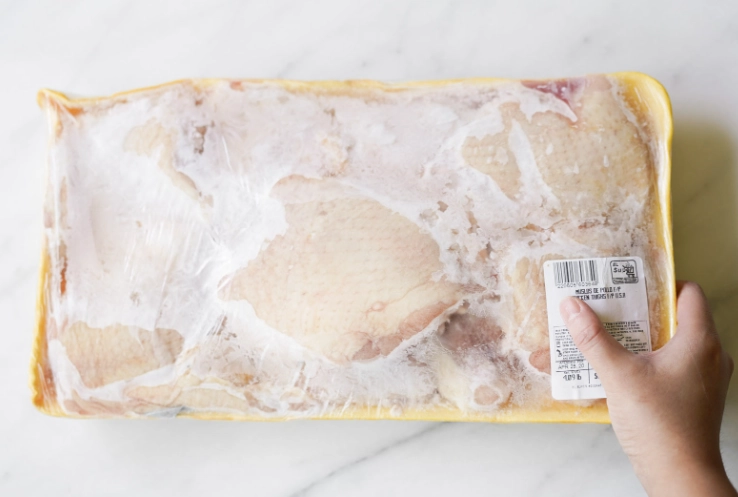
The Three Safe Methods: A Head-to-Head Comparison
Here’s the quick breakdown. Your choice depends on one thing: how much time you have.
| Method | Time Required (for 1 lb) | Best For | Key Consideration |
|---|---|---|---|
| Refrigerator Thaw | 12-24 hours | Planning ahead, best quality & safety | Requires foresight; keeps chicken safe for 1-2 extra days. |
| Cold Water Thaw | 1-3 hours | Same-day cooking, faster than fridge | Requires active management (changing water). |
| Microwave Thaw | 5-10 minutes | Immediate cooking emergencies | Can partially cook edges; must cook immediately after. |
Method 1: Refrigerator Thawing (The Gold Standard)
This is the method recommended by every food safety expert, and for good reason. It’s hands-off, safe, and preserves quality perfectly.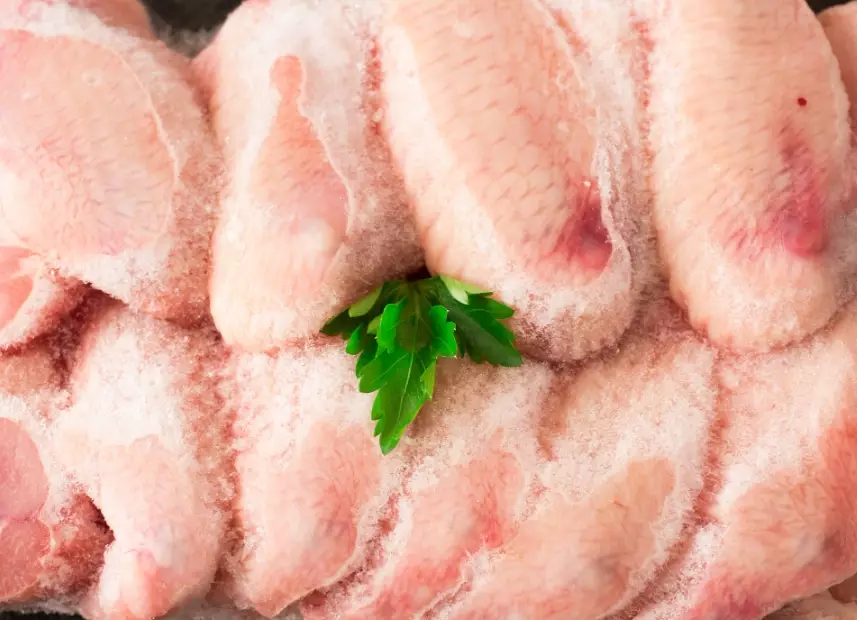
How to Do It Right
Place the frozen chicken, still in its original packaging or a leak-proof zip-top bag, on a plate or in a shallow dish. Put it on the bottom shelf of your fridge. That last part is crucial—it prevents any potential drips from contaminating other foods below.
Timing is everything. A general rule is 24 hours for every 5 pounds of meat. So a single pound of breasts or thighs will take about 4-5 hours? Wrong. That's a common misconception. In reality, a 1-pound package typically needs a full 12 hours, sometimes up to 24. A whole chicken can take 2-3 days. Start the night before, or even two nights before for larger cuts.
The beauty of this method? You get a buffer. Once thawed in the fridge, chicken remains at a safe temperature for an additional 1 to 2 days before you need to cook it. It’s the only method that gives you that flexibility.
Method 2: Cold Water Thawing (The Speedy Saver)
This is my go-to when I forget to plan ahead. It’s faster than the fridge but requires a bit more attention.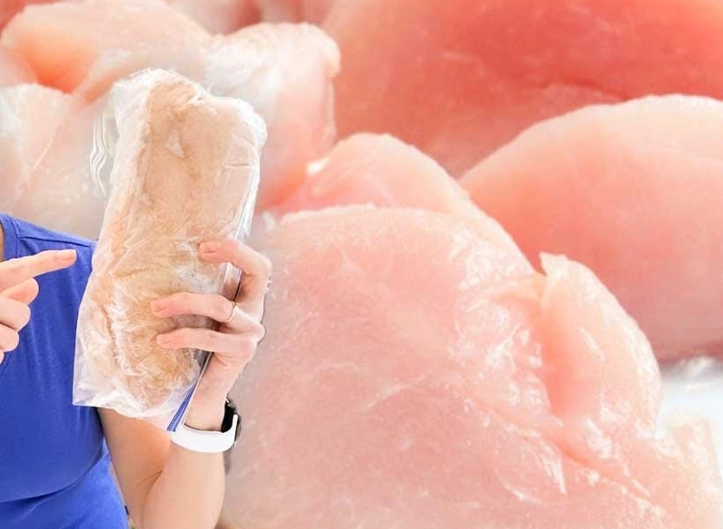
The Step-by-Step Process
First, ensure the chicken is in a leak-proof plastic bag. Submerging the original store packaging can let water in, which dilutes flavor and introduces bacteria. Double-bag it if you're unsure.
Fill a large bowl, pot, or your clean sink with cold tap water. Never use warm water—it’s an invitation to the danger zone. Submerge the bagged chicken completely.
Here’s the pro tip most people skip: change the water every 30 minutes. The cold water absorbs heat from the chicken and warms up. Fresh cold water keeps the process efficient and safe. A 1-pound package usually thaws in 1-2 hours with this method.
Method 3: Microwave Thawing (The Last Resort)
I call this the “last resort” for a reason. Microwaves thaw extremely unevenly, often starting to cook the thin edges and corners while the center remains frozen. It’s a gamble with texture.
If you must use it, use your microwave’s dedicated "defrost" or low-power setting (usually 30-50% power). Place the chicken on a microwave-safe plate. Be prepared to stop, check, separate pieces, and rotate frequently. It’s not a “set it and forget it” operation.
The moment it’s pliable but still icy in spots, stop. Any parts that feel warm or have started to cook need immediate attention.
This is non-negotiable: You must cook microwave-thawed chicken immediately after thawing. The rapid, uneven heating creates perfect pockets for bacterial growth. Transfer it straight to the pan, oven, or grill.
The One Method You Must Absolutely Avoid
Thawing chicken on the kitchen counter, in the sink, or in a bowl of warm water. Just don't. It’s the single biggest food safety mistake home cooks make with frozen poultry.
Think about it. The outside of that chicken breast can reach room temperature in under an hour, sitting in the prime bacterial growth zone, while the inside is still a frozen block. The USDA is explicit: "Never thaw food at room temperature." The risk isn't worth saving a few hours.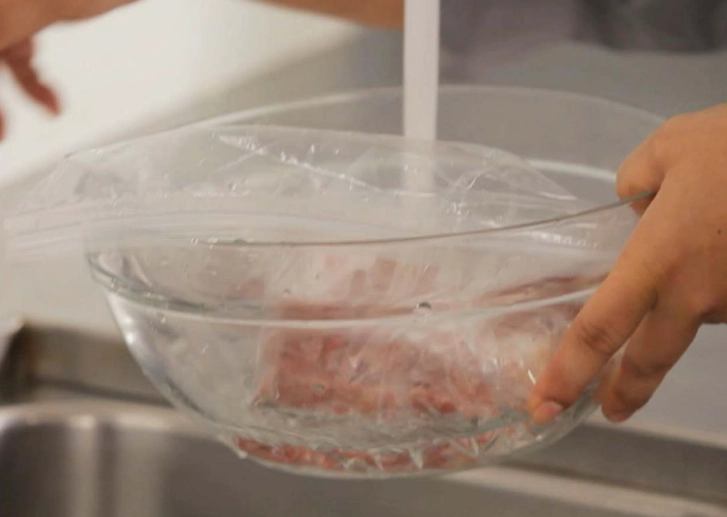
Pro Tips & Troubleshooting From My Kitchen
You’ve got the basics. Here’s where experience talks.
For a Faster Cold Water Thaw: Use a large bowl and keep a slow, thin stream of cold running water trickling into it. This continuously circulates cold water and can cut the time by a third. It uses more water, so it's an eco-trade-off, but it works in a pinch.
The "Forgot to Thaw" Dinner: If it's 6 PM and you have frozen chicken, your best bet isn't the microwave. Cut or pound the frozen chicken to an even, thin thickness (about 1/2 inch) while it's still solid. It will cook through from frozen in a hot pan or under a broiler much more evenly than a thick, solid block. Adjust your recipe to a quick-cooking method like stir-frying or thin cutlets.
Texture Rescue: If you’ve accidentally over-thawed or the texture seems a bit mushy from water immersion, pat the chicken extremely dry with paper towels before seasoning and cooking. A dry surface is the secret to a good sear and helps firm up the exterior.
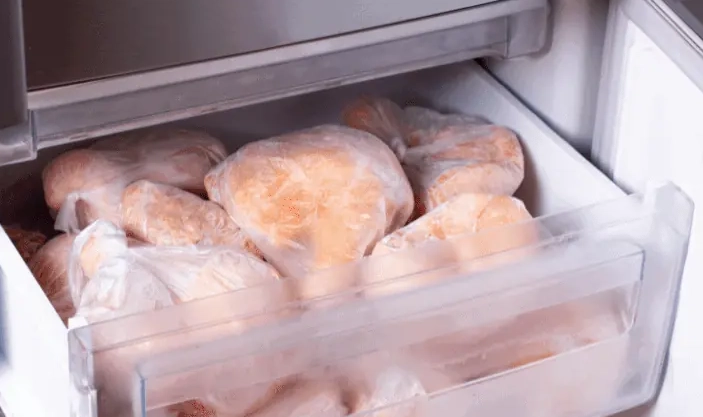
Freeze for Success: Prevent future thawing headaches by freezing chicken properly. Portion it into meal-sized amounts, flatten breasts or chops slightly before freezing so they thaw evenly, and always label with the date. Use frozen chicken within 9-12 months for best quality.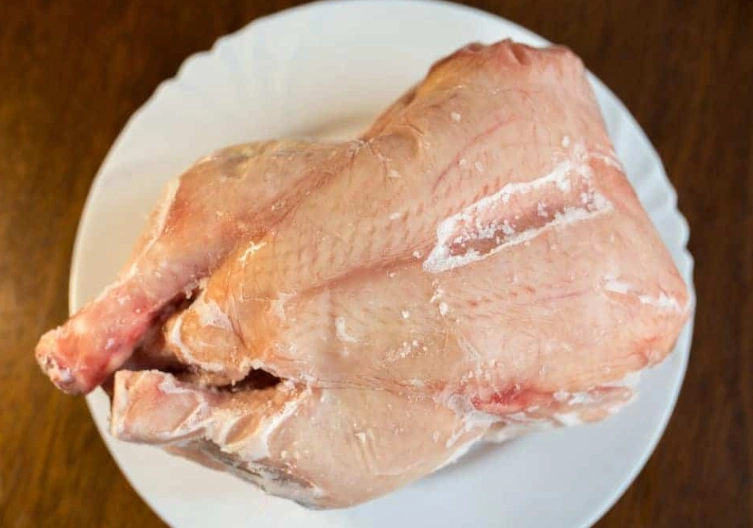
Your Thawing Questions, Answered
Thawing chicken doesn't have to be a stressful mystery. It's a simple process of choosing the right tool for your timeline and respecting the temperature clock. Plan ahead with the refrigerator method when you can. Use the cold water bath as your reliable backup. See the microwave as an emergency button. And never, ever let it sit out on the counter.
Master this first step, and you're already 90% of the way to a safer, more delicious chicken dinner.
Related Articles