The Ultimate Guide to Frozen Chicken Strips: Cooking, Brands & Nutrition
Quick Guide
Let's be honest, we've all stood in front of the freezer aisle at some point, staring at the wall of options, wondering which box of frozen chicken strips is worth our money. I know I have. You grab a box, check the ingredients (sometimes), maybe look at the protein content, and hope for the best. Sometimes you win, and dinner is a crispy, satisfying success. Other times... well, let's just say you end up with something that tastes more like seasoned cardboard than chicken.
It doesn't have to be a guessing game. Frozen chicken strips are a pantry staple for a reason – they're incredibly convenient, can be surprisingly versatile, and when done right, they're genuinely delicious. But with so many brands and cooking methods shouting for your attention, how do you navigate it all?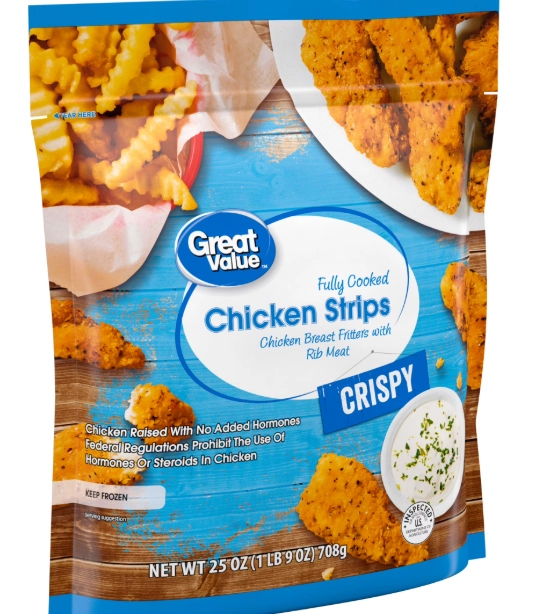
That's what this guide is for. No fluff, just the stuff you actually need to know.
The Ultimate Buying Guide: How to Pick the Best Box
Not all frozen chicken strips are created equal. Far from it. The difference between a great strip and a disappointing one often comes down to a few key things you can spot right on the box. Forget the flashy marketing; here's what your eyes should be hunting for.
First Thing to Check: The Ingredient List
This is your truth detector. A shorter list is generally a good sign. What are you looking for? You want to see chicken as the first ingredient, obviously. After that, look for simple seasonings and breading components like wheat flour, spices, and salt.
What you might want to avoid are long, unpronounceable additives. Things like "textured soy protein concentrate" or "autolyzed yeast extract" are often fillers or flavor enhancers that signal the actual chicken content might be lower. I'm not saying every additive is evil, but if the list reads like a chemistry experiment, the texture and taste might suffer. Some brands use these to keep costs down, and you can usually taste the difference.
Certifications and Claims: What Do They Mean?
Boxes are covered in stamps and seals. Here's the lowdown on the common ones:
- USDA Organic: This means the chickens were raised without antibiotics and fed organic feed. It's a stricter standard. If this is important to you, it's a reliable label regulated by the USDA.
- Raised Without Antibiotics: Pretty straightforward. No antibiotics were used in raising the chicken. This is different from "antibiotic-free," which isn't a term officially recognized by the USDA.
- Gluten-Free: Crucial for those with celiac disease or gluten sensitivity. The breading will be made from alternatives like rice flour or cornmeal.
- Air-Chilled: This is a processing method. Instead of being chilled in a communal water bath (which can lead to water absorption), air-chilled birds use cold air. The result? Chicken that's often more flavorful and less watery. In my experience, it makes a noticeable difference in getting that breading really crispy.
Breading Style: Panko vs. Homestyle
This is pure personal preference, but it affects the final product dramatically.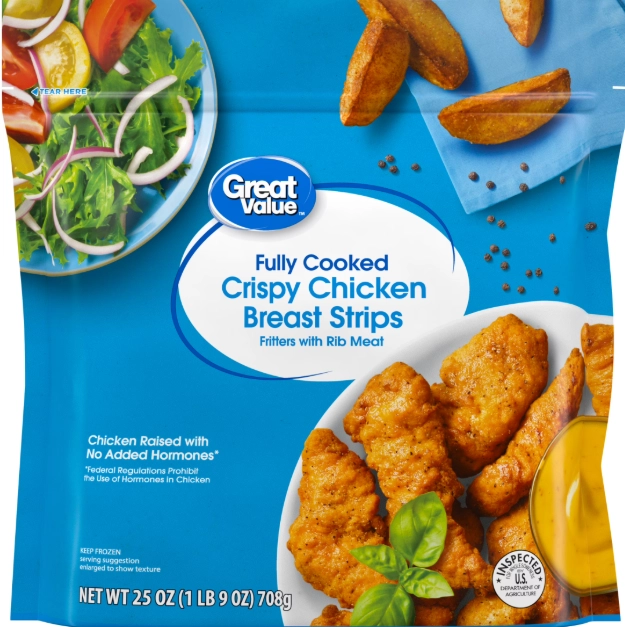
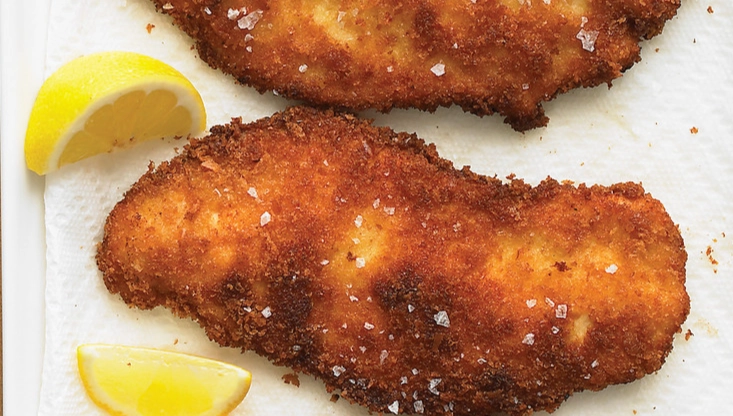
Panko Breaded: These use Japanese-style breadcrumbs which are larger, flakier, and airier. They create an incredibly light and shatteringly crisp crust. If you love maximum crunch with less greasy feel, this is your winner.
Homestyle / Southern Style: This breading is finer, denser, and often more seasoned. It browns up beautifully and delivers that classic, hearty "fried chicken" flavor and texture. It can sometimes feel a bit heavier than panko.
There's no right answer here. I keep both types in my freezer for different moods. Panko for when I want something lighter and extra crispy, homestyle for that ultimate comfort food feel.
Cooking Methods Face-Off: From Soggy to Super Crispy
Here's where most people go wrong. You can have the best frozen chicken strips in the world, but if you cook them poorly, they'll be a letdown. The instructions on the box are a starting point, but they're often generic. Let's break down the real-world results.
I've cooked enough batches to have strong opinions on this. The goal is simple: hot, cooked-through chicken with a crust that's golden brown and CRISP, not soft or chewy.
| Method | Best For | Key to Success | Downside | Crisp Factor (1-10) |
|---|---|---|---|---|
| Oven / Toaster Oven | Even cooking, larger batches, hands-off. | Use a wire rack on the baking sheet. This lets hot air circulate *under* the strip, preventing a soggy bottom. Seriously, this is a game-changer. | Longest cook time. Can dry out if overcooked. | 8 (with a rack) |
| Air Fryer | Speed and maximum crispiness. | Don't overcrowd the basket. Shake halfway. Cooks in about 10-12 mins from frozen. | Smaller batch sizes. Can vary between models. | 9.5 |
| Skillet / Frying Pan | When you need them FAST. | Medium heat with a bit of oil. Cook from frozen, cover for the first few minutes to thaw the center, then uncover to crisp the exterior. | Requires attention. Can be greasy if you use too much oil. | 7 |
| Deep Fryer | The classic restaurant-style crunch. | Ensure oil is at correct temp (usually 350°F-375°F). Fry frozen. | Messy, less healthy, uses a lot of oil. | 10 |
| Microwave | Absolute last resort, dire emergencies only. | If you must, use a paper towel and the "crisp" setting if your microwave has it. Expect soft breading. | Steams the strips, making the breading soggy and rubbery. | 2 |
My personal favorite? The air fryer, no contest. It gets so close to deep-fried texture without the mess and with way less oil. The oven with a rack is a very close second, especially when feeding a family. The microwave... let's just not talk about the microwave. I tried it once when I was in a ridiculous hurry, and I regretted it. The texture was all wrong.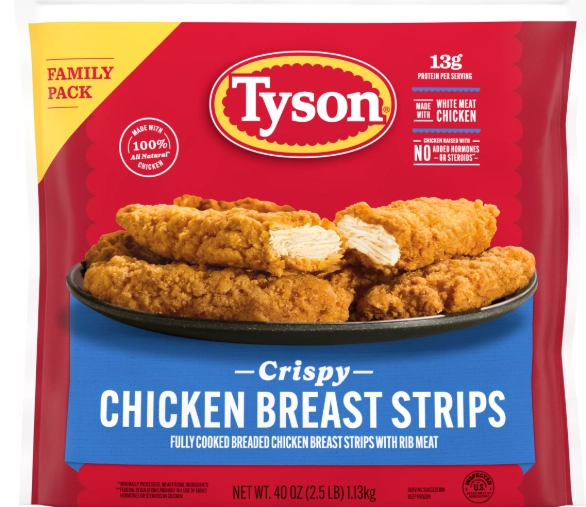
Brand Deep Dive: A Real-World Ranking
Alright, let's get to the brands. I've tried my fair share over the years. This isn't about price per ounce alone; it's about flavor, texture, ingredient quality, and that overall satisfaction factor. Here's my take on some of the major players.
Top Tier: Worth the Splurge
Top 1: Bell & Evans These are the gold standard, in my opinion. They use air-chilled, antibiotic-free chicken, and the breading is just perfect—crispy, well-seasoned, and never greasy. You're paying for it, but you're getting a product that tastes close to homemade. The panko version is exceptionally good.
Top 2: Applegate A fantastic choice if you're looking for cleaner ingredients. Their Natural Chicken Strips have a very short, recognizable ingredient list. The chicken quality is excellent, though the breading can be a tad less crunchy than others. Great for kids and health-conscious adults.
Middle Ground: Solid Everyday Picks
Top 3: Tyson Air Fried Tyson really nailed it with this line. They're designed for the air fryer (but work in the oven too) and come out incredibly crispy with a lighter feel. They're a great bridge between premium and value brands. The flavor is consistently good.
Top 4: Just Bare Lightly Breaded These have a cult following for a reason. The breading is minimal—just a light, crispy coating that lets the chicken flavor shine through. They're lower in carbs and feel less heavy. Perfect for salads or when you want protein without a heavy fried food feel.
Top 5: Perdue Simply Smart A reliable performer. The strips are made from whole breast meat, and the breading is classic and satisfying. They're widely available and often go on sale, making them a practical staple.
Budget-Friendly & Kid-Focused
Tyson or Perdue Standard Lines: These are the workhorses. They're affordable, taste like the classic "school cafeteria" or fast-food style strips (which many people, especially kids, love), and are easy to find. The catch? They often have longer ingredient lists with more fillers and additives. The texture can be a bit more uniform and less like a real piece of chicken.
Store Brands (Kirkland, Great Value, etc.): This is a mixed bag. Some store brands are shockingly good and may even be produced in the same facilities as name brands. Others are clearly lower quality. You have to try your specific store's version. Costco's Kirkland panko-breaded strips, for example, get rave reviews and are a fantastic value.
Nutrition and Health: Beyond the Bread Crumbs
Let's address the elephant in the room. Are frozen chicken strips healthy? The answer is: they can be part of a balanced diet, but you have to be smart about it. They're not a salad, but they're also not a deep-fried candy bar.
The main concerns are usually sodium, saturated fat (from frying), and the refined carbs in the breading. A single serving of some brands can contain over 20% of your daily sodium recommendation. That adds up quickly if you're eating several strips.
So, how do you make healthier choices?
- Go for "Lightly Breaded" or "Gluten-Free" options: These often have a thinner coating, which means fewer carbs and less oil absorption.
- Bake or Air Fry: This drastically cuts down on fat compared to deep frying.
- Pair them wisely: Don't just eat a pile of strips. Serve 2-3 over a huge bed of greens for a hearty salad, with a side of roasted vegetables, or in a whole-wheat wrap with lots of veggies. This balances the meal with fiber and nutrients.
- Check the serving size: It's usually 3-4 strips. Stick to that and load up on the sides.

As a source of protein, they're decent. Chicken is a complete protein, and a serving can deliver 15-20 grams. That's useful for post-workout meals or just staying full. The Dietary Guidelines for Americans emphasize lean protein sources, and opting for a whole-muscle, lightly breaded strip can fit that bill better than a heavily processed one.
It's all about context and choice.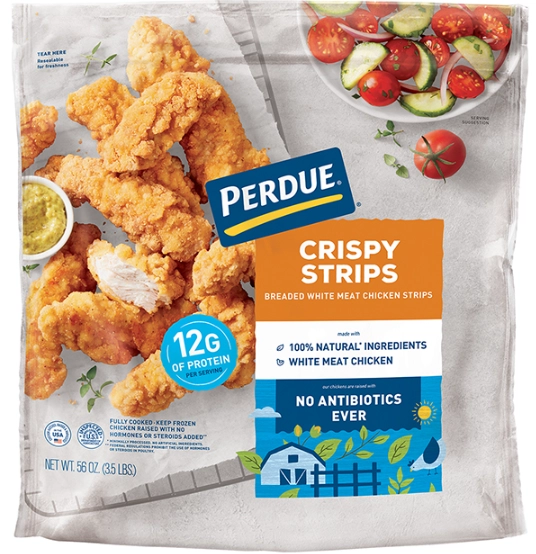
Your Frozen Chicken Strip Questions, Answered
I get asked a lot of the same things about frozen chicken strips. Here are the straight answers.
Can you refreeze frozen chicken strips after cooking them?
Technically, yes, if they were cooked to a safe temperature (165°F) and cooled quickly. The USDA says previously cooked and frozen meat can be safely refrozen. However, the quality will take a hit. The breading will likely become soggy upon reheating a second time, and the chicken can become drier. I don't recommend it if you can avoid it. Cook what you need.
Why are my frozen chicken strips soggy even after baking?
Two main culprits: 1) You didn't use a wire rack. The strip steams in its own moisture on a solid pan. 2) Your oven wasn't hot enough, or you overcrowded the pan. Hot, circulating air is key. Preheat your oven properly and give those strips some space.
Are there any truly healthy frozen chicken strip brands?
"Healthy" is subjective, but brands like Just Bare (light breading), Applegate (clean ingredients), and Bell & Evans (quality chicken) offer better-for-you options with simpler ingredients, less sodium, and no artificial additives. They prioritize the quality of the chicken itself.
How long do cooked chicken strips last in the fridge?
Cooked chicken strips will keep in the fridge for 3-4 days in an airtight container. They're great for salads, wraps, or quick snacks throughout the week. For the best texture, reheat in a toaster oven or air fryer, not the microwave.
Can I cook frozen chicken strips from frozen, or do I need to thaw them?
Always cook them from frozen! This is crucial. Thawing them first will make the breading soggy and can lead to uneven cooking. Every cooking method—oven, air fryer, skillet—is designed to start with a frozen product. The direct heat sears the outside while the inside thaws and cooks through.
Getting Creative: It's Not Just Kid Food
If you think frozen chicken strips are only for a quick kid's dinner with ketchup, you're missing out. They're a fantastic shortcut ingredient for busy adults. Think of them as pre-cooked, seasoned, crispy chicken pieces. Here are a few ways I use them:
- Bang-Bang Chicken Salad: Chop strips and toss over romaine with shredded carrots, cucumbers, and a creamy, spicy bang-bang sauce (mayo and sriracha).
- Chicken Parmesan Hack: Place cooked strips on marinara sauce, top with mozzarella, and broil until bubbly. Serve over pasta.
- Buffalo Chicken Wraps: Toss strips in buffalo sauce, wrap in a tortilla with lettuce, tomato, and blue cheese dressing.
- Chicken Strip Tacos: Sounds weird, tastes great. Slice strips, put in a warm tortilla with slaw, avocado, and a lime crema.
- Quick Chicken Caesar Salad: This is my lazy-weeknight go-to. Strip on romaine with parmesan and Caesar dressing. Done in 10 minutes.
The versatility is the real secret weapon of keeping a box of good quality frozen chicken strips in your freezer. They're a foundation you can build a dozen different meals around.
So next time you're in that freezer aisle, you can look past the marketing. You know what to look for on the label, how to cook them to perfection, and how to turn them into something beyond the expected. A little knowledge turns a convenience food into a reliable kitchen staple that actually tastes good. And isn't that the whole point?
Related Articles