Is Chicken Gluten Free? The Ultimate Guide to Safe Eating
Your Quick Guide
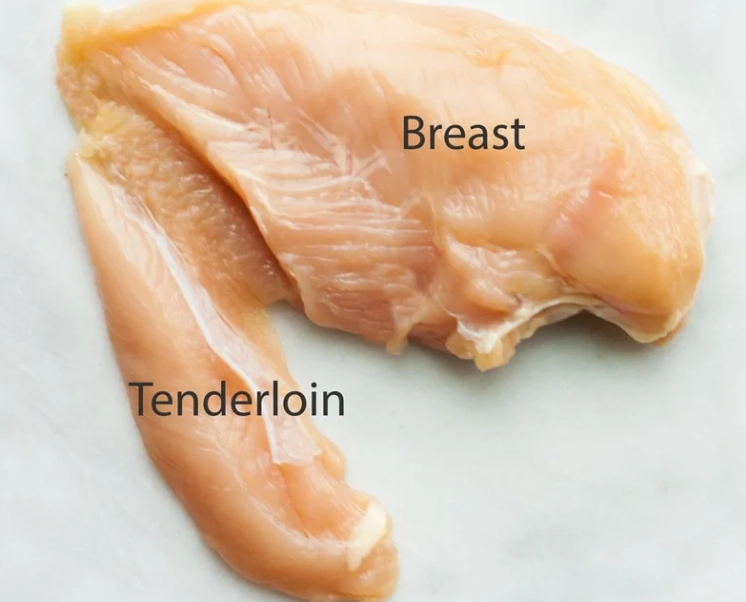
Let's cut right to the chase. If you're staring at a plain, raw chicken breast you just bought from the butcher counter, the answer is a resounding yes. Chicken, in its most basic, unadulterated form, is naturally gluten-free.
It's meat. It comes from an animal. Gluten comes from grains like wheat, barley, and rye. See the disconnect?
But here's the thing that trips up so many people, myself included when I first navigated this for a family member: we rarely eat chicken in its "natural" state. We bread it, marinate it, buy it pre-cooked or frozen, and order it in restaurants where it shares a fryer with onion rings. That's where the simple question "is chicken gluten free" gets a whole lot more complicated, and frankly, where most quick-answer articles drop the ball.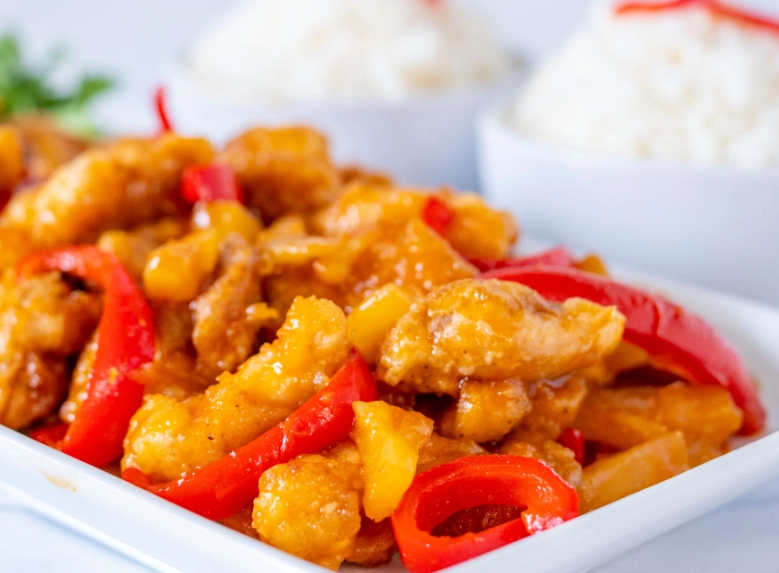
What Exactly Is Gluten, and Why Should Chicken Eaters Care?
Before we dive into the murky waters of processed foods, let's get clear on the enemy. Gluten is a group of proteins found in wheat, rye, barley, and their derivatives (like malt and brewer's yeast). It's the "glue" that gives bread its chewy texture.
For most people, it's harmless. But for those with celiac disease, an autoimmune disorder, or non-celiac gluten sensitivity, it's a major problem. Ingesting gluten triggers an immune response that damages the small intestine in people with celiac disease, leading to a host of nasty symptoms and long-term health risks. Even tiny amounts matter. We're talking crumbs.
So when someone with these conditions asks "is chicken gluten free," they're not being picky. They're managing a serious health need. The stakes are high, which is why vague answers aren't good enough.
The Real Problem: When "Gluten-Free Chicken" Isn't
This is the heart of the issue. The journey from farm to fork is riddled with potential gluten landmines. Let's break down the main culprits.
1. The Seasoning and Marinade Trap
Walk down the meat aisle. See those juicy-looking pre-marinated breasts or seasoned cutlets? Stop right there. Many commercial marinades, rubs, and "flavor solutions" use wheat-based soy sauce, hydrolyzed wheat protein, malt vinegar, or flour as a thickener and flavor carrier.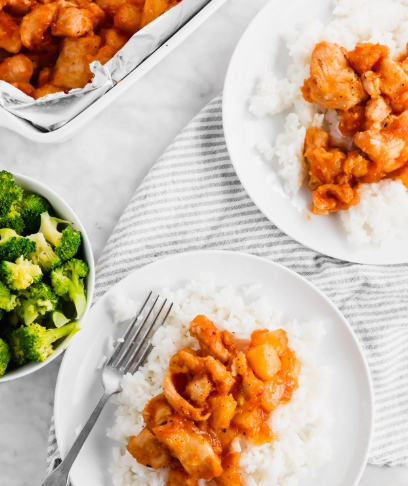
I once picked up a packet of "herb and garlic" chicken without a second thought, only to find "wheat flour" buried in the ingredient list. It's a sneaky practice, especially with "teriyaki" or "savory" flavors. Always, always read the ingredient label. The FDA's guidance on reading labels is a lifesaver here.
2. Breading, Batters, and Coatings
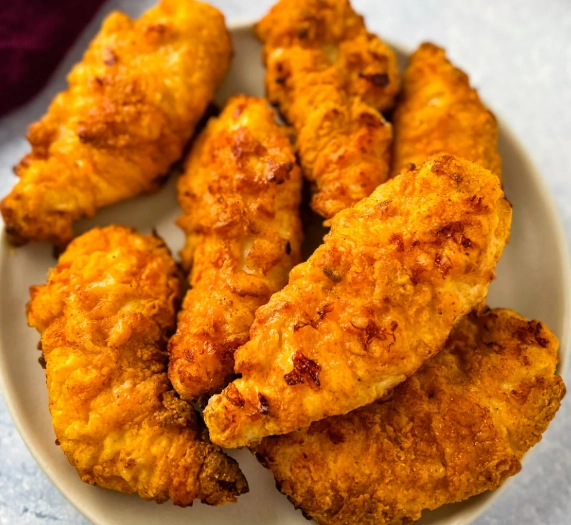
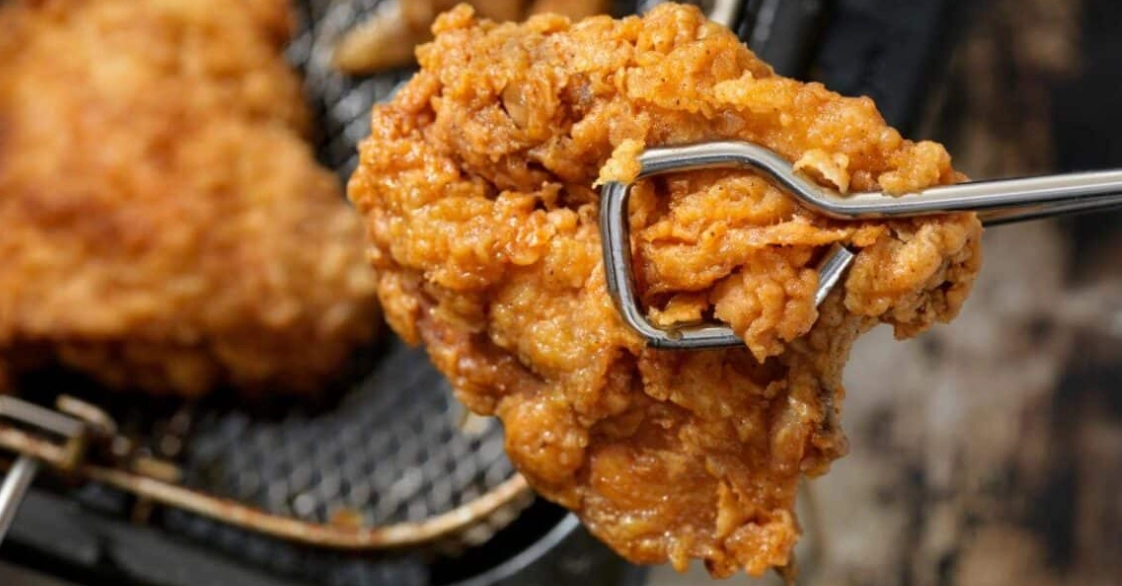
This one's obvious, but worth stating. Any chicken product described as crispy, fried, breaded, battered, or "in a crunch coating" is almost certain to contain gluten. The breading is typically made from wheat flour. This includes:
- Frozen chicken nuggets and patties (unless specifically labeled gluten-free)
- Fried chicken from restaurants (even if it's "just" the skin)
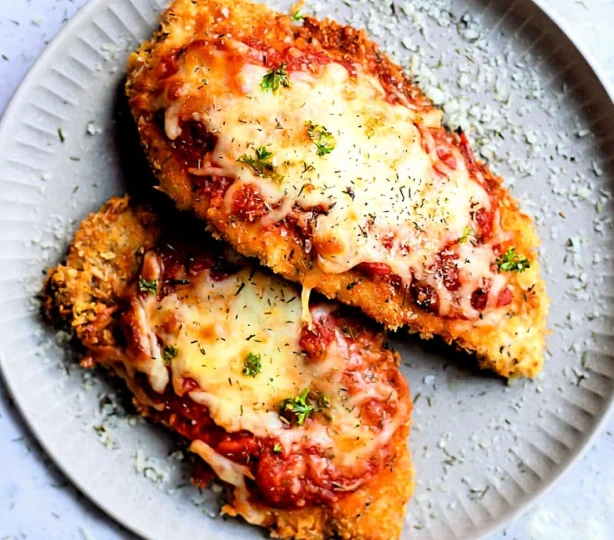
- Chicken katsu, schnitzel, or parmigiana
- Many pre-made "popcorn" chicken snacks
3. Processed Chicken Products
This category is a minefield. When chicken is ground, reformed, and mixed with other ingredients, gluten can sneak in as a binder or filler.
- Chicken Sausages & Burgers: Often contain breadcrumbs or rusk as a binder.
- Chicken Deli Meats & Lunchables: May contain gluten-based stabilizers or be sliced on shared equipment. Some brands dust slices with flour to prevent sticking.
- Canned Chicken with Broth: The broth may contain hydrolyzed wheat protein.
- Self-Basting Chickens: Some injected roasters contain gluten-containing flavorings.
The golden rule? If it's not a single-ingredient, recognizable cut of meat, you must investigate.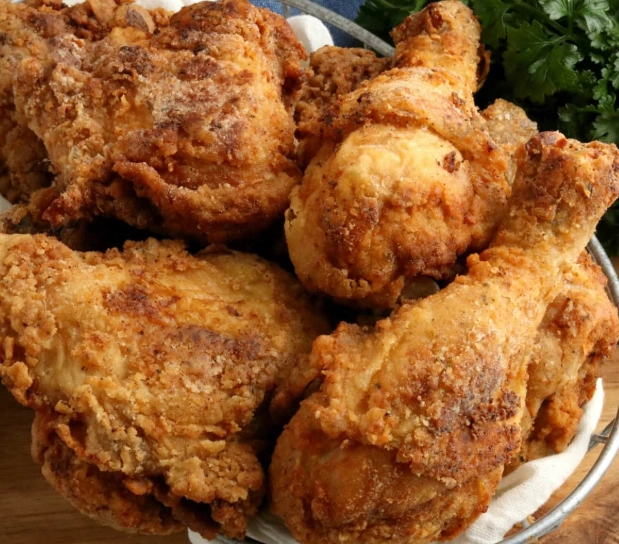
The Invisible Threat: Cross-Contamination
Even if the chicken is pure and the ingredients are clean, gluten can still find its way in through cross-contamination. This is the aspect of "is chicken gluten free" that causes the most daily anxiety for people on a strict diet.
It happens everywhere:
- At the Store: Bulk bins where breaded items are near plain cuts, or using the same tongs.
- In the Factory: Gluten-free chicken strips made on the same production line as regular ones. This is why "made in a facility that processes wheat" warnings are so critical.
- In Restaurant Kitchens: This is the big one. A grill that just cooked a flour-dusted burger. A fryer that's used for both fries (potato = gluten-free) and breaded mozzarella sticks (wheat = gluten). A cutting board or knife that wasn't cleaned after preparing a sandwich. Shared colanders, toasters, and condiment jars (like butter that has breadcrumbs in it).
This is why simply seeing "grilled chicken" on a menu isn't a green light. You have to ask specific questions about preparation.
Your Action Plan: How to Safely Enjoy Gluten-Free Chicken
Enough with the problems. Let's talk solutions. Here’s a practical, step-by-step approach to ensure the chicken you eat is truly safe.
At the Grocery Store: Label Decoding 101
Stick to the perimeter and focus on whole cuts. When buying anything packaged, your eyes should go straight to the label.
- Look for a Certified Gluten-Free Seal: This is the gold standard. Organizations like GFCO have strict standards (less than 10 ppm gluten) and verify manufacturing processes. It's more reliable than a company's own "gluten-free" claim.
- Read the Entire Ingredient List: Don't just skim. Look for wheat, barley, rye, malt, brewer's yeast, and their derivatives. The FDA requires wheat to be clearly declared as an allergen.
- Heed the Advisory Statements: Phrases like "may contain wheat," "processed in a facility...," or "made on shared equipment..." are red flags for those with high sensitivity. For celiac disease, it's often recommended to avoid these products.
| Chicken Product Type | Typical Gluten Status | Key Things to Check On Label |
|---|---|---|
| Plain, Fresh Chicken Breast/Thighs | Naturally Gluten-Free | Ensure no added "broth" or "solution." Check for store seasoning. |
| Pre-Marinated Chicken | High Risk | Soy sauce, malt vinegar, "natural flavors," wheat starch, modified food starch. |
| Frozen Breaded Chicken (e.g., nuggets) | Almost Always Contains Gluten | Wheat flour is primary coating. Seek certified GF alternatives. |
| Rotisserie Chicken (from store) | Variable Risk | Spice blends, basting juices. Ask for ingredient list at counter. |
| Canned Chicken | Usually Safe | Broth ingredients. Opt for "in water" vs. "in broth." |
| Chicken Broth/Stock | Moderate Risk | Hydrolyzed wheat protein, barley (in some "natural flavors"). |
In Your Kitchen: Creating a Safe Zone
Your home should be your sanctuary. Here’s how to keep it that way:
- Dedicate Tools: Have a separate colander for draining gluten-free pasta (yes, pasta water can contaminate chicken if you boil them together). Consider separate cutting boards, toasters (for breaded chicken vs. GF bread), and wooden utensils that can harbor gluten in pores.
- Organize Your Pantry: Store gluten-free flours and breadcrumbs above gluten-containing ones to prevent spillage contamination.
- Clean Thoroughly: Use fresh foil on baking sheets, scrub down counters, and wash utensils well with soap and water. Flour dust can stay airborne and settle on surfaces.
At Restaurants: The Interview Script
Dining out requires strategy. Don't be shy—your health depends on it.
- Call Ahead: Ask if they have a gluten-free menu or can accommodate celiac disease.
- Talk to the Manager or Chef: Servers, while helpful, often don't know kitchen details. Say: "I have a severe allergy to wheat and gluten. Can your grilled chicken be cooked on a clean grill or pan that hasn't touched flour or bread? And can you use fresh utensils?"
- Specify Every Component: "Is the seasoning just salt and pepper?" "Are the vegetables steamed in plain water?" "Is the butter served separately clean (no bread crumbs)?"
- Choose Safer Cuisines: Restaurants with naturally gluten-free focuses (like steakhouses, certain Mexican places using corn) are often more aware. Fast-food fried chicken joints are among the riskiest places to ask "is chicken gluten free."
Answering Your Burning Questions
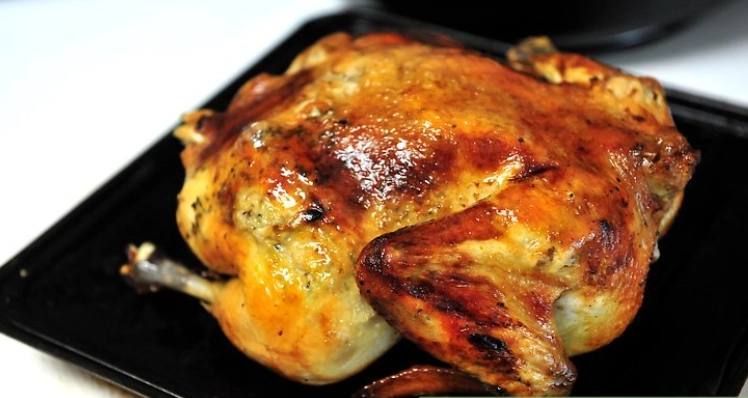
This is a classic. The answer is: It depends entirely on the store and recipe. Many major chains (like Costco) have publicly available allergen guides stating their classic rotisserie chicken is gluten-free. However, flavored varieties (like BBQ or lemon pepper) often are not. The only way to know for sure is to check the store's allergen information online or ask for the ingredient list at the service counter. Never assume.
No, they are not. This is a huge pitfall. Many canned, boxed, or powdered broths use hydrolyzed wheat protein as a flavor enhancer. Even some "all-natural" brands can include barley in their "natural flavor" blend. You must read labels meticulously. Brands like Swanson clearly label their gluten-free varieties. The Celiac Disease Foundation's resource list can be a good starting point for verified products.
This is where you need to be ultra-cautious. The breading on nuggets, sandwiches, and strips is wheat-based. Even grilled chicken at fast-food chains is high-risk due to shared prep areas, grills, and common marinades that may contain gluten. Some chains now offer gluten-free buns, but the cross-contamination risk in the kitchen remains extremely high. For someone with celiac disease, fast-food chicken is generally considered unsafe unless the chain has a dedicated gluten-free protocol (which is rare).
In the US, you can generally trust a "gluten-free" claim on packaged foods due to FDA regulations that require the product to contain less than 20 parts per million (ppm) of gluten. However, this regulation doesn't cover restaurants. The label doesn't guarantee no cross-contamination during manufacturing, though reputable certified brands (GFCO, NSF) test for that. It's the best assurance we have, but for ultra-sensitive individuals, sticking to whole foods is still safest.
Not inherently. "Organic" refers to farming practices, not the presence of gluten. An organic chicken can still be injected with a gluten-containing broth or coated in a wheat-based seasoning. The label that matters is "gluten-free," not "organic." However, organic whole chickens are less likely to have added non-organic solutions, so they can be a good starting point.
The Bottom Line: It's About Vigilance, Not Fear
So, is chicken gluten free? The foundational answer never changes: pure, unprocessed chicken is a safe, nutritious, and naturally gluten-free protein.
The complexity comes from our food system. The marinades, the coatings, the fillers, the shared kitchens—these are what turn a simple question into a daily puzzle.
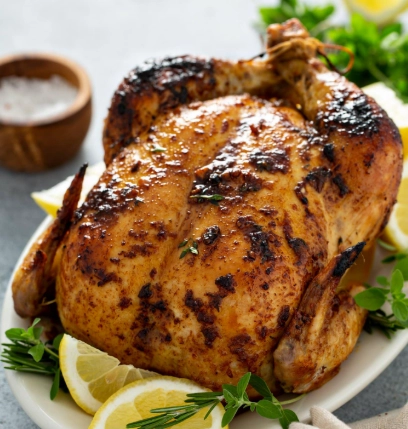
My advice after years of navigating this? Build habits, not anxiety. Get proficient at label reading. Find a few brands of processed products (like gluten-free chicken tenders or sausages) you trust and stick with them. Cultivate relationships with local butchers and restaurants that understand your needs. And when in doubt, go back to basics: a simple piece of pan-seared chicken with herbs and lemon is not only safe, it's delicious.
The goal isn't to live in fear of chicken, but to empower yourself with the knowledge to enjoy it without worry. You've got this.
Related Articles