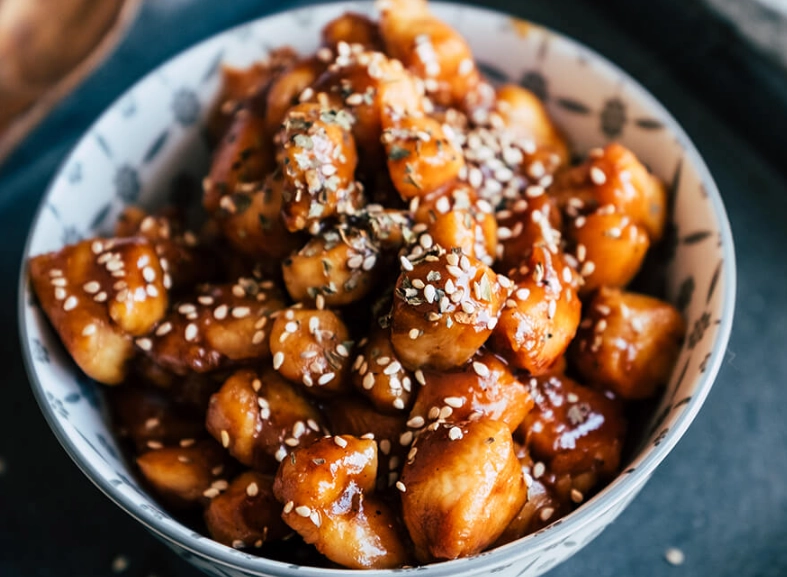
Why Organic Chicken Thighs Are the Best Choice for Flavorful & Healthy Meals
Let's talk about the real star of the chicken world, the one cut that never lets you down in the kitchen: the chicken thigh. Now, make it organic, and you've unlocked a whole new level of cooking. I've been cooking professionally and at home for over a decade, and I've seen the shift. People used to grab the boneless, skinless breast without a second thought. But more and more, I see savvy shoppers and cooks reaching for the humble organic chicken thigh. There's a good reason for that. It's not just a trend; it's a smarter choice for your taste buds, your health, and honestly, your wallet when you consider flavor per dollar.
This guide isn't about preaching. It's about showing you why organic thighs deserve a permanent spot in your meal rotation and giving you the tools to cook them perfectly every single time.
What's in This Guide?
What Makes Organic Chicken Thighs So Special?
First, let's clear something up. "Organic" isn't just a fancy sticker. For chicken to be certified organic in the U.S., it must meet strict USDA standards. This means the birds are raised without antibiotics or hormones from day one, fed 100% organic feed (no animal byproducts), and have year-round access to the outdoors. The difference this makes is tangible.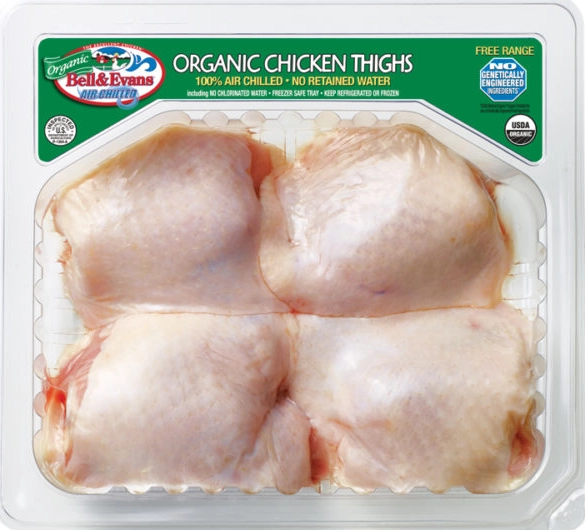
The Flavor and Texture Advantage
Conventional chicken can sometimes taste, well, bland. Or worse, have a faint chemical aftertaste if you're sensitive to it. Organic chicken thighs have a deeper, more pronounced chicken flavor. It's richer. The meat is also consistently more tender and juicy. Why? Less stress on the bird, better feed, and slower growth rates all contribute to superior meat quality. The higher fat content in the thigh (which is a good thing—more on that later) carries this flavor beautifully.
Pro Tip from the Kitchen: The single biggest mistake I see home cooks make with any chicken thigh? Not patting it completely dry with paper towels before cooking. Moisture is the enemy of a good sear. You'll end up steaming the skin instead of crisping it. Take 30 seconds to dry them thoroughly. You'll thank me.
Health and Nutritional Perks
Yes, thighs have more fat than breasts. But it's time to stop fearing fat, especially when it comes from a quality source. The fat in organic chicken thighs is where a lot of the flavor lives, and it also helps keep you full and satisfied.
More importantly, choosing organic means you're avoiding the antibiotic residue that can be present in conventionally raised poultry. The overuse of antibiotics in livestock is a genuine public health concern, contributing to antibiotic-resistant bacteria. By choosing organic, you're voting with your wallet for a better system. A report from the Environmental Working Group has highlighted concerns about antibiotic-resistant bacteria found on conventional poultry. While cooking kills bacteria, reducing the overall demand for antibiotic-fed meat is a positive step.
Furthermore, some studies, like those referenced by the Harvard T.H. Chan School of Public Health, suggest that organic meat may have a slightly more favorable fatty acid profile, including higher levels of omega-3s, due to the birds' diet and lifestyle.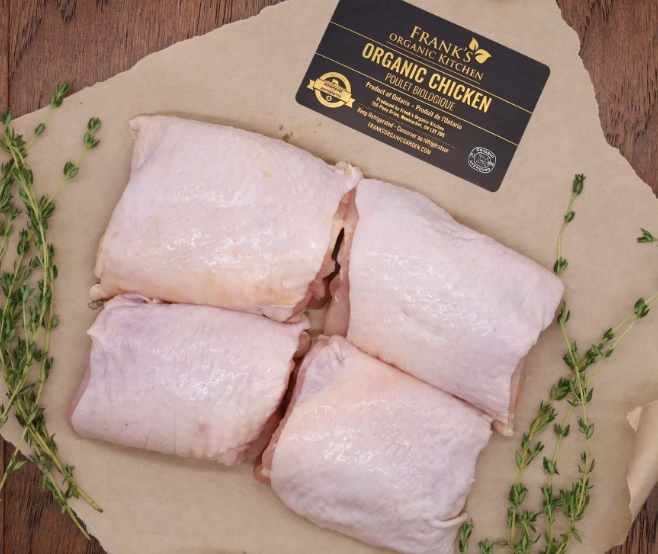
How to Cook Organic Chicken Thighs Perfectly Every Time
Thighs are forgiving, but a few key techniques will elevate them from good to restaurant-great. The goal: crispy, rendered skin and juicy, tender meat all the way through.
The Golden Rules for Crispy Skin
Dry, Room Temp, Seasoned: I already mentioned drying. Let the thighs sit out for 15-20 minutes to take the chill off. Season aggressively with salt and pepper—don't be shy. The seasoning needs to penetrate the thicker cut and the fat.
Start in a Cold Pan: For skin-on thighs, place them skin-side down in a cold, oven-safe skillet (cast iron is king here). Then turn the heat to medium. This slowly renders the fat, crisping the skin without burning it before the inside cooks. It's a game-changer.
Don't Crowd the Pan: Give them space. If you pile them in, they'll steam. Work in batches if you have to.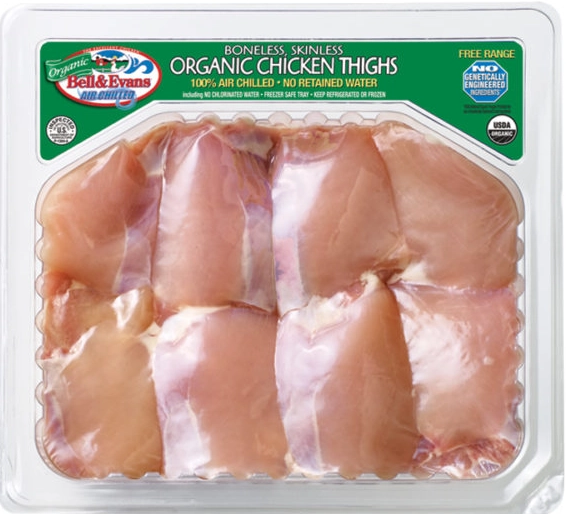
Mastering Internal Temperature
Forget cutting into it to check. Get an instant-read thermometer. Chicken thighs are best when cooked to an internal temperature of 175°F to 185°F (79°C to 85°C).
Wait, that's higher than the 165°F for breasts? Exactly. Thighs have more connective tissue (collagen). That higher temperature is what breaks down that collagen into gelatin, making the meat incredibly tender and succulent. Pulling them at 165°F can leave them slightly tough. Trust the thermometer.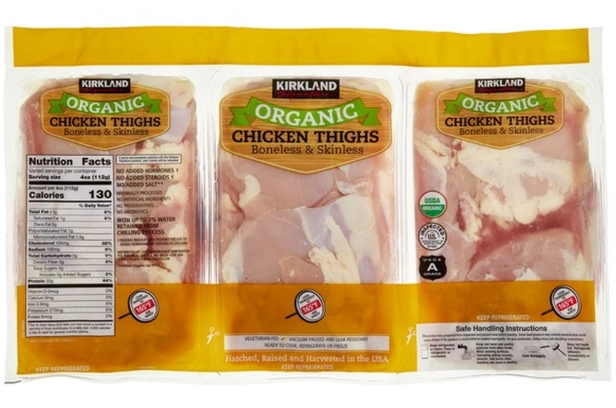
3 Easy & Flavorful Organic Chicken Thigh Recipes
Here are three weeknight-friendly recipes that highlight the thigh's versatility. Each serves 4.
1. One-Pan Lemon Herb Roasted Thighs with Potatoes
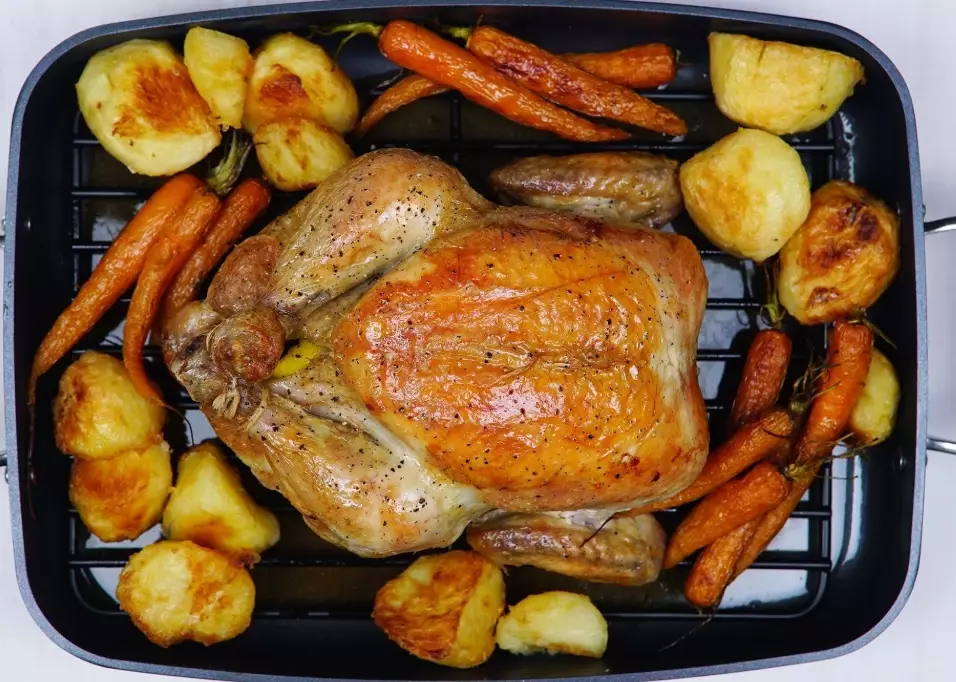
This is my ultimate "I don't want to think about dinner" meal. Preheat your oven to 425°F (220°C). In a large bowl, toss 1.5 lbs of baby potatoes (halved) with olive oil, salt, pepper, and a few sprigs of rosemary. Spread them on a sheet pan. In the same bowl, toss 6-8 bone-in, skin-on organic chicken thighs with olive oil, the zest of one lemon, salt, pepper, and dried thyme. Nestle the thighs among the potatoes, skin-side up. Roast for 35-45 minutes until the skin is golden and the potatoes are tender. Finish with fresh lemon juice. Dinner is done, and you have one pan to wash.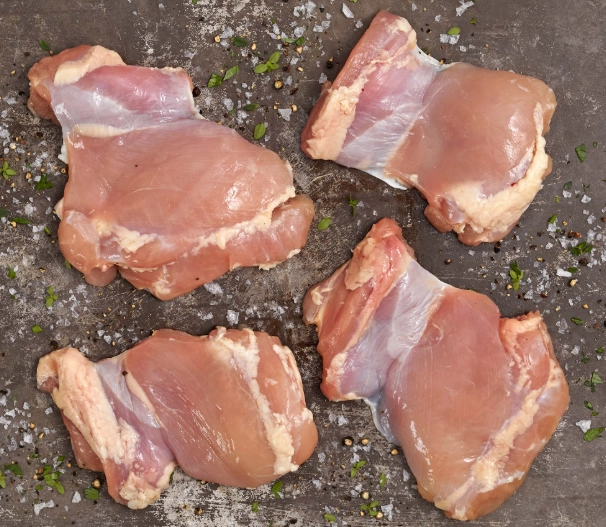
2. Stovetop to Oven Crispy Thighs with Pan Sauce
This feels fancy but is deceptively simple. Follow the "cold pan" method above with 4 skin-on, bone-in thighs. Once the skin is deep golden and crisp (about 12-15 mins), flip them and transfer the skillet to a 400°F (200°C) oven for 10-12 minutes to finish cooking. Remove thighs to rest. Pour off all but a tablespoon of fat. Over medium heat, add a minced shallot, cook for 1 minute. Add 1/2 cup chicken broth and scrape up all the browned bits. Let it reduce by half. Off heat, swirl in 2 tablespoons of cold butter and a squeeze of lemon. Spoon over the thighs. Restaurant-quality, at home.
3. Simple Slow-Cooker Honey Garlic Thighs
For days you'll be out. Use 6 boneless, skinless organic thighs for this. Place them in the slow cooker. Whisk together 1/3 cup honey, 1/3 cup soy sauce (or tamari), 4 minced garlic cloves, 1 tbsp minced ginger, and 1/4 tsp black pepper. Pour over the thighs. Cook on LOW for 5-6 hours. The thighs will be fall-apart tender. Thicken the sauce in a pan with a cornstarch slurry if you like, or serve as-is over rice. It's foolproof.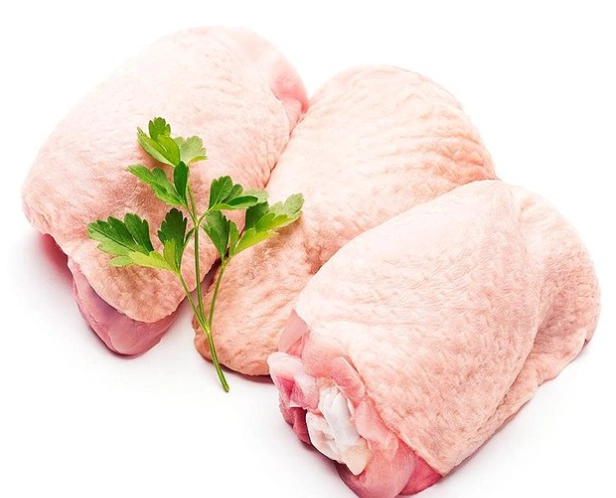
Organic vs. Conventional: Is the Price Worth It?
Let's be honest. Organic chicken thighs cost more. Sometimes 50-100% more per pound. So, is it worth it? I break it down like this.
| Factor | Organic Chicken Thighs | Conventional Chicken Thighs |
|---|---|---|
| Price | Higher upfront cost ($6-$9/lb) | Lower upfront cost ($3-$5/lb) |
| Flavor & Texture | Consistently richer flavor, more tender texture. | Can be bland or variable; texture sometimes stringy. |
| Antibiotics/Hormones | Never administered (USDA Certified). | Routine antibiotics are common; hormones are banned but loopholes exist. |
| Animal Welfare | Required outdoor access, more space. | Often raised in densely packed indoor facilities. |
| Environmental Impact | Generally lower due to feed sourcing and practices. | Higher potential for runoff and antibiotic resistance spread. |
| Value Perception | Higher flavor/satisfaction per serving. Can stretch further in meals. | May require more seasoning/sauces to achieve desired flavor. |
My take? If your budget allows, make organic thighs your standard. The flavor and ethical assurance are significant. If it's a stretch, think of it as an upgrade for special meals or when you want guaranteed results. You can also look for sales or buy in bulk from a club store and freeze portions. Even switching just half your chicken purchases to organic makes a difference.
Your Organic Chicken Thigh Questions Answered
Related Articles

![Why is it considered [false] even though there is a contract and there is a tran](/images/870a5535509ff5816d8b14e19f68b56c.png "Why is it considered [false] even though there is a contract and there is a tran")