Chicken Tenderloin Calories: Nutrition Facts and Healthy Eating Tips
If you're counting calories or just curious about your food, knowing how many calories are in a chicken tenderloin is a smart move. A single raw chicken tenderloin (about 1 ounce or 28 grams) typically contains around 30-35 calories, but that number can double or more depending on how you cook it. I've spent years tracking nutrition for meal prep, and the biggest mistake I see? People forget that cooking oil or sauces add hidden calories—sometimes turning a lean protein into a calorie bomb. Let's break it down so you can make informed choices without guesswork.
What You'll Find Inside
What Exactly Is a Chicken Tenderloin?
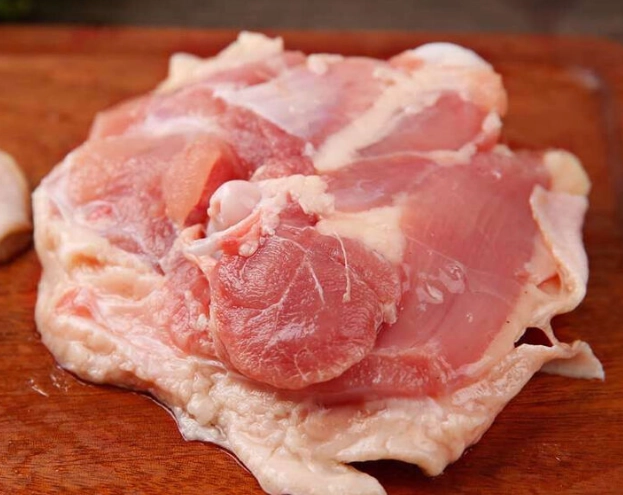
Chicken tenderloins are those small, tender strips of meat found underneath the breast. They're often sold separately or attached to the breast in stores. Because they're lean with minimal fat, they're a favorite for health-conscious eaters and fitness enthusiasts. But here's a nuance: some people confuse them with chicken tenders (the breaded, fried version), which are a whole different ball game calorie-wise. I remember buying a pack thinking it was plain meat, only to find it pre-marinated with added sugars—always check labels!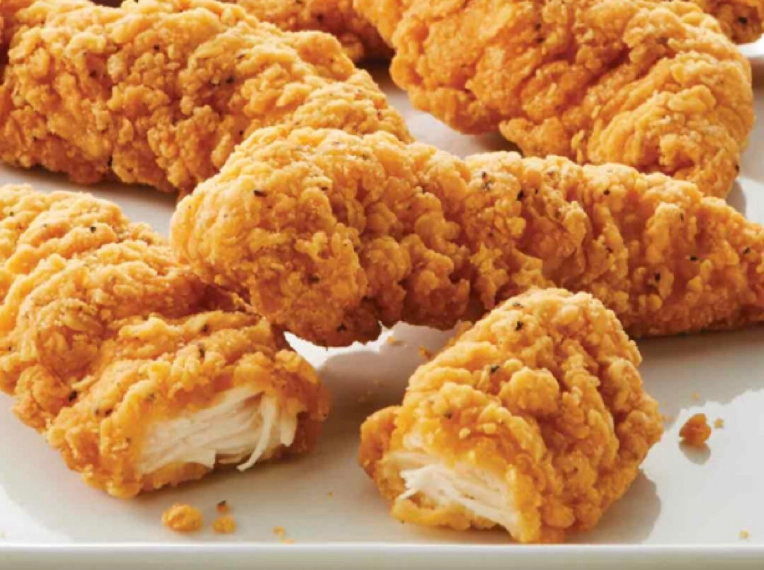
How Many Calories in a Chicken Tenderloin? Raw vs. Cooked
The calorie count varies based on preparation. Let's start with the basics.
Raw Chicken Tenderloin Calories
According to the USDA FoodData Central, a raw chicken tenderloin (28g) has about 31 calories, 6 grams of protein, and less than 1 gram of fat. That's per piece—if you're eating multiple, scale up. For example, a 4-ounce serving (roughly 4 tenderloins) clocks in around 124 calories. But raw numbers are just a starting point; cooking changes everything.
Cooked Chicken Tenderloin: How Methods Change Calories
Cooking methods can significantly alter calories. Grilling or baking without oil keeps it lean, but frying or sautéing adds fat. Here's a table based on common practices—I compiled this from USDA data and my own kitchen experiments: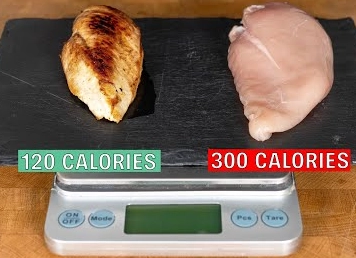
| Cooking Method | Calories per 4 oz (Cooked) | Notes |
|---|---|---|
| Grilled (no oil) | 130-140 calories | Minimal added fat; retains moisture if not overcooked. |
| Baked (with light oil spray) | 150-160 calories | Spray adds about 10-20 calories; easy to overdo. |
| Pan-Fried (1 tbsp oil) | 200-220 calories | Oil contributes ~120 calories; common in home cooking. |
| Deep-Fried (breaded) | 300-350 calories | Breading and oil spike calories; often found in restaurants. |
I once measured the oil left in the pan after frying—it was almost a tablespoon, meaning extra calories I hadn't accounted for. That's why weighing food before and after cooking can be eye-opening.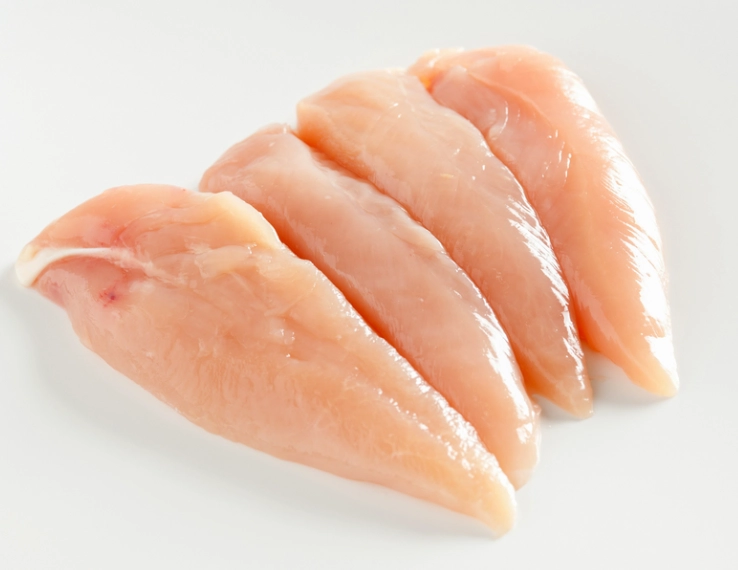
Nutritional Breakdown Beyond Calories
Calories aren't the whole story. Chicken tenderloins are packed with protein (about 24g per 4 oz cooked), which helps with muscle repair and keeps you full. They're low in carbs and fat, but the fat content is mostly unsaturated—healthy fats. They also provide vitamins like B6 and minerals such as selenium. However, sodium can creep in if you use processed marinades. A tip: opt for herbs and spices instead of store-bought sauces to control sodium.
Pro Tip: Don't just focus on calories; protein density matters. Chicken tenderloin offers about 7-8 grams of protein per 30 calories, making it efficient for weight loss or muscle gain compared to fattier cuts.
How to Accurately Track Chicken Tenderloin Calories
Tracking calories can be tricky, but here's a method I've refined over time. Use a food scale for raw meat—it's more accurate than cooked, as cooking reduces water weight. For instance, 4 oz raw chicken shrinks to about 3 oz after grilling, but the calories remain similar (water loss doesn't affect calories much). Apps like MyFitnessPal often have entries for both raw and cooked; pick one and stick to it to avoid double-counting. If you're eating out, assume restaurant portions are larger and oil-heavy; I usually add 20% to my estimate to be safe.
Another pitfall: people forget marinades. A simple lemon-herb marinade might add 5-10 calories, but something like teriyaki can add 50+ calories per serving. Write it down or use a photo log—it helps.
Incorporating Chicken Tenderloin into a Healthy Diet
Chicken tenderloins are versatile. For a low-calorie meal, grill them with veggies. I often make a batch for weekly lunches—season with paprika and garlic, then pair with quinoa. Here are some ideas:
- Salads: Add sliced grilled tenderloin to greens; keeps under 300 calories if you go light on dressing.
- Stir-fries: Use minimal oil and load up on broccoli and bell peppers.
- Meal prep: Cook a bunch, divide into portions, and freeze. Reheat in the oven to avoid sogginess.
Balance is key. Pair with complex carbs like sweet potatoes for energy, and don't skip fats—avocado or nuts add healthy fats without overdoing calories.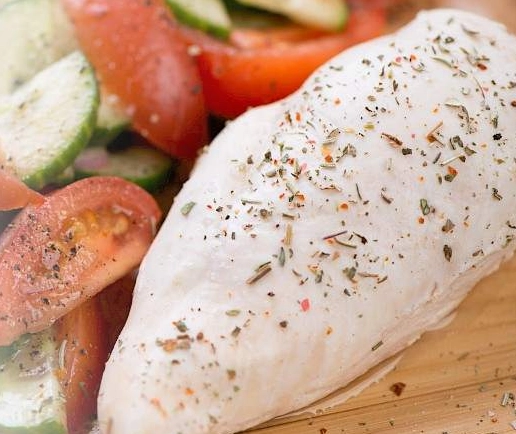
Common Myths and Misconceptions
Myth 1: All chicken tenderloins are the same calorie-wise. Truth: Store-bought ones can vary—some are injected with broth or saltwater, adding calories. Check labels for "enhanced with solution."
Myth 2: Cooking doesn't change calories much. As shown earlier, frying can nearly double them. I've seen friends think grilled and fried are similar, then wonder why they're not losing weight.
Myth 3: Chicken tenderloin is always the healthiest choice. It's lean, but if you're on a high-fat diet like keto, you might want fattier cuts. Context matters.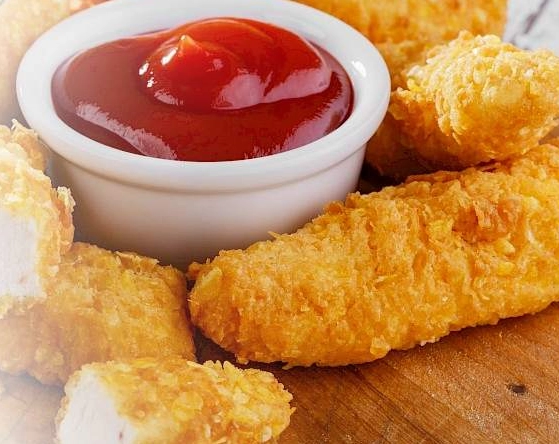
Frequently Asked Questions
Wrapping up, knowing how many calories are in a chicken tenderloin empowers you to make better dietary choices. Start with raw measurements, account for cooking methods, and don't sweat small variations—consistency over perfection. If you're meal prepping, cook a batch this weekend and see how it fits your goals. Share your experiences in the comments; I'd love to hear what works for you!
Related Articles