Skinless Chicken Thigh Nutrition: Benefits, Myths, and Healthy Recipes
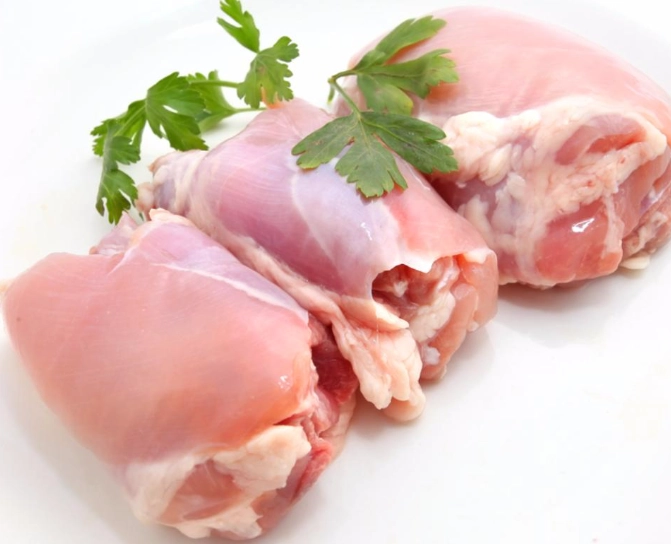
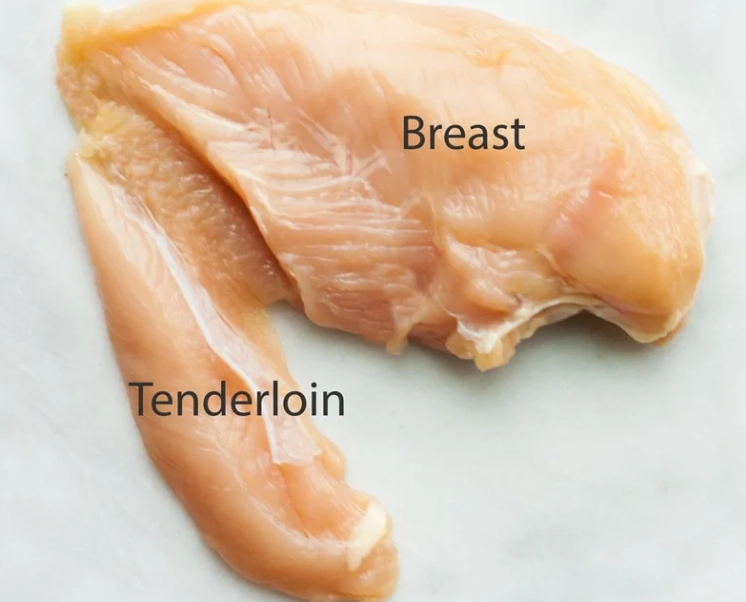
Let's be honest. When you think "healthy chicken," your brain probably jumps straight to the breast. It's lean, it's white, it's the bodybuilder's best friend. But what if I told you that by ignoring the humble skinless chicken thigh, you're missing out on a more flavorful, arguably more nutritious, and definitely more forgiving cut of meat? For years, I was on team breast, pushing through dry, bland meals because I thought it was the only way. Then I actually looked at the numbers and started cooking. The difference wasn't just on the plate; it changed how I thought about balanced nutrition.
Skinless chicken thigh nutrition is a classic case of a food being unfairly demonized. We're going to break down exactly what's in it, why the fat isn't the enemy you think it is, and how it stacks up against its more popular sibling. More importantly, we'll talk about how to use it in your weekly meal prep to create meals you'll actually look forward to eating.
What's Inside?
The Real Nutrition Breakdown: Beyond Just Calories
We need to get specific. Generic numbers are useless. So let's talk about a standard 4-ounce (113-gram) serving of cooked, skinless chicken thigh. This is about the size of the palm of your hand. Here’s what you're really getting, based on data from the USDA's FoodData Central:
| Nutrient | Amount | % Daily Value (DV)* |
|---|---|---|
| Calories | ~209 kcal | 10% |
| Protein | ~28 grams | 56% |
| Total Fat | ~9 grams | 12% |
| Saturated Fat | ~2.5 grams | 13% |
| Iron | ~1.3 mg | 7% |
| Zinc | ~2.4 mg | 22% |
| Selenium | ~25 mcg | 45% |
| Vitamin B12 | ~0.4 mcg | 17% |
| Niacin (B3) | ~6.5 mg | 41% |
*Based on a 2,000 calorie diet.
Look at that protein number. 28 grams. That's serious. It's a complete protein, meaning it has all nine essential amino acids your body can't make on its own. This is the stuff that builds and repairs everything from your muscles to your enzymes.
But the real story is in the minerals. See the zinc and selenium? Thigh meat is significantly richer in these than white meat. Zinc is crucial for immune function and wound healing. Selenium is a powerful antioxidant that supports thyroid health. The iron here is heme iron, the type your body absorbs much more easily than the iron from plants.
The Fat Composition: This is where people panic. Nine grams of fat! But let's dissect it. Only about 2.5 grams are saturated. The rest is a mix of monounsaturated and polyunsaturated fats—the same "heart-healthy" kinds you find in olive oil and avocados. This fat carries flavor and, crucially, it helps you absorb the fat-soluble vitamins (like Vitamin A and E) present in the meat and any veggies you eat with it.
Chicken Thigh vs. Breast: The Ultimate Showdown
It's the question everyone asks. Let's put them side-by-side for that same 4-oz cooked portion:
- Calories: Thigh ~209 | Breast ~165. The thigh has about 44 more calories.
- Protein: Thigh ~28g | Breast ~31g. The breast wins by 3 grams.
- Total Fat: Thigh ~9g | Breast ~3.5g. This is the big difference—about 5.5 grams.
So, the breast is leaner. We knew that. But here's the perspective shift: that 5.5-gram fat difference translates to just about 50 extra calories. In the context of a whole day's eating, that's negligible. It's roughly half a tablespoon of salad dressing or a few bites of avocado.
What do you get for those 50 calories?
You get a cut of meat that's almost impossible to overcook into sawdust. You get a richer, more savory flavor that doesn't demand heavy sauces or marinades to be palatable. You get more iron and zinc. And you get a feeling of fullness that lasts longer because fat slows down digestion.
If you are on an extremely strict, low-fat diet for specific medical reasons, the breast is your go-to. For everyone else—general health, fitness, weight maintenance, or even weight loss—the skinless thigh is a phenomenal option. The dogmatic "breast only" rule is outdated.
How to Cook Skinless Chicken Thighs (So They're Never Dry)
This is where thighs shine. Their fat content makes them resilient. But you can still ruin them. The most common mistake? Treating them like breasts and cooking them to 165°F and immediately serving. They need a rest.
My Two Go-To Methods for Weeknights
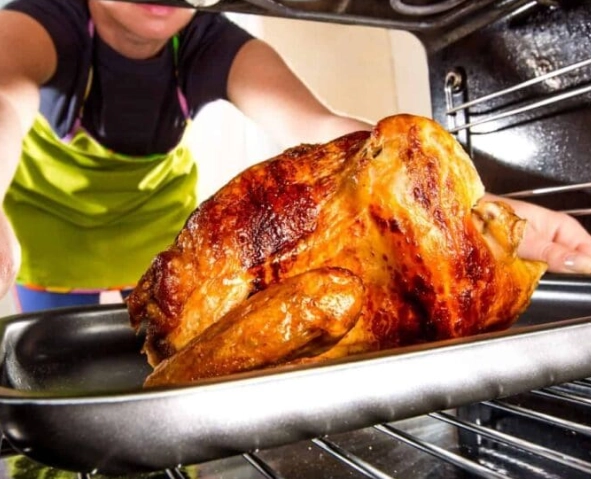
1. The High-Heat Roast: This is for crispy edges and juicy interiors. Pat your thighs dry. Toss with a tiny bit of oil, salt, pepper, and maybe some smoked paprika or garlic powder. Spread on a parchment-lined sheet pan. Roast at 425°F (220°C) for 20-25 minutes, until they hit 165°F internally. Here's the key: take them out and let them sit for 7-10 minutes. The residual heat finishes the job, and the juices settle back in.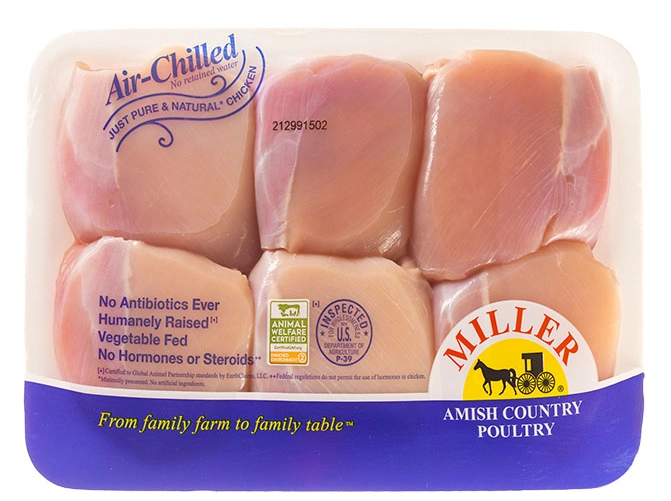
2. The Braise (The Foolproof Method): In a Dutch oven or deep skillet, sear the thighs for 2-3 minutes per side. Remove them. Add a chopped onion, some garlic, maybe a bell pepper. Cook for 5 minutes. Pour in about a cup of liquid—broth, diced tomatoes, even just water with a splash of soy sauce. Return the thighs, bring to a simmer, cover, and reduce heat. Let it bubble gently for 25-30 minutes. The result? Fall-apart tender meat that's infused with flavor. Perfect for tacos, over rice, or on its own.
I use the roast method for meal prep—I'll cook 2 pounds on a Sunday. The braise is for a Wednesday when I want something comforting with minimal active time.
Debunking 3 Common Skinless Chicken Thigh Myths
Myth 1: "They're too high in fat for a healthy diet."
Fact: As we saw, the fat difference vs. breast is small and consists largely of unsaturated fats. Dietary fat is an essential macronutrient, not a villain. It supports hormone production, brain health, and satiety. Fitting 9 grams of fat from a nutrient-dense source like chicken into your daily budget is not just easy, it's smart.
Myth 2: "You might as well eat the skin if you're eating the thigh."
Fact: This is a terrible take. Removing the skin slashes saturated fat and calories dramatically. A skin-on thigh can have nearly double the fat and 100+ more calories. Taking 30 seconds to pull off the skin (or buying them skinless) is the single most impactful healthy swap you can make with this cut.
Myth 3: "They're only good for slow-cooked dishes."
Fact: Absolutely not. Because they're forgiving, they're incredibly versatile. Dice them for quick stir-fries, slice them for fajitas, grill them (just watch for flare-ups from dripping fat), or cube them for kebabs. Their richer flavor stands up to bold spices—think jerk seasoning, harissa, or curry powders—better than breast often does.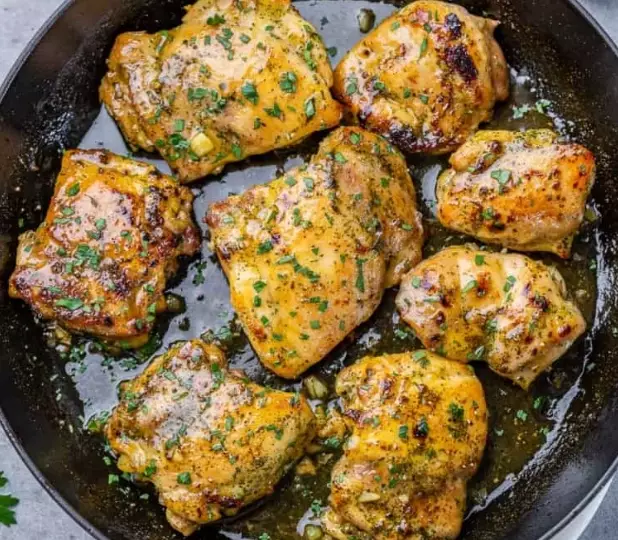
Your Skinless Chicken Thigh Questions, Answered
So, next time you're at the grocery store staring at the poultry section, don't just default to the plastic-wrapped breasts. Grab a pack of skinless thighs. They're often cheaper per pound, too. Give the roast method a try. Your taste buds—and maybe even your nutrition goals—will thank you for looking beyond the hype and seeing the skinless chicken thigh for what it truly is: a versatile, nutritious, and delicious foundation for countless healthy meals.
Related Articles