How to Roast a Whole Chicken Perfectly: The Ultimate Guide
Roasting a whole chicken feels like a culinary rite of passage. It's economical, it fills your kitchen with an aroma that feels like home, and when done right, it delivers the most satisfying meal: crispy, salty skin giving way to impossibly juicy meat. But so many people are intimidated by it. They end up with dry breast meat, rubbery skin, or worse, undercooked joints. It doesn't have to be that way. After cooking probably hundreds of birds over the years, I've found that perfection lies in ignoring half the fussy advice out there and focusing on a few non-negotiable steps.
What's Inside?
Why a Whole Chicken Beats Parts Every Time
Let's get practical. Buying a whole chicken is almost always cheaper per pound than buying individual parts. A 4-5 pound bird can easily feed a family of four with leftovers. But the real magic is in the flavor. When you roast the bird whole, the fat from the skin and back slowly renders and bastes the meat from the inside out. The dark meat (thighs, legs) protects the white meat (breast) from drying out too quickly. It's a self-basting, flavor-building system.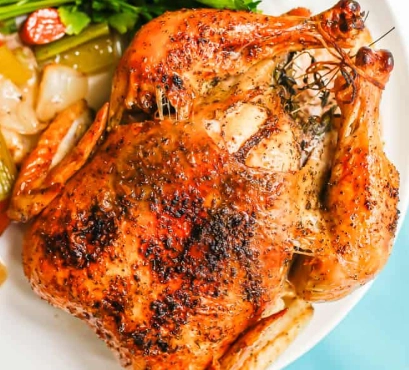
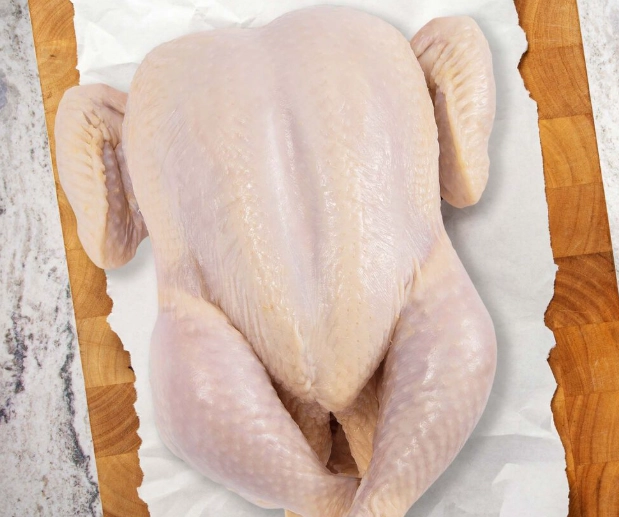
I made a mistake for years, though. I'd buy whatever was on sale. Big mistake. For roasting, you want a specific type of bird. Look for labels like "air-chilled." Water-chilled chickens are soaked in a chlorinated bath after processing, and they absorb a lot of water. That water steams the skin instead of letting it crisp. Air-chilled birds are more expensive, but the difference in skin texture and concentrated flavor is night and day. It's the one upgrade I always recommend.
Prep is Everything: The 24-Hour Rule
This is where most recipes get it wrong. They tell you to season and roast immediately. For truly exceptional chicken, you need time. A day, ideally.
Step 1: The Dry Brine (Not a Wet Brine)
Forget submerging your bird in a vat of salty water. A dry brine—liberally salting the chicken inside and out—is simpler and gives you crispier skin. The salt draws out moisture, which then dissolves the salt, creating a concentrated brine that gets reabsorbed deep into the meat, seasoning it throughout and helping it retain juices. Do this the night before. Just pat the chicken bone-dry, sprinkle about 1 tablespoon of kosher salt total (more on the breast, less on the legs), and place it on a rack in your fridge, uncovered. The exposed skin will dry out, which is exactly what you want.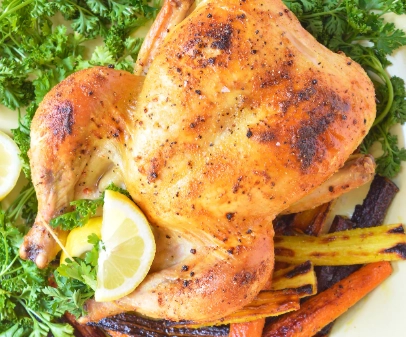
Step 2: To Truss or Not to Truss?
Most chefs truss (tie up) the chicken for a pretty, compact shape. I rarely do it anymore. A trussed chicken cooks more evenly, but the legs can shield the thigh joint from heat, sometimes leaving it underdone. I prefer a hybrid: tuck the wingtips behind the back (so they don't burn) and tie just the legs together loosely with kitchen twine. This gives you a more even cook and still looks presentable.
The Roasting Method That Never Fails
High heat. That's the secret. A screaming hot oven (425°F to 450°F / 220°C to 230°C) sears the skin quickly, locks in juices, and renders fat fast. A low-and-slow roast can work, but it often steams the skin first, making it flabby.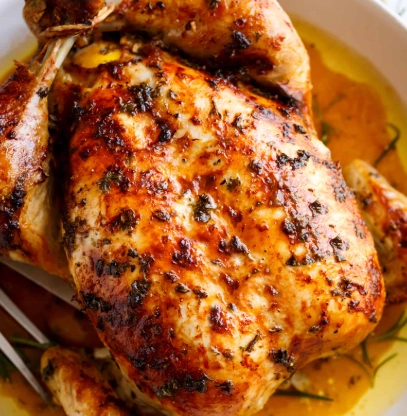
Here’s my simple, no-fuss process:
- 1. Temperature: Preheat your oven to 425°F (220°C). Make sure it's fully hot.
- 2. Season: Take your dry-brined chicken from the fridge. Add any other dry herbs you like (thyme, rosemary, black pepper). Rub a tiny bit of oil on the skin if you want, but it's not necessary—the fat will render.
- 3. Vessel: Place the chicken on a wire rack set inside a rimmed baking sheet or roasting pan. This allows air to circulate all around for even browning. Don't just plop it in a dish.
- 4. Roast: Put it in the oven. Don't baste. Basting just lowers the oven temperature every time you open the door. Trust the process.
- 5. Check: Roast for about 50-70 minutes, depending on size. The only reliable way to know it's done? A good instant-read thermometer.
| Target Temperature & Location | Why It Matters |
|---|---|
| 165°F (74°C) in the thickest part of the breast, not touching bone. | This is the USDA safe temperature for poultry. Pull the chicken out of the oven when it hits about 155-160°F (68-71°C), as it will continue to rise (carryover cooking). |
| 175°F (80°C) in the deepest part of the thigh. | Dark meat has more connective tissue and is better when cooked to a higher temp. It becomes more tender and juicy, not dry. |
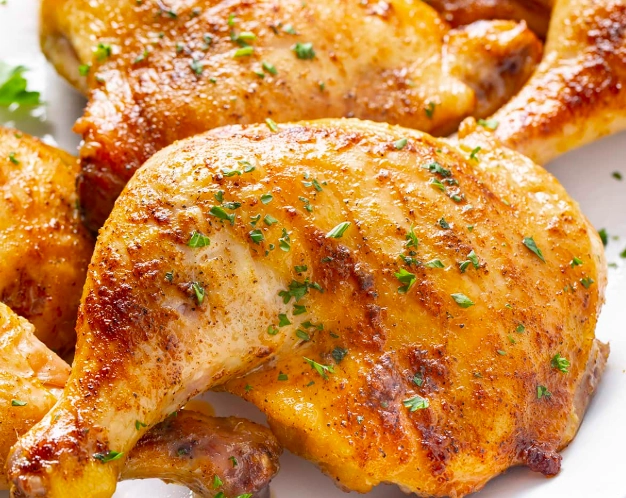
| Golden Brown, Crispy Skin all over. | Visual cue. If the skin is pale, the heat wasn't high enough or the bird was too wet going in. |
6. Rest: This is non-negotiable. When the chicken hits temp, take it out, tent it loosely with foil, and let it rest on the counter for at least 15 minutes, 20 is better. This allows the frantic meat fibers to relax and reabsorb the juices. Cutting in early is the #1 cause of "dry" chicken.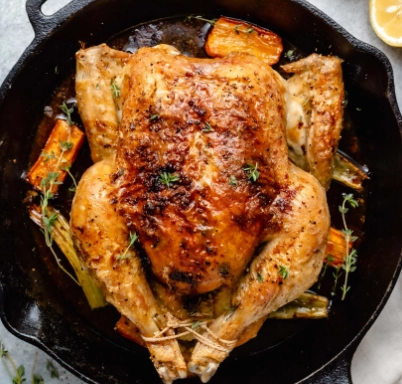
Beyond the Basic Roast: Three Global Recipes
Once you master the basic roast, the world opens up. A whole chicken is a blank canvas.
1. The French Bistro Classic: Chicken in a Pot (Poulet en Cocotte)
This is the antithesis of high-heat roasting but delivers insane juiciness. Brown your seasoned chicken in a Dutch oven. Remove it, sauté some onions, carrots, and celery. Put the chicken back on top of the veggies, put the lid on, and cook in a 375°F (190°C) oven for about 90 minutes. The steam circulates, creating the most tender meat imaginable. The vegetables become a built-in side dish. It's a weeknight wonder.
2. The Weeknight Hero: Slow Cooker Whole Chicken
Yes, you can do it. You won't get crispy skin (you can broil it for a few minutes after), but you'll get fall-off-the-bone meat with zero effort. Put chopped onions and garlic in the slow cooker as a rack. Season the chicken, place it on top. Cook on LOW for 6-8 hours. That's it. The resulting broth at the bottom is liquid gold.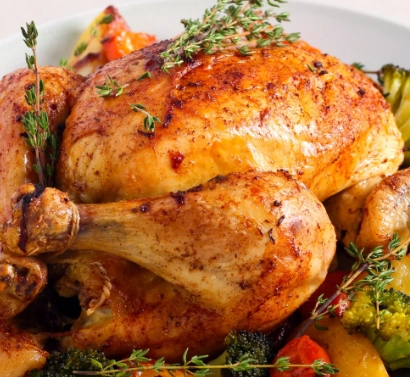
3. The Flavor Bomb: Peruvian-Style Green Sauce Chicken
Blend a bunch of cilantro, jalapeños, garlic, lime juice, mayonnaise, and cotija cheese into a vibrant green sauce. Gently loosen the skin of your chicken and smear a generous amount of sauce underneath, directly on the meat. Rub the rest on the outside. Roast as usual. The sauce herby, tangy, and slightly spicy flavor penetrates the meat, and the mayo helps the skin crisp beautifully.
Step-by-Step: How to Carve Your Masterpiece
Don't just hack at it. A clean carve maximizes yield and looks elegant.
- Let the chicken rest fully. Transfer to a cutting board.
- Remove the legs: Pull a leg/thigh away from the body and cut through the joint connecting it.
- Separate the thigh from the drumstick by cutting through the obvious joint.
- Remove the wings similarly, cutting through the joint where they meet the breast.
- For the breast: Make a long, horizontal cut along the breastbone (the center ridge). Then, slice downward, following the rib cage, to remove one entire breast half. Repeat on the other side. You can then slice each breast crosswise into portions.
Save the carcass! This leads to the final act of genius.
Leftover Genius & The Sacred Stock
A roast chicken dinner is really two, sometimes three meals. The leftover meat is perfect for chicken salad, sandwiches, soups, or quesadillas.
But the real prize is the stock. After carving, throw the carcass (broken up a bit), any leftover skin, and those onion/carrot scraps from your prep into a large pot. Cover with cold water, add a bay leaf, a few peppercorns. Bring to a bare simmer (don't boil hard) and let it go for 4 hours, skimming foam occasionally. Strain. You now have a quart or two of rich, gelatinous, homemade chicken stock. It freezes beautifully and will make your next soup or risotto taste like it came from a professional kitchen. It's the ultimate finish to the whole chicken cycle.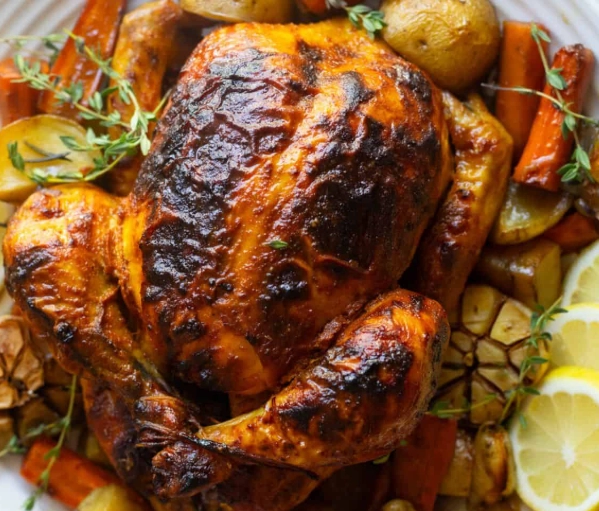
Your Roast Chicken Questions, Answered
Related Articles