Perdue Chicken Franks: The Ultimate Guide to Taste, Nutrition & Cooking
Quick Navigation
- What Exactly Are Perdue Chicken Franks?
- How Do They Stack Up Nutritionally? (The Real Breakdown)
- Cooking Perdue Chicken Franks: Getting the Best Out of Them
- Taste and Texture: The Moment of Truth
- Where to Buy and What to Pay
- Who Are Perdue Chicken Franks Really For?
- Frequently Asked Questions (The Stuff You Actually Search For)
- The Final Verdict
Let's be honest, the hot dog aisle can be a confusing place. You've got your classic beef, your pork blends, the turkey options, and then... chicken franks? I remember standing there myself, holding a pack of Perdue chicken franks, wondering if this was a genius swap for a slightly healthier BBQ or just a bland imitation. Turns out, I wasn't the only one with questions.
This isn't just another listicle repeating what's on the package. We're going to dig deep. What are you actually getting with Perdue chicken franks? How do they really stack up, not just in taste but in the stuff that matters for your weekly grocery run and family meals? I've cooked them every which way, read the fine print on the label more times than I'd like to admit, and even did some side-by-side taste tests (my kids were oddly enthusiastic judges).
Whether you're here because of dietary needs, curiosity, or just a desire to mix up the classic hot dog night, let's break it all down.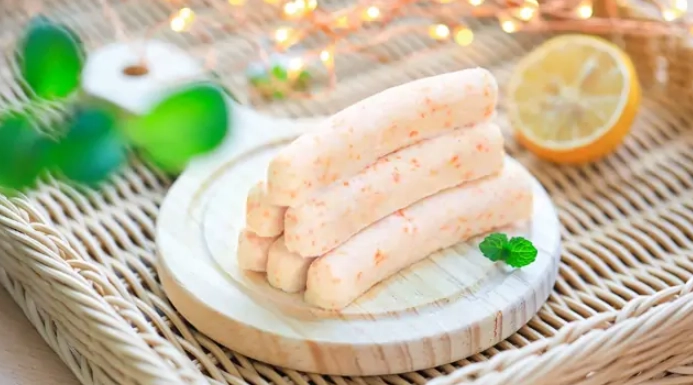
What Exactly Are Perdue Chicken Franks?
At its core, a Perdue chicken frank is a ready-to-cook sausage made primarily from chicken meat, designed to be a direct substitute for a traditional pork or beef hot dog. But calling it just a "chicken hot dog" sells short what Perdue is trying to do. The brand, which built its reputation on poultry, positions these as a leaner, simpler alternative.
You'll typically find them in the refrigerated meat section, often near other hot dogs and sausages. They come in a standard pack, looking remarkably similar to their beefy cousins—that familiar pale pink color, snug in their plastic casing.
The idea is straightforward: take the concept of a backyard BBQ staple and make it with a protein source many people perceive as lighter. But does the execution live up to the idea? That's where the details come in.
The Ingredient List: A Closer Look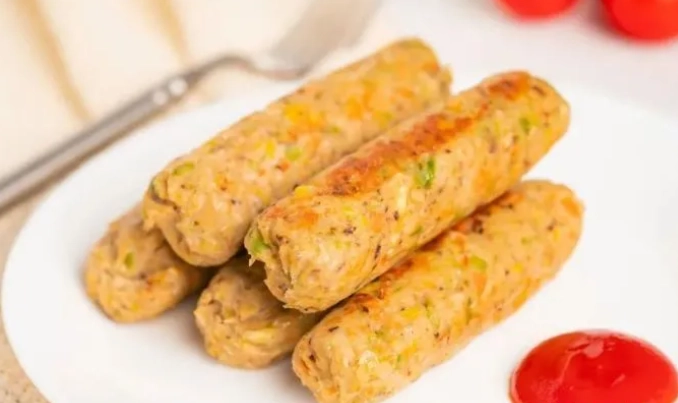
This is where most of the rubber meets the road for health-conscious shoppers. I pulled a package from my fridge to get this right. The list for the classic Perdue chicken franks starts with chicken, which is a good sign (it means it's the primary ingredient). But then it gets into the typical sausage territory: water, salt, corn syrup—a common binder and flavor balancer—and less than 2% of a bunch of other things.
Those "other things" include flavorings like paprika and garlic powder, which are fine in my book. There are also preservatives like sodium diacetate and sodium nitrite. The nitrite is the one that always starts conversations. It's in most cured meats, from bacon to deli ham, and it's there for color retention and to prevent bacterial growth. Some folks are wary of it, and Perdue offers a "No Antibiotics Ever" and "No Artificial Ingredients" promise on some lines, but it's worth checking the specific package for nitrite status if that's a concern for you.
Personally, I wish they'd lean harder into a completely clean-label version. The corn syrup isn't a deal-breaker, but it does make me pause when I'm trying to cut down on added sugars.
How Do They Stack Up Nutritionally? (The Real Breakdown)
This is the big sell, right? Lower fat, maybe lower calories. Let's put some numbers on it. I'm comparing a typical Perdue chicken frank to a standard beef frankfurter, using data from the USDA FoodData Central as a neutral benchmark. It's eye-opening.
| Nutrient (per 45g link) | Perdue Chicken Frank (Approx.) | Standard Beef Frank (USDA Data) | Why It Matters |
|---|---|---|---|
| Calories | ~110 | ~147 | A clear saving, useful if you're counting. |
| Total Fat | ~8g | ~13g | This is the most significant difference. Chicken is inherently leaner. |
| Saturated Fat | ~2.5g | ~5g | Nearly half! Saturated fat is the one most doctors suggest watching. |
| Protein | ~6g | ~5g | Roughly comparable, maybe a slight edge to chicken. |
| Sodium | ~480mg | ~461mg | High for both. This is the trade-off for processed, cured meat flavor. |
See that sodium number? It's high. That's the honest truth. One frank gets you about 20% of the recommended daily limit. If you're on a sodium-restricted diet, this is a critical point. The fat savings are real, but the salt content is firmly in the "processed food" zone.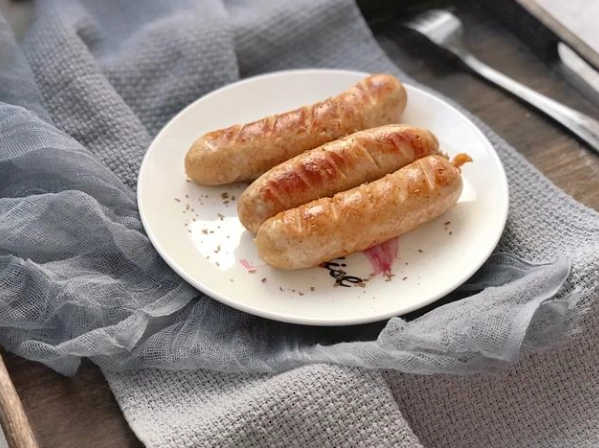
For me, the trade-off works on a casual BBQ day. I'm saving on saturated fat, which I try to monitor, and I'm okay with the sodium hit for an occasional food. But I wouldn't call it a health food. It's a better-for-you processed option.
Cooking Perdue Chicken Franks: Getting the Best Out of Them
Here's where I've had some trial and error. Chicken franks behave a bit differently than beef. They can dry out more easily if you're not careful, but when cooked right, they can be really good.
Grilling: The King of Methods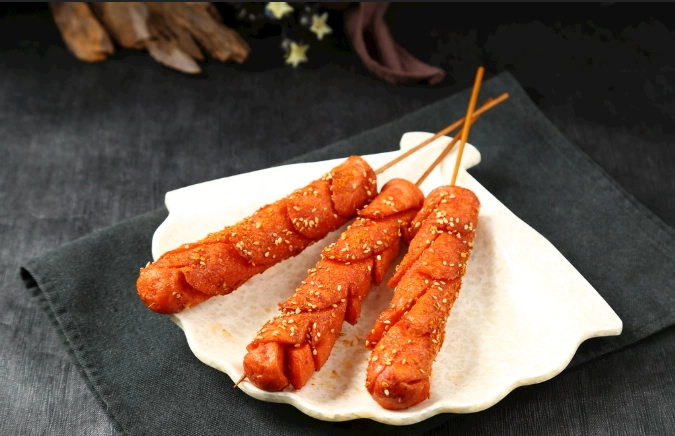
This is my preferred way. The direct heat gives them a nice snap and smoky flavor that compensates for any milder chicken taste.
- Heat: Medium, not screaming hot. You're reheating a fully cooked product, not searing raw meat.
- Time: 5-7 minutes, turning often. Look for gentle, even browning and those classic grill marks.
- Watch for: Splitting. The casing can burst if the heat is too high. A few small splits are fine, but you don't want them exploding.
I found they don't char as dramatically as beef franks, but they get a pleasant golden-brown color.
Boiling & Steaming: The Easy Way Out
Boiling is foolproof but can lead to a slightly waterlogged frank. Steaming is actually better—it heats them through without leaching as much flavor into the water.
Just bring an inch of water to a simmer in a pot, drop them in, cover, and let them steam for 5-6 minutes. They come out plump and juicy.
Pan-Frying: For That Crispy Skin
If you love a crispy exterior, this is your method. A little oil in a non-stick pan over medium heat. Fry for 4-5 minutes, rolling them around until they're crispy all over. It adds a fantastic texture you don't get from other methods.
Taste and Texture: The Moment of Truth
Okay, let's talk flavor. A Perdue chicken frank is not going to taste like a Nathan's famous beef frank. It's milder, less aggressively salty and smoky. The chicken flavor is subtle—it's more about what isn't there (the heavy beefy fat) than a strong chicken taste.
The texture is where opinions split. They are generally firmer and have what I'd call a "fine grind." The snap is good, especially when grilled or pan-fried, but it's a different snap—a bit tighter, less juicy-pop than a high-fat beef dog.
My kids didn't mind the difference at all, especially loaded up with ketchup and relish. My spouse, a beef hot dog purist, noticed immediately but admitted it was "not bad, just different." For me, the taste grew on me. It's cleaner, less greasy. You finish one and don't feel like you need a nap.
Are they the most flavorful sausage out there? No. But as a vehicle for toppings or a quick protein on a bun, they do the job well, with a lighter after-feel.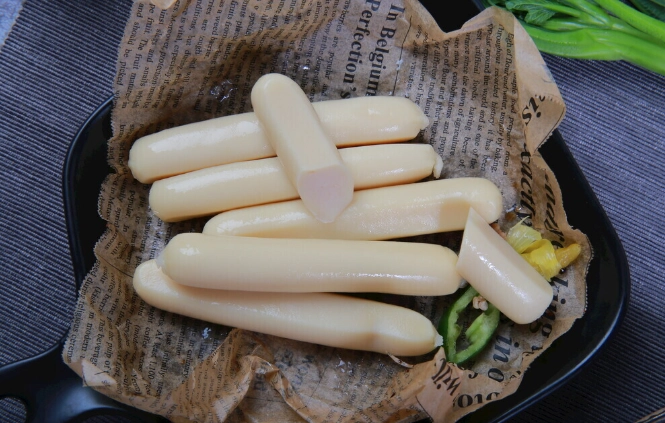
Where to Buy and What to Pay
You can find Perdue chicken franks in most major grocery chains in the US—think Walmart, Kroger, Safeway, Stop & Shop. They're in the refrigerated meat case. They're not always in a huge display, so sometimes you have to look.
Price-wise, they're usually competitive with national brand beef franks, maybe a touch cheaper on sale. I've seen them anywhere from $4 to $6 for a standard pack. They go on promotion often, so it's worth keeping an eye out.
Can't find them locally? Some online grocery services like Instacart list them, but availability depends on your local store's inventory.
Who Are Perdue Chicken Franks Really For?
Let's cut through the marketing. This isn't a product for everyone, but for specific situations, it's a solid choice.
- Families looking to reduce red meat intake: An easy swap for a familiar food.
- People monitoring saturated fat: The numbers don't lie here.
- Those who prefer a milder flavor: Kids or adults who find beef dogs too strong.
- The budget and health balance: They're cheaper than many artisanal "healthy" sausages but offer a better fat profile than standard dogs.
- Beef hot dog aficionados: If you live for that specific snap and smoky, fatty flavor, this will disappoint.
- Anyone on a strict low-sodium diet: The sodium content is a major drawback.
- The "clean eating" crowd: The ingredient list, while not the worst, has processed elements.
Frequently Asked Questions (The Stuff You Actually Search For)
Are Perdue chicken franks already cooked?
Yes, they are fully cooked during processing. You are reheating them to a safe serving temperature (165°F). This is exactly the same as with most hot dogs you buy at the store. The USDA confirms that ready-to-eat meats like hot dogs are cooked during production.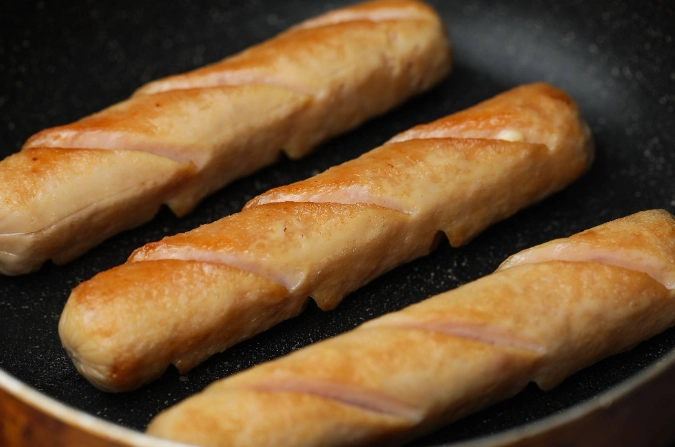
Can I eat them cold, right out of the package?
Technically, yes, because they are pre-cooked. But I wouldn't recommend it. The texture is rubbery and the flavor is underwhelming. Heating them up transforms the texture and releases the flavors. Trust me on this one.
How long do they last in the fridge?
Check the "use by" date on the package—that's your best guide. Once opened, try to use them within 5 days. They can also be frozen for 1-2 months for longer storage. Thaw in the fridge before cooking.
What's the best bun pairing?
They work with any standard hot dog bun. I find a slightly softer, potato-based bun is great because it adds a bit of richness that complements the leaner frank. Toasted buns add a nice crunch contrast.
Are there any common allergens?
Always check the label, but the classic version contains no major allergens like soy, wheat, or dairy. However, they are produced in a facility that processes other allergens, so cross-contact is possible. For the most definitive, up-to-date allergen info, you should consult the FDA's guidelines on allergen labeling and the specific product packaging.
The Final Verdict
Look, Perdue chicken franks aren't going to win a blind taste test against a gourmet, all-beef sausage. That's not their game. Their game is being a practical, weeknight-friendly, slightly-better-for-you alternative to the standard hot dog.
The fat savings are legitimate and meaningful. The taste is mild and inoffensive, a perfect canvas for your favorite toppings. They cook up fine with a little care to avoid dryness.
My advice? Don't think of them as a "health food." Think of them as a smarter choice within the category of quick, fun, processed meats. If your goal is to make a small, positive tweak to your family's classic cookout menu without causing a revolt, then a pack of Perdue chicken franks is absolutely worth tossing in your cart.
I keep them in my rotation now. Not for every BBQ, but for those times when I want the experience without the heavy feeling. They've earned their spot in my freezer, right next to the burgers.
Give them a shot with an open mind. You might be surprised.
Related Articles