Dark Meat vs White Chicken: Nutrition, Taste & Cooking Showdown
Quick Guide
You're standing in the grocery store, staring at the poultry section. Chicken breasts on one side, looking lean and pristine. Thighs and drumsticks on the other, promising more flavor. Which one do you grab? If you've ever wondered what the real deal is with dark meat versus white chicken, you're not alone. It's one of those food questions that seems simple but gets complicated fast.
I remember the first time I really thought about it. I was trying to "eat healthy," which at the time meant skinless, boneless chicken breast for every single meal. It was... fine. A bit dry sometimes, honestly. Then I had a friend over who roasted a whole chicken with thighs, and the meat was just so much more satisfying. Juicy. Flavorful. It made me question everything I thought I knew.
So let's cut through the noise. This isn't about declaring a winner. It's about understanding what each brings to your table—literally. We're talking science, nutrition, taste, and your wallet. Because the choice between dark and white chicken meat isn't just about calories; it's about what you want your meal to be.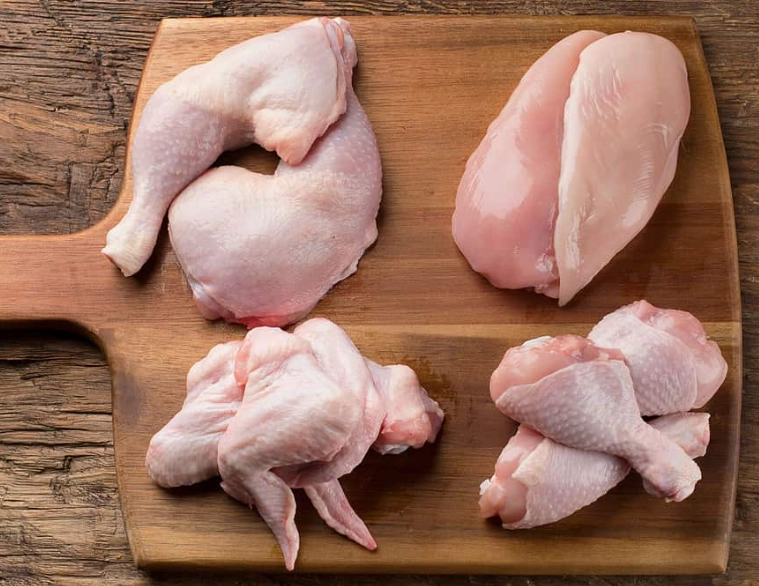
It All Starts With Muscle: Why Color Even Exists
Let's get the basic biology out of the way first. This is the core of the whole dark vs white chicken thing. The color difference comes down to one key factor: the type of muscle fiber and what that muscle was used for.
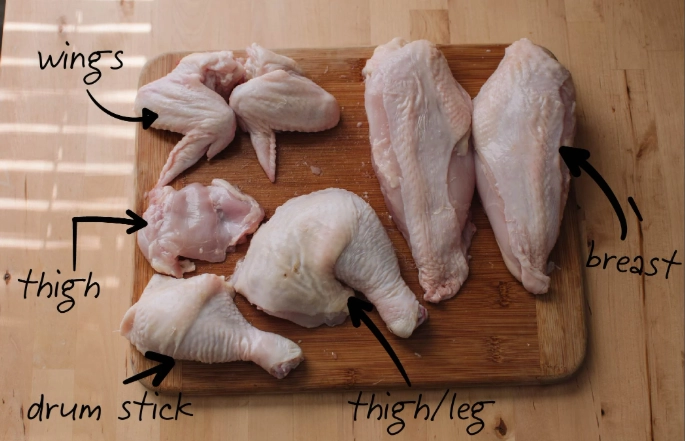
White meat—think breast and wings—comes from muscles the chicken uses for short, fast bursts of activity. Flapping wings, quick movements. These are "fast-twitch" fibers. They rely on a stored carbohydrate called glycogen for energy, and they don't need a huge network of blood vessels. Less blood flow means less myoglobin (an oxygen-storing protein that's red). Less myoglobin equals lighter-colored meat.
Dark meat—thighs, drumsticks—comes from muscles built for endurance. A chicken spends most of its life standing and walking. These leg muscles are "slow-twitch" fibers. They need a constant supply of oxygen for sustained activity, which means tons of blood vessels and a high concentration of myoglobin. More myoglobin equals darker, redder meat.
It's really that simple. Dark meat isn't dirty or less pure. It's just built differently. It's the workhorse muscle.
The Nutrition Face-Off: Beyond Just Calories
This is where most people get hung up. The classic belief: white meat is lean and healthy, dark meat is fatty and indulgent. The reality? It's a lot more nuanced. Let's look at the data, using 3-ounce cooked portions (about the size of a deck of cards) as our standard, based on information from the USDA's FoodData Central, which is an incredibly reliable resource for this stuff.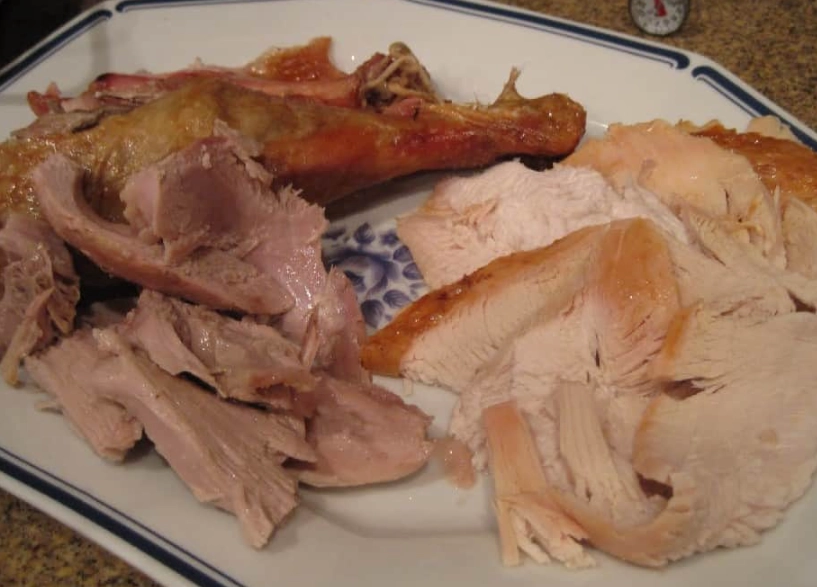
| Nutrient | Skinless Chicken Breast (White) | Skinless Chicken Thigh (Dark) |
|---|---|---|
| Calories | ~128 kcal | ~150 kcal |
| Protein | ~26 g | ~20 g |
| Total Fat | ~2.7 g | ~7 g |
| Saturated Fat | ~0.7 g | ~2 g |
| Iron | ~0.6 mg (3% DV) | ~1.1 mg (6% DV) |
| Zinc | ~0.6 mg (5% DV) | ~1.5 mg (14% DV) |
| Vitamin B12 | ~0.3 mcg (13% DV) | ~0.4 mcg (17% DV) |
See what's happening here? The dark meat vs white chicken nutrition story isn't black and white—pun intended.
White chicken wins on pure, lean protein density and lower calories and fat, no question. If your primary goal is maximizing protein while minimizing fat and calories (think bodybuilding, certain weight loss phases), breast is your champion.
But look at the minerals. Dark meat pulls ahead in iron, zinc, and some B vitamins. That higher myoglobin content? That's iron-rich. This makes dark meat a more nutrient-dense choice in some ways. The extra fat? It's not all bad news. It includes more monounsaturated fats (the kind in olive oil) and adds satiety—that feeling of being satisfied after a meal. I've noticed I snack less after a meal with thighs compared to one with just breast.
The Skinny on Skin (Literally)
We have to talk about the elephant in the room: skin. This changes everything. The numbers above are for skinless meat. Add the skin back on, and the fat and calorie content of either cut skyrockets.
A chicken breast with skin can have nearly double the fat. A thigh with skin? Even more. My personal rule of thumb: if you want to keep things lean, take the skin off before cooking, or at least before eating. But let's be real—crispy chicken skin is one of life's great pleasures. I treat it as an occasional indulgence, not an everyday thing. Removing it is the single biggest move you can make in the dark vs white chicken health debate.
Flavor and Texture: Where the Rubber Meets the Road
This is the part your taste buds care about. The difference here is dramatic, and it's all due to the very factors we just discussed: fat and connective tissue.
Dark meat is inherently more flavorful and juicy. The higher fat content acts as a natural basting agent during cooking. It also has more connective tissue (collagen), which, when cooked slowly, breaks down into gelatin. That's what gives you that fall-off-the-bone tenderness and rich mouthfeel in a good braise or stew. It's forgiving. Overcook a chicken thigh a little, and it'll still be edible. Overcook a breast by a few minutes, and you've got sawdust.
White meat is milder, some would say blander. Its leanness is its Achilles' heel in the kitchen. Without careful cooking, it dries out fast. Its texture is more uniform and can be pleasantly firm when cooked perfectly.
My own kitchen confession: I used to dread cooking chicken breast because I'd always dry it out. Switching to thighs gave me confidence. They were harder to mess up. Now I use both, but I know I need to pay more attention to the breast—using a meat thermometer is non-negotiable for me there.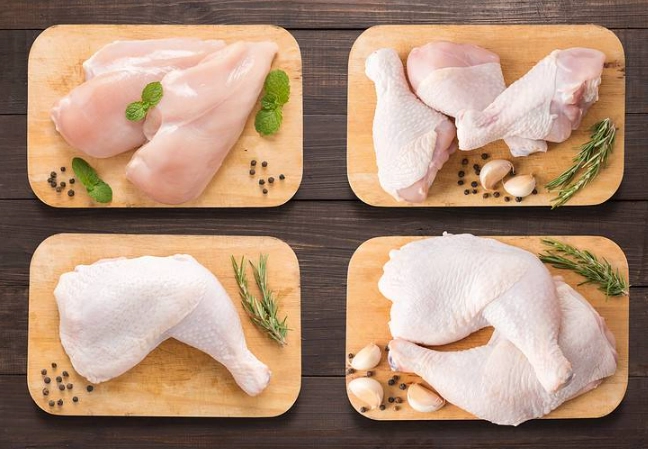
Cooking Methods: Playing to Their Strengths
You wouldn't use a screwdriver to hammer a nail. Same idea here. Picking the right cooking method for dark vs white chicken is half the battle.
Best Ways to Cook White Chicken (Breast/Wings):
- Quick, High-Heat: Grilling, broiling, sautéing, stir-frying. You want to get it hot and fast to sear the outside and cook the inside quickly before moisture escapes.
- Brine or Marinade: Seriously, do this. A simple 30-minute soak in saltwater (a brine) or an acidic marinade (with yogurt, lemon juice, buttermilk) makes a world of difference. It adds moisture and flavor right into the muscle fibers. The Serious Eats Food Lab has fantastic deep dives into the science of brining if you're curious.
- Target Temperature: 165°F (74°C). Use a thermometer. Please. Just trust me on this.
Best Ways to Cook Dark Chicken Meat (Thighs/Drumsticks):
- Low and Slow: Braising, stewing, slow-cooking, confit. These methods give the connective tissue time to melt into succulent gelatin. Think coq au vin, chicken curry, slow-cooker pulled chicken.
- High Heat Works Too: Grilled or roasted thighs are fantastic because the fat renders and crisps the skin. They can handle higher internal temps (175-185°F) to really break down the tissue without drying out.
- Bonus: They're Great Skin-On: Since you're often going for crispy skin with dark meat, cooking it skin-on makes sense. Just drain off excess fat if needed.
Mixing them up leads to problems. Try to braise a chicken breast for two hours, and you'll get stringy, dry mush. Try to quickly grill a thigh to 165°F, and you might end up with rubbery skin and chewy meat near the bone. Match the method to the meat.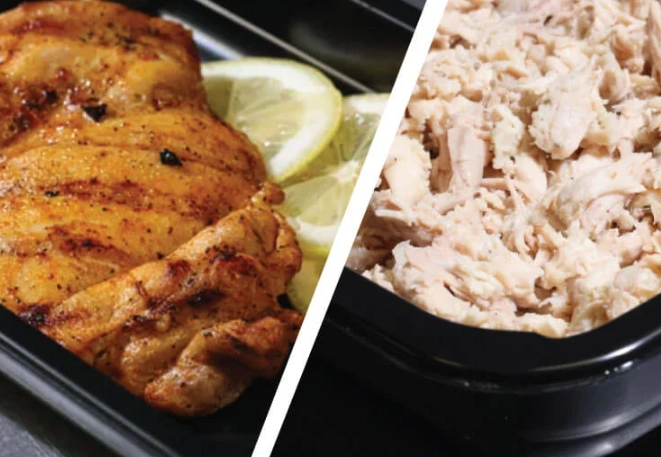
Cost and Convenience: The Real-World Factor
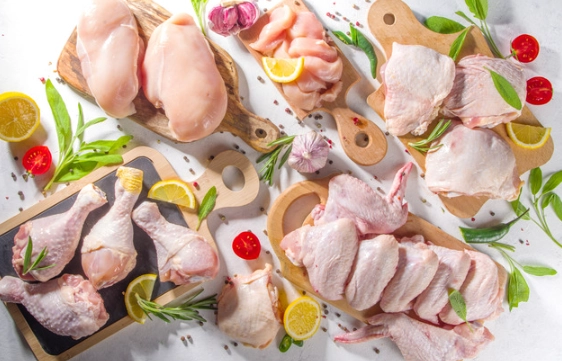
Let's talk money. Usually, boneless, skinless chicken breasts are the most expensive cut per pound. Why? Demand. They're marketed as the "healthy" option. Thighs and drumsticks are often significantly cheaper. We're talking a difference of a couple dollars per pound sometimes.
This is a huge point in favor of dark meat, especially if you're feeding a family on a budget. You get more flavor for less money. The trade-off? Dark meat often has more bone and cartilage, so the edible yield might be slightly lower, but the cost savings usually outweigh that.
Convenience is a toss-up. Boneless, skinless anything is convenient. But bone-in, skin-on thighs are often cheaper than their boneless counterparts and pack more flavor. I buy bone-in thighs and spend five minutes deboning them myself—it's easy once you do it a few times, and I save money.
Health Myths and Common Questions
Time to bust some myths. You hear a lot of things about dark vs white chicken. Let's clear the air.
Myth 1: Dark Meat is Unhealthy.
Not true. As the nutrition table shows, it has more fat, but it's not an unhealthy food. The fat profile includes good fats. In the context of a balanced diet, dark meat is a wholesome, nutritious protein source. The Harvard T.H. Chan School of Public Health Nutrition Source consistently notes that poultry is a healthy protein choice, without singling out white meat as the only option.
Myth 2: White Meat is Always the Best for Weight Loss.
It can be, due to lower calories. But satiety matters. If a meal with dark meat keeps you full longer and prevents overeating later, it might be just as effective for your goals. It's about total diet, not one ingredient.
Your Dark vs White Chicken Questions, Answered
So, What Should *You* Choose?
Forget a universal answer. It depends on your goal for that specific meal.
Choose White Chicken (Breast) if: You're aiming for maximum lean protein with minimal fat/calories. You're making a dish where a mild flavor is desired (like a creamy pasta or a salad where the chicken isn't the star). You're short on time and need something that cooks very quickly.
Choose Dark Meat (Thighs/Legs) if: Flavor and juiciness are your top priorities. You're using a slow, moist cooking method like braising. You're cooking for a crowd on a budget. You want a more forgiving piece of meat that's hard to overcook. You're looking to boost your intake of iron and zinc.
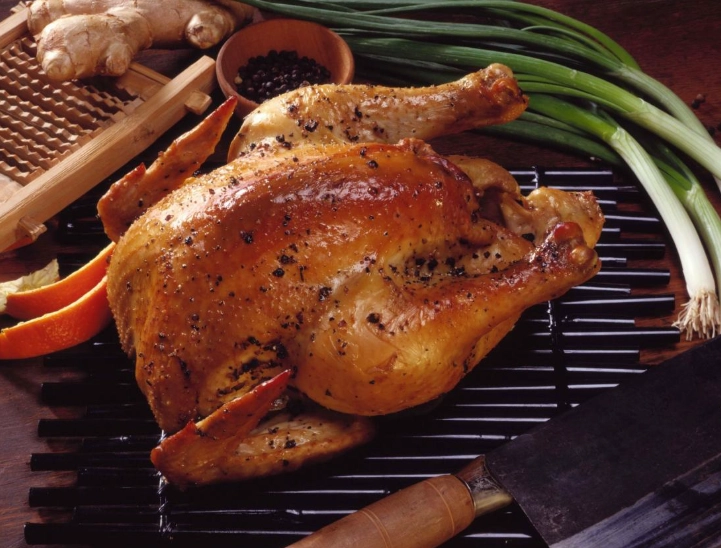
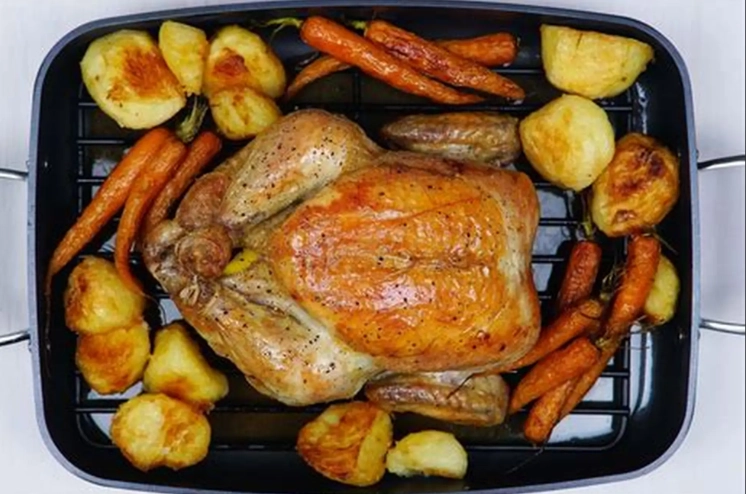
The real pro move? Use both. A whole chicken gives you both, and each part can shine in its own way. You can roast a whole bird and enjoy the different textures. Or use breasts for a Monday night quick stir-fry and thighs for a Sunday afternoon curry.
I've made my peace with the dark vs white chicken debate. I don't see it as a battle anymore. My fridge usually has both. Some days I want the clean, lean protein hit from a perfectly grilled breast. Other days, nothing but a deeply flavorful, falling-apart braised thigh will do.
It’s not about good vs. bad. It’s about knowing what you’ve got in your hands and cooking it right. That’s the secret they don’t always tell you. Whether it’s dark meat or white chicken, treat it right, and it’ll never let you down.
Related Articles