Perfect Roasting Time for a 5 lb Chicken: Expert Guide
What You'll Find Inside
Let's cut to the chase. If you're staring at a 5-pound chicken and wondering how long to roast it, the quick answer is about 1 hour and 20 minutes to 1 hour and 40 minutes at 375°F (190°C). But here's the thing I learned after burning a few birds early in my cooking days: time alone is a terrible guide. A digital meat thermometer is what you really need. The USDA recommends cooking poultry to an internal temperature of 165°F (74°C) for safety, but for juicier meat, I pull my chicken at 160°F (71°C) and let it rest—it carries over to perfection. This guide dives deep into the nuances so you never serve a dry or undercooked roast again.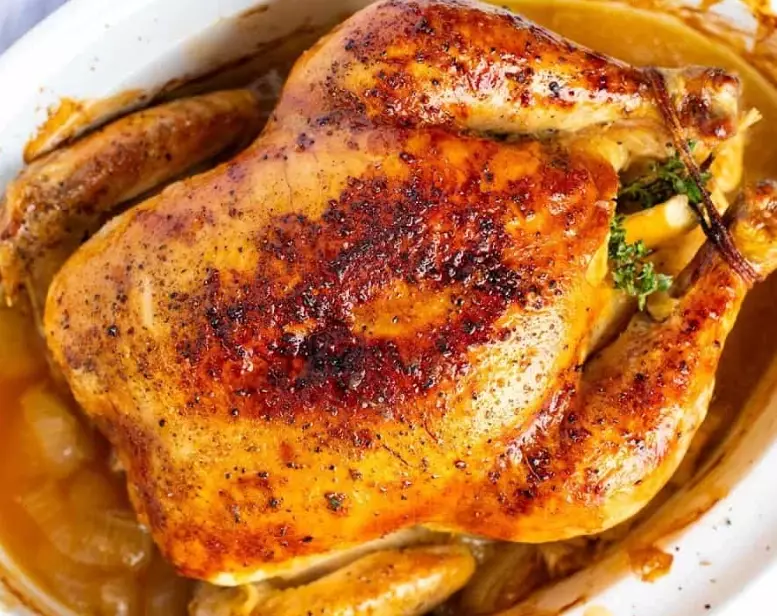
The Short Answer (It's Not Just Time)
Most recipes will throw a number at you. 20 minutes per pound at 350°F, they say. For a 5 lb chicken, that's 100 minutes. It's a decent starting point, but it's flawed. Your oven's calibration, whether the chicken was cold from the fridge, and even the roasting pan material can skew that time by 15-20 minutes. I once followed a "90-minute" recipe to the letter and ended up with a raw center because my oven runs cool. Trust me, eyeballing it doesn't work. The real key is internal temperature, not the clock. Invest in a good instant-read thermometer like a ThermoPop or Thermapen—it changed my roasting game completely.
Prepping Your Chicken: Beyond Salt and Pepper
Before we talk heat, let's prep. A 5 lb chicken is typically a roaster or fryer, perfect for a family of four. Start by patting it dry with paper towels. Moisture is the enemy of crispy skin. Many people skip this and wonder why their chicken steams instead of roasts.
Seasoning is where you can get creative. Sure, salt and pepper work, but for deeper flavor, I mix kosher salt, black pepper, garlic powder, paprika, and a touch of dried thyme. Rub it under the skin on the breasts and thighs, not just on top. It makes a world of difference. Trussing (tying the legs) helps cook evenly, but I often skip it—it doesn't affect the time much, and I find it easier to carve later.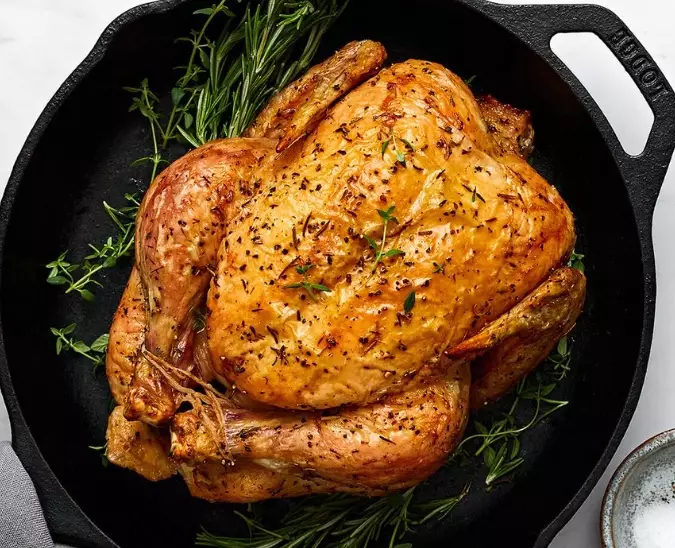
The Brining Myth: Is It Worth It?
Brining—soaking in saltwater—is touted for juicy meat. For a 5 lb chicken, a 4-6 hour brine in a solution of 1/4 cup kosher salt per quart of water can help. But here's my non-consensus take: unless you're planning ahead, dry-brining (salting the chicken and leaving it uncovered in the fridge for a day) is more effective and less messy. It draws out moisture, then reabsorbs it, seasoning deeply. I've done both, and dry-brining gives better skin texture. If you're short on time, just season generously before roasting.
Roasting Time and Temperature: The Core Details
Now, the main event. For a 5 lb chicken, I recommend roasting at 375°F (190°C). This temperature balances browning and cooking through without drying out. Here's a detailed breakdown based on my tests and references like the USDA Food Safety guidelines.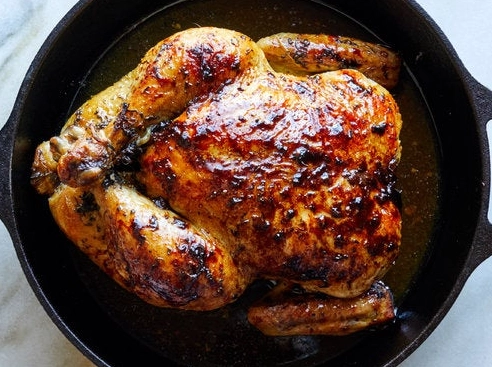
| Oven Temperature | Estimated Total Time | Internal Temp Target | Notes |
|---|---|---|---|
| 350°F (175°C) | 1 hr 40 min – 2 hrs | 160-165°F (71-74°C) | Slower, more even cook; skin may be less crispy. |
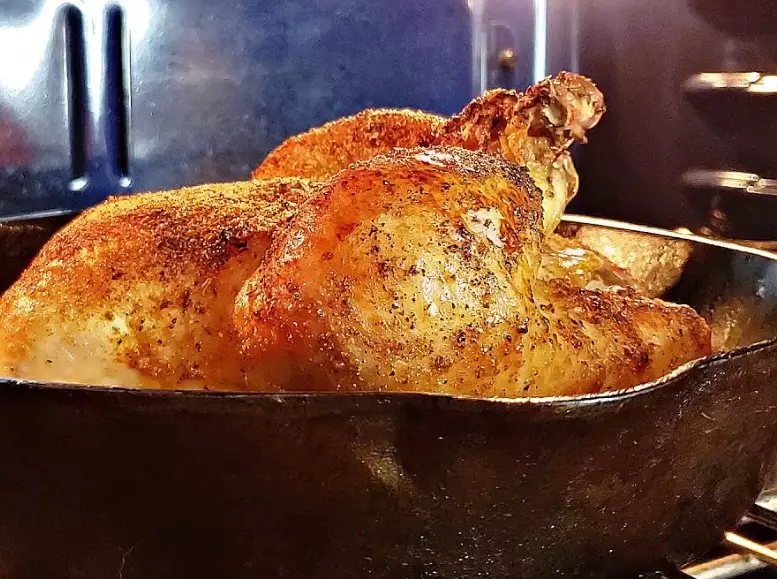
| 375°F (190°C) | 1 hr 20 min – 1 hr 40 min | 160-165°F (71-74°C) | My go-to; good browning and juiciness. |
| 400°F (205°C) | 1 hr – 1 hr 20 min | 160-165°F (71-74°C) | Faster, crispier skin; watch for burning. |
Start with the breast-side up on a rack in a roasting pan. This allows air circulation. If you don't have a rack, chop some onions or carrots as a bed—they add flavor and prevent sticking. Baste halfway through with pan juices or melted butter for extra flavor, but it's not essential. I often skip basting to keep the oven door shut and maintain temperature.
The time ranges account for variables. A cold chicken straight from the fridge adds 10-15 minutes. A convection oven cooks faster—reduce time by 25% or lower the temperature by 25°F. My neighbor's oven runs hot, so she always shaves off 10 minutes. Know your appliance.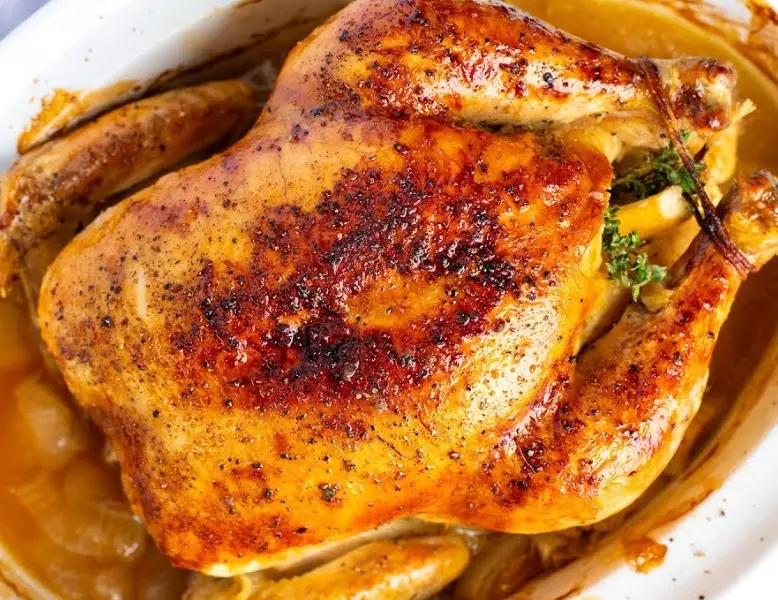
Why a Thermometer is Your Best Friend
This is the biggest mistake home cooks make: relying on time or color. I did it too, until I served a pink-thighed chicken that looked golden brown. A thermometer eliminates guesswork. Insert it into the thickest part of the thigh, avoiding bone. Aim for 160°F (71°C)—the temperature will rise 5-10 degrees during resting, reaching the safe 165°F (74°C). For the breast, check for 155°F (68°C). If you don't have a thermometer, pierce the thigh; juices should run clear, but that's less reliable.
Resting is non-negotiable. Take the chicken out, tent it loosely with foil, and let it sit for 15-20 minutes. This allows juices to redistribute. Cutting too soon releases all those juices onto the cutting board, leaving you with dry meat. I learned this the hard way during a rushed dinner—the chicken tasted like cardboard.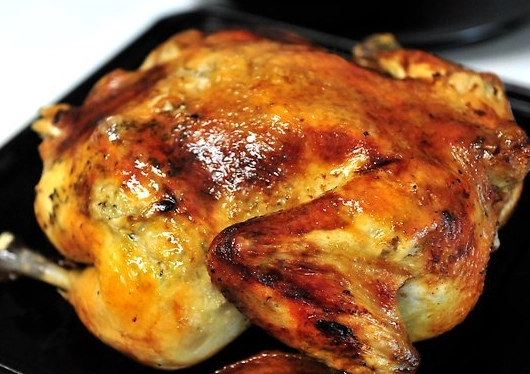
Common Mistakes and How to Dodge Them
Over the years, I've seen—and made—plenty of errors. Here are the top ones for roasting a 5 lb chicken.
Overcrowding the Pan: If you add vegetables like potatoes, make sure they're in a single layer. Crowding steams the chicken. I use a separate pan for veggies if needed.
Opening the Oven Too Often: Every peek drops the temperature by 25°F or more. Set a timer and trust it. I use the oven light to check browning.
Ignoring Carryover Cooking: That temperature rise during resting can push your chicken from perfect to overdone. Pull it at 160°F, not 165°F.
Using a Glass Pan vs. Metal: Glass pans heat slower and can affect timing. Metal roasting pans are better for even heat. My old glass dish added 10 extra minutes.
Not Adjusting for Stuffing: If you stuff the cavity, add 15-30 minutes to the time, and ensure the stuffing reaches 165°F. I prefer roasting stuffing separately—it's safer and crispier.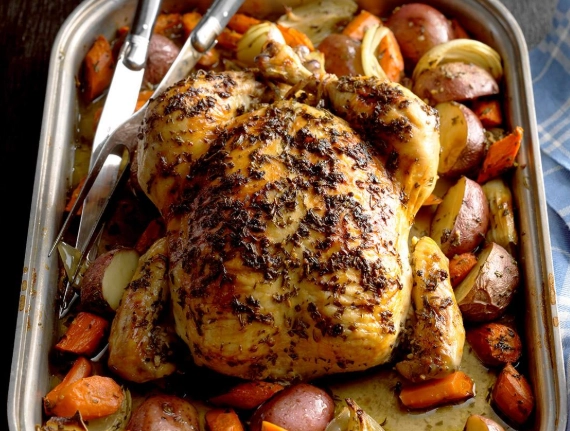
Your Roasting Questions Answered
Roasting a 5 lb chicken doesn't have to be stressful. Focus on internal temperature, prep well, and learn from mistakes. My first perfect roast came after a few trials, but now it's a weekly staple. Share your results in the comments—I'd love to hear how it goes!
Related Articles