The Ultimate Guide to Baking a Juicy Whole Chicken
In This Guide
- Before You Even Turn On the Oven: Choosing Your Bird
- The Non-Negotiable First Step: Proper Preparation
- Seasoning: Where the Flavor Happens
- The Main Event: How to Bake a Whole Chicken Perfectly
- Carving Like You Know What You're Doing
- Answering Your Burning Questions (See What I Did There?)
- Common Problems and How to Fix Them Next Time
- Wrapping It Up
Let's talk about baking a whole chicken. It sounds simple, right? You pop a bird in the oven and wait. But if you've ever ended up with dry breast meat while the thighs are still pink, or skin that's pale and flabby instead of crisp and golden, you know there's more to it. I've been there. My first few attempts were... educational. One time I used a fancy herb butter under the skin but forgot to truss the legs, so they splayed out and cooked way faster than the rest. Lesson learned.
This guide is the result of all those lessons, plus plenty of successful (and delicious) roasts since. We're going to walk through the entire process of how to bake a full chicken, step by step, without any fuss. No complicated chef techniques, just clear, reliable methods that work in a home kitchen. Whether you're meal prepping for the week or want an impressive but easy Sunday dinner, mastering this skill is a game-changer.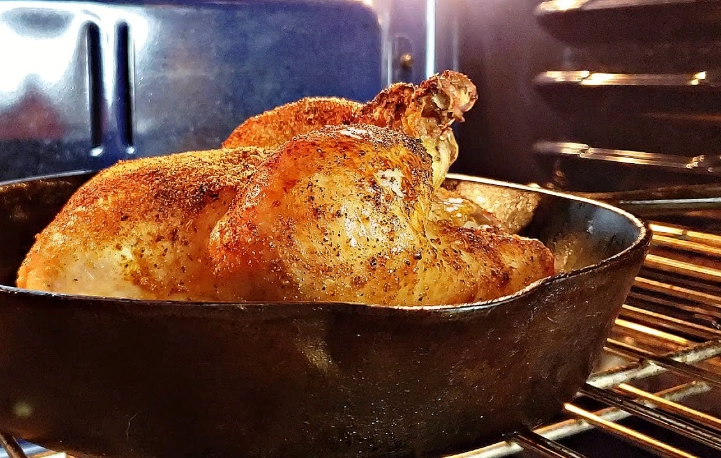
Before You Even Turn On the Oven: Choosing Your Bird
It all starts at the store. Grab the wrong chicken, and you're fighting an uphill battle from the get-go.
You'll see a few main types. Conventional birds are the standard, most affordable option. They're fine, but they can be a bit less flavorful. Air-Chilled chickens are processed using air instead of water baths. This means they don't absorb extra water, so they brown better and have more concentrated flavor. I personally think it's worth the extra dollar or two. Then there are the Premium labels: Organic, Free-Range, Pasture-Raised. These often have better living conditions and diet, which translates to better texture and taste. For a special occasion, I'll splurge on a good pasture-raised bird. The difference in flavor, especially in the dark meat, is noticeable.
Size matters more than you think. A 3 to 4-pound bird is the sweet spot for most home ovens and families of four. It cooks evenly, and you get a good balance of white and dark meat. Go much bigger, and you risk the breast drying out before the thickest parts near the thigh joint are done. Trust me on this.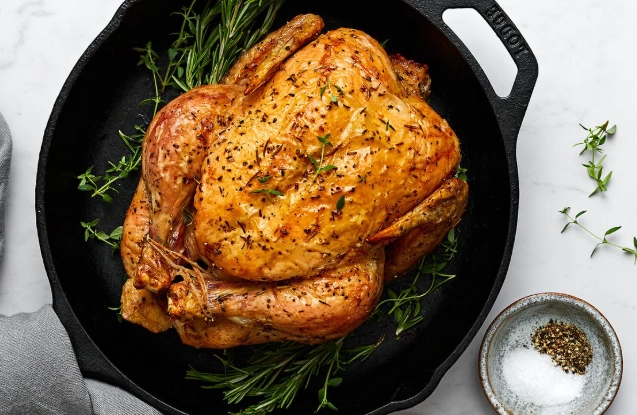
Pro Shopping Tip: Always, always check the sell-by date and pick the package from the back of the cooler—it's usually the coldest. Give the plastic a gentle press. The chicken should feel firm, not slimy, and there should be minimal liquid in the tray.
The Non-Negotiable First Step: Proper Preparation
Okay, you're home with your chicken. The first rule? Patience. If your chicken is frozen, plan ahead. Thawing it safely in the fridge can take a full 24 hours for a 4-pounder. Never, ever thaw it at room temperature. That's just asking for trouble with bacteria. The USDA's Food Safety site has clear guidelines on this—it's not just me being fussy.
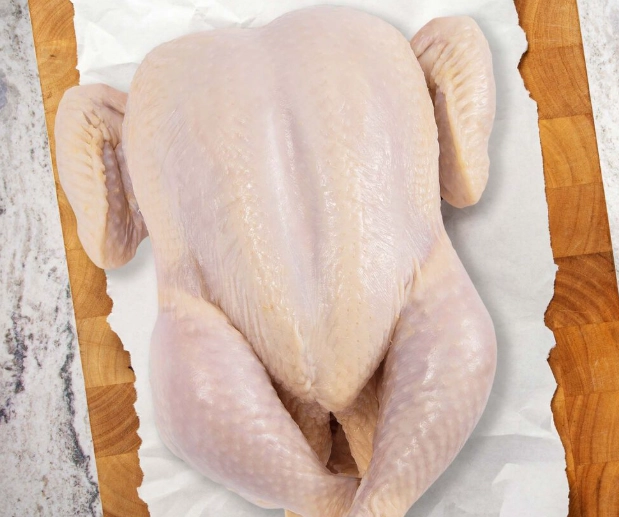
Once thawed or if you bought it fresh, take it out of the packaging over the sink. Remove the giblets (they're usually in a bag tucked inside the cavity). Now, the most important prep step that most people skip: dry it thoroughly. I mean, really dry it. Use a mountain of paper towels and get every nook and cranny, inside and out. This is the single biggest secret to crispy skin. Wet skin steams; dry skin roasts and crisps. Don't believe me? Try it once. You'll never skip this again.
To Brine or Not to Brine?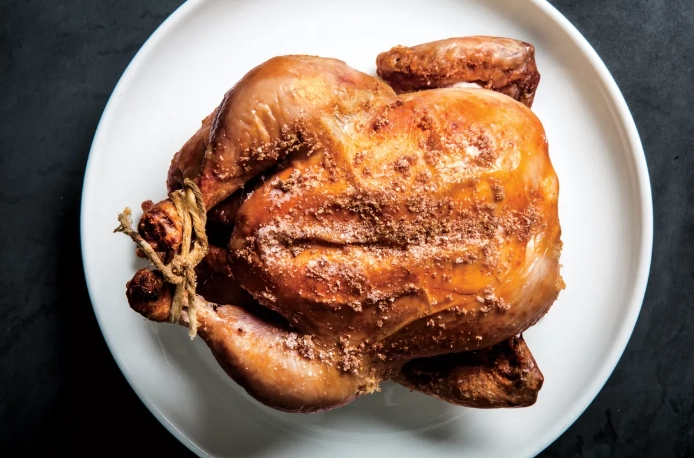
This is a hot topic. Brining—soaking the chicken in a saltwater solution—guarantees juicier meat because the salt helps the muscle fibers retain moisture. It's a fantastic safety net, especially if you're worried about dryness.
A simple wet brine is just 1/4 cup of kosher salt and 1/4 cup of sugar dissolved in a quart of cold water. Submerge the bird for 4-12 hours in the fridge. The downside? It adds time, and the skin can be harder to crisp unless you dry it very well afterward.
My preferred method for a quicker, still-effective approach is dry brining. Simply rub the entire chicken, inside and out, with a generous amount of kosher salt (about 1 tablespoon total for a 4lb bird). Do this the night before or at least 4 hours before cooking, and leave it uncovered on a rack in your fridge. The salt seasons deeply, and the air drying in the fridge makes the skin papery and perfect for roasting. It's less messy and gives you that crackling-crisp skin we all want.
Seasoning: Where the Flavor Happens
Now for the fun part. After the bird is dry (and brined if you went that route), it's time to add flavor. The basics are salt (if you didn't dry brine) and pepper. But why stop there?
You have two main areas to season: under the skin and on top of the skin. Getting flavor under the skin makes a huge difference. Gently slide your fingers between the skin and the breast meat, loosening it. Be careful not to tear it. You can smear softened butter, herb pastes, or even just a drizzle of olive oil in there. This bastes the meat from the inside as it cooks.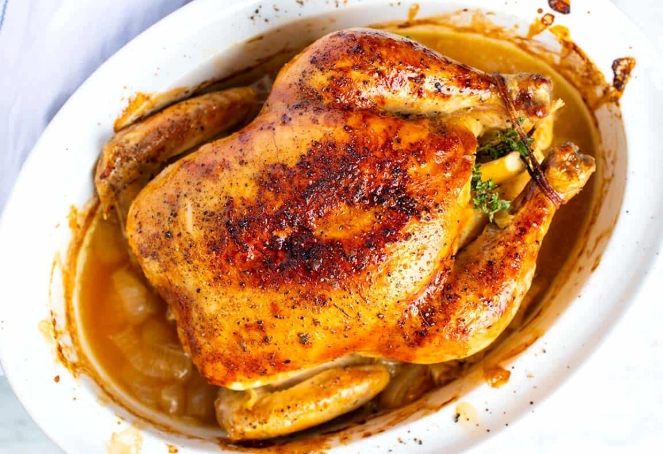
For the outside, a good drizzle of oil (avocado or olive oil work great) and your spice rub. Don't forget the cavity! Stuffing it with aromatics like a halved lemon, a whole head of garlic cut in half, and a bunch of herbs (thyme, rosemary) doesn't really flavor the meat much, but it makes your kitchen smell incredible and can subtly perfume the chicken from the inside.
| Seasoning Style | What to Use | Best For | My Personal Rating |
|---|---|---|---|
| Classic Herb & Garlic | Rosemary, thyme, sage, minced garlic, lemon zest, butter. | A timeless, crowd-pleasing flavor. Never fails. | 10/10 for reliability |
| Lemon-Pepper Zing | Coarse black pepper, lemon zest (not juice!), garlic powder, onion powder, paprika. | A brighter, zesty profile. Great with roasted potatoes. | 9/10 for simplicity |
| Smoky Paprika Rub | Smoked paprika, brown sugar, cumin, garlic powder, chili powder. | A deeper, almost barbecue-like flavor. Skin gets gorgeous color. | 8/10 (can burn if watched) |
| Simple Salt & Pepper | Kosher salt, freshly ground black pepper. | Highlighting the pure flavor of a really good quality chicken. | 7/10 (needs a great bird) |
The Main Event: How to Bake a Whole Chicken Perfectly
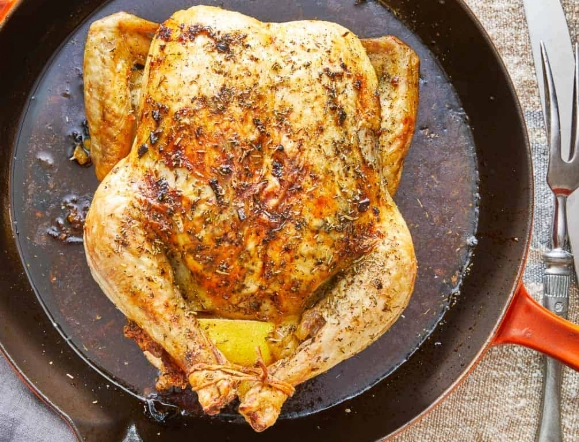
Finally, the oven. Preheat it well—this is non-negotiable. A cold start leads to uneven cooking. I set mine to 425°F (220°C). High heat is your friend for crispy skin.
Place the chicken breast-side up in a roasting pan or sturdy skillet. I don't like using a deep pan with a rack because the drippings burn. A shallow pan or even a cast-iron skillet is perfect. Some people swear by starting the chicken breast-side down. I've tried it. It makes the breast juicier initially, but then you have to flip it to crisp the skin, and it's a hot, awkward mess. Not worth it for me.
Here's my foolproof method for how to bake a full chicken: Start hot, finish steady. Roast at 425°F for the first 20-25 minutes. This initial blast sets the skin and gives you that gorgeous color. Then, without opening the door, reduce the heat to 375°F (190°C) and roast until done. The total time is usually about 20 minutes per pound, PLUS an extra 15-20 minutes. But never, ever go by time alone.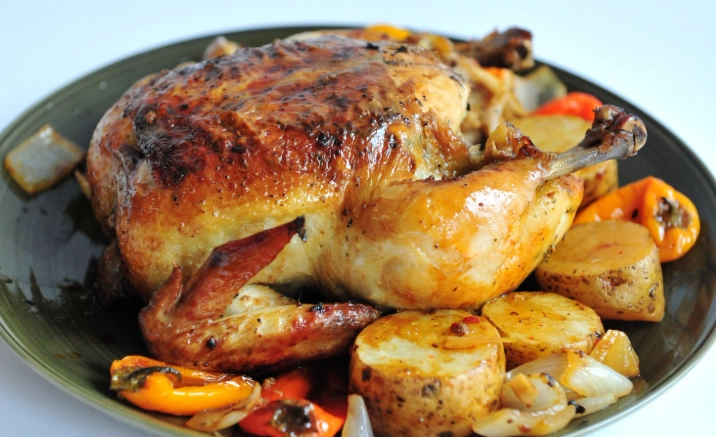
The #1 Mistake: Relying solely on a timer. Ovens vary, chicken sizes vary. You must check the temperature.
You need a good instant-read meat thermometer. It's the best ten bucks you'll spend in the kitchen. To check if your baked whole chicken is done, insert the thermometer into the thickest part of the thigh, avoiding the bone. It should read 165°F (74°C). Also check the thickest part of the breast; it should be at least 160°F (71°C) as it will carry-over cook. The juices should run clear, not pink.
Once it hits temp, take it out. Immediately transfer it to a cutting board or platter. Do not carve it yet. This is the second most important step: let it rest. Tent it loosely with foil and walk away for 15-20 minutes. The juices, which are all rushed to the surface from the heat, need time to redistribute back throughout the meat. If you cut it now, all that flavorful juice will just run out onto the board, leaving you with a drier bird. The waiting is torture, but it makes all the difference.
Carving Like You Know What You're Doing
Resting time is over. Now, don't just hack at it. A little technique makes serving easier and looks impressive.
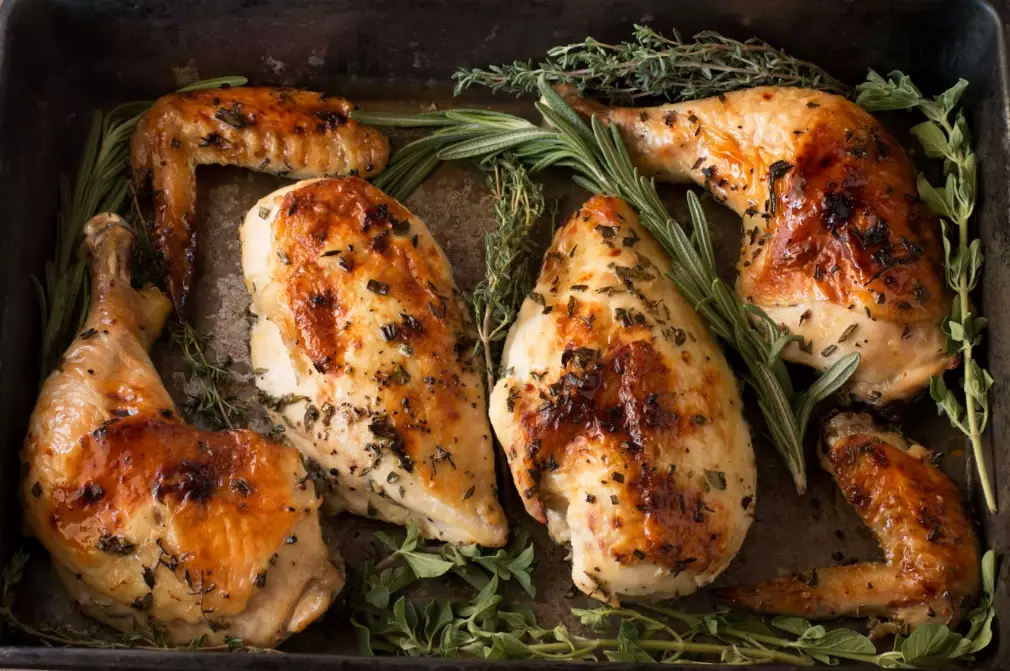
You'll need a sharp chef's knife and a sturdy fork or pair of tongs. First, remove the legs. Pull a leg away from the body and slice through the skin and joint connecting it. Separate the thigh from the drumstick by cutting at the natural joint. Next, for the wings, pull them out and cut close to the breast. Finally, for the breasts: make a long cut along one side of the breastbone, then gently slice downward, following the ribcage, to remove the entire breast half. You can then slice it crosswise into portions. It's easier than it sounds once you do it.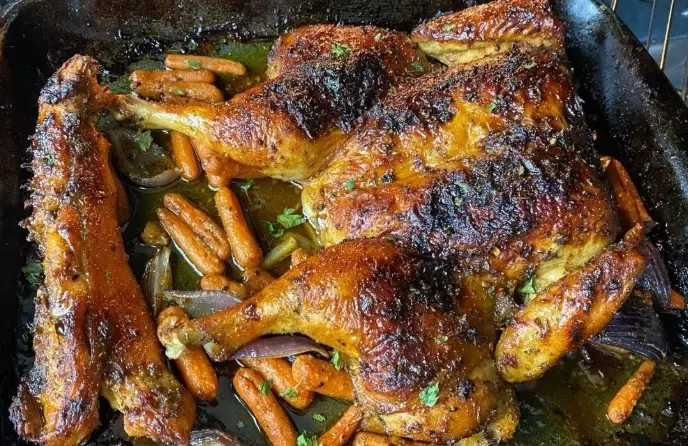
My Lazy/Genius Alternative: For weeknight meals, I often just remove the legs and wings whole, then slice each breast off the bone and cut it into thick chunks. It's faster, less fussy, and just as tasty on the plate.
Answering Your Burning Questions (See What I Did There?)
I get a lot of questions whenever I teach someone how to bake a whole chicken. Here are the most common ones.
Common Problems and How to Fix Them Next Time
Let's troubleshoot. It happens to everyone.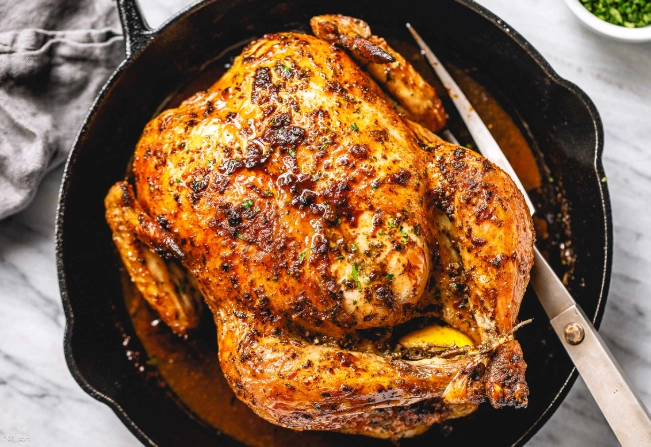
- Skin is pale and rubbery: The bird wasn't dry enough before going in. Or the oven temp was too low. Pat dry thoroughly and start with a high oven temp (425°F+).
- Breast is done but thighs are bloody: The bird was too big, or it wasn't trussed. Try a smaller bird (3-4 lbs) or tie the legs together with kitchen twine to create a more even shape.
- Bottom is burnt: Your pan was too thin or dark, or you didn't have enough drippings. Use a heavier, lighter-colored pan, or add a rough chop of onions, carrots, and celery to the pan first. They act as a trivet and flavor the drippings.
- Seasoning is bland: You only seasoned the outside. Get salt and flavor under the skin next time. And don't be shy with the salt overall.
Wrapping It Up
Learning how to bake a full chicken is one of those foundational kitchen skills that pays off for a lifetime. It's economical, impressive, and infinitely versatile. The leftovers make fantastic sandwiches, salads, soups, and casseroles. Once you get the rhythm down—dry the skin, season well, roast hot, check the temp, rest patiently—it becomes second nature.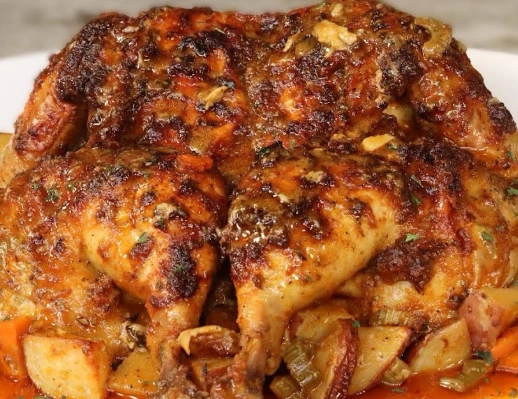
The best part? It’s hard to truly mess up. Even a less-than-perfect roast chicken is still pretty darn good. So grab a bird, give this method a shot, and get ready for some seriously good eats. Forget the complicated recipes; sometimes, the simple act of knowing how to bake a whole chicken perfectly is the best trick in your cooking arsenal.
Related Articles