White Chicken vs Dark Chicken: Nutrition, Taste & Best Uses
You're at the grocery store, staring at the poultry section. Chicken breast, thighs, wings, drumsticks. It's all chicken, right? Not quite. The divide between white chicken meat and dark chicken meat is one of the most fundamental in the kitchen, and getting it wrong can mean the difference between a juicy, flavorful meal and a dry, disappointing one. I've seen too many home cooks grab a pack of boneless, skinless chicken breasts for a stew, only to wonder why it's so bland and tough. Let's clear up the confusion once and for all.
This isn't just about light and dark colors. It's about muscle function, fat content, cooking science, and ultimately, how to make your food taste incredible every single time.
What's Inside This Guide
What Makes White and Dark Chicken Meat Different?
It all boils down to one thing: myoglobin. Myoglobin is a protein that stores oxygen in muscle cells. Muscles that are used more frequently and for sustained periods need a constant, ready supply of oxygen. These muscles are rich in myoglobin, which has a dark red color.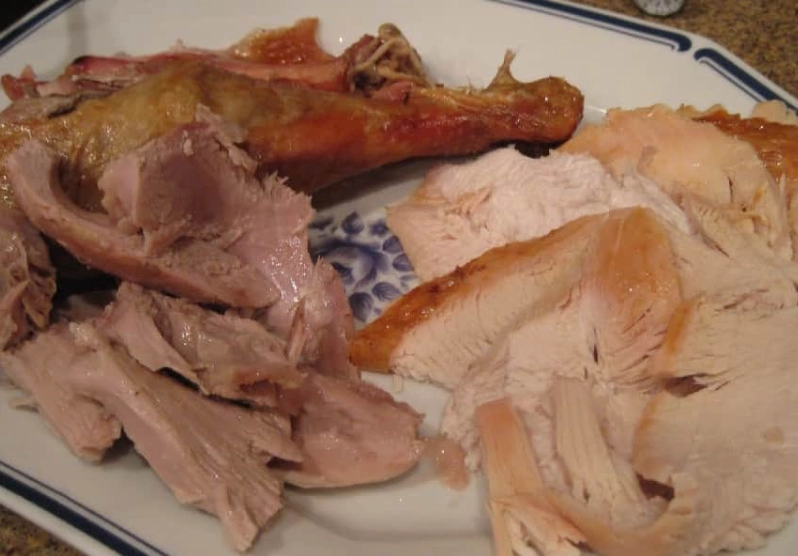
Think about a chicken. What parts are working non-stop? The legs and thighs. A chicken walks around all day. Those muscles are endurance muscles, packed with myoglobin, making the meat appear dark. Now, what parts barely move? The breast and wings. A chicken's flight is a few frantic flaps at most. Breast muscles are fast-twitch, used for short bursts of energy. They require less myoglobin, so the meat stays light in color – white meat.
This biological difference dictates everything that follows: texture, fat content, and how the meat behaves in your pan or oven.
Nutrition Showdown: Breaking Down the Numbers
Here's where a lot of people get tripped up. For decades, white meat, especially chicken breast, has been crowned the undisputed "healthy" champion. It's lean, high in protein, and low in fat. That's true. But dark meat isn't the villain it's often made out to be. The difference is more nuanced.
Let's look at a 3-ounce (85g) cooked serving, skinless. The data here is synthesized from common references like the USDA's FoodData Central.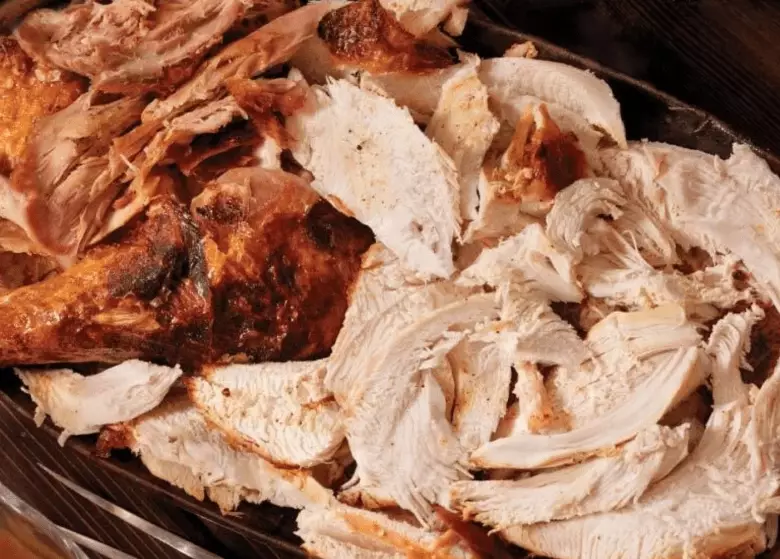
| Nutrient | Chicken Breast | Chicken Thigh |
|---|---|---|
| Calories | ~165 | ~210 |
| Protein | ~31g | ~26g |
| Total Fat | ~3.6g | ~10g |
| Saturated Fat | ~1g | ~2.5g |
| Iron | ~0.9mg (5% DV) | ~1.3mg (8% DV) |
| Zinc | ~0.9mg (8% DV) | ~2.4mg (22% DV) |
See the trade-off? Breast wins on pure protein density and leanness. But the thigh brings more to the table than just extra fat. That fat carries flavor, sure, but it also means dark meat is a significantly better source of minerals like iron and zinc, which are crucial for energy and immunity. The fat is also where fat-soluble vitamins hang out.
The Satiety Factor: Why Fat Isn't the Enemy
Here's a non-consensus point from years of cooking and talking to dieters: that extra fat in dark meat can actually help you feel fuller, longer. A meal with a juicy chicken thigh often feels more satisfying than one with a lean breast, which might leave you hunting for a snack an hour later. For sustainable healthy eating, satisfaction matters just as much as the calorie count.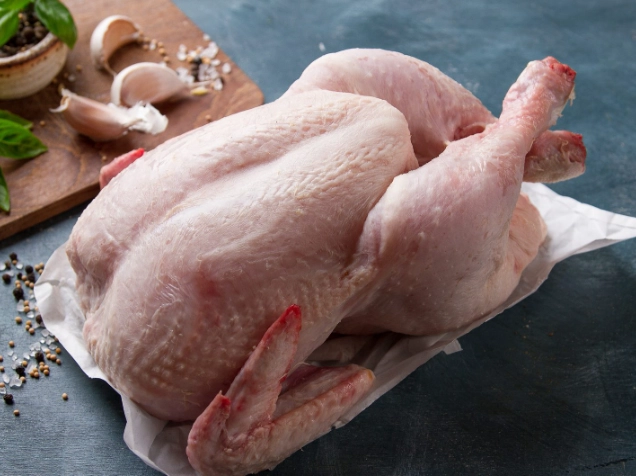
Flavor and Texture: The Real Deal Breaker
Nutrition charts don't tell the whole story. Your mouth does.
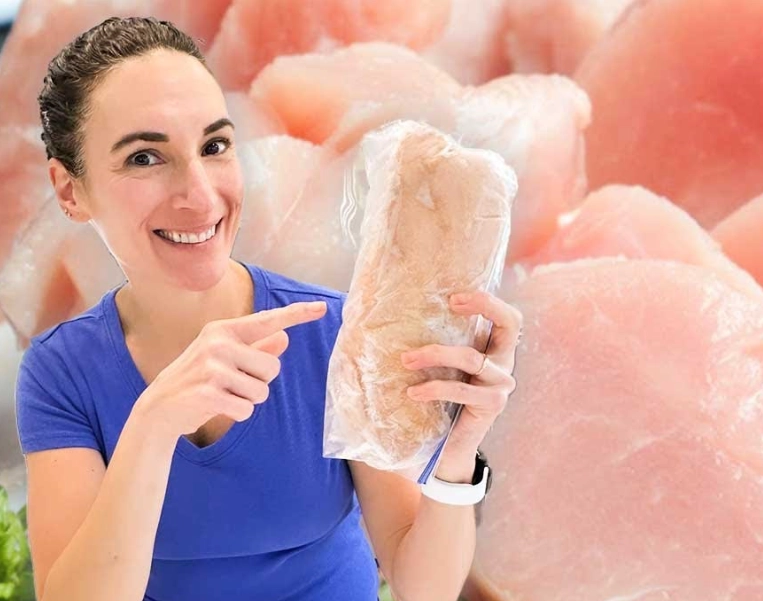
White Meat (Breast, Tenderloin): The texture is lean and fine-grained. When cooked perfectly, it's tender and slices cleanly. The flavor is mild, subtle, and clean. It's a blank canvas. This is its greatest strength and its greatest weakness. It absorbs marinades and sauces beautifully but has little intrinsic "chicken" flavor to stand on its own. Overcook it by just a few minutes, and those lean muscle fibers tighten up, squeeze out moisture, and you're left with that familiar dry, stringy, cardboard-like experience.
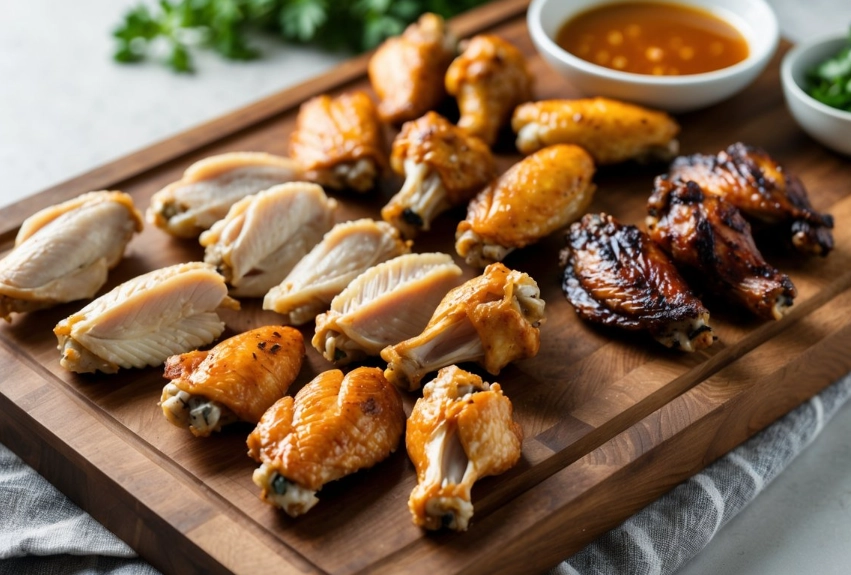
Dark Meat (Thighs, Drumsticks, Wings): The texture is richer, more succulent, and has a pleasant chew. The fibers are looser because of the intramuscular fat and connective tissue. The flavor is undeniably more robust, earthy, and "chicken-y." It has a depth that white meat lacks. This richness comes from that higher fat content and the different muscle composition. Dark meat is forgiving. It can handle longer cooking times and higher heat without immediately turning to leather. That connective tissue breaks down into gelatin, making the meat even more tender and juicy.
I personally find most people who "don't like chicken" have only ever had overcooked, unseasoned breast. A well-cooked thigh changes minds.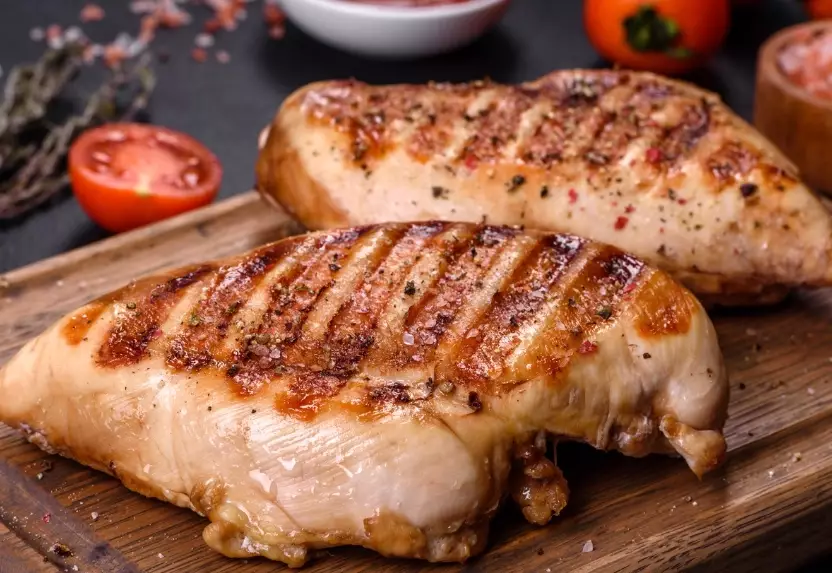
How to Cook White Chicken and Dark Chicken: A Method Matchmaker
This is the practical part. Choosing the wrong cut for the wrong job is the most common mistake. Here’s how to match them perfectly.
Best Cooking Methods for White Meat
White meat needs quick, precise cooking to an exact internal temperature (about 165°F or 74°C) and benefits from techniques that add moisture or fat.
- Quick Searing & Sautéing: Perfect for cutlets or small breast pieces. High heat for a short time. Always let it rest after cooking.
- Grilling: Works, but requires vigilance. Brining the breast first (soak in saltwater for 30-60 mins) is a game-changer for moisture.
- Poaching & Gentle Simmering: Excellent for keeping it tender. Great for chicken salads or shredding for tacos.
- Baking with a Buffer: Never bake a plain breast. Always add a sauce, cover it with parchment, or bake it nestled in vegetables.
The Big Mistake: Using breast in long, slow-cooked dishes like traditional stews or braises. It will almost always overcook and become dry.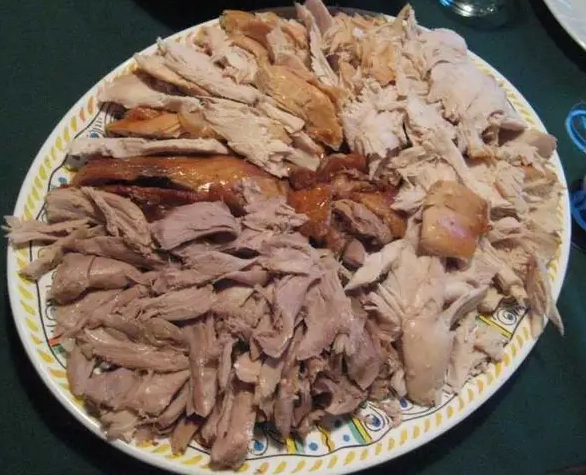
Best Cooking Methods for Dark Meat
Dark meat shines with methods that render fat, break down connective tissue, and celebrate its robust flavor.
- Braising & Stewing: The absolute king. Dishes like Coq au Vin, chicken cacciatore, or a simple curry are where thighs become legendary. The slow, moist heat makes them fall-off-the-bone tender.
- Roasting: Crispy, salty skin and juicy interior. Thighs are much harder to ruin in a hot oven than breasts.
- Grilling & Barbecuing: The fat drips, flares, and creates incredible flavor. The meat stays juicy even with a bit of char.
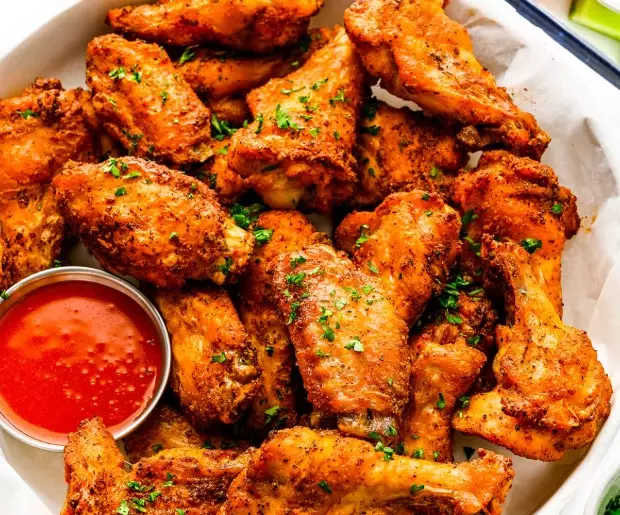
- Frying: Think fried chicken. The dark meat pieces (thighs, drumsticks) are universally considered the best parts because they stay moist under the crust.
Imagine a weeknight sheet-pan dinner. Toss some thighs with potatoes and broccoli, roast at 425°F. Now try that with breasts. The thighs will be done, juicy, and the veggies caramelized. The breasts will likely be dry before the veggies are ready. It's a practical example of the difference.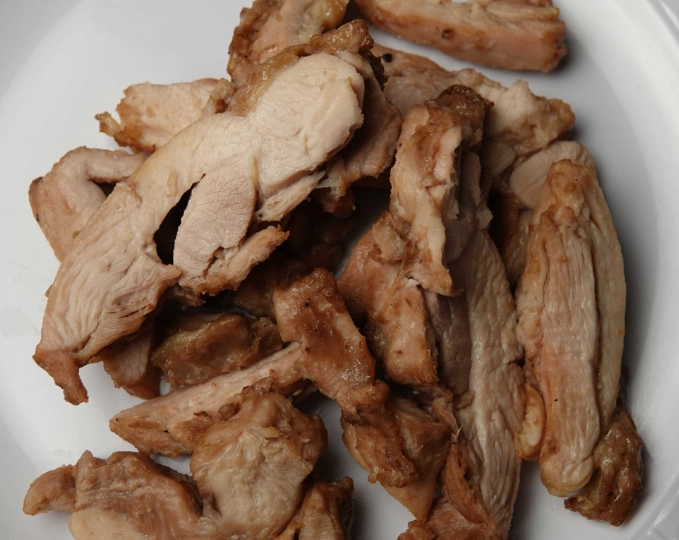
Your Top Chicken Questions, Answered
So, next time you're planning a meal, let the cooking method lead. Planning a quick grill or sauté? Lean towards white meat. Dreaming of a cozy braise, a roast, or just something reliably juicy? Go dark. Understanding the "why" behind white chicken and dark chicken turns you from someone who just cooks chicken into someone who masters it.
It's not about one being better than the other. It's about using the right tool for the job. Now you have the knowledge to choose wisely.
Related Articles