The Complete Guide to Organic Ground Chicken: Benefits, Buying Tips & Recipes
What You'll Find in This Guide
- Why Bother with Organic? Breaking Down the "Why"
- Navigating the Meat Case: How to Buy the Best Organic Ground Chicken
- Organic vs. Conventional: Let's Look at the Numbers
- Cooking It Right: Tips to Avoid Dry, Bland Disaster
- Answering Your Questions (The Stuff You Actually Search For)
- Wrapping It Up: Making Your Choice
Let's talk about ground chicken. You've probably seen it at the store, maybe picked up the regular kind for a recipe. But then your eye catches that other package, the one labeled "organic ground chicken," and it's a couple dollars more. You pause.
Is it worth it? What does that "organic" label even mean for chicken that's already been ground up? I used to wonder the same thing. I'd stand there in the meat aisle, feeling a mix of wanting to do better for my family and a nagging suspicion that maybe it was all just marketing.
So I dug in. I talked to farmers, read way too many USDA documents (seriously, it's a rabbit hole), and cooked more pounds of this stuff than I care to admit. This guide is what I wish I had back then—a straight-shooting, practical look at organic ground chicken, free from the hype.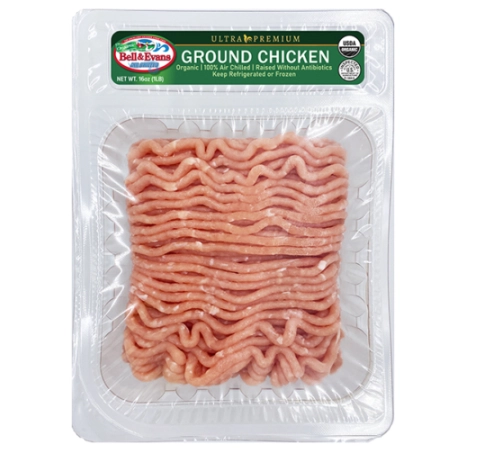
The core idea? Choosing organic ground chicken isn't just about avoiding antibiotics (though that's a big part). It's a choice about the entire system—how the animal was raised, what it ate, and the impact on the land. It's a different product, and understanding why can help you decide when it's the right choice for your kitchen.
Why Bother with Organic? Breaking Down the "Why"
Okay, first things first. "Organic" in the U.S. isn't a loose term. It's a regulated certification with specific rules. For chicken to wear the USDA Organic seal, the farm has to follow a strict set of protocols.
Here’s the breakdown that matters when you're looking at that package of ground meat:
- No Antibiotics, Ever. This is the huge one. In conventional poultry farming, antibiotics are often used routinely to prevent disease in crowded conditions and even to promote growth. Organic standards prohibit this entirely. If a bird gets sick, it must be treated, but then it can't be sold as organic. This practice is crucial in the fight against antibiotic-resistant bacteria, a major public health concern. The CDC has extensive resources on why this matters.
- No Synthetic Growth Hormones. It's worth noting that the USDA has banned the use of hormones in *all* poultry production since the 1950s. So while "no added hormones" is true for all chicken, it's a mandatory part of the organic promise.
- 100% Organic Feed. The chickens eat a diet of certified organic feed. That means the corn and soy weren't grown with synthetic pesticides or fertilizers, and are not genetically modified (GMO). What goes into the animal goes into you.
Outdoor Access & Animal Welfare. Organic standards require that birds have access to the outdoors year-round. The specifics (like the amount of space) are debated, but it's a step towards a more natural living condition compared to permanently confined conventional birds.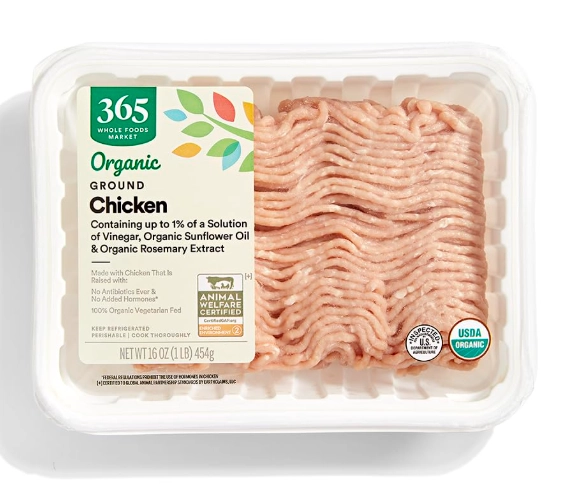
But let's be real. It costs more. So when does the benefit justify the price?
For me, it's a priority when I'm making something simple where the chicken flavor is front and center—like chicken burgers, meatballs for kids, or a delicate chicken larb salad. If I'm making a heavily spiced chili or a curry with a ton of ingredients, I might opt for conventional. It's about picking your battles.
Navigating the Meat Case: How to Buy the Best Organic Ground Chicken
You've decided to give it a try. Great. Now you're faced with a few packages, all saying "organic." Here's what to look for beyond the seal.
Decoding the Labels (It's More Than Just "Organic")
The USDA Organic seal is your baseline guarantee. But other terms often appear alongside it.
Watch out for: "Natural" or "Raised Without Antibiotics" on non-organic packages. These are meaningful claims but are NOT the same as organic. A "Raised Without Antibiotics" chicken might still eat GMO feed and have no required outdoor access. Only the USDA Organic seal combines all these practices.
You might also see:
- Pasture-Raised Organic: This is the gold standard, in my opinion. It implies the birds spent significant time on pasture, eating grasses and bugs, leading to even better flavor and potentially higher nutrient levels. It's often from smaller farms.
- Ground Chicken Breast vs. Ground Chicken (Thigh/Blend): Check the lean/fat ratio! Ground chicken breast can be as lean as 99%, which is fantastic for calories but often leads to dry, crumbly results. A blend that includes dark meat (thigh) will have more fat (maybe 90/10 or 85/15) and be far more flavorful and juicy. For most applications—burgers, meatballs, tacos—the blend is superior.
Color and Texture: A Quick Visual Guide
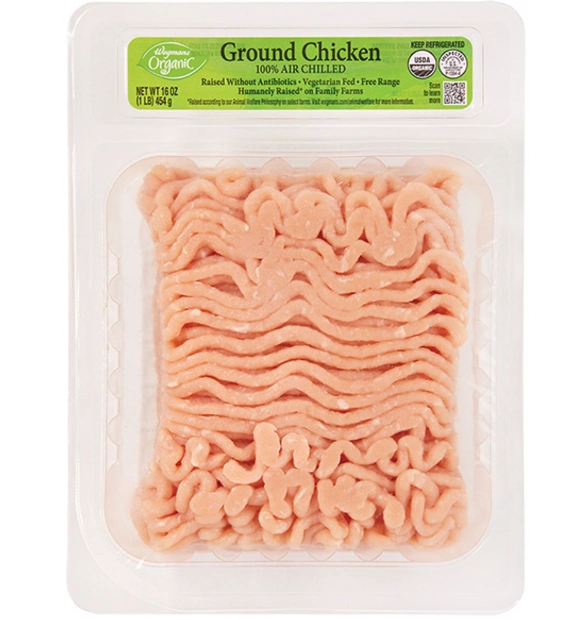
Fresh, high-quality organic ground chicken should have a pink, almost rosy color. It shouldn't look grey or have dark spots. The texture should be moist but not slimy, and it should be loosely packed. If it's in a tight, dense brick, it might have been over-processed or frozen and thawed poorly.
And smell. Trust your nose. It should have a mild, fresh smell. Any sour or off odors are a hard pass.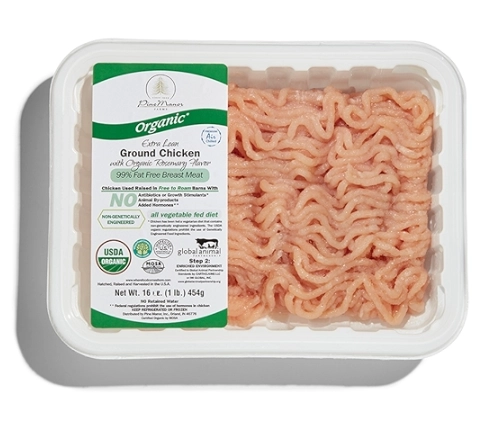
Should you buy pre-packaged or ask the butcher to grind it fresh?
If your grocery store has a meat counter that offers organic chicken, asking them to grind it fresh for you is a fantastic option. You can see the cuts going in, and it maximizes freshness. But the pre-packaged stuff from reputable brands is perfectly fine 99% of the time. Don't stress over this.
Organic vs. Conventional: Let's Look at the Numbers
Is there a nutritional difference? This is where people get tangled up. The primary benefits of organic are about what you're *avoiding* (pesticide residues, antibiotic residues, supporting certain farming practices). The core macro-nutrients (protein, fat) are similar.
However, some studies suggest potential differences in micronutrients or fat composition due to diet and lifestyle. It's not a massive gap, but it's there. The more significant difference often lies in the leanness of the grind, which you can see on the label.
| Consideration | Organic Ground Chicken | Conventional Ground Chicken |
|---|---|---|
| Antibiotic Use | Prohibited by certification. | Routine use is permitted (though changing due to consumer demand). |
| Feed | 100% certified organic, non-GMO. | May contain GMO corn/soy, grown with synthetic pesticides. |
| Living Conditions | Required outdoor access. | Often raised entirely indoors in large barns. |
| Price Point | Typically 30-100% more expensive. | Standard, budget-friendly price. |
| Primary Driver for Choice | Avoiding antibiotics, supporting specific farming ethics, perceived flavor. | Cost, general availability. |
My take? Don't buy organic ground chicken just because you think it's a "health food" superfood. Buy it because you value the agricultural practices behind it and you prefer the flavor profile.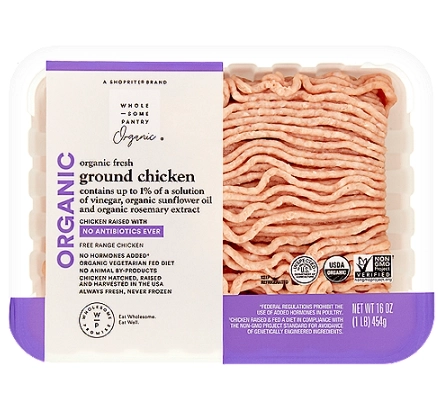
Cooking It Right: Tips to Avoid Dry, Bland Disaster
Ground chicken, especially lean blends, has a reputation for turning into a dry, cardboard-like substance. It doesn't have to! Here’s how to get the most out of your organic ground chicken.
The Golden Rule: Don't Overcook It
Chicken needs to be cooked to a safe 165°F (74°C) internally. But ground meat cooks fast. The moment it's no longer pink and the juices run clear, it's done. Use a thermometer if you're unsure. Continuing to cook "just to be sure" is the #1 mistake.
Mastering Moisture: Bind and Season
Because it's lean, it needs help staying juicy.
- Add Fat or Moisture: This is non-negotiable. Grated onion (squeeze out the liquid), an egg, a splash of milk or broth, or even a tablespoon of olive oil mixed into a pound of meat makes a world of difference.
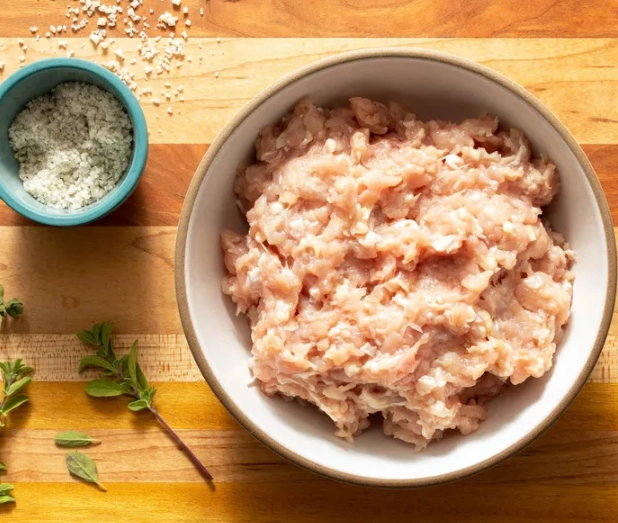
- Season Aggressively and Early: Salt your organic ground chicken mixture at least 15-20 minutes before cooking if you can. This allows the salt to penetrate, seasoning it from within and helping the proteins retain moisture. Don't be shy with herbs and spices either—garlic powder, paprika, thyme, sage all work wonders.
- Handle Gently: When making burgers or meatballs, mix the ingredients until just combined. Over-mixing makes the meat tough. Form patties or balls loosely; don't compact them into hard spheres.
Cooking Methods That Work Best
Sautéing/Stir-frying: Perfect for tacos, lettuce wraps, or pasta sauces. Use a bit of oil in a hot pan, break up the meat with a spatula, and cook until just done. Drain any excess fat if needed.
Baking: Great for meatballs or meatloaf. The enclosed heat helps keep things moist. A pan with sides (like for meatloaf) can create a steamy environment.
Grilling: Tread carefully. Because it's lean, organic ground chicken burgers can stick and fall apart. Make sure your grill grates are impeccably clean, well-oiled, and hot. Consider using a grill basket for smaller items like meatballs.
Answering Your Questions (The Stuff You Actually Search For)
Wrapping It Up: Making Your Choice
Choosing organic ground chicken is a personal decision that sits at the intersection of your budget, your values, and your taste buds. It's not a magical health elixir, but it is a product from a more regulated and transparent system.
If you're curious, just try it. Buy a pound. Make a simple recipe where you can really taste it, like a basic burger or some herbed meatballs. See if you notice a difference in flavor and texture. See if knowing a bit more about its journey to your plate makes the meal feel different.
For me, it became a staple for certain meals. The peace of mind regarding antibiotics, coupled with the consistently better performance in the pan, made the occasional extra cost worth it. But I still buy conventional sometimes, too. It's not all or nothing.
The goal here isn't to tell you what to do. It's to give you the clear, practical information—the kind I desperately wanted years ago—so you can make the choice that's right for you and your table. Happy cooking.
Related Articles