Nutritional Info Chicken Thighs: Calories, Protein & Health Facts
Let's cut to the chase: chicken thighs are nutritional powerhouses that often get misunderstood. I've been cooking and studying nutrition for over a decade, and I can tell you that skipping thighs because of their fat content is a mistake. They're packed with protein, vitamins, and flavor that can fit into almost any diet. In this guide, we'll dive deep into the numbers, bust some myths, and show you how to make the most of them.
What You'll Find in This Guide
The Raw Numbers: Nutritional Facts of Chicken Thighs
First things first, what's actually in a chicken thigh? According to the USDA FoodData Central, the gold standard for nutrition data, a 100-gram serving of cooked chicken thigh (bone and skin removed) has around 209 calories. But it's not just about calories—the breakdown matters.
Calories and Macronutrients: The Big Three
Here's a quick table based on USDA data for cooked, skinless thigh meat:
| Nutrient | Amount per 100g | % Daily Value* |
|---|---|---|
| Calories | 209 kcal | 10% |
| Protein | 26g | 52% |
| Total Fat | 10g | 15% |
| Saturated Fat | 2.8g | 14% |
| Carbohydrates | 0g | 0% |
*Based on a 2,000-calorie diet. Protein is the star here—26 grams per serving! That's more than half your daily need. The fat content? It's mostly unsaturated, the kind that's good for heart health when eaten in moderation.
I remember a client who thought thighs were "unhealthy" until we compared them to processed snacks. The protein keeps you full for hours, reducing cravings.
Vitamins and Minerals: The Hidden Gems
Chicken thighs are rich in B vitamins like B6 and B12, which boost energy and brain function. They also have iron (about 1.3mg per serving) and zinc (2.4mg), crucial for immunity. Compared to chicken breasts, thighs have more iron, which is a plus for vegetarians looking to add meat occasionally.
One thing people miss: the skin. Yes, it adds calories (about 50 extra per thigh), but it also contains collagen that can benefit skin health. I don't always recommend eating it, but cooking with skin on can lock in moisture—you can remove it later.
How to Cook Chicken Thighs for Maximum Nutrition
Cooking method makes or breaks the nutritional value. I've seen folks ruin thighs by drowning them in oil or sugary sauces. Let's fix that.
Best Cooking Methods: Keep It Simple
Baking and grilling are your best bets. At 375°F (190°C), bake thighs for 35-40 minutes with herbs like rosemary and thyme. No need for extra oil—the natural fats do the work. Grilling adds a smoky flavor without many calories.
Slow-cooking is another winner. It breaks down connective tissues, making the meat tender and preserving nutrients. Try a recipe with broth and veggies for a one-pot meal.
Common Mistakes to Avoid
Overcooking is the biggest error. Dry, rubbery thighs lose appeal fast. Use a meat thermometer: aim for 165°F (74°C) internally. Also, avoid heavy breading or cream-based sauces. I once tried a "healthy" recipe that added 200 calories worth of flour coating—not worth it.
Here's a personal tip: marinate thighs in lemon juice and garlic for 30 minutes before cooking. It enhances flavor without sodium overload.
Chicken Thighs vs. Other Cuts: A Side-by-Side Look
How do thighs stack up against breasts, wings, or drumsticks? Let's break it down per 100g cooked, skinless (USDA data).
- Chicken Breast: 165 calories, 31g protein, 3.6g fat. Leaner but drier—great for strict diets.
- Chicken Thigh: 209 calories, 26g protein, 10g fat. More flavorful and moist, with extra iron.
- Chicken Wing: 203 calories, 30g protein, 8g fat. Higher in protein but often eaten with skin, pushing calories up.
- Chicken Drumstick: 172 calories, 28g protein, 6g fat. A middle ground, but bones make portioning tricky.
Thighs win on taste and satiety. For muscle building, breasts might edge out, but for everyday meals, thighs keep things interesting. I've switched to thighs for family dinners—less complaining about "boring chicken."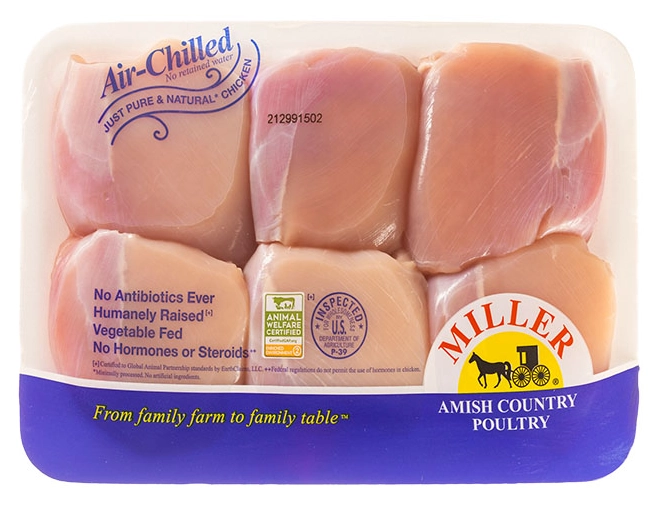
Health Benefits and What to Watch Out For
Chicken thighs offer real benefits if you're mindful. The high protein supports muscle repair and weight management. Studies from sources like the Harvard T.H. Chan School of Public Health note that lean poultry can be part of a heart-healthy diet.
But there's a catch: the fat content. While mostly unsaturated, it's still calorie-dense. If you're watching your weight, portion control is key. A serving is about one thigh (roughly 100g). I've seen people eat three in one sitting and wonder why they're not losing weight.
Another concern: sodium in processed versions. Pre-marinated thighs from stores can have 400mg of sodium per serving—stick to plain cuts and season yourself.
On the plus side, the iron in thighs helps prevent anemia, especially for women. And the B vitamins? They keep your metabolism humming.
Practical Tips for Your Weekly Meal Plan
Let's get practical. How do you actually use thighs in your diet? Here are some ideas from my own kitchen.
Meal prep is a game-changer. On Sundays, I bake a batch of 6-8 thighs with simple seasoning. Store them in the fridge for up to 4 days. They're ready for salads, wraps, or with steamed veggies. Cost-wise, thighs are often cheaper than breasts—around $3-4 per pound in the U.S., making them budget-friendly.
For a quick dinner, try skillet-cooking thighs with onions and bell peppers. Use a non-stick pan to minimize oil. Serve with quinoa or sweet potato for a balanced plate.
If you're into fitness, thighs post-workout provide protein and fats for recovery. Pair with a carb source like rice to replenish glycogen.
One last thing: don't fear the dark meat. It's not "unhealthy"—it's just different. Experiment with spices like paprika or cumin to keep things fresh.
Your Burning Questions Answered
Related Articles