Perdue Chicken Tenders: The Ultimate Guide to Buying, Cooking & Enjoying
Key Insights
Let's talk about Perdue chicken tenders. You've seen them in the freezer aisle, maybe with that familiar yellow and green packaging. Maybe you've picked up a bag on a hectic Tuesday night, desperate for something quick the kids will actually eat. I know I have.
But here's the thing – there's more to these breaded strips than meets the eye. Perdue has a whole lineup, and figuring out which one is right for your family, your diet, or your taste buds can be a bit of a puzzle. Are they all the same? Which ones are actually gluten-free? Do they taste good, or are they just... convenient?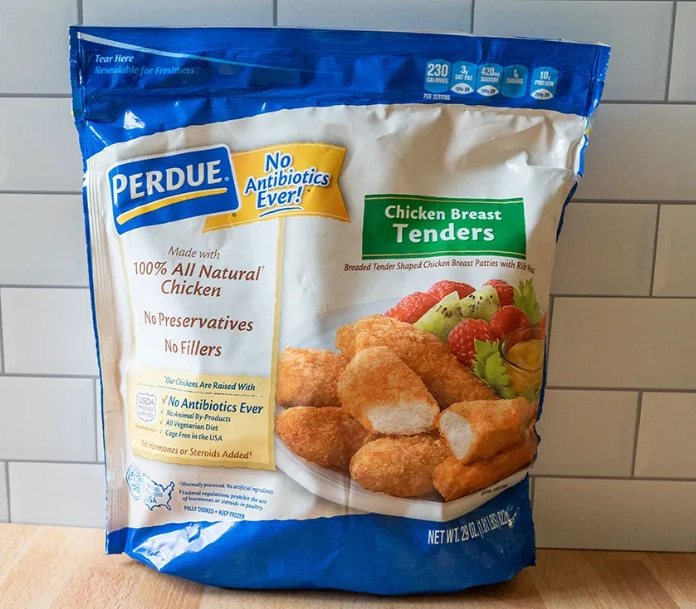
I decided to go deep. I bought pretty much every variety of Perdue chicken tenders I could find, cooked them every way I could think of, and even dug into the nutrition labels and ingredient lists more than any normal person probably should. This isn't a sponsored post – Perdue has no idea who I am. This is just one home cook trying to make sense of the frozen chicken aisle and sharing what I found.
Navigating the Perdue Chicken Tenders Aisle
Okay, first things first. You walk into the store and head to the frozen poultry section. You see "Perdue." You see "Chicken Tenders." But then you see a bunch of different bags. It's not just one product. Perdue has segmented their tenders to hit different needs, and understanding that is half the battle.
Their main lines break down like this. You've got your classic, no-frills Perdue Chicken Breast Tenders. These are the OGs. Then you have the Perdue Simply Smart line, which is their play for the health-conscious crowd – think original and gluten-free versions made with whole white meat. Lately, they've been pushing the Perdue Harvestland brand, which is their no-antibiotics-ever, organic, and sometimes gluten-free offering. And of course, there are the dinosaur-shaped ones for the kids, but we'll focus on the strips today.
It's easy to grab the first bag you see, but a 30-second check of the front label can save you from a dinner disappointment. Looking for gluten-free? Don't just assume. The regular ones aren't. Need lower sodium? The Simply Smart line tends to be better there.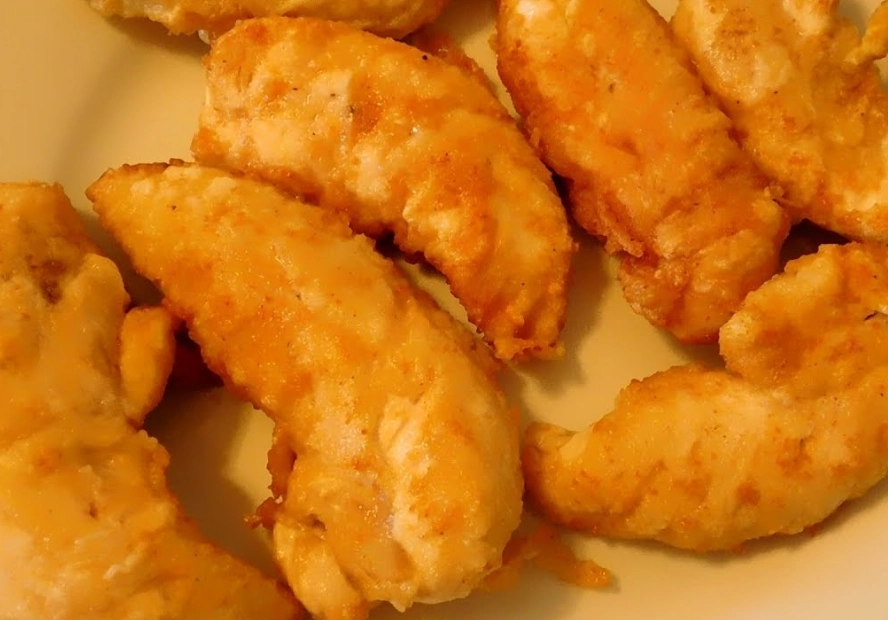
Where to Buy Perdue Chicken Tenders and What to Expect to Pay
You can find these pretty much anywhere frozen food is sold. The big national chains like Walmart, Target, Kroger, and Safeway always seem to have them. I've also had good luck at regional grocery stores. They're a staple item.
Price is where it gets interesting. It's a classic case of "you get what you pay for," but the markup isn't always linear.
The regular Perdue chicken tenders are usually the budget option. I've seen them for as low as $5.99 for a 22-oz bag on sale. The Perdue Simply Smart gluten free chicken tenders or the original version will run you a couple dollars more, maybe $7.99 to $9.99 for a similar-sized bag. The Harvestland ones, with their organic and no-antibiotics claims, sit at the top, often hitting $10-$12 for a bag.
Is the price jump worth it? For my money, if you're just feeding little kids who will smother them in ketchup anyway, the classic might do. But if you, an adult, are planning to eat them as a main component of your meal, the upgrade in meat quality and ingredient simplicity in the Simply Smart or Harvestland lines is noticeable. The cheaper ones can sometimes have a... spongier texture? That's the best way I can describe it. The premium lines feel more like solid pieces of chicken.
The Ultimate Perdue Chicken Tenders Cooking Guide
This is where the magic (or tragedy) happens. Cooking frozen breaded chicken is deceptively simple, but a few wrong turns and you end up with something burnt on the outside, frozen in the middle, or soggy all over. Not ideal.
I tested the main methods on a few different varieties. Here’s the breakdown from my kitchen.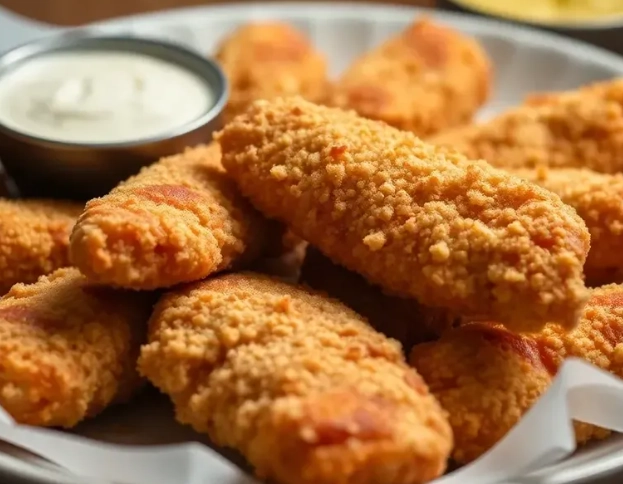
Air Fryer: The Undisputed Champion
If you have an air fryer, this is hands-down the best way to cook Perdue chicken breast tenders. It gives you that crispy, fast-food-style crunch without the greasiness of deep frying. The hot air circulates perfectly around each tender.
My method: Preheat the air fryer to 380°F (some say 400°, but I find 380 gives a more even cook without burning the coating). Arrange the frozen tenders in a single layer – don't crowd them. Cook for 10-12 minutes, flipping them halfway through. No oil spray is needed; the coating has enough fat to crisp up. The result? Golden brown, juicy inside, incredibly crispy outside. It shaves about 10 minutes off the oven time and the texture is superior.
Oven: The Reliable Classic
The oven is the default method on the bag, and it works. It's foolproof for large batches. Preheat to 425°F. Line a baking sheet with foil or parchment (easy cleanup). Spread the frozen tenders out. Bake for 18-22 minutes, flipping once about halfway.
The downside? They can sometimes steam on the pan and get a slightly soggy bottom. To combat this, I started using a wire rack on top of the baking sheet. Elevating the tenders lets hot air circulate underneath, crisping all sides. It's a game-changer. The oven method is less crunchy than the air fryer but still delivers a solid, satisfying result, especially for the gluten-free ones which can be a bit more delicate.
Skillet & Deep Frying: For the Purists
Pan-frying in a bit of oil (like avocado or canola) over medium heat gives you a fantastic, uneven, craggy crust that's really appealing. It's faster than the oven – about 3-4 minutes per side from frozen. The key is not to move them too much; let that crust form.
Deep frying? Honestly, I rarely do it for frozen breaded products. They're already pre-fried at the factory, so deep frying them at home can make them overly greasy. But if you must, 350°F oil for 3-4 minutes will do it. Drain well on paper towels.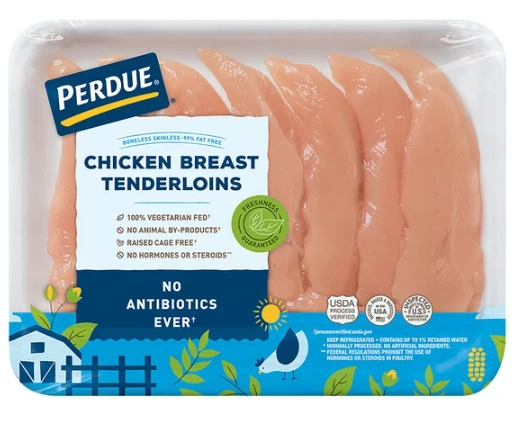
Microwave? Just don't. You'll end up with a rubbery, soggy mess. It defeats the entire purpose of a breaded tender.
Health, Nutrition, and Ingredients: A Closer Look
Let's be real. We're not eating frozen breaded chicken tenders because we think they're a superfood. They're a convenience product. But some are definitely better for you than others, and it's worth knowing what you're putting in your body.
I pulled the nutrition facts and ingredients from four major types. The differences are stark.
| Product Type | Serving Size & Calories | Sodium (mg) | Key Ingredient Notes | My Take |
|---|---|---|---|---|
| Perdue Classic Chicken Breast Tenders | 3 pieces (84g), 190 cal | ~480 | Chicken breast with rib meat, wheat flour, modified food starch, several preservatives. | The standard. Fine for occasional use, but the ingredient list is the longest. |
| Perdue Simply Smart Original | 3 pieces (84g), 180 cal | ~350 | Whole white meat chicken, wheat flour, less processed starches, no artificial preservatives. | A clear step up. Shorter list, cleaner. The sodium drop is significant. |
| Perdue Simply Smart Gluten Free | 3 pieces (84g), 180 cal | ~360 | Whole white meat chicken, rice flour & potato starch coating. Gluten-free certified. | My go-to for a "better" option. Coating is different—lighter, can be less crunchy if not cooked right. |
| Perdue Harvestland (Gluten Free) | 3 pieces (84g), 170 cal | ~320 | Organic chicken, no antibiotics ever, gluten-free coating (brown rice flour, etc.). | The premium choice. Simplest ingredients, lowest sodium. You pay for it. |
The sodium content is the real headline here. The classic tenders can have nearly 500mg per serving. If you're watching your salt intake, that's a big chunk of your daily limit right there. The Simply Smart and Harvestland lines cut that by 25-35%, which is a meaningful difference.
Then there's the chicken itself. "Chicken breast with rib meat" (in the classic) is industry speak for including smaller bits and pieces. "Whole white meat chicken" (in Simply Smart) means they're using whole muscle cuts. You can often see and taste the difference – the whole meat tenders have a more consistent, firmer texture.
For authoritative information on safe handling and cooking temperatures for poultry, the USDA Food Safety and Inspection Service is the definitive source. They recommend cooking all poultry products to an internal temperature of 165°F. I use a meat thermometer every time; it takes the guesswork out and ensures safety, especially with thicker tenders.
Taste Test & Serving Ideas
Alright, the moment of truth. How do they actually taste?
I cooked a bunch of Perdue chicken tenders using the air fryer method for a fair comparison. Here's my brutally honest take.
Classic Tenders: They taste... familiar. Like the chicken tenders you might get at a mid-tier chain restaurant or a school cafeteria (in a nostalgic way). The coating is savory, a bit salty, with a reliable crunch. The chicken inside is fine, but it can be a bit inconsistent—some pieces are great, others are a little gristly. For dipping in honey mustard or BBQ sauce, they're perfectly serviceable.
Simply Smart Original: This is where I think Perdue hits a sweet spot. The coating is less aggressively seasoned, which I actually prefer because it lets the chicken flavor come through. The texture of the meat is noticeably better—more substantial, less processed-feeling. They feel like a more adult version of a chicken tender.
Simply Smart Gluten Free: The coating is different. It's not the classic wheat-breadcrumb crunch. It's lighter, crisp in a different way—almost like a tempura or a very crisp rice cracker. It can be fantastic if you get it right (air fryer is key), but it can also be a bit delicate and fall off more easily. The chicken quality is the same as the Simply Smart Original, which is excellent.
Harvestland Gluten Free: The flavor is the cleanest of all. You can really taste the organic chicken. The coating is similar to the Simply Smart GF but maybe a touch simpler. They feel like a wholesome, less-processed product. Are they $4 better than the classic? For an everyday item, maybe not for my budget. For a special treat or if you're strict about organic, absolutely.
So which would I buy again?
For my household, the Perdue Simply Smart gluten free chicken tenders are the regular in my freezer. They balance quality, dietary need (in my case), and price the best.
Beyond the Dip: Creative Ways to Serve Them
Sure, you can just plop them on a plate with ketchup. But with a tiny bit of effort, you can turn a bag of frozen tenders into a real meal.
- Chicken Parmesan Hack: After air frying, top with a spoonful of marinara and a slice of mozzarella. Pop under the broiler for 60 seconds until bubbly. Serve over pasta or on a hoagie roll. So easy, so good.
- Buffalo Chicken Salad: Chop cooked tenders, toss in buffalo sauce, and throw them on top of a big salad with celery, carrots, and blue cheese dressing. Instant hearty salad.
- Kid-Friendly "Nugget" Bowls: Cut tenders into bite-sized pieces for little kids. Serve in a divided plate with steamed broccoli, carrot sticks, and a fun dip like ranch or honey mustard. They think it's a treat, you know they're eating protein.
- Quick Chicken Sandwich: Grab a brioche bun, add a tender or two, some pickles, lettuce, and mayo. Better than most drive-thrus.
Your Perdue Chicken Tenders Questions, Answered
I get it. You have questions. Here are the ones I had, and the ones I think most people are searching for.
Are Perdue chicken tenders fully cooked?
No, they are not. This is a critical point. Perdue frozen chicken tenders are raw, breaded, and pre-fried. They must be cooked to a safe internal temperature of 165°F before eating. Do not eat them straight from the bag or undercooked.
Which Perdue tenders are gluten-free?
Only the products explicitly labeled "Gluten Free" are safe for a gluten-free diet. As of my research, these are the Perdue Simply Smart Gluten Free Chicken Breast Tenders and the Perdue Harvestland Gluten Free Chicken Breast Tenders. The regular Simply Smart Original and the classic Perdue tenders contain wheat flour.
How do I keep them from getting soggy?
Sogginess is the enemy. To fight it: 1) Use an air fryer or a wire rack in the oven for maximum airflow. 2) Don't overcrowd the cooking vessel. 3) Let them rest for a minute or two after cooking on a rack or paper towel—this lets steam escape and the coating to set. 4) Avoid the microwave at all costs.
Can I cook them from frozen?
Yes! In fact, you must. They are designed to go straight from the freezer to the oven, air fryer, or skillet. Do not thaw them first, as this can make the coating gummy and cause it to fall off during cooking.
How long do they last in the freezer?
Check the "Best By" date on the package, but generally, unopened frozen products like this are safe to eat indefinitely if kept at 0°F, though quality degrades over time. For best quality, try to use them within 3-6 months. Once opened, try to use the bag within a month or two, and make sure it's sealed tightly.
For more detailed guidance on food product dating and freezer storage, the USDA's page on food product dating is a helpful resource.
The Final Verdict
Look, Perdue chicken tenders aren't going to win a gourmet cooking competition. They're a convenience food. But within that world, they're a solid, reliable option. The key is knowing which bag to pick for your needs.
If price is everything, the classic tenders get the job done. If you want a better balance of quality and ingredients without breaking the bank, the Simply Smart line is a fantastic upgrade. And if you have dietary restrictions or want the cleanest label possible, the gluten-free or Harvestland options are there for you.
My personal stash will always include a bag of the Simply Smart Gluten Free. They cook up great in the air fryer, my family likes them, and I feel a bit better about the ingredients than the super-processed alternatives out there.
At the end of a long day, when the thought of chopping and seasoning raw chicken feels like a mountain to climb, reaching into the freezer for a few Perdue chicken breast tenders is a lifesaver. And now, hopefully, you can do it with a lot more confidence.
Happy cooking.
Related Articles