The Hidden Dangers of Undercooked Chicken: Safety, Symptoms & Solutions
You pull the chicken out of the oven. It smells amazing. But when you slice into it, there's a hint of pink near the bone, or the texture looks a bit too glossy. A familiar doubt creeps in: "Is this done?" Pushing that doubt aside and eating it anyway is one of the most common, and riskiest, kitchen decisions people make. I've been cooking professionally and writing about food safety for over a decade, and I can tell you that the gap between "probably fine" and a severe case of food poisoning is shockingly narrow. This isn't about fearmongering; it's about giving you the clear, actionable knowledge that most recipes gloss over.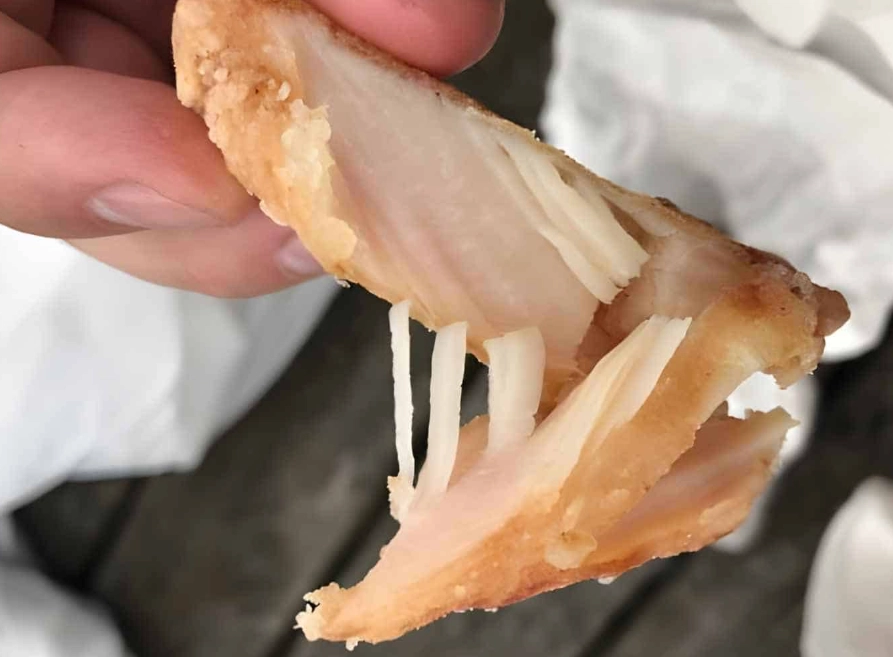
What You'll Learn Inside
Why Undercooked Chicken is Uniquely Risky (It's Not Just Salmonella)
We all know "salmonella" as the boogeyman. But focusing solely on it misses the bigger, messier picture. Chicken is a prime carrier for several pathogens because of modern farming and processing. The real issue is cross-contamination from the birds' intestines.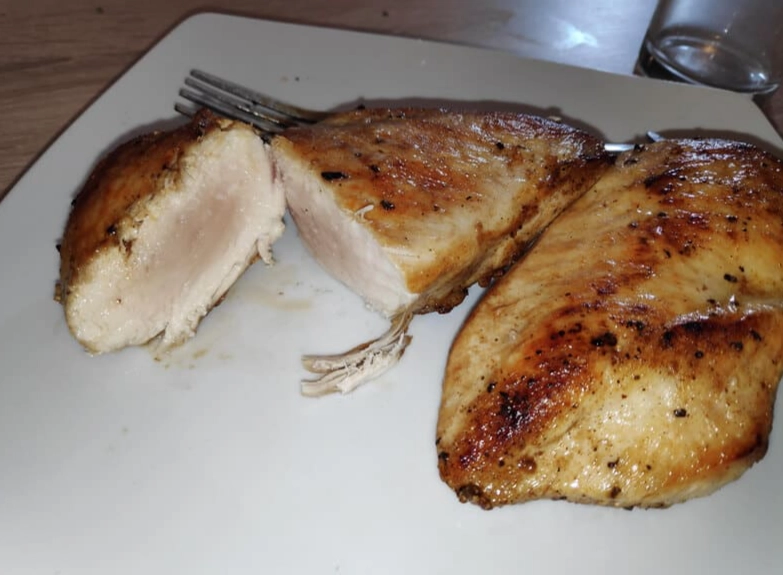
The two main culprits are:
- Campylobacter jejuni: This is actually the leading cause of bacterial foodborne illness in many developed countries, including the U.S. and UK, often linked to chicken. According to the CDC, it causes an estimated 1.5 million illnesses annually in the U.S. alone. Symptoms are brutal: severe diarrhea (often bloody), cramping, fever, and it can sometimes lead to Guillain-Barré syndrome, a serious nervous system disorder.
- Salmonella: The classic. It causes fever, diarrhea, and abdominal cramps. Certain strains are becoming more antibiotic-resistant.
A Critical Misconception
Here's a subtle point most guides miss: These bacteria are not signs of "bad" or "old" chicken. They can be present on perfectly fresh, high-quality, organic, or free-range poultry. The bacteria live on the surface and, during mechanical processing, can be pushed into the meat itself. Cooking to the proper internal temperature is the only reliable kill step.
Eating undercooked chicken isn't like eating a rare steak. Beef muscle tissue is typically sterile inside; pathogens are on the surface, which is seared. Chicken pathogens permeate the meat. The risk is fundamentally different.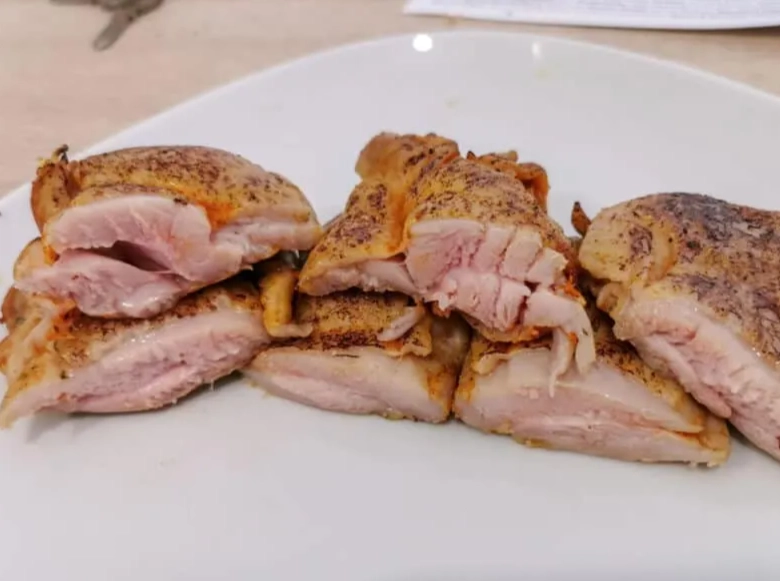
Foolproof Methods to Test for Doneness (Forget the Pink Juice)
We were taught wrong. The "clear juices" and "no pink" rules are dangerously unreliable. Juices can run clear before the meat is safe, and color can be affected by factors like the bird's diet, freezing, or cooking method (smoked chicken often stays pink).
The Non-Negotiable Tool: A Digital Instant-Read Thermometer
This is the single best investment for your kitchen and health. A good one costs under $20. Here’s exactly how to use it:
- Target Temperature: 165°F (74°C). This is the USDA-recommended safe temperature that instantly destroys Salmonella and Campylobacter.
- Where to Measure: Insert the probe into the thickest part of the meat, avoiding bone, fat, or gristle. For a whole chicken, check the breast and the inner thigh.
- For Bone-In Pieces: Get the probe next to the bone, as this is often the last part to heat up.
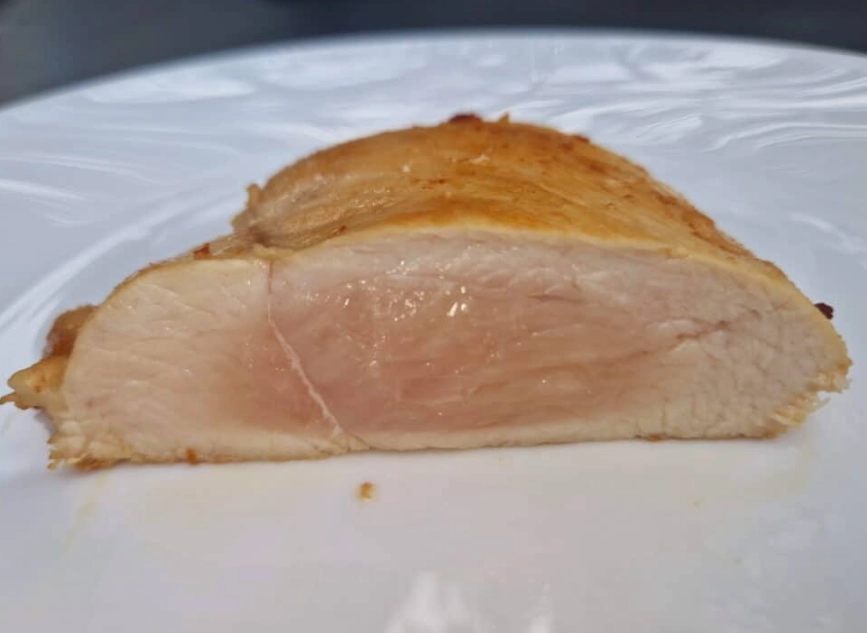
Pro Tip: Carryover cooking will raise the temperature 5-10°F after you take chicken out of the oven. Some chefs pull it at 160°F, let it rest tented with foil for 5-10 minutes, and it will safely coast to 165°F. This prevents dry, overcooked meat.
Secondary Checks (Use WITH a Thermometer, Not Instead Of)
Texture: Properly cooked chicken breast should feel firm to the touch and spring back slightly. If it feels soft, gelatinous, or leaves an indent, it's not done.
Ease of Separation: For a whole chicken, the leg should wiggle freely in its joint.
What to Do If You Ate Undercooked Chicken: A Step-by-Step Guide
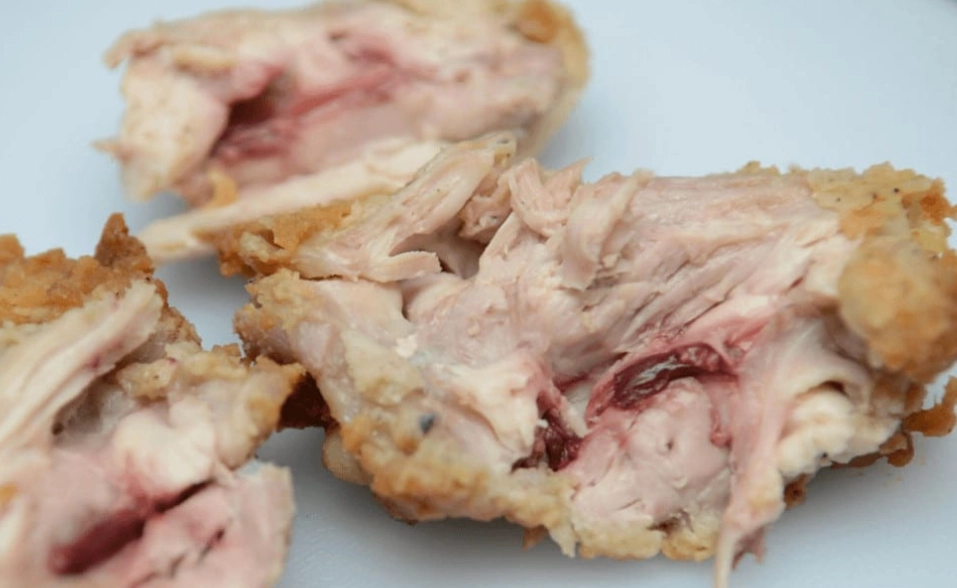 Okay, you took a bite and realized it was undercooked. Or worse, you finished the meal and now you're worried. Here's your action plan, based on medical advice and my experience tracking these cases.
Step 1: Don't Panic, But Be Alert. Not every exposure leads to illness. It depends on the bacterial load and your own immune system.
Step 2: Hydrate, Hydrate, Hydrate. Start sipping water, an oral rehydration solution (like Pedialyte), or clear broth. If you do get sick, fluid loss from diarrhea and vomiting is the biggest immediate danger.
Step 3: Know the Timeline and Symptoms. Monitor yourself closely for the next 24-72 hours. Watch for:
- Abdominal cramps and pain
- Diarrhea (which may become watery or bloody)
- Fever and chills
- Nausea and vomiting
- General malaise and headache
Step 4: Seek Medical Attention IF:
- Your fever goes above 102°F (38.9°C).
- You see blood in your stool.
- You show signs of severe dehydration: dizziness, standing, dark urine, dry mouth, extreme thirst.
- Diarrhea lasts more than 3 days without improvement.
- You are pregnant, elderly, or have a compromised immune system.
What not to do: Do not take anti-diarrheal medication like loperamide (Imodium) right away unless your doctor says so. Your body is trying to expel the pathogen. Suppressing it can sometimes prolong the illness.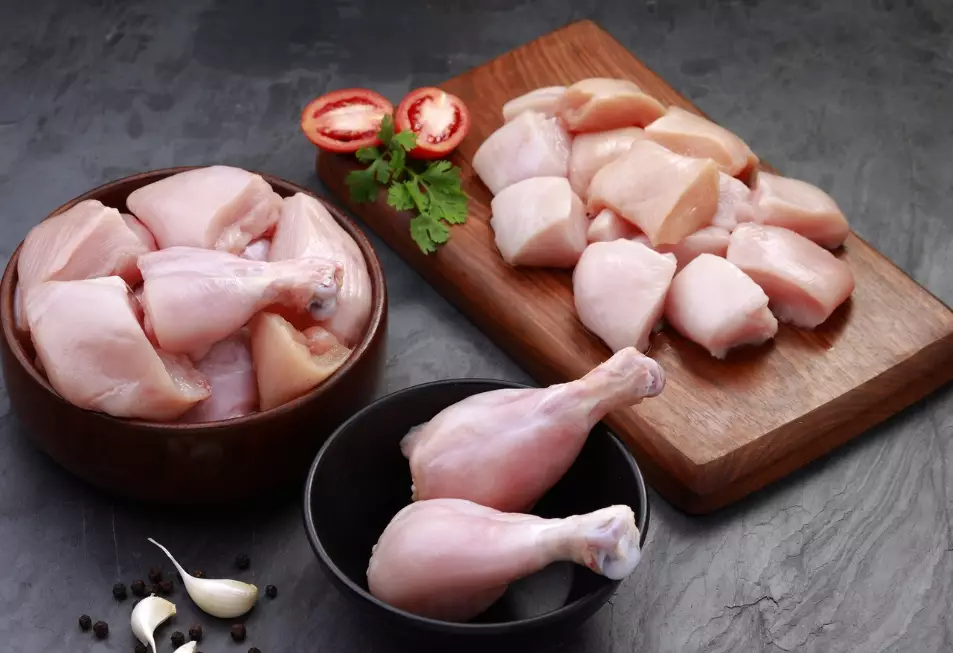
Your Prevention Strategy: Beyond the Thermometer
Safe chicken handling is a system, not just a final temperature check. Most contamination happens in the kitchen, not the farm.
The Critical Zone: Avoiding Cross-Contamination
This is where I see even experienced home cooks slip up. You can cook your chicken to 165°F perfectly, but if you transferred bacteria to your salad veggies, you're still at risk.
- Use Separate Cutting Boards: Designate one plastic or non-porous board only for raw meat. Use a different one for produce and ready-to-eat foods.
- The "No Rinse" Rule: Do not wash raw chicken. It doesn't clean it; it just aerosolizes bacteria, spreading them up to 3 feet around your sink onto clean dishes, countertops, and you. The cooking heat will kill all surface bacteria.
- Utensil and Hand Hygiene: Wash your hands with soap and water for 20 seconds before and after handling raw chicken. Any utensil (tongs, knife, plate) that touches raw chicken must be washed thoroughly with hot, soapy water before being used for anything else.
Thawing and Storage Safely
Never thaw chicken on the counter. Bacteria multiply rapidly at room temperature. Thaw in the refrigerator (takes longest), in a leak-proof bag submerged in cold water (change water every 30 minutes), or in the microwave using the "defrost" setting (cook immediately after). Store raw chicken on the bottom shelf of the fridge, so drips don't contaminate food below.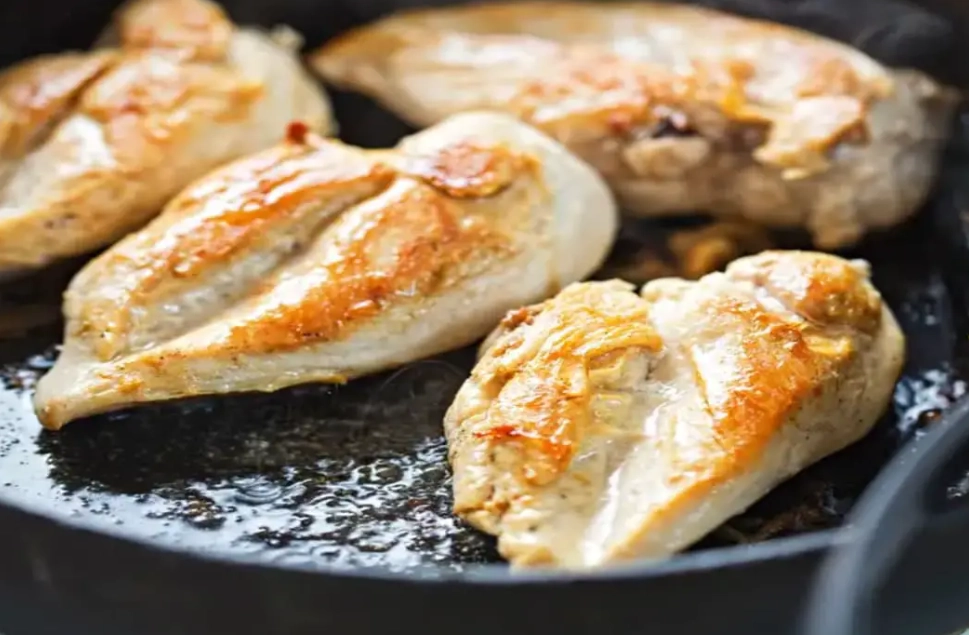
Your Top Questions Answered
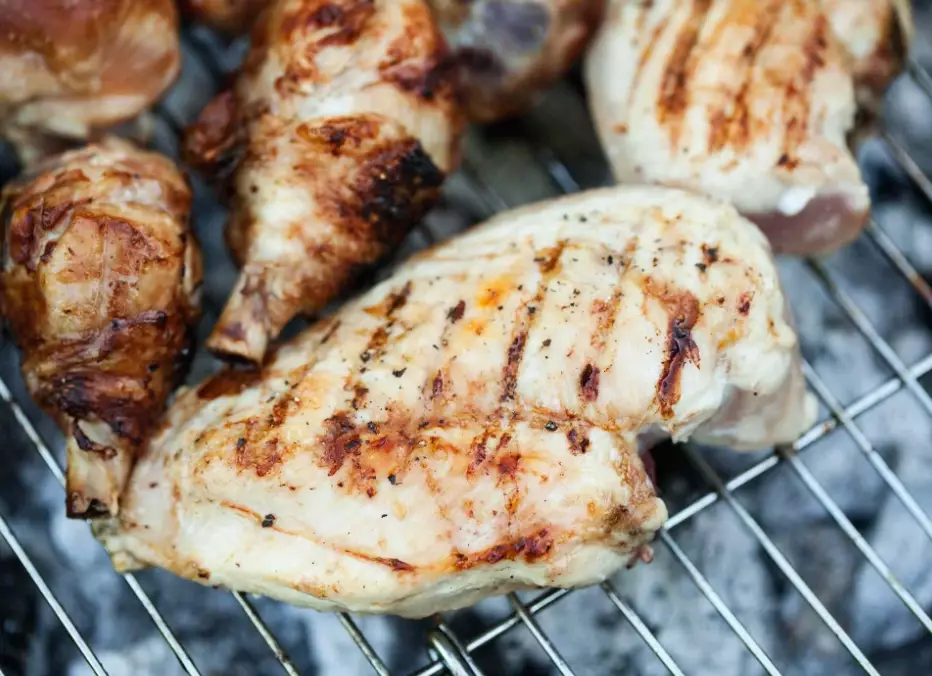 The bottom line is simple, but it requires shifting a habit: trust the number, not the look. That $20 digital thermometer does more than guarantee safety—it gives you the confidence to cook chicken perfectly juicy every single time, without the shadow of doubt. It turns a source of anxiety into a source of reliable, delicious meals.
Related Articles