Perdue Chicken Plus Review: Is It Healthier Than Regular Chicken?
Quick Navigation
- What Exactly Is Perdue Chicken Plus? Breaking Down the Label
- The Perdue Chicken Plus Product Line: What Can You Actually Buy?
- Nutrition Face-Off: Perdue Chicken Plus vs. Regular Chicken
- Cooking with Perdue Chicken Plus: Tips and What to Expect
- Is It Worth the Price? The Value Calculation
- Addressing Common Questions and Concerns
- The Final Verdict: Who Should (and Shouldn't) Buy Perdue Chicken Plus
So you're walking down the meat aisle, trying to decide what to make for dinner, and you see it. The bright blue packaging with that "Plus" logo. Perdue Chicken Plus. It sits right next to their regular chicken, but it costs a bit more. What's the deal? Is it just marketing, or is this actually a better choice for your family?
I wondered the same thing. Honestly, my first thought was skepticism. Another "enhanced" product? But as someone who cooks most nights and tries to make decent choices without breaking the bank, I decided to dig in. I bought a few packages, cooked them different ways, and spent way too much time comparing nutrition labels. This is what I found – the good, the not-so-good, and whether that extra cost for Perdue Chicken Plus is money well spent or just a clever upsell.
In a hurry? Here's the quick take: Perdue Chicken Plus is a line of chicken parts (like breasts, thighs, tenders) that are vacuum-tumbled with a small amount of chicken broth and sea salt. This process is supposed to make them more tender, juicy, and seasoned. They also have a bit less sodium than many conventional "enhanced" or "solution-added" chickens and are promoted as a source of vitamins. It's not organic or antibiotic-free (that's their separate HARVESTLAND line), but it sits between their plain chicken and their premium offerings.
What Exactly Is Perdue Chicken Plus? Breaking Down the Label
Let's cut through the jargon. When you turn the package over, the ingredients list tells the story. For their Perdue Chicken Plus boneless, skinless breasts, you'll typically see: Chicken, Chicken Broth, Sea Salt. That's it. Three ingredients.
Now, compare that to a standard store-brand or even some national brand "chicken breast" that's been "plumped" or "contains up to 15% solution." Those often list water, salt, sodium phosphates, and maybe even flavorings or preservatives. The phosphate thing is a big one for me – it's a texture modifier that can give chicken a weird, almost bouncy feel if they use too much.
Perdue's approach with the Chicken Plus line seems simpler. They use a vacuum-tumbling process. Imagine putting chicken in a gentle drum with a little broth and salt, then pulling a vacuum. That vacuum helps the broth get drawn into the meat fibers. The claimed result? Better moisture and flavor throughout, not just on the surface. The sea salt is their only sodium source, which they say results in 25% less sodium than their classic seasoned chicken.
But here's a key point they don't scream about: it's still added sodium and liquid. If you're comparing it to a truly plain, no-solution-added chicken breast (which can be hard to find sometimes), the Perdue Chicken Plus will have more sodium. The comparison is against other pre-seasoned or enhanced products. It's a bit of a "better-for-you" option within a category of products that already have additives.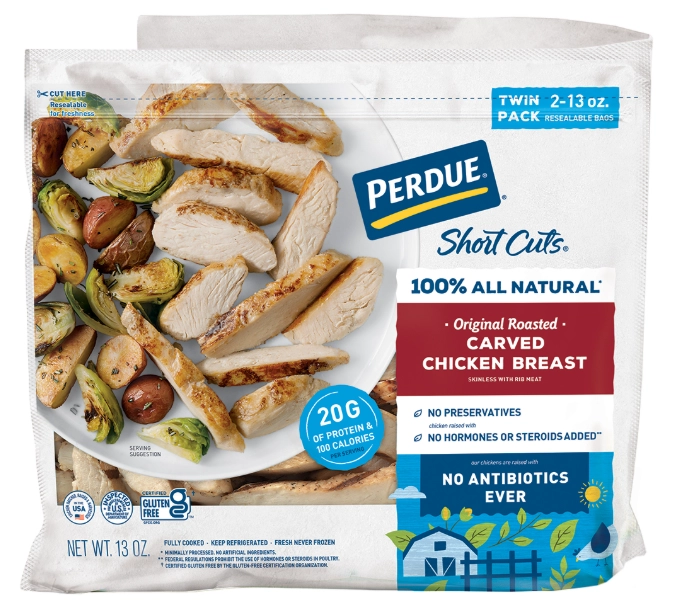
Watch Out For: Don't confuse "Perdue Chicken Plus" with "Perdue Fresh Cuts" or "Perdue Simply Smart." They're different lines. "Plus" is specifically the one with the broth and sea salt added for tenderness. If you want no additives at all, you need to look for their plain "Perdue Chicken" with no modifying claims, or seek out a brand that explicitly states "No solutions added" or "Air-chilled."
The Perdue Chicken Plus Product Line: What Can You Actually Buy?
It's not just one thing. The Perdue Chicken Plus line has expanded. You'll most commonly find:
- Boneless, Skinless Chicken Breasts: The flagship. This is what most people think of.
- Chicken Thighs: Boneless and skinless. Because thighs are already pretty forgiving and juicy, the added broth here is interesting – it makes them incredibly tender, almost to a fault if you like a bit of chew.
- Chicken Tenders: These are a weeknight lifesaver for quick meals, but the price per pound is usually higher.
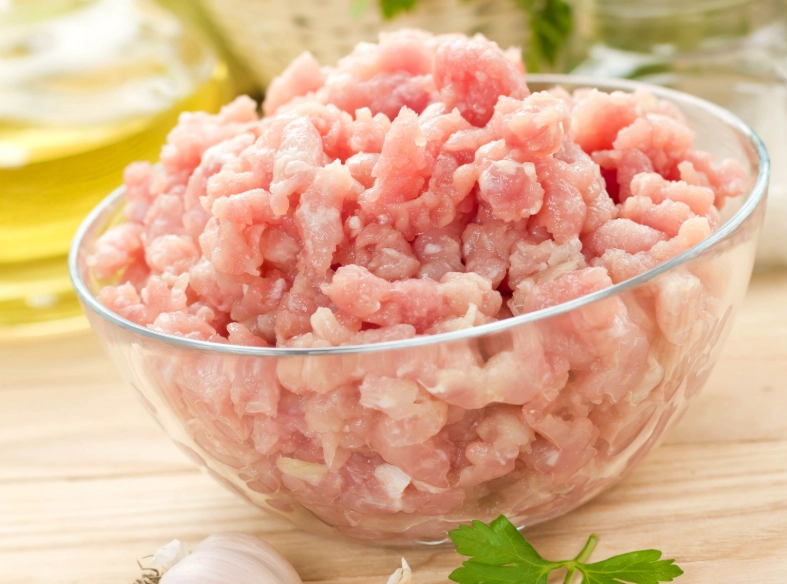
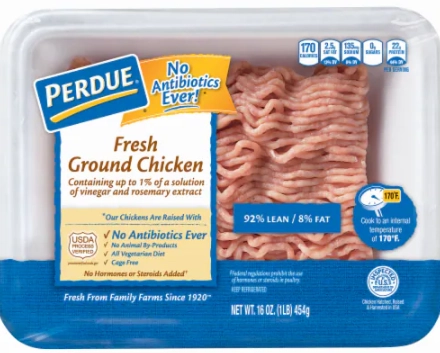
- Ground Chicken: This is a newer addition. It's handy, but remember, the seasoning is already in there, so you need to adjust your recipes.
You might also see occasional limited-time offerings, like pre-marinated versions that build on the Chicken Plus base. I tried a "Zesty Herb" one once. It was fine, but I prefer to add my own herbs so I can control the flavor.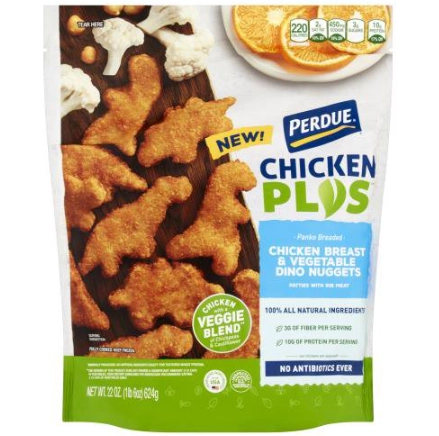
Nutrition Face-Off: Perdue Chicken Plus vs. Regular Chicken
This is where people get confused. Let's lay it out clearly. The numbers below are approximate per 4 oz (112g) raw serving, based on packaging and USDA data, because labels can vary slightly.
| Nutrient | Perdue Chicken Plus (Breast) | Plain Chicken Breast (No Solution) | Typical "Enhanced" Chicken Breast (15% Solution) |
|---|---|---|---|
| Calories | 110 | 110 | 100 |
| Protein | 22g | 23g | 18g |
| Total Fat | 2.5g | 2.5g | 2g |
| Sodium | 180mg | 60mg | 350mg+ |
| Key Difference | Added vitamins (B3, B6), lower sodium than enhanced | Just chicken. Pure protein. | Higher water, lower protein, higher sodium & phosphates |
See the story? Perdue Chicken Plus sits in the middle. It has triple the sodium of plain chicken, which is a significant jump if you're on a strict low-sodium diet. But compared to the standard "enhanced" stuff that dominates many supermarket coolers, it has about half the sodium. The protein content stays higher because the "solution" is mostly chicken broth, not just water.
The added vitamins (Niacin and Vitamin B6) are a marketing point, but let's be real – if you're eating a varied diet, you're probably not deficient in these. It's a nice bonus, but not a game-changer.
My take? If you consistently buy pre-seasoned or solution-added chicken for convenience, switching to Perdue Chicken Plus is a legitimately healthier move. If you're a purist who seeks out air-chilled or plain chicken, you'll see it as an unnecessary processed step.
Cooking with Perdue Chicken Plus: Tips and What to Expect
This is where the rubber meets the road. Does it cook differently? In my experience, yes.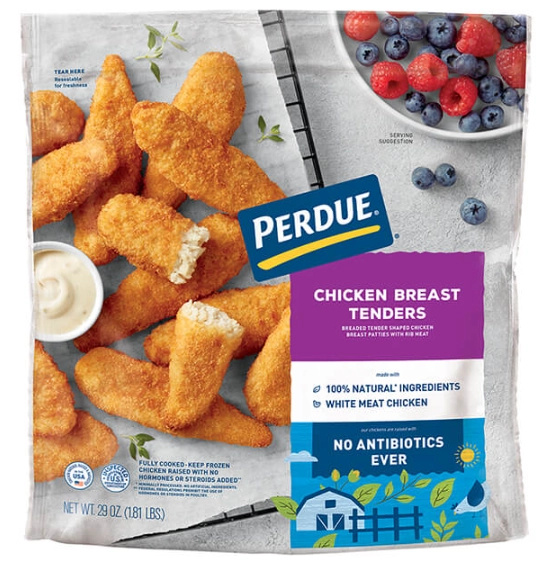
The Good: It's very forgiving. Because it retains moisture well, it's much harder to overcook into that dry, chalky texture that plain chicken breasts are infamous for. Even my husband, who is not a confident cook, managed to make juicy pan-seared breasts with this. For beginners or busy people, that's a huge win.
The Not-So-Good: That same moisture can work against you if you're trying to get a really deep, crispy sear. It can "weep" more liquid in the pan, which steams the chicken instead of browning it. The trick? Pat it very dry with paper towels before seasoning and cooking. I mean, really go to town on the drying. And make sure your pan is properly hot.
Another thing – the seasoning is already there. It's subtle (just sea salt), but it's there. I've accidentally double-salted a dish because I forgot and added my usual amount. Tasted like the ocean. So, when you're following a recipe, taste before you add more salt. This is crucial.
Pro Cooking Tip: Because Perdue Chicken Plus is already slightly seasoned and tenderized, it's fantastic in applications where the chicken is cut up and cooked quickly – think stir-fries, fajitas, or chicken salads. The texture stays consistent and pleasant.
Is It Worth the Price? The Value Calculation
Ah, the big question. At my local store, Perdue Chicken Plus breasts are usually about $1.00 to $1.50 more per pound than the store-brand "enhanced" chicken, and about $0.50 more per pound than Perdue's own plain chicken (when I can find it).
Is that worth it? It depends on your priorities.
Worth it if: You value convenience and a safety net against dry chicken. You're actively trying to reduce sodium but aren't ready to go full no-solution-added. You find plain chicken bland and know you'll be adding salt anyway. The slightly higher protein content matters to you.
Not worth it if: You are a salt-control hawk and want absolute minimum sodium. You're on an extremely tight grocery budget. You're an excellent cook who can nail juicy plain chicken every time and prefer to control every element. You're buying chicken for a recipe where you'll be brining or marinating it heavily yourself anyway.
For me, on a busy week, the extra dollar or two for the peace of mind that dinner won't be ruined is a fair trade. But I don't buy it exclusively.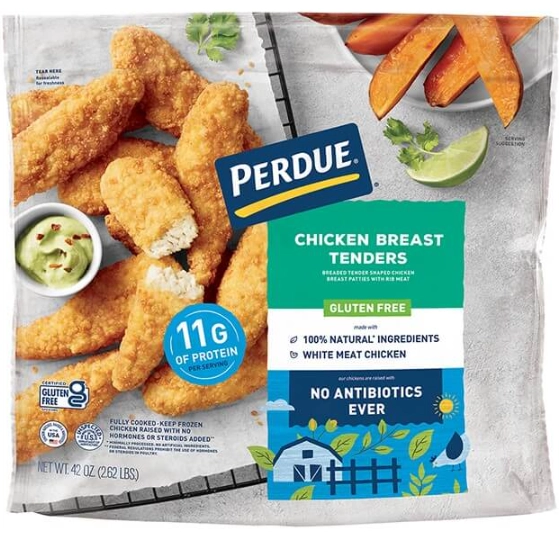
Addressing Common Questions and Concerns
Is it "processed"? Yes, technically. Any food that's had something added or changed from its natural state is processed. Vacuum-tumbling with broth is a minimal level of processing (we're not talking chicken nuggets here), but it's not a raw, straight-from-the-bird product. The USDA has definitions for these terms, but in the grocery aisle, "minimally processed" is a fair description.
Is it healthy? This is relative. Compared to fried chicken or chicken sausage loaded with nitrates? Absolutely. It's a lean protein source. Compared to a plain, organic, air-chilled chicken breast? It has added sodium. For most people with normal blood pressure, the sodium in Perdue Chicken Plus (about 7% of the daily value per serving) is manageable within a balanced diet. The healthiness often comes down to how you cook it – grilling it is better than drowning it in a creamy sauce.
Does it taste different? Slightly. It tastes... seasoned. Not in a herby or spicy way, but in a "this has the right amount of salt" way. The texture is consistently tender, almost buttery. Some people love that. Some find it lacks the slight chew and more robust "chicken" flavor of a perfectly cooked plain breast. I fall in the middle – I appreciate the consistency.
What about antibiotics? This is important. The standard Perdue Chicken Plus line is not raised without antibiotics. Perdue has a separate, clearly labeled line called "Perdue HARVESTLAND" for no-antibiotics-ever chicken. If that's a priority for you, you need to look for that specific branding. The Perdue Farms website breaks down their different animal care standards, which is more transparent than some brands.
Can I use it in any recipe? Almost any. Just remember the salt adjustment. It's great for sheet-pan dinners, soups (where it won't toughen up), and grilling. For dishes like Chicken Piccata or Marsala where you want a thin cutlet to absorb a sauce, it works beautifully because it stays moist.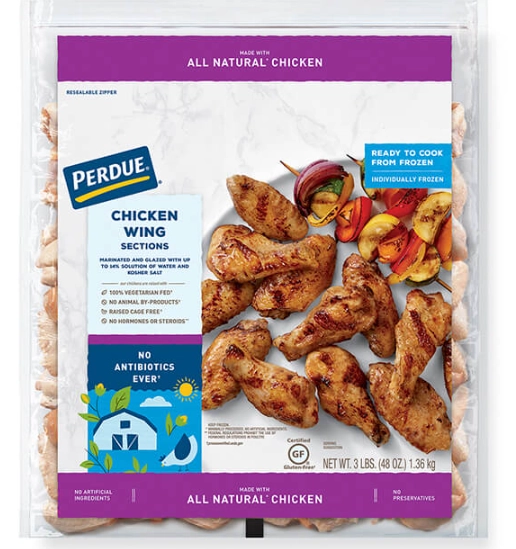
The Final Verdict: Who Should (and Shouldn't) Buy Perdue Chicken Plus
Let's wrap this up.
Think of Perdue Chicken Plus as the "convenience upgrade" in the chicken aisle. It's for the person who wants better-than-average quality without jumping to the premium, specialty brands. It solves the problem of dry, bland chicken for everyday cooks.
My personal ranking? If I'm making a simple, center-of-the-plate chicken dish where the protein is the star, and I'm short on time or focus, I'll grab the Perdue Chicken Plus. The consistency is reliable. If I'm making a complex curry, a soup where I'll simmer the chicken for hours, or if I'm feeding someone with strict sodium restrictions, I'll seek out plain chicken.
The bottom line is choice. Knowing what's in it – chicken, broth, sea salt – and how it performs gives you the power to decide if it fits your kitchen. It's not a health food, but it's a step in a better direction within the crowded world of supermarket chicken. And in today's grocery landscape, that's a plus worth considering.
Just don't forget to pat it dry.
Related Articles