Calories in Boneless Skinless Chicken Thigh: A Complete Nutrition Guide
Let's cut straight to the chase. A 100-gram serving of raw, boneless, skinless chicken thigh contains about 179 calories. That's the number from the USDA FoodData Central, the gold standard. But if you stop there, you're missing the whole story. That calorie count is just the starting line—what you do in the kitchen changes everything. I've been tracking nutrition for meal prep clients for years, and the biggest mistake I see isn't choosing thighs over breasts; it's assuming the label on the raw package is the final word.
What's in This Guide?
What Are the Exact Calories in Boneless Skinless Chicken Thigh?
Okay, let's get specific. The standard reference is 100 grams, but who thinks in 100-gram increments? Here's what you're more likely to deal with:
- Per 100g (raw): 179 calories
- Per 4 oz / 113g (a typical serving raw): Roughly 202 calories
- Per average thigh (raw, about 80-90g): Between 143 and 161 calories
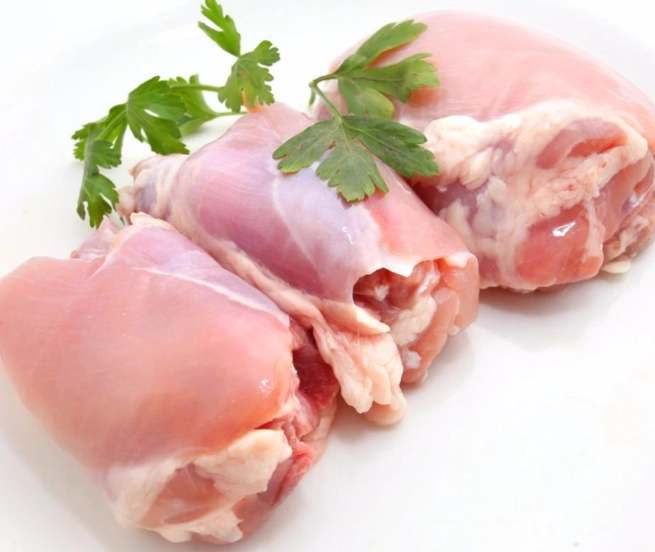
Those numbers are for the raw product. The moment you apply heat, things shift. Water evaporates, fat may render out (or be added), and the weight decreases, which concentrates the calories per gram of cooked meat. A cooked 4-ounce serving will weigh less than 4 ounces, but it contains the calories of the original 4 ounces of raw meat, minus any fat that dripped away.
Here’s the comparison everyone wants to see, based on USDA data for raw meat:
| Nutrient (per 100g raw) | Boneless, Skinless Chicken Thigh | Boneless, Skinless Chicken Breast |
|---|---|---|
| Calories | 179 | 120 |
| Protein | 20.8g | 22.5g |
| Total Fat | 10.9g | 2.6g |
| Saturated Fat | 3.0g | 0.7g |
See the trade-off? The thigh has about 60 more calories, almost all from extra fat. But it's not a simple "bad vs. good" story. That extra fat is what gives thighs their flavor and keeps them moist during cooking—a built-in insurance policy against the dry, stringy chicken breast you might have suffered through.
How Do Cooking Methods Change the Calories in Chicken Thigh?
This is where the magic—or the sabotage—happens. The raw calorie count is a blank canvas. Your cooking method is the paint.
Baking or Roasting (The Gold Standard for Control)
Baking on a wire rack is my go-to for meal prep. At 400°F (200°C) for 20-25 minutes, you get even cooking. Some fat renders out and drips away. I'd estimate the final calorie count for a baked thigh is about 5-10% lower than the raw number, thanks to that lost fat. The key is not adding oil. A light spray is fine, but pouring on olive oil adds 120 calories per tablespoon.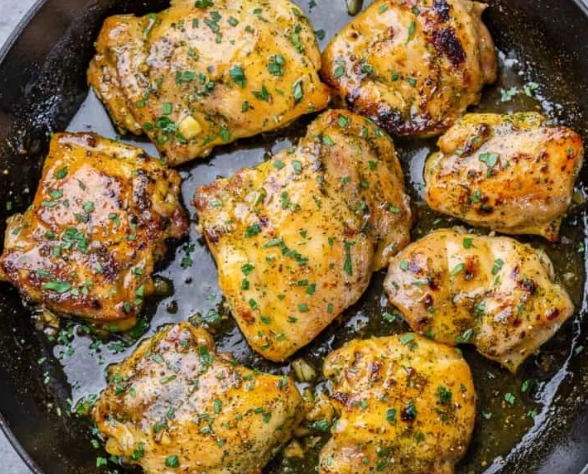
Grilling or Pan-Searing (The Flavor Boosters)
Grilling over direct heat also renders fat. You'll see it drip and flare up. The calorie reduction is similar to baking. Pan-searing is trickier. If you use a non-stick pan with no oil, it's like baking. But most people add a tablespoon of oil or butter to a stainless steel pan. That adds the entire calorie load of that fat to your dish, unless you drain it meticulously afterward (most don't).

Frying (The Obvious Calorie Jump)
Deep-frying or shallow frying in oil adds a massive amount of calories because the chicken absorbs the cooking fat. A deep-fried thigh can easily double its calorie count. Air frying is a fantastic middle ground. It uses hot air circulation to crisp the exterior with just a fraction of the oil—a light spray might add only 20-30 calories versus the 200+ from pan-frying.
Braising or Stewing (The Wild Card)
Slow-cooking thighs in a liquid like broth or tomatoes is great for tenderness. Calories from the thigh itself stay roughly the same, as the fat stays in the cooking liquid. The catch? If you consume that flavorful liquid or sauce, you're consuming all the rendered fat too. Skim the fat off the top of the stew before serving, or use a fat separator.
Beyond Calories: The Full Nutrition Picture of Chicken Thigh
Focusing solely on calories in boneless skinless chicken thigh is like judging a book by its word count. The quality of those calories matters immensely.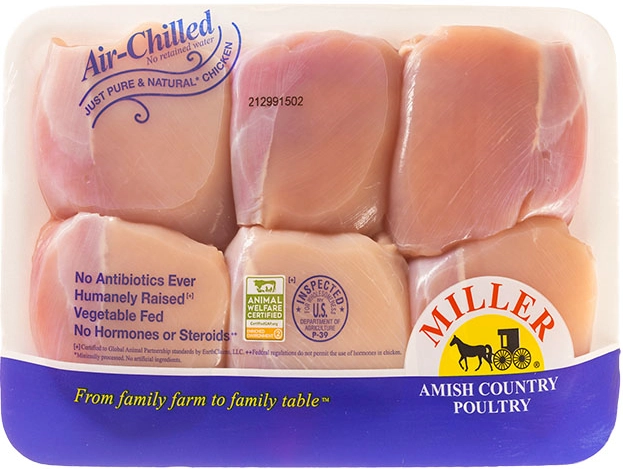
That extra fat in the thigh? A significant portion is monounsaturated fat—the same heart-healthy type found in olive oil. It also contains more iron and zinc than chicken breast, minerals crucial for energy and immune function. The slightly higher saturated fat content (about 3g per 100g) is worth noting if you're monitoring intake, but it fits within a balanced diet.
The protein is high-quality and complete, providing all essential amino acids. For building or maintaining muscle, the 21 grams of protein per 100g is incredibly effective. The thigh's fat content also aids in the absorption of fat-soluble vitamins from other foods in your meal.
So, while breast wins on pure protein-to-calorie ratio, the thigh brings a more robust nutrient profile to the table. It's more satiating for many people due to the fat, which can prevent overeating later.
Practical Tips for Managing Calories in Your Chicken Thigh Meals
Knowing the numbers is one thing. Applying them is another. Here’s how to make boneless, skinless chicken thighs work for your goals.
1. Portion Control is Non-Negotiable. Use a kitchen scale. Weigh your raw thighs. A "serving" is not "one thigh" because they vary wildly. Aim for 4-6 ounces (113-170g) raw per person. Visually, that's about the size of a deck of cards plus a little extra once cooked.
2. Be a Smart Saucer. Marinades and sauces are the #1 hidden calorie source. Choose vinegar-based, yogurt-based, or citrus-herb marinades over oily or sugary ones. Apply sauce after cooking, not during, so you control the amount. A tablespoon of sauce on the plate is better than a cup in the pan.
3. Choose Your Cooking Method Intentionally.
- For lowest calories: Bake on a rack, grill, or air fry with minimal oil.
- For foolproof moisture: Braise or stew, but skim the fat from the sauce.
- For maximum flavor (accept the trade-off): Pan-sear with a measured amount of oil, or use a flavorful marinade sparingly.
4. Build Your Plate Around It. Pair your thigh with a large volume of non-starchy vegetables (broccoli, peppers, salad) and a sensible portion of complex carbs (quinoa, sweet potato, brown rice). This creates a balanced, filling meal where the thigh is the flavorful protein anchor, not the overwhelming calorie centerpiece.
I tell my clients to think of the thigh as a nutrient-dense fuel source, not just a number. Its richer flavor means you're more satisfied with a properly portioned meal, which is a sustainable win no calorie count can fully capture.
Related Articles