Chicken Leg Chicken Leg: The Viral Phrase, Cooking Guide & Nutritional Deep Dive
Quick Navigation
- So, What's the Deal with "Chicken Leg Chicken Leg" Anyway?
- Why Chicken Legs Deserve Your Attention (And Your Fork)
- Mastering the Art of Cooking Chicken Legs
- Nutrition: Is a Chicken Leg Chicken Leg Actually Healthy?
- Your Chicken Leg Questions, Answered (The FAQ)
- Taking It Further: Recipes & Cultural Significance
- The Final Verdict on Chicken Leg Chicken Leg
You've probably seen it. Maybe in a meme, a random comment section, or even muttered by a friend after a long day. "Chicken leg chicken leg." It sounds like a stutter, a typo, or the kind of thing a toddler would say when they really, really want a drumstick. I thought it was just nonsense at first, too. But then I started digging, and you know what? That silly phrase opens the door to everything you could possibly want to know about one of the most reliable, affordable, and delicious cuts of meat in your supermarket. It's a whole world in a two-word repeat.
This isn't just about a viral snippet. For a lot of us, typing "chicken leg chicken leg" into a search bar is a quick, almost subconscious way to get to the good stuff: how to cook them without drying them out, why they're cheaper than breasts, and if they're actually good for you. So let's cut through the noise. Whether you're here because the meme made you curious or because you're staring at a pack of drumsticks wondering what to do, this is your complete, no-nonsense guide. We're going from the internet joke to the kitchen reality, and I promise you'll look at a chicken leg completely differently by the end.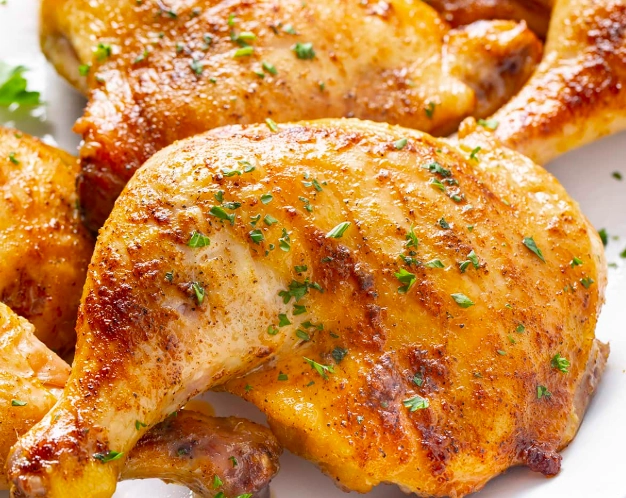
So, What's the Deal with "Chicken Leg Chicken Leg" Anyway?
Let's address the elephant in the room, or should I say, the chicken in the kitchen. Where did this come from? Well, tracing internet memes is like trying to find the source of a river—it gets muddy fast. But the consensus points to a few origins. Sometimes it's just pure, absurdist humor. The repetition is funny in a dumb way. It reminds me of those old "Cheeseburger cheeseburger" sketches. Other times, it seems to come from non-native English speakers or playful online communities where repetition emphasizes desire or humor.
It's linguistic comfort food.
More importantly, from an SEO and search perspective, people type repetitive phrases all the time. They might be testing a keyboard, a kid might be playing, or—and this is the key part—it might be a shorthand, messy way to get to the core topic. Google's smart enough to figure out that someone searching "chicken leg chicken leg" probably just wants information about chicken legs. They've simplified their query down to the bare, repeated essence of what they're after. So in a weird way, that phrase has become a direct pipeline to the practical questions we all have. It's less about the meme itself and more about what the meme represents: a universal curiosity (and hunger) for this specific cut of poultry.
The Takeaway: Don't get hung up on the phrase's silliness. Think of "chicken leg chicken leg" as a cultural key that unlocked a massive, shared interest in cooking this cut better. It's the starting point, not the destination.
Why Chicken Legs Deserve Your Attention (And Your Fork)
Chicken breast gets all the glory as the "healthy" option, but let me be honest: it's also the easiest to ruin. One extra minute in the pan and you're eating savory chalk. Chicken legs—which include both the drumstick and the thigh—are the forgiving, flavorful underdogs of the poultry world. And I'm here to champion them.
First, the flavor and texture. Leg meat is dark meat. It comes from muscles the chicken actually uses (walking around), so it has more fat and connective tissue. This isn't a bad thing! That fat is what gives it a richer, more chicken-y taste compared to the mild breast. The connective tissue, when cooked slowly, melts into gelatin, creating that fall-off-the-bone, incredibly juicy texture that's almost impossible to achieve with a breast. It's why drumsticks are a hit at barbecues and why thighs are a chef's secret for stews and curries.
Then there's the economics. Walk down the meat aisle. A package of chicken legs or thighs is almost always significantly cheaper per pound than boneless, skinless breasts. For families, students, or anyone cooking on a budget, this is a major win. You're getting more flavor for less money. That's a trade-off I'll take any day.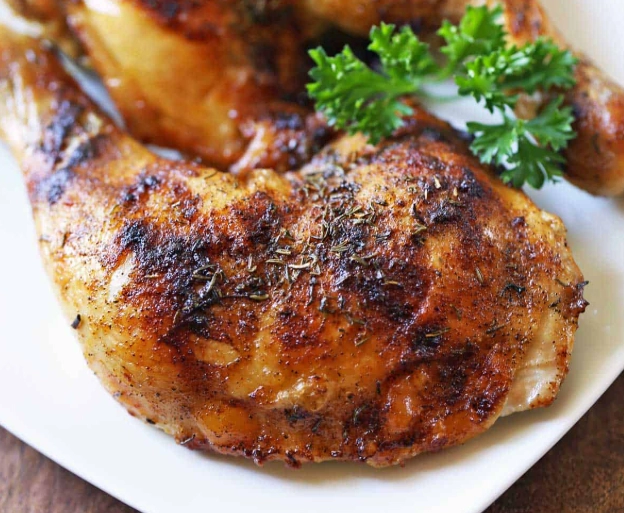
I used to be a breast-only person, convinced it was the "right" choice. Then I tried properly roasting a whole chicken leg—crispy skin, juicy interior. It was a revelation. The breast on that same chicken? Fine, but forgettable. The leg was the star.
The Anatomy of a Winner: Drumstick vs. Thigh
It's important to know what you're working with. A whole "chicken leg" is actually the leg quarter, comprising the thigh and the drumstick connected together. Often, they're sold separately.
- The Drumstick: The lower part. It's got a handle (the bone)! Great for casual eating, kids love them, perfect for portion control. The meat is slightly firmer than thigh meat.
- The Thigh: The upper part. More meat, more fat, and arguably the most flavorful part of the entire chicken. It can be sold bone-in, skin-on, or boneless/skinless. This is my personal favorite for almost any application—it stays moist through anything.
Choosing between them often comes down to recipe and preference. Want something handheld for a picnic? Drumsticks. Want the most succulent meat for a curry or a casserole? Thighs, no contest.
Mastering the Art of Cooking Chicken Legs
This is the heart of it. You bought the chicken legs. Now what? The beauty is their versatility. That forgiving nature I talked about means you have a wider margin for error, but there are still ways to go from good to legendary.
The Golden Rule: High Heat for Skin, Low & Slow for Tenderness
If the skin is on, you want it crispy. That requires high, direct heat. If you're dealing with a big, tough leg quarter, you might need a longer, slower cook to break down everything. Often, the best methods combine both. My go-to method for perfect chicken leg chicken leg? Pat the skin bone-dry with paper towels. This is the single most important step for crispiness that everyone skips. Season aggressively under the skin too. Then, start in a hot oven (like 425°F/220°C) to crisp the skin, and maybe lower the temp to finish cooking through gently.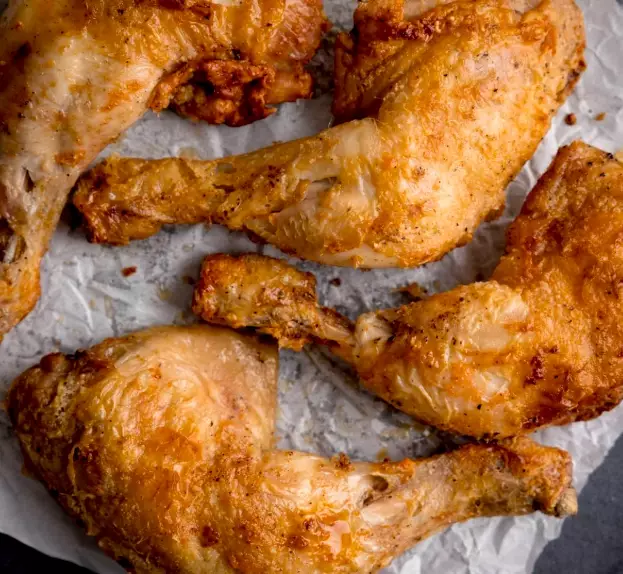
Pro Tip from a Home Cook: Use a meat thermometer. Seriously, just get one. They're cheap. Pull dark meat out at 175-180°F (79-82°C). This is higher than the "safe" 165°F for breasts, but that extra time lets the fat and connective tissue fully render, making it more tender, not less. Trust the science on this one.
Method Showdown: How to Cook Your Chicken Leg
Each method brings out something different. Here’s a quick breakdown.
| Cooking Method | Best For | The Vibe & Outcome | My Personal Take |
|---|---|---|---|
| Roasting/Baking | Weeknight dinners, meal prep, crispy skin lovers. Cooking a whole chicken leg chicken leg (quarter) this way is a classic. | Hands-off, consistent, fills the kitchen with an amazing smell. Creates crispy skin and tender meat. | My absolute default. Minimal fuss, maximum reward. A sheet pan with some potatoes and veggies underneath? Dinner is solved. |
| Grilling/Barbecuing | Summer cookouts, smoky flavor enthusiasts. Drumsticks are iconic here. | Adds char and smokiness. Requires more attention to avoid flare-ups from dripping fat. | Fantastic flavor, but you have to watch it. I’ve sacrificed a few drumsticks to the fire gods by being careless. |
| Pan-Frying/Searing | Boneless, skin-on thighs for getting super crispy skin quickly. | Fast, creates an incredible fond (browned bits) in the pan for making a quick sauce. | Restaurant-quality results at home. The key is not crowding the pan, or you'll steam the meat. |
| Braising/Stewing | Bone-in, skin-on thighs for dishes like coq au vin, curries, stews. | The ultimate in tenderness. The meat becomes incredibly soft and flavors the cooking liquid. | Impossible to mess up. You simmer it for an hour+ and magic happens. Perfect for cheaper, tougher cuts. |
| Air Frying | Quick, crispy results with less oil. Great for drumsticks. | Fast, convenient, and gets surprisingly close to deep-frying texture. | It works really well, especially if you're cooking for one or two. Don't overfill the basket! |
Flavor Town: Seasonings and Marinades That Work
Dark meat can handle bold flavors. You're not playing a subtle game here.
- The Classic: Salt, pepper, garlic powder, paprika (smoked paprika is a game-changer).
- The Global Twist: For a chicken leg chicken leg with attitude, try a marinade with yogurt, lemon, and tandoori spices. Or go with soy sauce, honey, ginger, and garlic for a sticky Asian-inspired glaze.
- Simple Herb Paste: Mash together rosemary, thyme, garlic, lemon zest, salt, and olive oil. Slather it under the skin. You'll thank me later.
The key with marinades? Give it time. Even 30 minutes helps, but a few hours in the fridge makes a world of difference. For dry rubs, you can apply them just before cooking.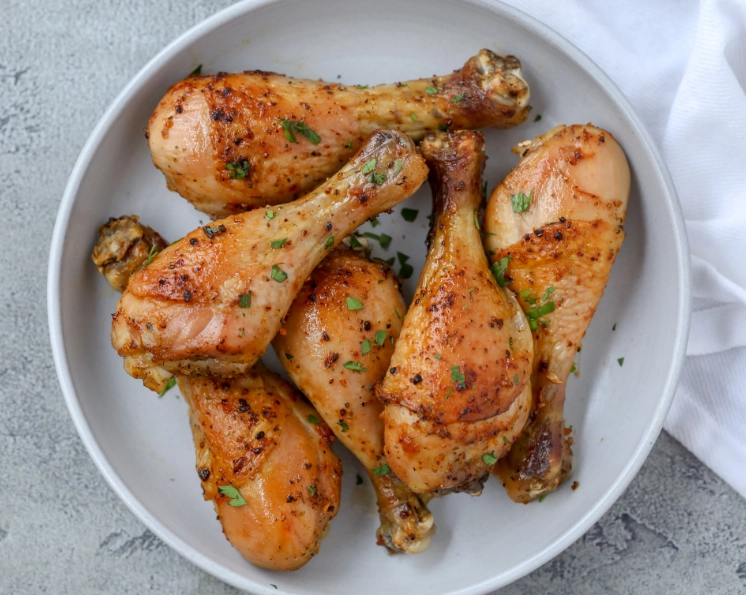
A Word of Caution: Be careful with sugary glazes and sauces. They burn easily under high heat. If using something like barbecue sauce or a honey glaze, apply it in the last 10-15 minutes of cooking.
Nutrition: Is a Chicken Leg Chicken Leg Actually Healthy?
This is where a lot of confusion lies. The old-school thinking was: white meat (breast) = good, dark meat (leg) = bad. It's way more nuanced than that.
Yes, a skin-on chicken leg has more calories and fat than a skinless breast. A lot of that fat is in the skin. But here's the thing: not all fat is the enemy. The fat in chicken is primarily unsaturated fat, which is better for you than the saturated fat in red meat. It also helps you feel fuller for longer. If you're watching calories closely, you can simply remove the skin after cooking—you'll still get the juicy, flavorful meat benefit without all the extra fat.
Nutritionally, dark meat is a powerhouse. It has more iron and zinc than white meat—almost double in some cases. These are crucial minerals for your immune system and energy levels. It's also rich in B vitamins, particularly B12 and riboflavin.
So, is it healthy? As part of a balanced diet, absolutely. It's a fantastic source of complete protein. Is it the leanest option? No. But health isn't just about minimizing fat; it's about nutrient density, satisfaction, and creating meals you enjoy and will actually eat. A flavorful, satisfying chicken leg that keeps you full is often a healthier choice than a bland, dry chicken breast that leaves you rummaging for snacks an hour later.
Context is everything.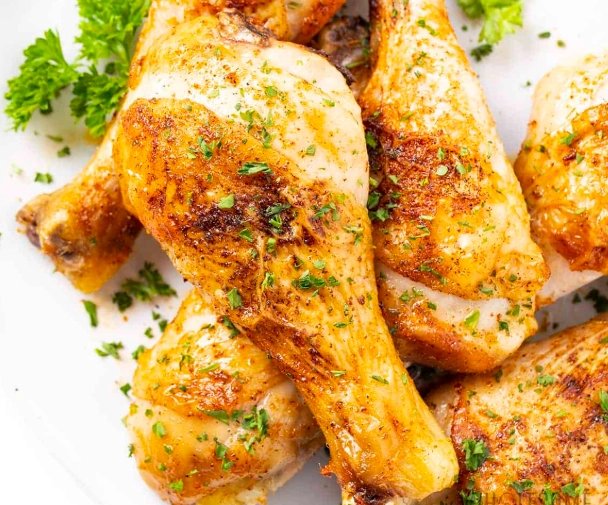
Your Chicken Leg Questions, Answered (The FAQ)
After talking to friends and reading countless forum threads, here are the real questions people have about chicken legs.
How long do I really need to cook chicken legs?
Time is a terrible guide. Ovens vary, sizes vary. A meat thermometer is your only true friend. As mentioned, aim for 175-180°F (79-82°C) in the thickest part, not touching bone. Generally, at 400°F (200°C), bone-in legs take 35-45 minutes. Boneless thighs might take 20-25 minutes. But please, check the temp.
Why are my chicken legs always rubbery or tough?
Two likely culprits: 1) You didn't cook them enough. Undercooked dark meat connective tissue is rubbery. That's why we target a higher internal temp. 2) You cooked them way too much, too fast at a high heat, which seizes up the proteins. Try a combination method: high heat to start, then lower to finish.
Can I cook chicken legs from frozen?
You can, but I don't love it. The exterior will overcook before the interior thaws and cooks through. It leads to uneven results. If you must, use a lower oven temp (like 350°F/175°C) and add at least 50% more cooking time, and definitely use a thermometer. Thawing in the fridge overnight is always better.
What's the deal with the "pop" sound?
When you bend a fully cooked drumstick, the joint often makes a popping or cracking sound. Some people say it's a sign of doneness. It can be, but it's not foolproof. The tendon contracting can cause it. Rely on temperature, not acoustics.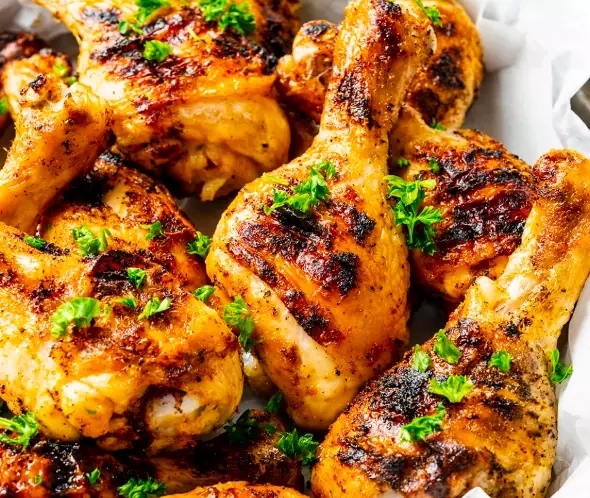
Are chicken legs safe? (Handling & Storage)
This is critical. Always handle raw chicken with care. Use separate cutting boards. Wash hands and surfaces thoroughly. The USDA Food Safety and Inspection Service is the ultimate authority here. They recommend cooking poultry to a minimum of 165°F as measured by a food thermometer. For storage, refrigerate raw chicken legs for 1-2 days max, or freeze them. Cooked chicken legs last 3-4 days in the fridge.
Taking It Further: Recipes & Cultural Significance
The humble chicken leg is a global citizen. Think about it: Indian butter chicken uses thighs. The famous Spanish dish Pollo al Ajillo often uses leg pieces. Jamaican jerk chicken? Traditionally done with leg quarters over pimento wood. Southern fried chicken isn't made with breasts alone—the legs and thighs are the prized, juicy pieces. This cut is the workhorse of comfort food worldwide because it delivers flavor and stands up to robust spices and long cooking times.
If you want to explore, start with a simple but transformative recipe. How about Easy Roasted Chicken Legs with Lemon and Herbs? Pat 4 chicken legs dry. Loosen the skin and rub a mixture of salt, pepper, minced garlic, chopped rosemary, thyme, and lemon zest underneath. Drizzle with olive oil. Roast at 425°F (220°C) for 35-45 minutes until golden brown and reaching 175°F internally. Let rest for 5 minutes. That's it. That's a perfect chicken leg chicken leg experience right there.
For more inspiration and technique deep-dives, resources like Serious Eats offer scientifically-tested, detailed recipes that explain the why behind every step, which I find incredibly valuable for improving as a cook.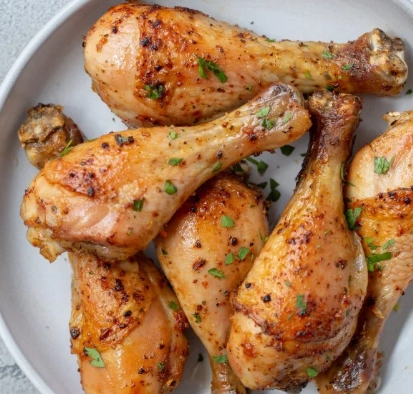
The Final Verdict on Chicken Leg Chicken Leg
So, what started as a seemingly nonsensical phrase, "chicken leg chicken leg," reveals itself to be a portal into a deeply practical and delicious culinary topic. It's a cut that deserves respect for its flavor, its economic value, and its sheer versatility. It’s the forgiving teacher for beginner cooks and the secret weapon for experienced ones looking for guaranteed juiciness.
Forget the idea that it's just a cheap alternative. It's a first-choice ingredient with unique qualities. Next time you're at the store, maybe skip the usual breasts and grab a pack of legs or thighs. Experiment with a high-heat roast, a low-and-slow braise, or a simple grill. See what the fuss—both the silly viral fuss and the serious cook's fuss—is all about.
I think the meme stuck because, at its core, it's an expression of pure, uncomplicated desire. No fancy terms, no fuss. Just the repeated, focused want for something simple and good. And honestly, that's a pretty great philosophy for cooking. Keep it simple, focus on good ingredients like a well-cooked chicken leg, and enjoy the satisfying, juicy results. Now, if you'll excuse me, all this talk has made me hungry. I know exactly what I'm making for dinner.
Related Articles