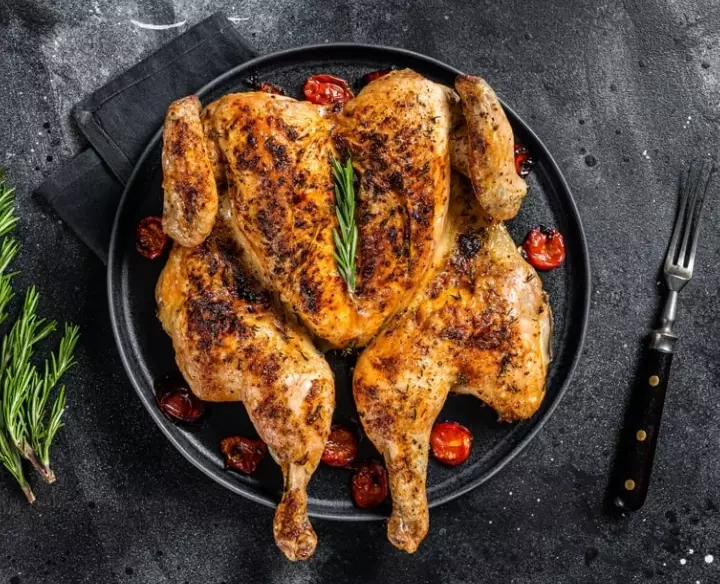
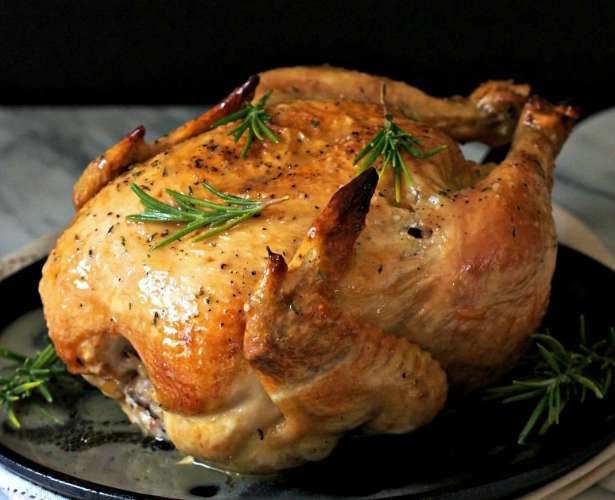
The Ultimate Guide to Roast Chicken Internal Temperature (Safe & Juicy)
Let's cut to the chase. The single biggest mistake people make with roast chicken is relying on time, color, or clear juices to tell if it's done. That's a gamble with food safety and a surefire way to get dry breast meat. The only reliable way is to use a meat thermometer and know your target internal temperatures. Forget the old "cook until 165°F everywhere" rule—it's oversimplified and often leads to disappointment.
I've roasted hundreds of chickens over the years, from tiny Cornish hens to massive Sunday dinner birds. The moment I stopped guessing and started trusting a thermometer was the moment my roast chicken went from okay to consistently fantastic. This guide will give you the exact numbers, the science behind them, and the practical tips you won't find on the back of a poultry package.
Quick Navigation
Why Internal Temperature is Everything
Think of a chicken as two different animals stitched together. The breast is lean, fast-twitch muscle. The thighs and legs are dark, fatty, collagen-rich meat. They cook at completely different rates and have different ideal final textures. A single target temperature for the whole bird is a compromise that usually sacrifices the breast.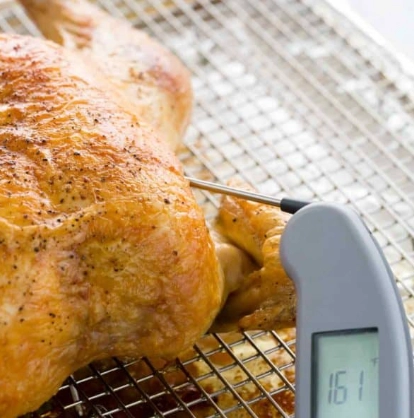
Cooking is about applying heat to change proteins and render fat. For safety, we need to pasteurize the meat, which is a function of both temperature and time. That's the key most home cooks miss. Holding chicken at 155°F for just under a minute kills the same bacteria as instantly hitting 165°F. This concept, called thermal lethality, is your secret weapon for juicy meat.
The Big Idea: Your goal isn't just to hit a magic number. It's to bring the thickest part of the breast and the deepest part of the thigh to a temperature that is both safe and ideal for eating, accounting for carryover cooking.
The Official Safe Temperatures (And Why They're Misleading)
According to the USDA Food Safety and Inspection Service, all poultry should be cooked to a minimum safe internal temperature of 165°F (74°C). This is a safety standard, not a quality standard. It's the temperature at which salmonella and other pathogens are destroyed instantaneously.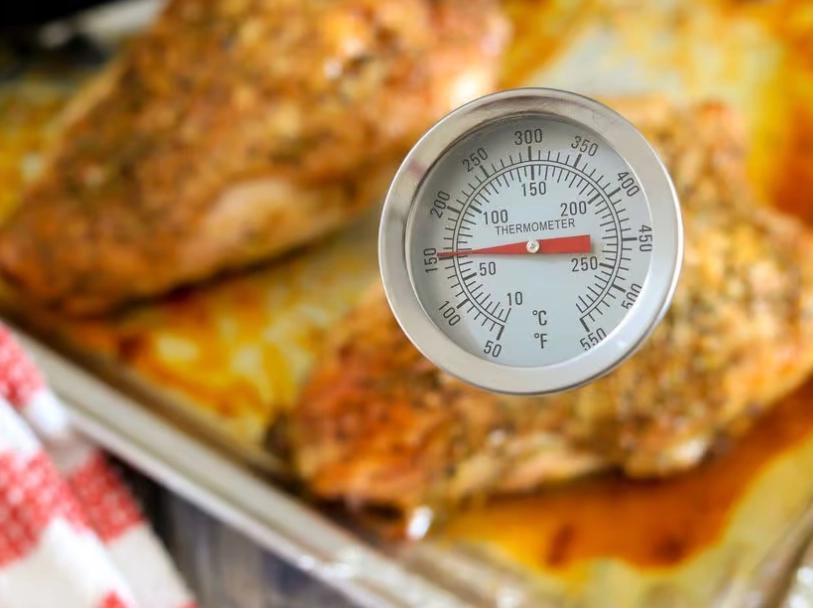
Here's the problem: by the time the geometric center of a chicken breast hits 165°F, the outer layers are often pushing 180°F or more. At that temperature, the muscle fibers in the breast have squeezed out most of their moisture. You get safety, but you trade away tenderness.
The USDA guideline is designed to be foolproof for the masses, assuming no one will let the chicken rest. If you follow proper technique—which includes resting—you have more flexibility.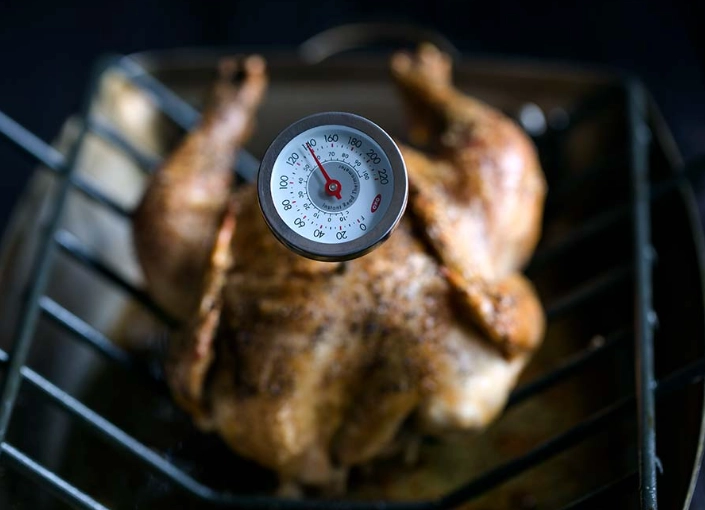
The Practical Temperatures for Perfect Chicken
This is where we move from theory to practice. These are the temperatures I target when I pull the chicken from the oven, knowing it will continue to cook (carryover) as it rests.
| Chicken Part | Target Pull Temp (From Oven) | Expected Final Temp (After Rest) | Texture & Safety Outcome |
|---|---|---|---|
| Breast (White Meat) | 150-155°F (66-68°C) | 155-165°F (68-74°C) | Juicy, tender, and perfectly safe after a 3-5 minute rest. The sweet spot. |
| Thigh/Leg (Dark Meat) | 165-175°F (74-79°C) | 170-180°F (77-82°C) | Collagen melts into gelatin, fat renders, meat becomes fall-apart tender. |
| Whole Bird (Average) | When breast hits ~155°F & thighs hit ~170°F | Breast ~160°F, Thighs ~175°F | Requires checking multiple spots. Breast is protected by positioning. |
See the difference? The dark meat actually benefits from a higher temperature. That collagen needs time and heat to break down. A thigh at 165°F can still be rubbery. Let it go a bit higher, and it transforms.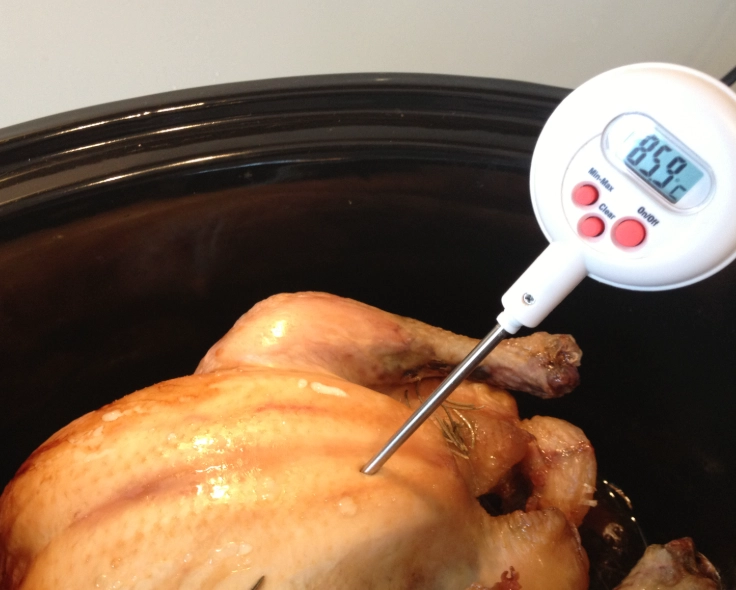
The Critical Role of Resting Time
You pull the chicken at 155°F in the breast. You immediately cover it loosely with foil and let it sit for 15-20 minutes (for a whole bird). During this rest, two things happen: the internal temperature continues to rise by 5-10 degrees (carryover cooking), and the muscle fibers relax, reabsorbing some of the juices that were driven to the center.
This resting period is the "time" part of the temperature-time safety equation. It ensures the meat stays at a pasteurizing temperature long enough to be safe, all while improving texture dramatically. Never skip the rest.
How to Measure Temperature Like a Pro
A cheap, slow thermometer is worse than no thermometer. You need a good one. I recommend a digital instant-read thermometer with a thin probe. The Thermapen is the gold standard, but there are many good, fast alternatives.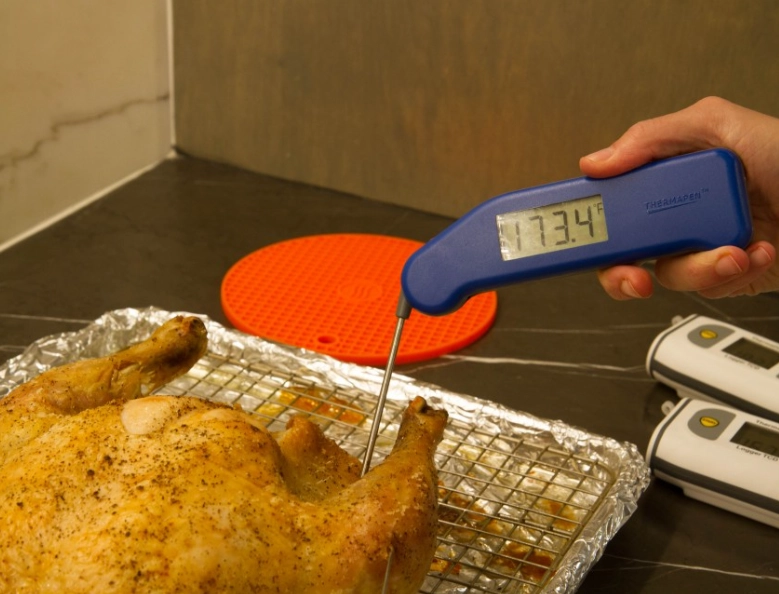
Stop Doing This: Poking the thermometer in through the top of the breast. You'll hit the breastbone or an air pocket and get a false low reading. Or, you'll measure a thin spot that's hotter than the center.
Here's the right way, step by step:
- For a Breast (bone-in or boneless): Insert the probe from the side, into the thickest part of the meat, avoiding any bones. Aim for the geometric center.
- For a Thigh/Leg: Push the probe into the meatiest area, again avoiding the bone. Make sure you're deep enough—dark meat near the bone cooks slowest.
- For a Whole Bird: You must check two places. First, the thickest part of the breast. Second, the innermost part of the thigh, where it attaches to the body. This is the coldest spot in the whole chicken. If both spots are at or above your target pull temps, you're good.
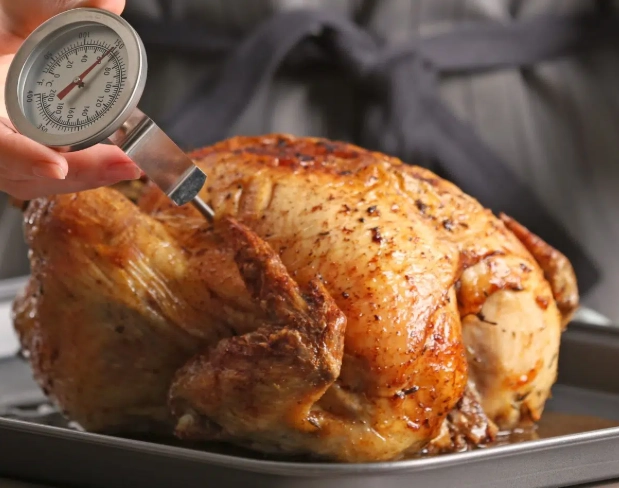
Calibrate your thermometer once in a while. Put the probe in a glass of ice water. It should read 32°F (0°C). If it's off by more than a couple degrees, you need to adjust or replace it.
Top 3 Mistakes That Ruin Your Chicken
Beyond just the wrong temperature, these are the subtle errors I see all the time.
1. Not accounting for carryover cooking. This is the #1 reason for dry breast meat. If you cook it to 165°F in the oven, it will be 175°F by the time you eat it. Pull it earlier.
2. Using a blunt, slow thermometer. You poke, wait 10 seconds for a reading, lose heat from the oven, and still aren't sure if you hit the right spot. A fast thermometer gives you a reading in 2-3 seconds, so you can check multiple spots without cooling the bird.
3. Roasting a cold chicken. Taking a bird straight from the fridge to the oven leads to uneven cooking—the outside is overdone before the inside is safe. Let it sit on the counter for 30-60 minutes before roasting. Pat it very dry with paper towels first. Dry skin = crispy skin.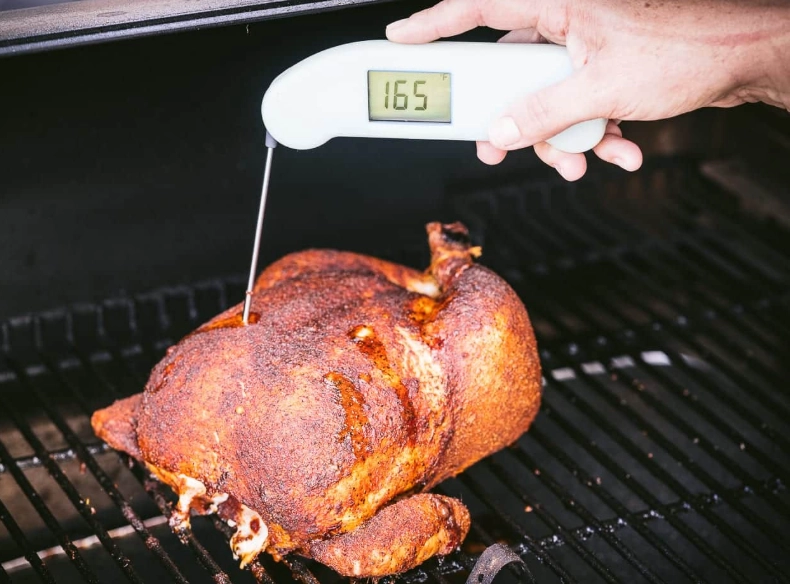
Your Roast Chicken Temperature Questions, Answered
Mastering roast chicken internal temperature turns a stressful guessing game into a relaxed, predictable process. Get a good thermometer, remember the two-zone approach (155°F for breast, 170°F+ for thighs), and always let it rest. Your next roast chicken will be the best you've ever made.
Related Articles