How Long to Bake a 5 lb Chicken at 350°F: The Complete Guide
So you've got a beautiful 5-pound whole chicken. The oven is preheated to 350°F, and you're ready to roast it to juicy, golden-brown perfection. Everyone says "about 20-30 minutes per pound," which gives you a range of 1 hour 40 minutes to 2 hours 30 minutes. That's a huge window. If you pull it out at the 1 hour 40 mark, it might be underdone. At 2 hours 30, you could have a dried-out bird. I've been there. After years of hosting Sunday dinners, I can tell you that the single most common mistake home cooks make is relying solely on time. Let's fix that.
What You'll Find Inside
- The Golden Rule: Why Time Alone is Untrustworthy
- Sizing Up Your Chicken: The Shape Factor
- Your Oven Type Matters More Than You Think
- The Prep Steps That Actually Save Time and Moisture
- How to Tell if Your Chicken is Done (Without Cutting Into It)
- How to Rest Your Chicken for Maximum Juiciness
- Quick Answers to Common Roasting Questions
The Golden Rule: Why Time Alone is Untrustworthy
That 20-30 minutes per pound guideline exists for a reason. It's a safety net, a starting point. But if you follow it blindly, you're at the mercy of your specific chicken and your specific oven. Here's what most beginner recipes won't tell you: a plump, air-chilled supermarket chicken will cook faster than a leaner, heritage-breed bird. The shape is everything. A compact, rounder chicken will roast more evenly and may hit temperature sooner than a long, lanky one. And that brings us to the most reliable tool.
Sizing Up Your Chicken: The Shape Factor
Let's get specific. Imagine two chickens, both weighing exactly 5 pounds.
Chicken A is shaped like a football, compact and dense.
Chicken B is shaped more like a lanky oval, with longer legs and a shallower breast.
Chicken A, with its dense mass, will likely cook closer to the 20-minute mark per pound. Chicken B, with its bones spread out and thinner breast meat, might need the full 30 minutes per pound. Why? Because heat penetrates mass, not weight. A thicker breast takes longer to heat through than a thinner one, even if the total weight is the same. This is why poking a thermometer into the thickest part of the thigh and breast is non-negotiable.
How Oven Type Affects Your Roast
This is a subtle point that even experienced cooks overlook. The type of oven you have creates a different cooking environment. A convection oven circulates hot air, cooking the chicken faster and potentially drying out the skin if you don't adjust. My advice? If you have convection, reduce the temperature by 25°F and check the chicken early. In a conventional oven, hot air rises, creating hotter and cooler spots. That's why rotating your pan halfway through is a small step that makes a big difference in even browning. I learned this the hard way when I served a beautifully browned bird that was still cool in the center at a dinner party. Never again.
Your Oven Type Matters More Than You Think
Let's talk about calibration. Many home ovens run hot or cold. An oven thermometer is a few dollars well spent. If your oven runs hot, that chicken will brown faster but might not be cooked through inside. If it runs cool, you'll be waiting forever for that crisp skin. Trust the temperature, not just the timer.
The Prep Steps That Actually Save Time and Moisture
Here's a non-consensus view: trussing a whole chicken is largely aesthetic and can actually prevent hot air from circulating in the cavity, leading to longer cooking times for the dark meat. I don't truss. Instead, I rub a compound butter under the skin. This does two things: it seasons the meat directly and melts to baste the chicken as it roasts, keeping it moist. The second step most recipes skip is properly drying the skin. A wet chicken steams; a dry chicken roasts and gets crispy. Pat it thoroughly with paper towels.
The Seasoning Secret
Seasoning under the skin is good. But seasoning the cavity with a quartered lemon, some garlic, and fresh herbs does wonders from the inside out. Don't just salt the outside. Get some salt and herbs inside. It makes a difference.
How to Tell if Your Chicken is Done (Without Cutting Into It)
The visual cues are helpful but flawed. "Clear juices" can run clear even before the chicken is fully safe. The leg joint moving loosely is better, but still subjective. The only fail-safe method is using an instant-read meat thermometer. Insert it into the thickest part of the thigh, without touching the bone. If it reads 165°F (74°C), you're safe. If it's close but not quite there, put it back for a few more minutes. No one wants to serve undercooked poultry.
Here's a pro tip: the temperature will continue to rise a few degrees as the chicken rests outside the oven. This is called carryover cooking. So if you pull it out at 162°F, it will likely reach 165°F during the resting period. This prevents overcooking.
How to Rest Your Chicken for Maximum Juiciness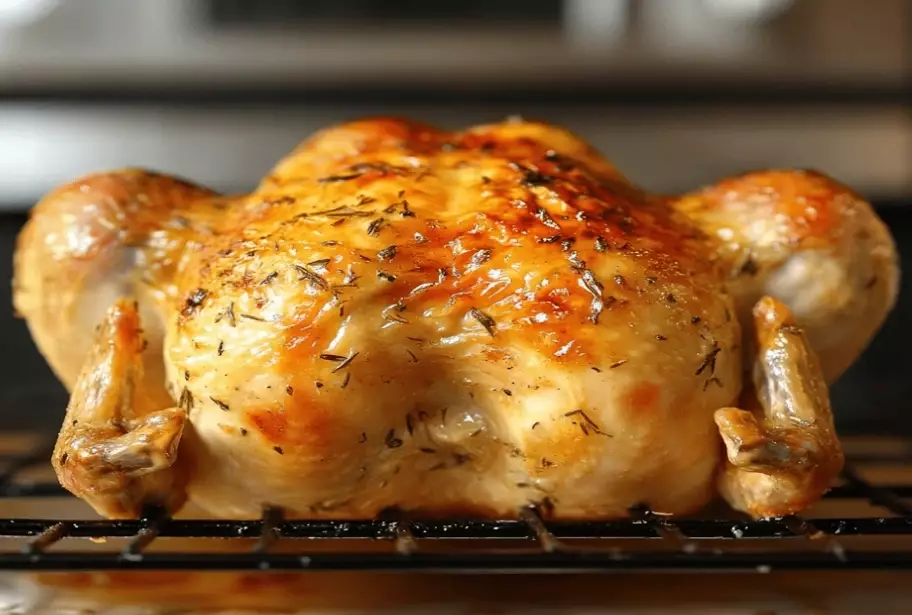
This is the most critical step that is often rushed. After you take the chicken out of the oven, transfer it to a cutting board and tent it loosely with aluminum foil. Let it rest for a full 20 to 25 minutes. This is not optional downtime; it's the final cooking phase where the juices redistribute. If you cut into it immediately, all those flavorful juices will spill out onto the board, leaving you with a dry bird. Plan your meal timeline around this rest. It's worth every second.
What about stuffing? If you are stuffing the chicken, this adds significant mass and thermal insulation. You must account for this. The stuffing itself needs to reach 165°F as well. This means the total cooking time will increase. A good rule of thumb is to add at least 30 minutes to your total roast time if you have a moderate amount of stuffing. Always check the temperature of the stuffing independently.
Quick Answers to Common Roasting Questions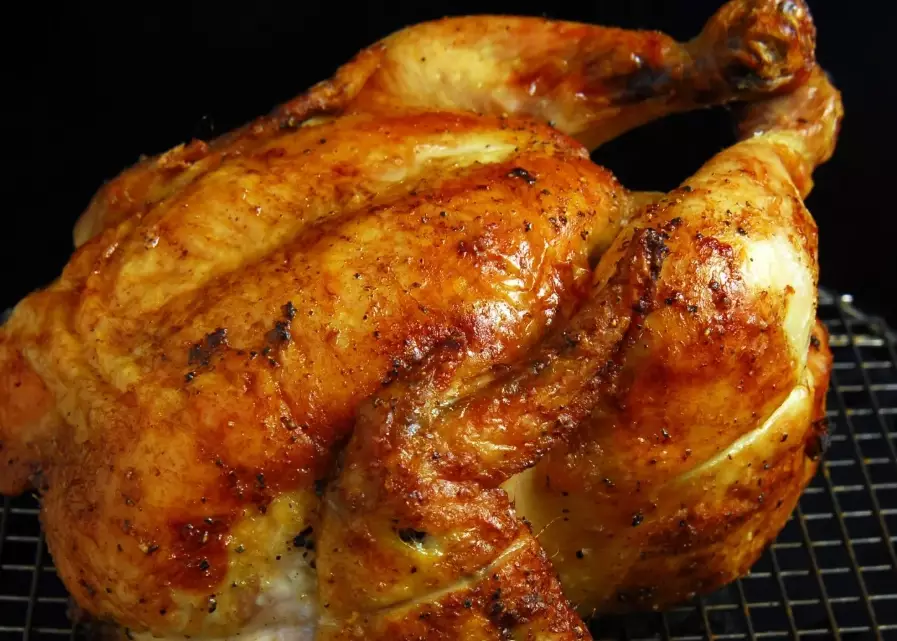
Storing and Reheating Your Leftover Roast Chicken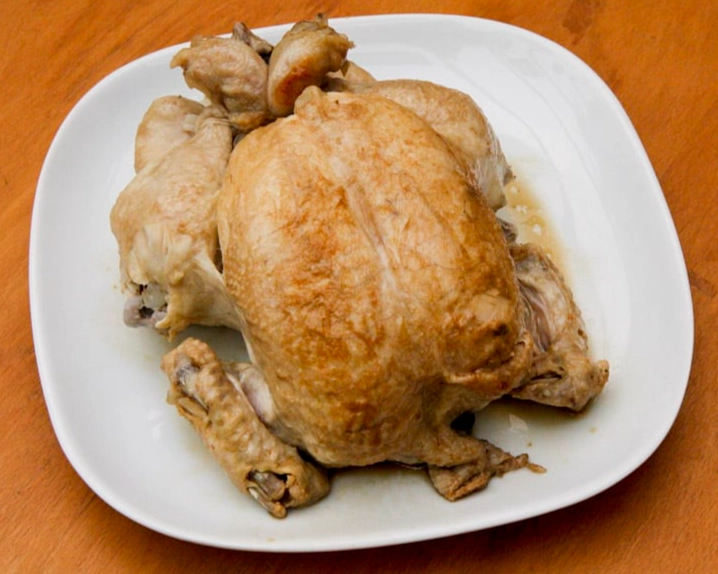
Let's be honest, you might have leftovers. Store them in an airtight container in the refrigerator for up to 4 days. To reheat, I strongly advise against using the microwave, which will make the meat rubbery. Instead, reheat slices in a skillet with a splash of broth or gravy over low heat until warmed through. For larger portions, you can loosely tent with foil and reheat in a 300°F oven until hot. The key is to add moisture back during the reheating process.
Related Articles