Boneless Chicken Thigh Nutrition Facts: Protein, Fat & Health Guide
Quick Navigation
- The Raw Numbers: What's Actually in a Boneless Chicken Thigh?
- Chicken Thigh vs. Chicken Breast: The Eternal Showdown
- The Big, Scary Fat Question: Is It Unhealthy?
- How to Cook Boneless Chicken Thighs for Maximum Health (and Flavor)
- Who Should Definitely Consider Boneless Chicken Thighs?
- Frequently Asked Questions (The Stuff You're Actually Searching For)
- Final Thoughts: Making Peace with the Chicken Thigh
Let's talk about boneless chicken thigh nutrition. Seriously, if you're like me, you've probably stood in the grocery store aisle, package in hand, wondering if you should grab the thighs or the breasts. The breast gets all the health hype, but the thigh... the thigh is where the flavor lives. But what's the real nutritional story? Is it a dietary hero or a secret calorie bomb? I used to think it was the latter, until I actually dug into the numbers and my own cooking experience.
We're going to cut through the noise. This isn't just a list of numbers from a database. We'll look at what boneless, skinless chicken thighs really offer, how they stack up against the ever-popular breast, tackle the big fat question head-on, and most importantly, figure out how to make them a delicious and smart part of your diet. Because knowing the boneless chicken thigh nutrition profile is useless if you don't know what to do with it.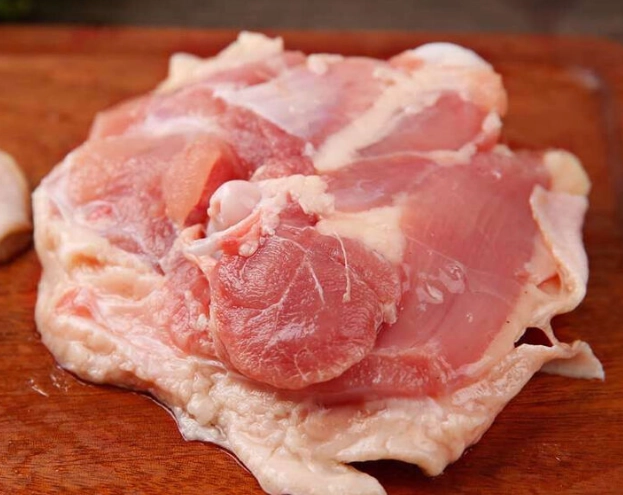
The Core Takeaway: Boneless, skinless chicken thighs are a fantastic source of high-quality protein, essential vitamins, and minerals. They contain more fat than breasts, but it's a mix that includes heart-healthy unsaturated fats. The key is in the preparation and portion size.
The Raw Numbers: What's Actually in a Boneless Chicken Thigh?
Alright, let's get down to brass tacks. What are you really eating? We'll use data from the USDA's FoodData Central, which is the gold standard for this stuff. We're talking about a typical 3-ounce (about 85-gram) cooked serving of boneless, skinless chicken thigh. Not the raw weight, but cooked—because that's how we actually eat it.
| Nutrient | Amount per 3oz (85g) Cooked | % Daily Value (Based on 2000 cal diet) |
|---|---|---|
| Calories | ~155 kcal | 8% |
| Protein | ~19 grams | 38% |
| Total Fat | ~8 grams | 10% |
| Saturated Fat | ~2.2 grams | 11% |
| Monounsaturated Fat | ~3.2 grams | - |
| Polyunsaturated Fat | ~1.8 grams | - |
| Cholesterol | ~75 mg | 25% |
| Iron | ~0.9 mg | 5% |
| Zinc | ~1.9 mg | 17% |
| Selenium | ~14.5 mcg | 26% |
| Niacin (B3) | ~4.5 mg | 28% |
| Vitamin B6 | ~0.3 mg | 18% |
See that? Nearly 20 grams of protein in a modest serving. That's a solid foundation for muscle repair, keeping you full, and all the other things protein does. The fat content is what usually raises eyebrows. Eight grams. But look closer—only about 2 grams of that is saturated. The rest? Mostly monounsaturated fat (the kind praised in olive oil) and some polyunsaturated. This fat profile is actually better than its reputation suggests.
And the minerals! Zinc and selenium are often overlooked. Zinc is crucial for immune function and metabolism, and selenium is a powerful antioxidant. Thighs deliver more of both compared to white meat. The nutritional value of boneless chicken thigh goes beyond just macros.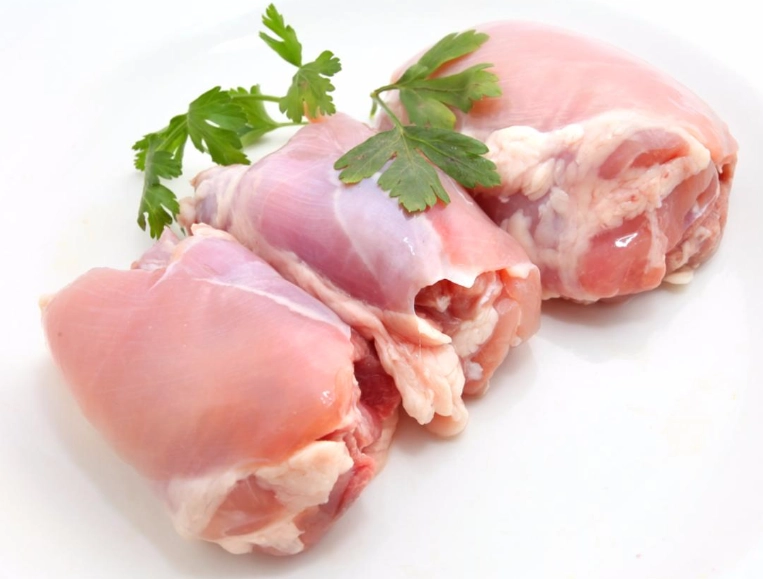
Here's my personal gripe: everyone obsesses over the fat number and just stops there. They don't ask *what kind* of fat. Seeing "8g fat" might trigger an alarm, but understanding that most of it is the healthier unsaturated type completely changes the conversation. It's a classic case of missing the nuance.
Chicken Thigh vs. Chicken Breast: The Eternal Showdown
This is the comparison everyone wants. Let's be honest, most people searching for boneless chicken thigh nutrition are secretly (or not so secretly) asking, "Is it worse than breast?"
For the same 3-ounce cooked, skinless portion:
Chicken Breast (Skinless): ~165 calories, 31g protein, 3.6g fat (1g saturated). It's the lean machine, the bodybuilder's staple.
Chicken Thigh (Boneless, Skinless): ~155 calories, 19g protein, 8g fat (2.2g saturated). It's the flavor champion with a different nutrient mix.
So, the breast wins on pure protein density and lower fat, hands down. If your only goal is maximizing protein while minimizing calories and fat, breast is your cut. But the thigh isn't just a fattier, inferior version. It's a different tool for a different job.
The thigh has more iron (almost double), more zinc, and more B vitamins like Niacin and B6. That iron is heme iron, which your body absorbs much more easily than the iron from plants. For someone who doesn't eat red meat, this is a big deal. The fat isn't just empty calories either—it carries flavor (obviously) and helps your body absorb fat-soluble vitamins from other foods in your meal.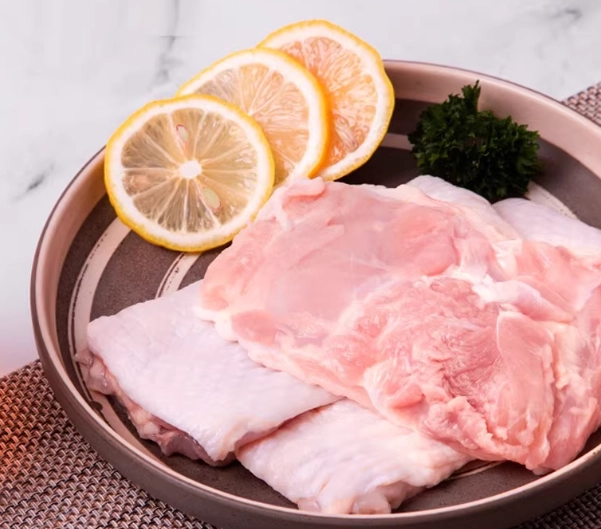
So, Which One Should You Choose?
It depends. Are you on a very strict, low-fat cutting diet for a bodybuilding show? Probably stick with breast most of the time. For the other 95% of people with general health, fitness, and satiety goals? Thighs are a brilliant option.
I switched to using thighs more often for weeknight dinners because they're simply more forgiving to cook. Breast dries out if you blink wrong. Thighs stay juicy. That practical benefit means I actually cook and eat chicken more, which is a net positive for my protein intake overall, even if the per-ounce number is slightly lower. Sometimes the "best" nutritional choice is the one you'll actually enjoy and cook consistently.
The Big, Scary Fat Question: Is It Unhealthy?
This is the heart of the debate around chicken thigh nutrition. Let's demystify it.
First, dietary cholesterol (the 75mg in a serving) is no longer the villain it was once thought to be for most people. For years, the American Heart Association and others have shifted focus away from dietary cholesterol and towards saturated and trans fats as the primary drivers of blood cholesterol issues for the general population. The current Dietary Guidelines for Americans don't set a strict limit on dietary cholesterol.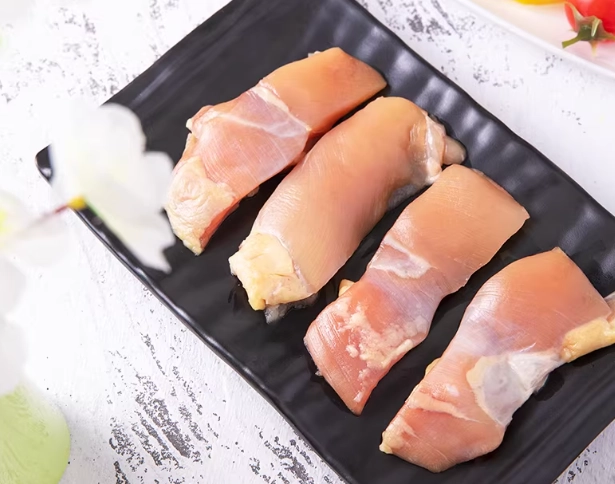
The saturated fat content (about 2.2g) is what needs mindful consideration. The AHA recommends limiting saturated fat to about 5-6% of daily calories. For a 2000-calorie diet, that's about 13 grams. One serving of boneless chicken thigh uses up about 17% of that budget. It's not trivial, but it's also not catastrophic. It becomes a problem if you're eating large portions, eating it with the skin on frequently, or pairing it with other high-saturated-fat foods (like cooking it in loads of butter or serving it with creamy sauces).
The key is context and the rest of your day's diet. A boneless, skinless thigh is a reasonable source of saturated fat within a balanced diet.
Now, the unsaturated fats (mono and poly) in chicken thighs are beneficial. They can help support heart health when they replace saturated and trans fats in the diet. So the fat story is mixed, not purely negative.
How to Cook Boneless Chicken Thighs for Maximum Health (and Flavor)
Nutrition isn't just about the raw ingredient; it's about what you do to it. You can turn a healthy piece of chicken into a calorie-dense meal pretty easily. Here’s how I approach it to keep the boneless skinless chicken thigh nutrition profile intact.
1. Start Skinless, Boneless. This is non-negotiable for keeping fat in check. The skin is where a massive amount of the saturated fat resides. Removing it yourself saves money, but buying them pre-prepared saves time. Your choice.
2. Trim Visible Fat. Take an extra 30 seconds to snip off any big, obvious chunks of white fat around the edges. It makes a difference.
3. Choose Your Cooking Method Wisely.
- Grilling or Broiling: Excellent. Fat drips away.
- Baking or Roasting: Great. Use a rack so the thighs aren't sitting in their own rendered fat.
- Pan-Searing/Sautéing: Good, but be careful with oil. Use a non-stick pan and just a teaspoon or two of a healthy oil like avocado or olive oil. Don't drown it.
- Slow Cooking/Braising: Good for flavor, but you'll want to skim excess fat from the sauce before serving.
- Deep Frying: Obviously, this changes the game completely. Turns it into a sometimes-food, not an everyday staple.
4. Be Smart with Marinades and Seasonings. Skip the bottled sauces loaded with sugar and sodium. A simple marinade of lemon juice, garlic, herbs, and a little olive oil works wonders. Dry rubs with paprika, cumin, garlic powder, onion powder, and black pepper are fantastic with zero added calories.
I made the mistake once of following a "crispy thigh" recipe that involved pan-frying in a half-inch of oil. They were delicious, sure, but I felt sluggish afterward. Now my go-to is seasoning them heavily, throwing them on a baking sheet with some broccoli, and roasting at 400°F for 20-25 minutes. Foolproof and clean.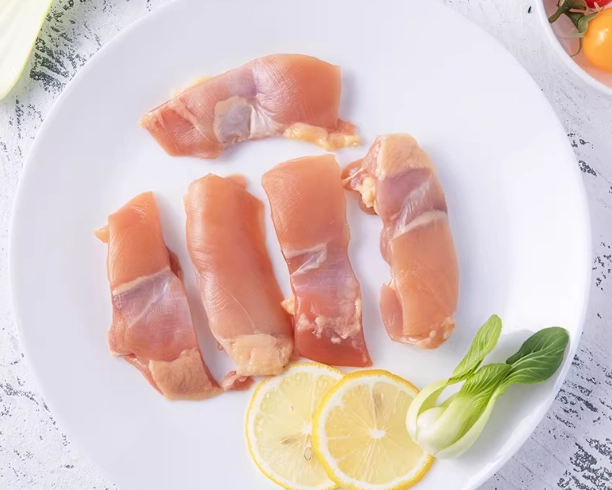
Who Should Definitely Consider Boneless Chicken Thighs?
Given this boneless chicken thigh nutrition deep dive, who stands to benefit the most from choosing them?
- People Who Struggle with Dry Chicken Breast: If you find breast meat boring or too easy to overcook, thighs will increase your compliance with eating lean protein. Enjoyment matters for sustainability.
- Active Individuals & Athletes: The combo of high-quality protein for recovery, iron for oxygen transport, and B vitamins for energy metabolism is a potent package. The extra calories from fat can be useful fuel.
- Those on Budget-Friendly Meal Plans: Thighs are often significantly cheaper per pound than breasts. You can eat well without breaking the bank.
- Anyone Looking for More Flavor with Minimal Effort: The inherent juiciness and richness mean you don't need to rely on heavy sauces.
Frequently Asked Questions (The Stuff You're Actually Searching For)
Final Thoughts: Making Peace with the Chicken Thigh
Look, the boneless chicken thigh doesn't need a PR campaign, but it does need a fair trial. Its nutrition profile is robust—packed with protein, richer in key minerals than breast, and containing a fat profile that's more nuanced than the single number suggests.
It's not the absolute leanest option, and if your goals are ultra-specific, you might prioritize breast. But for most of us looking for tasty, nutritious, satisfying, and affordable protein, boneless skinless chicken thighs are a winner. They bridge the gap between health-conscious eating and real-world enjoyment in the kitchen.
Stop fearing the fat.
Embrace the flavor.
Just be smart about the portion and how you cook it. Get that skin off, fire up the oven or grill, season it well, and pair it with a mountain of veggies. That's a balanced, healthy meal built around the often-underestimated boneless chicken thigh nutrition powerhouse.
Related Articles