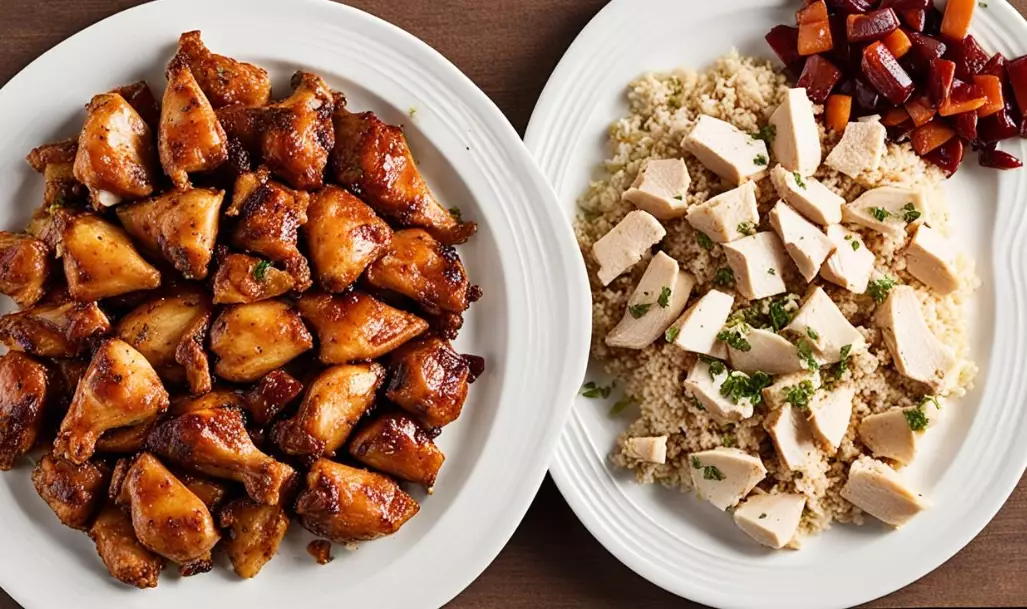
Chicken Tenderloin: The Ultimate Guide to Buying, Cooking & Recipes
In This Guide
- Buying the Best Chicken Tenderloin: A Shopper's Checklist
- Chicken Tenderloin vs. Chicken Breast: The Side-by-Side Showdown
- How to Cook Chicken Tenderloin: Mastering the Methods
- Flavor Town: Marinades, Rubs, and Seasoning Ideas
- Recipe Ideas: From Fridge to Table in 20 Minutes
- Storing, Reheating, and Meal Prep Magic
- Frequently Asked Questions (FAQ)
Let's talk about chicken tenderloin. You've probably seen them at the store, maybe even bought them, but do you really know what you're getting? I used to just grab a pack thinking they were just smaller chicken breasts. Boy, was I wrong. That misunderstanding led to some seriously dry chicken a few times before I figured things out. So, I decided to dig deep, experiment in my own kitchen (with a few failures along the way, honestly), and put together this guide so you don't have to make the same mistakes.
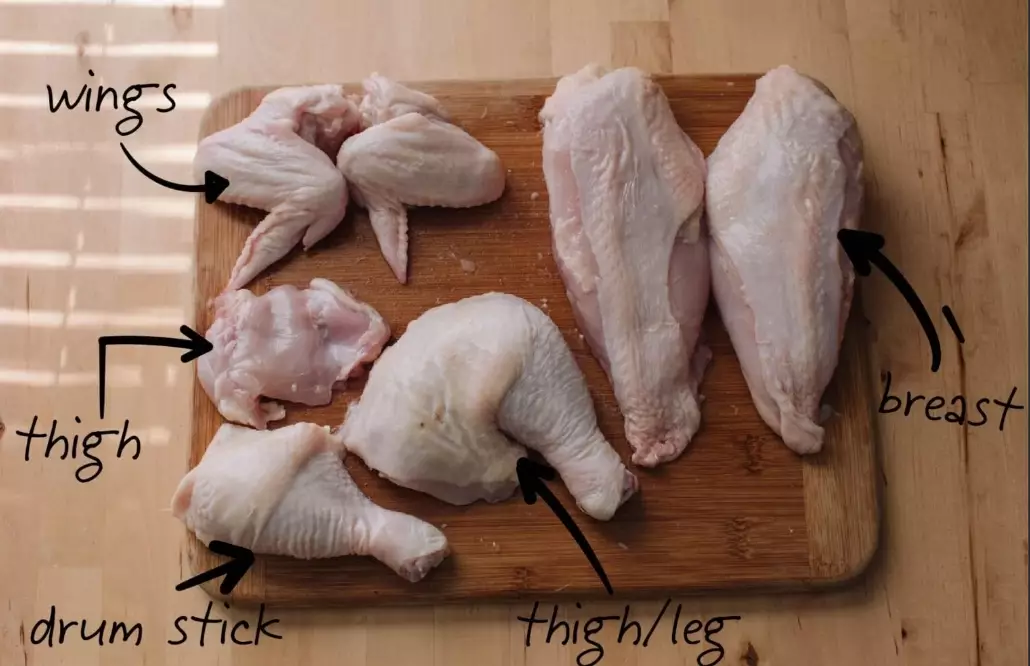
What exactly is a chicken tenderloin? It's that little strip of meat you find attached to the underside of a chicken breast. It's not a separate muscle from the breast, but it is its own distinct part – the pectoralis minor, if you want to get technical. It's separated from the main breast by a thin layer of silverskin. Because it's a muscle that doesn't do much work, it's incredibly tender – hence the name. It's also lean, cooks in a flash, and is surprisingly versatile. But it has its quirks. It can go from juicy to sawdust in a minute if you're not careful.
Buying the Best Chicken Tenderloin: A Shopper's Checklist
Not all chicken tenderloins are created equal. You can find them in a few different forms, and knowing what to look for can make a huge difference in your final dish. Here’s the breakdown from my countless grocery trips.
Fresh vs. Frozen: What's the Real Deal?
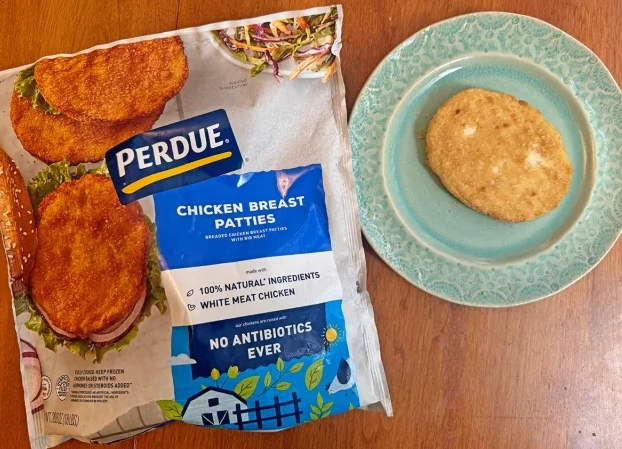
Fresh is great for tonight's dinner. They look plump and have a natural pinkish color. But don't dismiss frozen. For meal prep, frozen chicken tenderloins are a lifesaver. The key is to check the label. You want ones that are individually quick frozen (IQF) with no added solutions. A lot of frozen packs are pumped with water, salt, and preservatives to increase weight. You're paying for water, and they often turn out mushy when cooked. I've been burned by that before – the texture is just off.
Look for packaging that says "100% chicken" or "no added salt or solutions." Brands that are transparent about this are usually a safer bet.
Organic, Free-Range, or Conventional?
This is a personal budget and values call, but here's what I've noticed. Organic chicken tenderloins often have a firmer texture and more pronounced flavor. Free-range can be similar. Conventional is perfectly fine and much more affordable – it's what I use most often for weeknight meals. The flavor difference in a heavily seasoned dish like a curry or fajitas is minimal, in my opinion. For a simple grilled or pan-seared dish where the chicken is the star, you might appreciate the upgrade.
Chicken Tenderloin vs. Chicken Breast: The Side-by-Side Showdown
This is where people get confused. They're from the same bird, so they must be the same, right? Not quite. Think of them as close cousins, not twins. Here’s a clear comparison to settle the debate.
| Feature | Chicken Tenderloin | Chicken Breast (Boneless, Skinless) |
|---|---|---|
| Texture | Exceptionally tender, almost buttery when cooked right. | Naturally lean, can be tender if not overcooked, but denser. |
| Size & Shape | Small, thin, and uniform (usually 2-3 inches long, 1 inch wide). | Larger, thicker, and often uneven in shape. |
| Cooking Time | Very fast! 3-6 minutes depending on method. | Longer, 8-20 minutes, often requiring pounding or butterflying to cook evenly. |
| Best For... | Quick sautés, stir-fries, skewers, salads, sandwiches, kids' meals. | Grilling, baking whole, stuffing, dishes where a thicker cut is desired. |
| Price | Often more expensive per pound than whole breasts. | Generally more economical, especially when bought in bulk. |
| Biggest Pitfall | Extremely easy to overcook due to small size. | Drying out in the thicker parts while the thinner ends cook. |
So, when should you use one over the other? If you're in a rush, chicken tenderloin is your friend. If you're feeding a crowd on a budget or want a substantial grilled piece, go for the breast. I often buy whole breasts and remove the tenderloins myself. It's cheaper, and I get both cuts. The tenderloins go into a stir-fry later in the week, and the breasts get marinated for grilling.
How to Cook Chicken Tenderloin: Mastering the Methods
This is the fun part. Because they're so small and tender, chicken tenderloins are incredibly forgiving if you follow a few basic rules. The main rule? Don't walk away. They cook fast.
Pan-Searing (My Go-To Weeknight Method)
This is how I cook chicken tenderloins 80% of the time. It's fast, creates flavor through browning (the Maillard reaction, if you're fancy), and leaves you with pan drippings for a quick sauce.
- Dry and Season: Pat the tenderloins dry. Season generously with salt and pepper. Don't be shy.
- Hot Pan, Right Fat: Heat a skillet (stainless steel or cast iron works best) over medium-high heat. Add a high-smoke-point oil like avocado or canola. Wait until the oil shimmers.
- Sear, Don't Crowd: Add the tenderloins in a single layer with space between them. If you pile them in, they'll steam. Cook for 2-3 minutes without moving them to get a golden crust.
- Flip and Finish: Flip and cook for another 1-2 minutes. That's usually it. The internal temperature should be 165°F (74°C). I use an instant-read thermometer—it takes the guesswork out and prevents overcooking. Seriously, buy one.
Baking and Roasting
Great for hands-off cooking or when feeding a group. The downside? You don't get that crispy sear. To combat this, I broil for the last minute or two.
Preheat your oven to 400°F (200°C). Toss the seasoned tenderloins with a little oil and spread on a baking sheet. Bake for 10-12 minutes, flipping halfway. Check the temperature at 10 minutes. You can also bake them in a sauce (like a marinara or coconut curry) which keeps them supremely moist.
Grilling
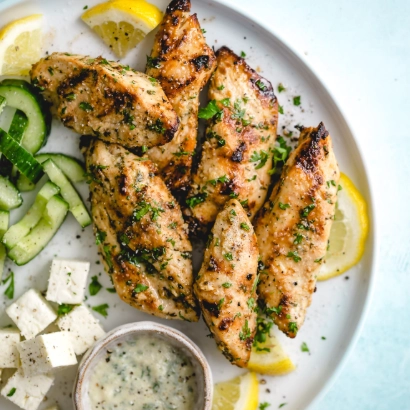
Perfect for summer. The problem? They can fall through the grates. The solution? Skewers or a grill basket. Thread them onto soaked wooden skewers or metal skewers, or use a perforated grill pan. Grill over medium-high heat for 2-3 minutes per side. They pick up that smoky flavor beautifully. A simple marinade of olive oil, lemon, garlic, and herbs works wonders here.
Air Frying (The Modern Miracle)
If you have an air fryer, chicken tenderloins were made for it. They get crispy outside and stay juicy inside with minimal oil. Toss them with a teaspoon of oil and your seasonings. Air fry at 380°F (193°C) for 6-8 minutes, shaking the basket halfway. It's almost too easy.
Flavor Town: Marinades, Rubs, and Seasoning Ideas
Chicken tenderloin is a blank canvas. It takes on flavors incredibly well because of its size. You don't need to marinate for hours—30 minutes to an hour is plenty, sometimes even 15 minutes does the trick.
Top 3 Marinades for Chicken Tenderloin
- The Classic Herb & Lemon: 1/4 cup olive oil, juice of 1 lemon, 2 minced garlic cloves, 1 tbsp chopped fresh rosemary or thyme, salt, and pepper. Bright and fresh.
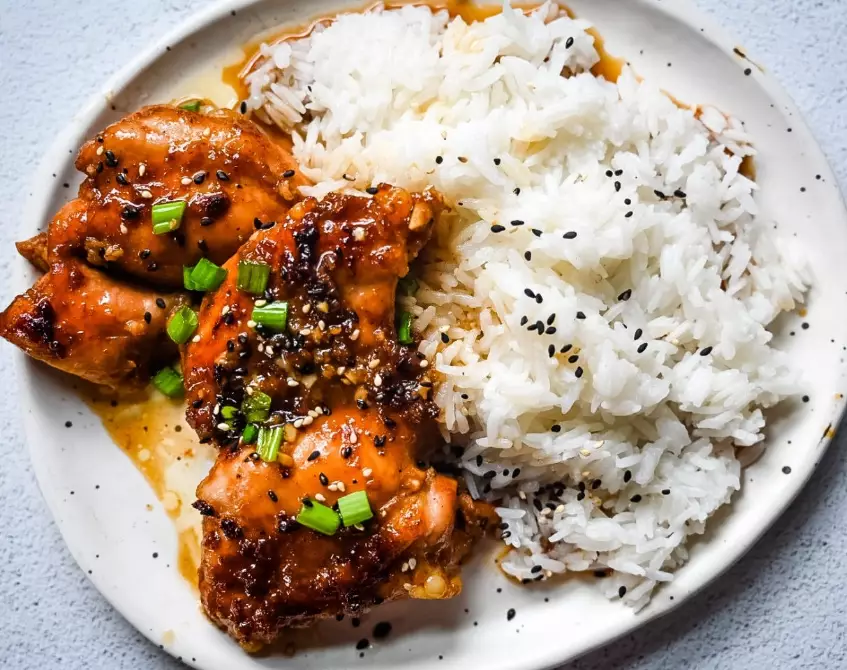
- The Asian-Inspired: 3 tbsp soy sauce, 1 tbsp honey or brown sugar, 1 tbsp rice vinegar, 1 tsp minced ginger, 1 minced garlic clove, 1 tsp sesame oil. Savory, sweet, and sticky when cooked.
- The Creamy Yogurt: 1/2 cup plain Greek yogurt, 1 tbsp olive oil, 1 tsp each paprika, cumin, and garlic powder. The yogurt tenderizes and creates a delicious crust. This is my secret for the juiciest grilled tenderloins.
Dry rubs are even faster. Just mix your spices and coat the chicken. A simple mix of smoked paprika, garlic powder, onion powder, and a bit of brown sugar is fantastic. For food safety tips on handling and marinating poultry, the USDA's Food Safety guidelines are an essential resource to bookmark.
Recipe Ideas: From Fridge to Table in 20 Minutes
Okay, you've bought them, you know how to cook them. Now what do you actually make? Here are my tried-and-true favorites that are in regular rotation at my house.
Chicken Tenderloin Stir-Fry
The ultimate quick dinner. Slice your tenderloins into even smaller pieces if you want. Stir-fry them in a screaming hot wok or pan with oil for 2-3 minutes until just cooked, then remove. Cook your veggies (bell peppers, broccoli, snap peas), add your sauce (soy, oyster sauce, a little cornstarch slurry), toss the chicken back in, and heat through. Serve over rice. Faster than takeout.
Crispy Breaded Chicken Tenders (The Crowd-Pleaser)
Yes, you can make your own that are better than the frozen kind. Set up a breading station: flour seasoned with salt/pepper, beaten eggs, and breadcrumbs (I like panko for extra crunch). Dredge each tenderloin in flour, dip in egg, then coat in crumbs. Pan-fry in 1/4 inch of oil for 2-3 minutes per side until golden and cooked through. Drain on a rack, not paper towels (to keep them crispy). Serve with honey mustard or barbecue sauce. Kids and adults alike devour these.
One-Pan Lemon Garlic Chicken Tenderloins with Veggies
Minimal cleanup. On a sheet pan, toss chicken tenderloins, chopped potatoes, and green beans with olive oil, minced garlic, lemon zest, salt, pepper, and dried oregano. Spread out. Roast at 425°F (220°C) for 15-18 minutes, until the chicken is done and veggies are tender. Squeeze fresh lemon juice over everything. Dinner is served.
For more inspiration on cooking techniques, the Culinary Institute of America's public resources often have great foundational guides on methods like pan-searing and roasting that apply perfectly to a cut like chicken tenderloin.
Storing, Reheating, and Meal Prep Magic
Cooked chicken tenderloin is a meal-prep superstar, but reheating it wrong can ruin it.
- Storing: Let cooked chicken cool completely before storing in an airtight container in the fridge for up to 4 days.
- Freezing: You can freeze cooked chicken tenderloin. Place them in a single layer on a baking sheet to freeze solid, then transfer to a freezer bag. This prevents them from sticking together. Use within 3 months for best quality.
- Reheating (The Right Way): The microwave is the worst option—it turns them rubbery. Instead, reheat gently in a skillet with a tiny bit of oil or broth over medium-low heat, just until warmed through. For the air fryer, 300°F (150°C) for 2-3 minutes works well. You can also chop them up cold and add to salads or pasta dishes.
Frequently Asked Questions (FAQ)
So there you have it. The humble chicken tenderloin, demystified. It's not just a scrap piece or a kid's menu item. It's a versatile, quick-cooking, delicious cut of chicken that deserves a permanent spot in your kitchen routine. Start with a simple pan sear with salt and pepper. Master that. Then branch out. You might just find it becomes your new weeknight favorite.
Now, I'm curious—what's the first thing you're going to make with your chicken tenderloins?
Related Articles