Chicken Breast Tenderloins: Easy Recipes and Cooking Tips
I used to hate cooking chicken breast. It always came out dry, bland, and chewy—until I discovered chicken breast tenderloins. These little strips are the secret weapon for quick, healthy dinners that actually taste good. If you're tired of wrestling with tough poultry, you're in the right place. This guide dives deep into everything about tenderloins, from what they are to how to cook them perfectly every time. No fluff, just practical stuff that works.
What's Inside This Guide
What Are Chicken Breast Tenderloins?
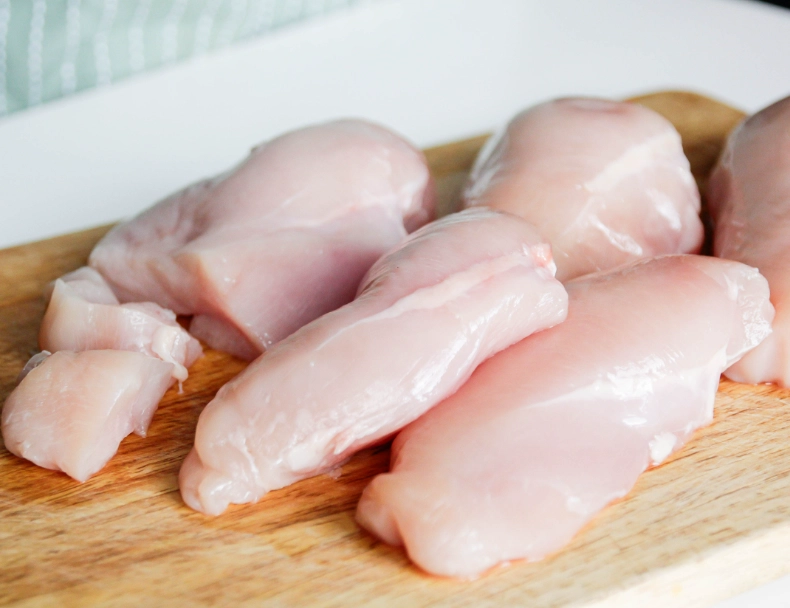
Chicken breast tenderloins are the small, tender strips of meat attached to the underside of a whole chicken breast. They're often sold separately in packages at grocery stores—look for labels like "chicken tenders" or "tenderloins." Each piece is about 2-3 inches long and weighs around 1-2 ounces. They're lean, with almost no fat, and have a milder flavor compared to thighs, making them a blank canvas for seasonings.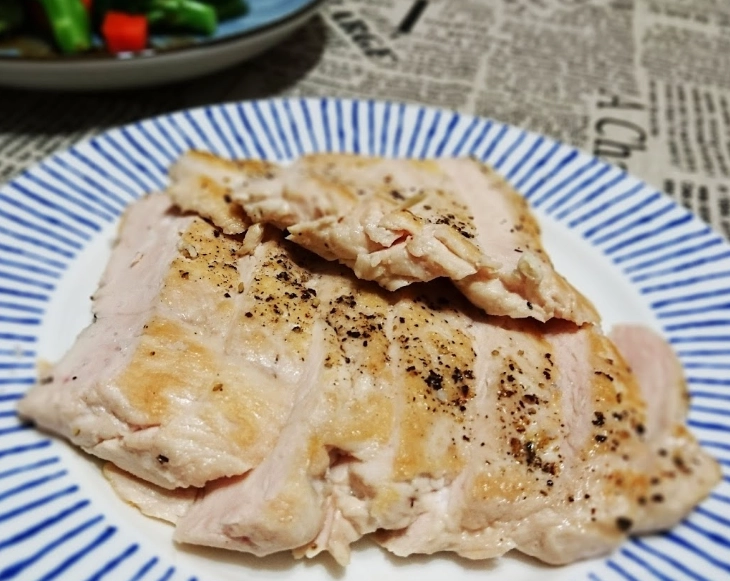
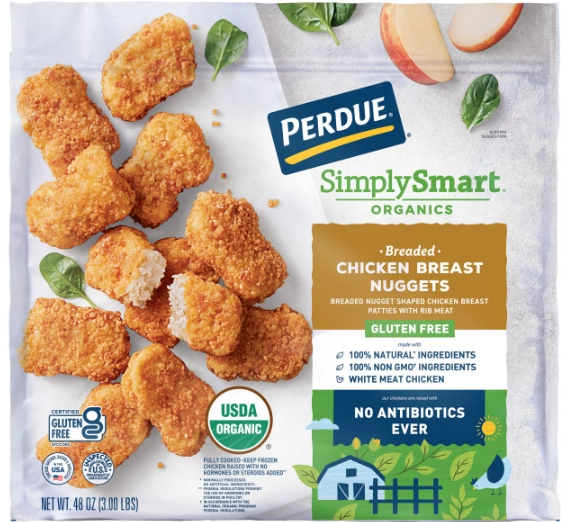
Here's a fun fact: many people confuse them with chicken fingers, but tenderloins are the natural cut, while fingers are usually processed and breaded. I once bought what I thought was fresh tenderloins, only to find they were pre-marinated with loads of sodium—always check the ingredients list!
Why Choose Tenderloins Over Regular Breast?
Speed and texture. That's the short answer. Tenderloins cook in half the time of a whole breast because they're thinner. No more waiting 30 minutes for dinner. They're also inherently more tender—the name says it all—so you're less likely to end up with dry meat. Nutritionally, they're similar: high protein, low fat. According to the USDA FoodData Central, a 3-ounce serving packs about 20 grams of protein and 100 calories.
But here's a nuance most blogs miss: tenderloins are better for portion control. Each piece is a perfect single serving, which helps if you're meal prepping. I used to eyeball chicken breast cuts and end up with uneven meals—tenderloins solve that.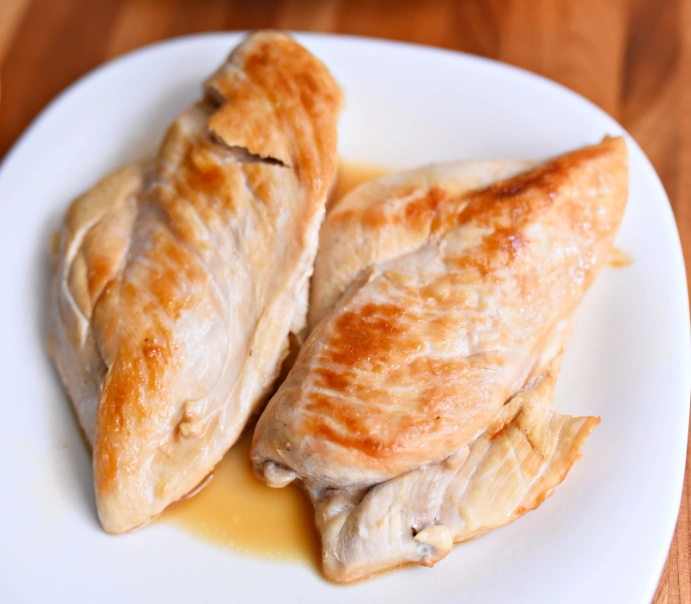
How to Cook Chicken Tenderloins Perfectly
Cooking tenderloins is straightforward, but a few tweaks make all the difference. The biggest enemy? Overcooking. Since they're small, they go from juicy to rubbery in minutes.
Grilling Chicken Tenderloins
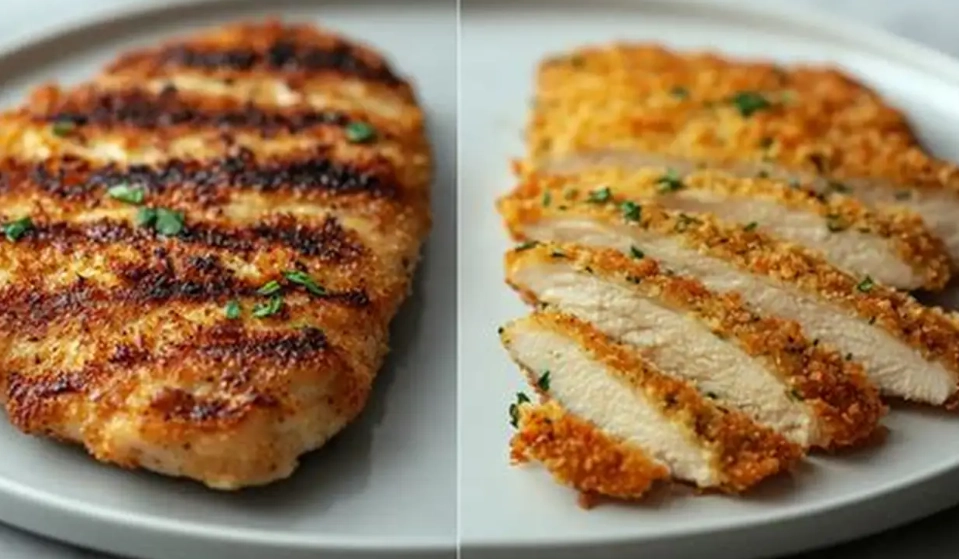
Heat your grill to medium-high (about 400°F). Pat the tenderloins dry with paper towels—this helps with searing. Brush with oil, season with salt and pepper, and grill for 3-4 minutes per side. Use a meat thermometer; aim for 165°F internal. Let them rest for 5 minutes before serving. I love the charred marks, but watch closely: they can burn fast.
Baking Chicken Tenderloins
Preheat oven to 400°F (200°C). Place tenderloins on a baking sheet lined with parchment paper. Drizzle with olive oil and your favorite herbs—I use garlic powder and paprika. Bake for 15-20 minutes, flipping halfway. Don't crowd the pan; give them space to cook evenly. A common error is baking at too low a temperature, which dries them out.
Sautéing Chicken Tenderloins
Heat a skillet over medium-high heat with a tablespoon of oil. Add tenderloins in a single layer—don't overcrowd. Cook for 4-5 minutes per side until golden brown. Deglaze the pan with a splash of chicken broth or lemon juice for extra flavor. This method is my go-to for weeknights; it's fast and minimal cleanup.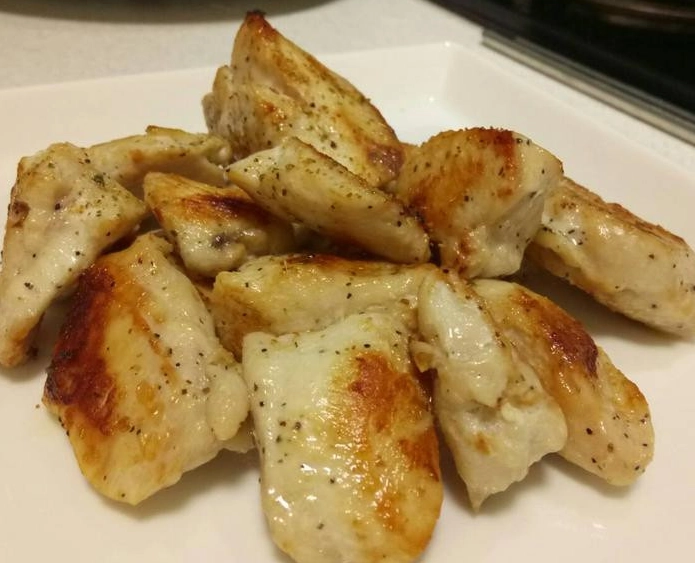
Top 3 Healthy Chicken Tenderloin Recipes
These recipes are simple, nutritious, and tested in my kitchen. Each serves 2-3 people and takes under 30 minutes.
| Recipe Name | Key Ingredients | Cooking Time | Why It Works |
|---|---|---|---|
| Lemon Herb Tenderloins | Tenderloins, lemon juice, fresh thyme, garlic, olive oil | 20 minutes | The acid from lemon tenderizes the meat without drying it out. |
| Honey Mustard Glazed Tenderloins | Tenderloins, Dijon mustard, honey, paprika, salt | 18 minutes | Sweet and savory combo that kids love; uses pantry staples. |
| Spicy Asian Stir-Fry Tenderloins | Tenderloins, soy sauce, ginger, chili flakes, bell peppers | 25 minutes | High-flavor, low-calorie meal perfect for busy nights. |
Let me walk you through the Lemon Herb recipe as an example. Marinate 1 pound of tenderloins in 2 tablespoons lemon juice, 1 minced garlic clove, and a teaspoon of thyme for 15 minutes. Bake at 400°F for 15 minutes. That's it—juicy and zesty. I've served this to picky eaters who didn't even realize it was chicken breast.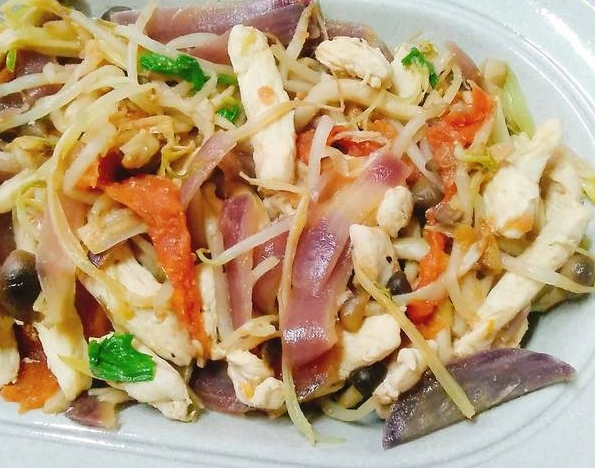
Common Mistakes and How to Avoid Them
I've made these errors so you don't have to. Here's what to watch for:
- Skipping the rest time: After cooking, let tenderloins rest for 5 minutes. Cutting into them immediately lets juices escape, leaving them dry. I learned this the hard way with a disappointing dinner.
- Over-marinating: Acidic marinades (like vinegar) can break down the meat if left too long. Limit to 30 minutes for tenderloins—overnight is overkill.
- Using high heat for too long: Tenderloins are thin; high heat is fine, but reduce time. A minute too long on the grill can ruin them.
- Not patting dry: Moisture on the surface steams the meat instead of searing it. Always pat dry with paper towels before cooking.
One more thing: don't salt too early. Salt draws out moisture, so season just before cooking or during marination.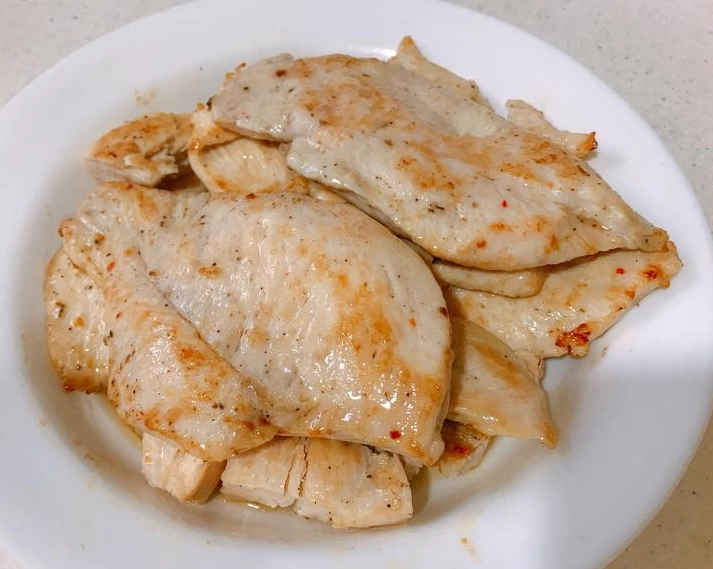
FAQ: Your Burning Questions Answered
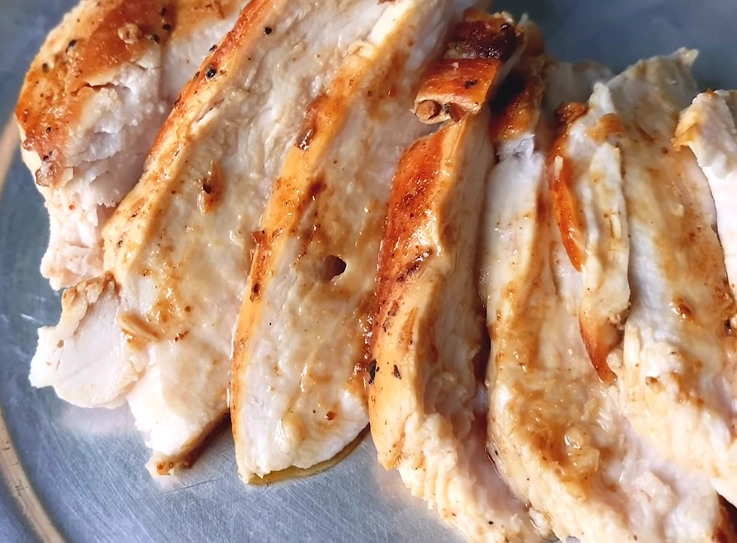
Chicken breast tenderloins might seem basic, but they're a game-changer for healthy eating. Start with a simple recipe, avoid the pitfalls, and you'll have a staple that saves time and tastes great. Got more questions? Drop a comment—I'm happy to share more from my kitchen experiments.
Related Articles