Dark Chicken Explained: Your Ultimate Guide to Black Chicken Benefits and Recipes
In This Guide
- What Exactly Are We Talking About? The Breeds Behind Dark Chicken
- Why All the Fuss? The Nutrition and Purported Benefits of Dark Chicken
- From Scary-Looking Bird to Delicious Dinner: How to Cook Dark Chicken
- Buying Guide: Where to Find Dark Chicken and What to Look For
- Your Dark Chicken Questions, Answered (No Nonsense)
- The Final Verdict on Dark Chicken
So you've heard the term "dark chicken" floating around. Maybe you saw it on a fancy restaurant menu, priced way higher than the regular stuff. Or perhaps a friend raved about this magical black chicken soup they had that's supposed to fix everything from a cough to tiredness. Your first thought might have been, like mine was, "Is this for real? Or just another food fad?"
I remember the first time I saw a whole dark chicken, specifically a Silkie, at an Asian market. It was... unsettling. Black skin, black bones, and even a darkish tinge to the meat. It looked nothing like the plump, pinkish chicken breast I was used to. I bought it out of sheer curiosity, Googled a recipe in the parking lot, and made a soup. The broth turned a deep, almost grey color. I won't lie, serving it took some courage. But the flavor? Unbelievably rich, complex, and the texture of the meat was silkier (hence the name, I guess) than any chicken I'd ever had. That experience sent me down a rabbit hole.
This guide is what I wish I had found back then. We're going to strip away the mystery and the hype. What is dark chicken, actually? Is it worth the extra money? How do you even cook the thing? We'll cover it all, from the farm to your fork, without any fluff.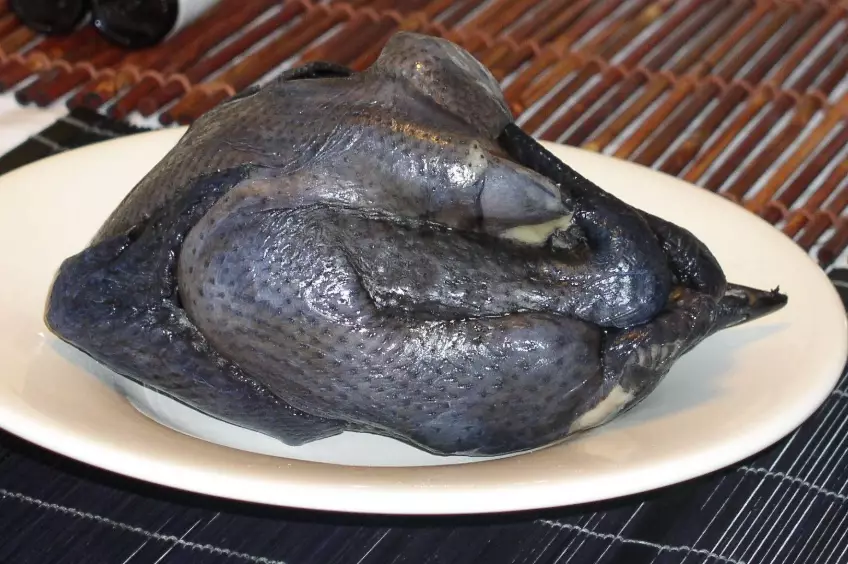
What Exactly Are We Talking About? The Breeds Behind Dark Chicken
Not all dark chickens are the same. Calling them all "black chicken" is like calling all dogs "poodle." There are key differences in appearance, flavor, and what they're best used for.
The Superstar: Silkie Chicken
This is the one you've most likely seen pictures of. Silkie chickens are the poster child for dark chicken. They're small, with fluffy, hair-like feathers that feel like silk (again, the name makes sense), black skin, black bones, and dark blue earlobes. They look more like adorable pom-poms than birds. Their meat is greyish-black when raw and turns a dark, gunmetal grey when cooked. The texture is often described as tender and slightly gamey, but in a good way—more like pheasant than standard chicken.
Silkies are ancient. We're talking Marco Polo writing about them in the 13th century ancient. They've been prized in Chinese medicine and cuisine for centuries for their purported restorative properties. You'll mostly find them used in soups, stews, and broths where their unique flavor and texture can shine. Finding a whole Silkie is your best bet for an authentic experience.
The Other Players: Ayam Cemani and Kadaknath
If Silkie is the quirky indie star, Ayam Cemani is the goth rockstar. This Indonesian breed is completely black—feathers, beak, tongue, comb, meat, bones, and organs. It's due to an extreme form of fibromelanosis. They're stunning and incredibly rare outside of Southeast Asia, which makes them prohibitively expensive (we're talking hundreds or even thousands of dollars for a single bird). The meat is said to be very lean and firm.
Kadaknath, native to India, is another all-black breed. It's a bit more common in its region than Ayam Cemani is globally. It's highly valued in India for its taste and is also surrounded by beliefs about its health benefits. The meat is dark, firm, and has a distinct, stronger flavor compared to commercial chicken.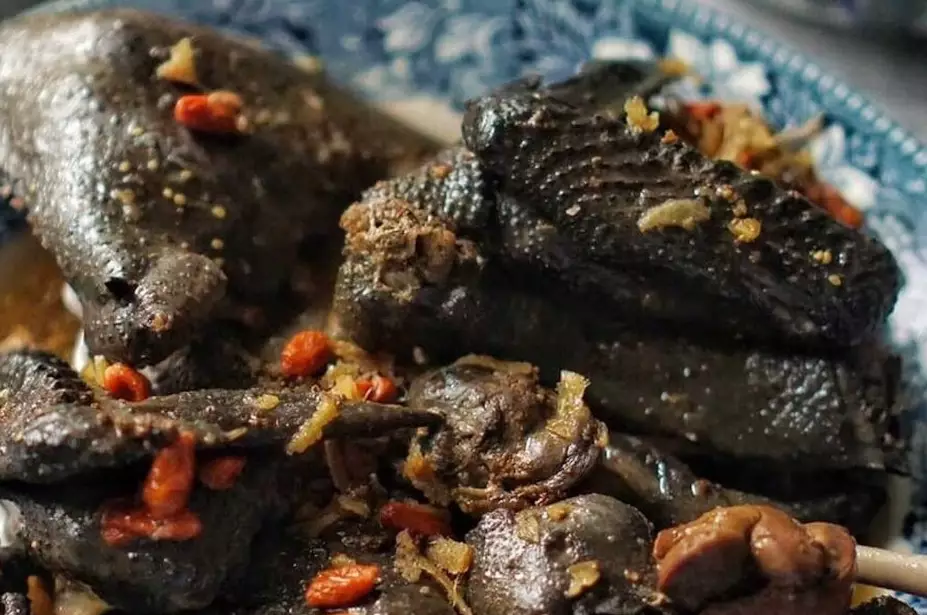
For most of us, Silkie is the practical, accessible entry point into the world of dark chicken. The others are fascinating but more like culinary curiosities for most home cooks.
Why All the Fuss? The Nutrition and Purported Benefits of Dark Chicken
This is where things get interesting, and where a lot of the claims live. It's crucial to separate traditional belief from what modern science can verify.
The traditional view, especially in Traditional Chinese Medicine (TCM), is that dark chicken, particularly in soup form, is a "warming" food. It's believed to nourish the blood, boost energy (Qi), support the immune system, and aid recovery from illness or childbirth. It's a classic food-as-medicine ingredient.
From a nutritional science perspective, what do we actually know? Studies have compared the nutritional profile of dark chicken breeds like Silkie and Kadaknath to regular broiler chickens. The data suggests some consistent differences. A good resource for general poultry nutrition data is the USDA FoodData Central, which provides a baseline for comparison.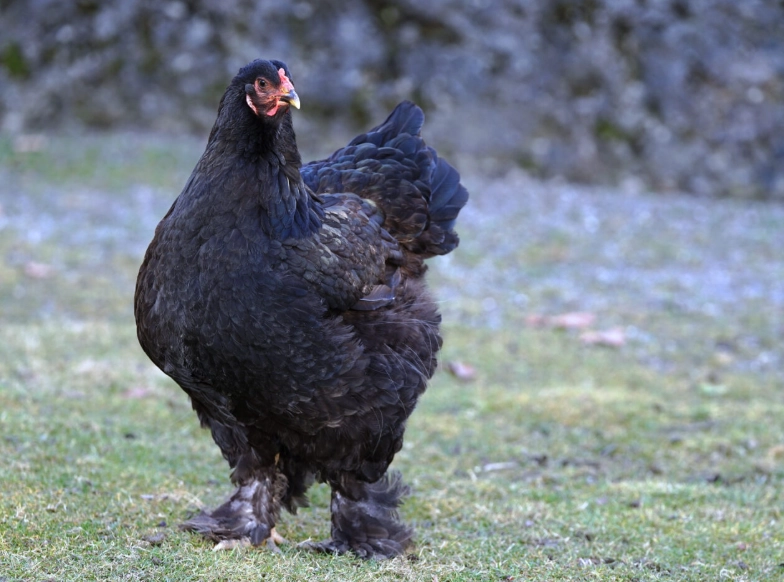
| Nutrient Component | Typical Dark Chicken (e.g., Silkie) * | Regular Broiler Chicken * | What This Might Mean |
|---|---|---|---|
| Protein | Generally similar or slightly higher | High | Both are excellent lean protein sources. |
| Fat | Often lower overall fat content | Varies by cut | Dark chicken can be a leaner option, especially in breast meat. |
| Carnosine & Anserine | Reported to be significantly higher | Present | These are antioxidants found in muscle. Some research, like studies indexed by the National Institutes of Health (NIH), suggests they may have anti-aging and anti-fatigue properties. |
| Iron & Zinc | Tends to be higher | Good source | The darker meat and organs may contain more of these essential minerals. |
| Collagen & Gelatin | Much higher when cooked bone-in | Present in bones/skin | This is the big one for texture and traditional benefits. Long, slow cooking extracts these, leading to a richer, thicker broth believed to support joint and skin health. |
* Note: Values are generalized from comparative studies and can vary based on diet, age of bird, and specific breed.
So, is it a superfood?
That word gets thrown around too much. But based on the composition, dark chicken does appear to be a nutritionally dense variant of an already healthy food. The higher antioxidant (carnosine) and collagen content are the most compelling, science-backed differentiators. Does drinking Silkie chicken soup cure a cold? No. Could a nutrient-rich, hydrating, warm broth made from it make you feel better and support your body while you're sick? Absolutely, and it might do so more effectively than a broth from a standard chicken due to its composition.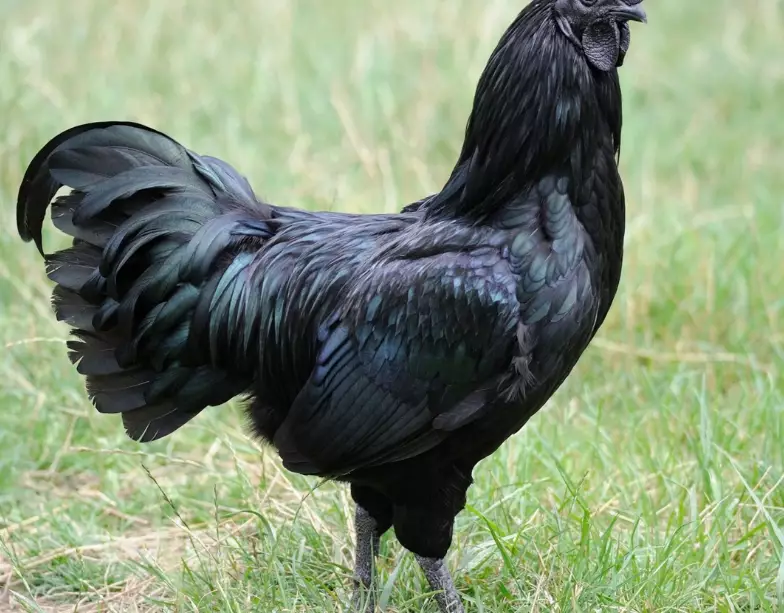
From Scary-Looking Bird to Delicious Dinner: How to Cook Dark Chicken
Okay, you've bought one. It's in your fridge, looking mysterious. Now what? The key thing to remember is that dark chicken, especially older birds used for soup, is often tougher and leaner than the corn-fed broilers we're used to. They weren't bred to have giant breasts; they were bred for flavor and stamina. This means your cooking methods need to adjust.
The Golden Rule: Low and Slow, Preferably with Moisture
High-heat grilling or quick pan-searing a whole dark chicken is a recipe for disappointment—tough, dry meat. These birds excel in braises, stews, and, most classically, soups. The long, gentle cooking breaks down the connective tissue, tenderizes the lean meat, and extracts all that wonderful collagen and gelatin into the broth, creating something truly special.
Top Methods for Cooking Dark Chicken
- The Masterstock Poach or Simmer: This is a classic Chinese technique. You simmer the whole bird in a pot of water or a lightly seasoned broth (maybe with some ginger, scallions, and goji berries) for 1.5 to 3 hours, depending on size. The goal is fork-tender meat and a deeply flavored, aromatic broth. You can eat the soup as-is or use the meat in salads or rice dishes.
- The Western-Style Braise: Treat it like a stewing hen. Brown the pieces, then cook them submerged in wine, stock, or tomatoes with vegetables in a low oven (300°F / 150°C) for 2-3 hours. The meat will fall off the bone.
- Using the Meat: Once cooked, the meat itself is delicious but has a different texture. It's more shreddy than chunky. It's fantastic in chicken salads, pot pies, tacos, or stirred back into the soup just before serving.
Can't-Fail Simple Ginger Dark Chicken Soup
- Rinse a whole Silkie (giblets removed). Place it in a large pot.
- Cover with cold water by about 2 inches. Add a 3-inch knob of smashed ginger and 2 whole scallions (knotted).
- Bring to a boil, then immediately reduce to the gentlest possible simmer. Skim off any foam that rises in the first 10 minutes.
- Cover and simmer for at least 2 hours. The meat should be very tender.
- Remove the chicken, let it cool slightly, then shred the meat. Discard skin and bones (or save bones for a second simmer!).
- Season the broth with salt to taste. Add the shredded meat back in or serve it separately over rice with the broth poured over.
Buying Guide: Where to Find Dark Chicken and What to Look For
You won't find this next to the Perdue packs at most mainstream supermarkets. Here's where to look:
- Asian Grocery Stores: This is your best bet, especially Chinese, Vietnamese, or Korean markets. They often sell whole frozen Silkie chickens. Sometimes you can find them fresh in the poultry section.
- Specialty Butchers or High-End Grocers: Butchers that source unusual products may be able to order one for you. Places like Whole Foods might carry them occasionally in regions with high demand.
- Online Meat Purveyors: Several farms now sell directly online. Shipping is expensive, but it's an option if you have no local sources.
- Farmers' Markets: If you have a farmer who raises heritage breeds, ask! They might raise Silkies or similar birds.
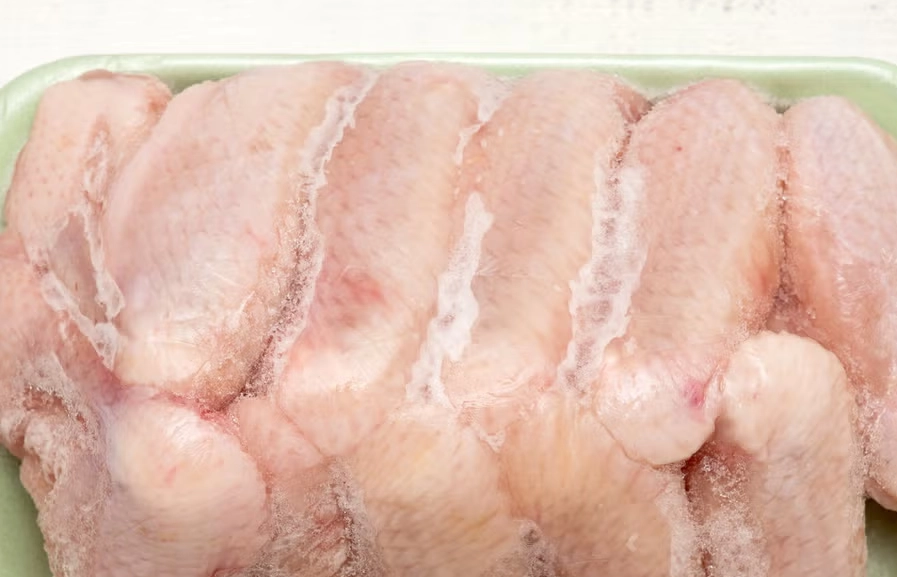
What should you look for? If buying frozen, make sure the packaging is intact with no freezer burn. If buying fresh, the bird should smell clean and fresh, not gamey or off. The skin should be uniformly black (for Silkie). Don't be alarmed by the black bones if you're looking at cut parts.
Your Dark Chicken Questions, Answered (No Nonsense)
The Final Verdict on Dark Chicken
So, is exploring the world of dark chicken worth it?
If you're a curious cook who loves exploring ingredients with deep cultural history and unique culinary properties, then absolutely. It's a fantastic experience. The process of slowly transforming this unusual-looking bird into a profoundly flavorful and nourishing pot of soup is incredibly satisfying.
If you're just looking for a quick weeknight chicken dinner, stick with your usual cutlets. Dark chicken demands a bit more time and respect.
My take?
It's not an everyday chicken. It's a special occasion, feel-like-making-something-truly-healing, curiosity-satisfying kind of ingredient. The hype around dark chicken has some solid nutritional roots, particularly regarding collagen and antioxidants, even if some traditional claims are hard to quantify. The flavor and texture are legitimately different and, in the right dish, superior.
Start with a simple soup. Get a feel for it. You might just find, like I did, that this dark, ancient bird earns a permanent spot in your culinary repertoire for when you want something more than just dinner.
Related Articles