Chicken Thigh Protein: Why It’s the Superior Choice for Flavor and Nutrition
Let's talk about chicken thigh protein. If you're like I was a decade ago, you probably think of chicken breast as the "good" protein and dark meat as the "sometimes" treat. I spent years choking down dry breast meat, convinced it was the only path to fitness. What a waste of good meals. The truth is, chicken thigh protein isn't just an alternative—it's often a superior choice for anyone who cares about taste, nutrition, and not wanting to dread their healthy meals.
What You’ll Discover in This Guide
Why Chicken Thigh Protein is a Nutritional Powerhouse
It's time to move past the simplistic "more fat, less good" narrative. According to data from the USDA FoodData Central, a 3.5-ounce (100g) serving of cooked, skinless chicken thigh provides about 26 grams of protein. That's nearly identical to the 31 grams in the same amount of chicken breast. The difference in protein content is minimal, but the nutritional profile diverges in fascinating ways.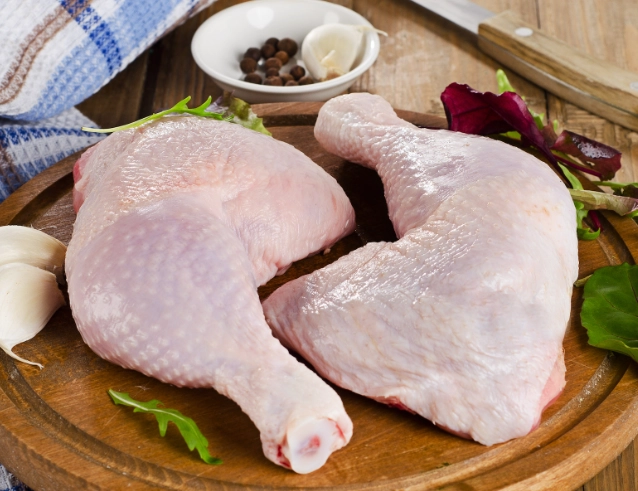
The fat in chicken thighs is where the magic (and the misconceptions) happen. Yes, it has more fat—about 10 grams per serving compared to breast's 3.6 grams. But this isn't just empty calories. This intramuscular fat is what carries flavor and, crucially, fat-soluble vitamins.
Here’s what most generic articles miss: The slightly higher fat content in chicken thigh protein isn't a bug; it's a feature for satiety. That fat slows digestion, helping you feel full and satisfied longer after a meal. This can be a game-changer for weight management, preventing the 3 PM snack attack that derails diets.
Let's look at the micronutrients. Dark meat is significantly richer in iron and zinc—minerals essential for energy metabolism and immune function. It also contains more B vitamins, particularly B12 and riboflavin. If you're active or just trying to feel more energetic, these nutrients matter.
The Amino Acid Profile: Complete and Bioavailable
Chicken thigh protein, like all animal proteins, is a complete protein. It contains all nine essential amino acids your body can't make on its own. The bioavailability—how easily your body can use it—is exceptionally high. This makes it a fantastic building block for muscle repair, enzyme production, and overall cellular health.
I remember a client who switched from bland breast meals to incorporating thighs. Her feedback wasn't just about taste. She said, "I don't feel ravenous two hours later anymore." That's the practical impact of a better nutritional matrix.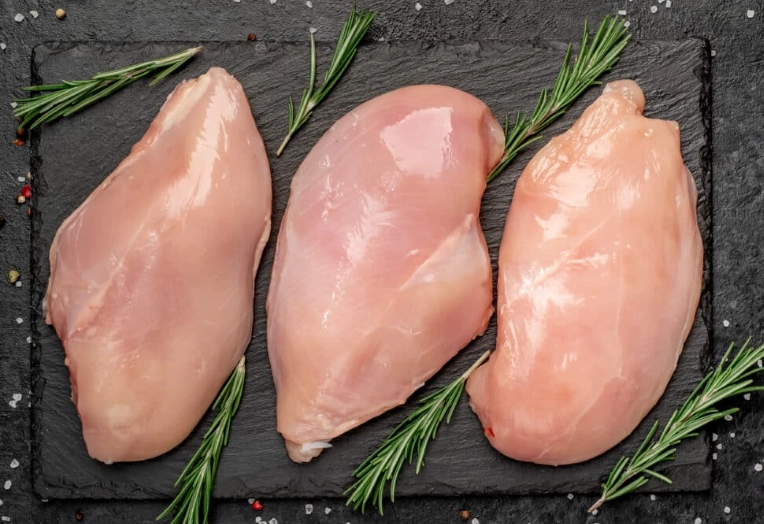
How to Cook Chicken Thighs for Maximum Protein Retention
Cooking method is everything. You can have the best-quality chicken thigh protein and ruin it with high-heat panic. The number one mistake home cooks make? Cooking thighs like breasts—fast and hot. Thighs have more connective tissue (collagen), which needs time and gentle heat to break down into succulent gelatin, not tighten into rubber.
The Golden Rule: Low and Slow, or High Heat with Caution.
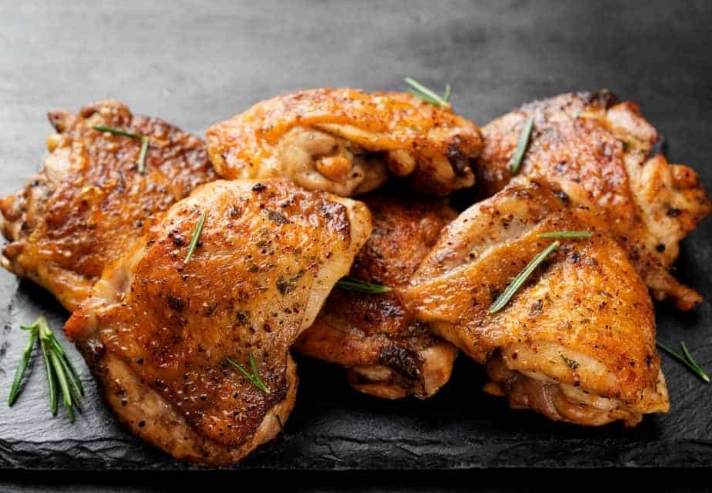
- Baking/Roasting: This is the most forgiving method. Place bone-in, skin-on thighs on a rack at 375°F (190°C) for 40-50 minutes. The bone conducts heat evenly, and the skin protects the meat from drying out. The protein stays incredibly juicy.
- Braising/Stewing: The ultimate "set it and forget it" method for protein perfection. Submerge thighs in broth, tomatoes, or a sauce, cover, and simmer gently on the stovetop or in a low oven (300°F / 150°C) for at least 1.5 hours. The collagen melts, enriching the sauce and creating fall-off-the-bone meat packed with protein.
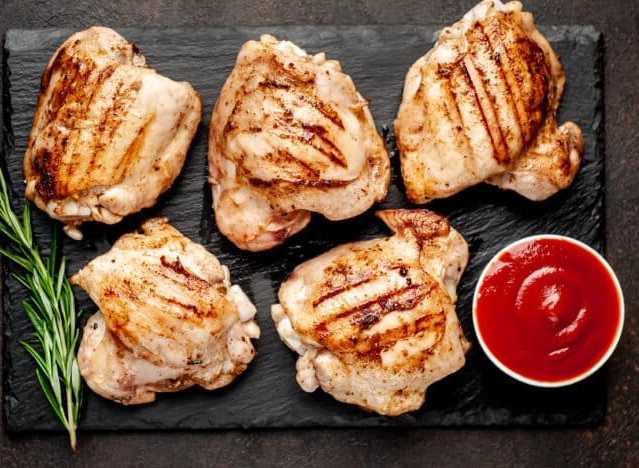
- Grilling or Pan-Searing: You can use high heat, but with a two-zone approach. Sear skin-side down to render fat and get crispiness, then move to a cooler part of the grill or reduce the stove heat to finish cooking through gently. Always use a meat thermometer. Target 165°F (74°C) internally, but pull them at 160°F (71°C)—they'll carry over to the safe temperature while resting.
Resting the meat for 5-10 minutes after cooking is non-negotiable. It allows the protein fibers to reabsorb the juices. Cut into it immediately, and all those precious, nutrient-rich juices end up on your cutting board.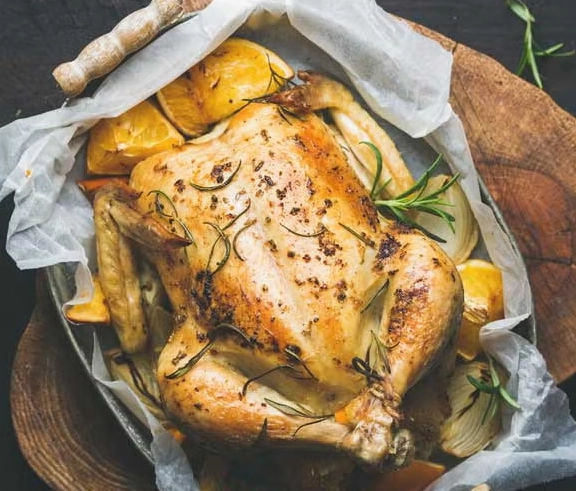
Chicken Thigh vs. Breast: A Protein Showdown
Let's settle this. It's not about one being "better." It's about choosing the right tool for the job based on your goals and your palate.
The Case for Chicken Thigh Protein:
- Flavor and Moisture: Hands-down winner. The fat content guarantees a more enjoyable eating experience, which leads to long-term dietary adherence. You're more likely to stick with healthy eating if you actually like the food.
- Forgiveness in Cooking: Thighs are nearly impossible to overcook. Breasts have a 60-second window between perfect and sawdust. For busy weeknights, thighs reduce stress.
- Cost-Effectiveness: Thighs are almost always cheaper per pound. You're getting comparable protein for less money—a huge win for budget-conscious healthy eaters.
- Nutrient Density: As discussed, more iron, zinc, and B vitamins.
The Case for Chicken Breast:
- Macro Precision: If you are a competitive bodybuilder dialing in exact macros for a show, the lower and more predictable fat content of breast makes calculations easier.
- Leaner Option: For a very specific, low-fat, high-protein meal, breast is the choice. But ask yourself: is that dietary extreme necessary or sustainable for you?
My take? For 95% of people seeking general health, fitness, and weight management, chicken thigh protein offers a better balance of satisfaction, nutrition, and practicality. The minor fat increase is trivial in the context of a balanced diet and is offset by massive gains in meal enjoyment.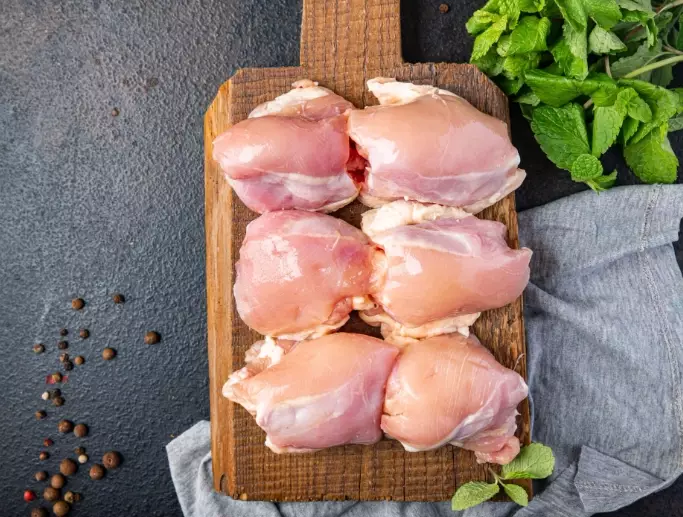
Buying and Storing Chicken Thighs for Optimal Quality
Not all chicken thighs are created equal. Here’s how to shop like a pro:
1. Look at the Color and Texture: Fresh, high-quality thighs should have a pinkish hue (not gray) and appear moist but not slimy. The fat should look creamy, not yellowed.
2. Bone-In vs. Boneless: I almost always recommend bone-in, skin-on for cooking. The bone adds flavor and promotes even cooking. The skin protects the meat and can be removed after cooking if you want to reduce fat. Boneless, skinless thighs are a convenient time-saver for quick stir-fries or kebabs, but they dry out faster.
3. Read the Labels Carefully:
"Natural" means nothing. Look for:
Air-Chilled: This process uses air instead of water, meaning the chicken absorbs less water. You're paying for meat, not added water weight, and it often results in better texture and flavor.
No Antibiotics Ever / Raised Without Antibiotics: A meaningful certification for animal welfare and potential personal health.
Organic: Governed by USDA standards (organic feed, no antibiotics, outdoor access). This is a premium choice.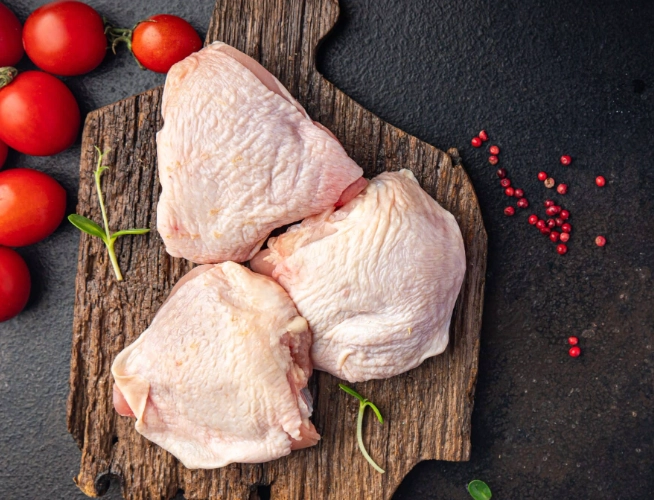
4. Storage for Freshness: Store thighs in the coldest part of your fridge (usually the back bottom shelf) and use them within 1-2 days of purchase. For longer storage, freeze them immediately. Portion them into meal-sized bags, press out the air, and label them. They'll keep for up to 9 months for best quality.
Thaw frozen thighs safely in the fridge overnight, never on the counter. A quick-thaw method is to submerge the sealed bag in cold water, changing the water every 30 minutes.
Your Chicken Thigh Protein Questions Answered
Related Articles