The Ultimate Guide to Deep Frying Chicken: Crispy, Juicy & Safe
Let's be honest. The thought of deep frying chicken can be intimidating. Hot oil, potential splatters, the fear of ending up with a greasy, soggy mess or worse, undercooked chicken. I've been there. My first attempt years ago resulted in a smoke-filled kitchen and chicken that was burnt on the outside, raw near the bone. But after countless batches—some glorious, some learning experiences—I've nailed down a system that works every single time. Forget the guesswork. This guide will walk you through how to deep fry chicken that's shatteringly crisp on the outside and incredibly juicy inside, safely and confidently in your own kitchen.
What You'll Find in This Guide
Choosing Your Chicken: Bone-In vs. Boneless
This is your first big decision, and it changes the game. Most people just grab a pack of breasts or thighs without thinking. Here's what you need to know.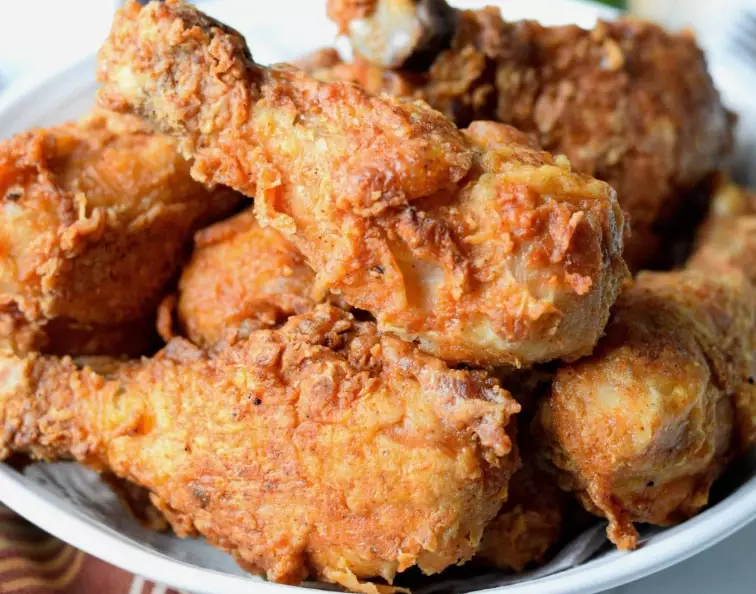
Bone-in, skin-on pieces (like thighs, drumsticks, wings) are the classic choice for a reason. The bone acts as a heat conductor, cooking the meat from the inside more evenly and preventing it from drying out. The skin renders and becomes that iconic crispy layer. It's more forgiving for beginners because the margin for error is bigger. A drumstick can handle a slightly longer fry time without becoming tough.
Boneless, skinless pieces (like breast strips or thigh chunks) cook faster and are easier to eat. The trade-off? They have zero natural protection against drying out. You have to be much more precise with timing and rely heavily on your brine or marinade to lock in moisture. They're great for sandwiches or salads, but they demand more attention.
My go-to? A mix. I love bone-in thighs for their juiciness and flavor, and I'll throw in some wings for good measure. If you're feeding a crowd, this mix keeps everyone happy.
The Flavor Foundation: To Brine or to Marinade?
This is where you build flavor from the inside out. A lot of recipes just tell you to season the flour. That's not enough.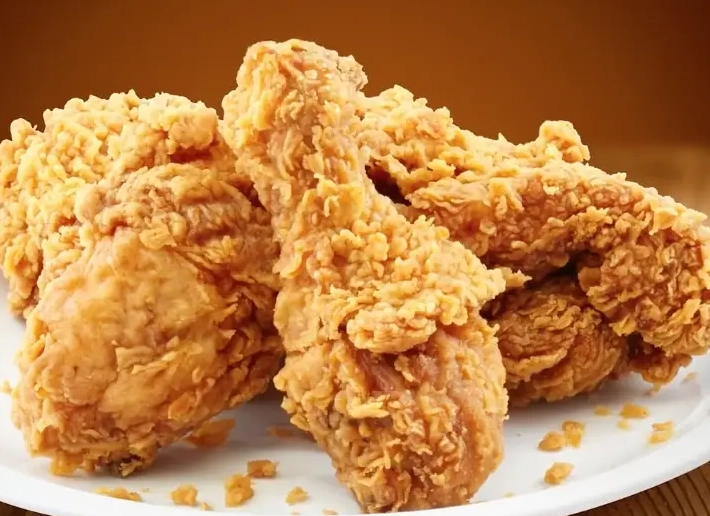
The Wet Brine (My Personal Favorite)
A simple saltwater brine (1/4 cup kosher salt dissolved in 4 cups of cold water) works wonders. Soak your chicken pieces for 2-4 hours (no longer, or the texture can get mushy). The salt seasons the meat deeply and helps it retain moisture during the high-heat frying process. It's a guarantee against dry chicken. You can add herbs, garlic, or a splash of hot sauce to the brine for extra flavor.
The Buttermilk Marinade
Buttermilk's acidity tenderizes the chicken while its thickness helps the coating adhere better. A classic combo is buttermilk with salt, pepper, and a dash of paprika or cayenne. Marinate for at least 2 hours, or ideally overnight. The lactic acid breaks down proteins gently, resulting in incredibly tender meat.
Can't decide? You can even do a hybrid: a quick brine followed by a buttermilk soak. It's overkill for a Tuesday, but for a special Sunday dinner, it's magic.
Coating Secrets for Ultimate Crispness
The coating is your armor and your texture. The internet is full of "secret" ingredients, but let's focus on what actually works.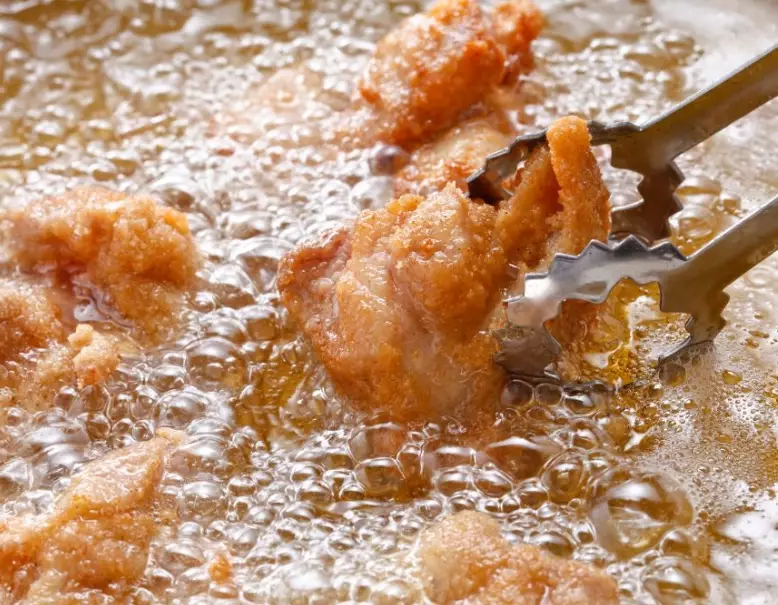
The Double-Dip Method: This is non-negotiable for thick, craggy, crunchy crust. After marinating, let excess buttermilk drip off. Dredge the piece thoroughly in your seasoned flour. Then, dip it back into the buttermilk, let the excess drip again, and dredge in flour a second time. Press the flour on gently to create little clumps and nooks. Those clumps will fry up into the best crispy bits.
Seasoning the Flour: Your flour mix needs personality. A basic powerhouse blend includes:
- All-purpose flour (the base)
- Salt and black pepper (generously)
- Paprika (for color and sweetness)
- Garlic powder and onion powder (umami depth)
- A pinch of cayenne (for a subtle kick, optional)
Some people add cornstarch (about 25% of the flour volume) for extra crispness. It works. Baking powder is another trick—just a teaspoon or two—as it creates tiny bubbles in the crust. But honestly? A well-executed double-dip with properly seasoned flour is all you need.
Mastering Oil & Temperature: The Non-Negotiables
This is where most people fail. They guess the temperature, and everything goes downhill.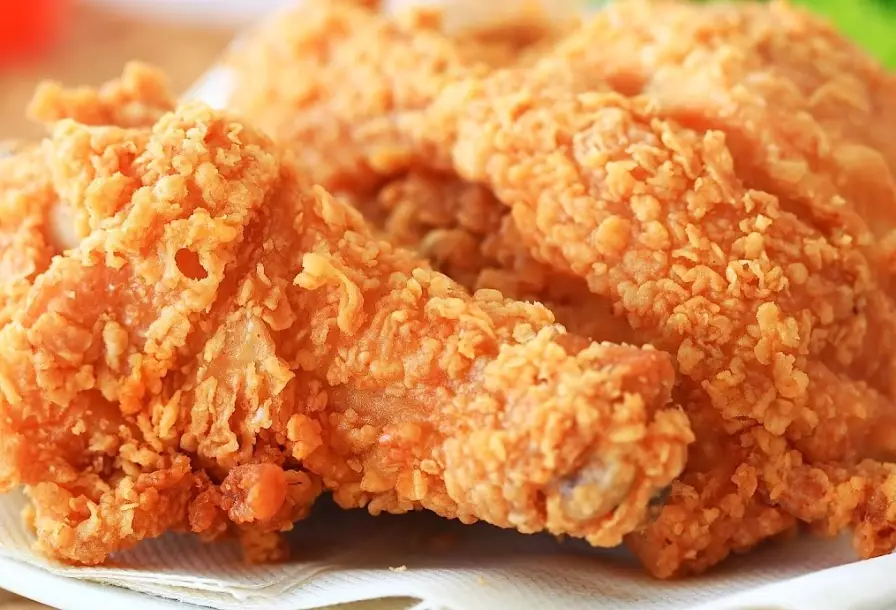
Choosing Your Oil
You need an oil with a high smoke point—meaning it can get very hot without burning and smoking. Forget olive oil for deep frying.
| Oil | Smoke Point | Best For | Notes |
|---|---|---|---|
| Peanut Oil | 450°F / 230°C | All-purpose, classic choice | Neutral flavor, great for reuse. Can be allergenic. |
| Vegetable/Canola Oil | 400-450°F / 205-230°C | Budget-friendly, widely available | Neutral taste. A reliable workhorse. |
| Avocado Oil | 520°F / 270°C | High-heat purists | Very high smoke point, but expensive. |
| Sunflower Oil | 440°F / 225°C | Light flavor | Another good neutral option. |
I use peanut oil for special occasions and plain vegetable oil for weekly cooking. Fill your pot or Dutch oven no more than halfway with oil. You need enough to submerge the chicken, but not so much that it bubbles over when you add the pieces.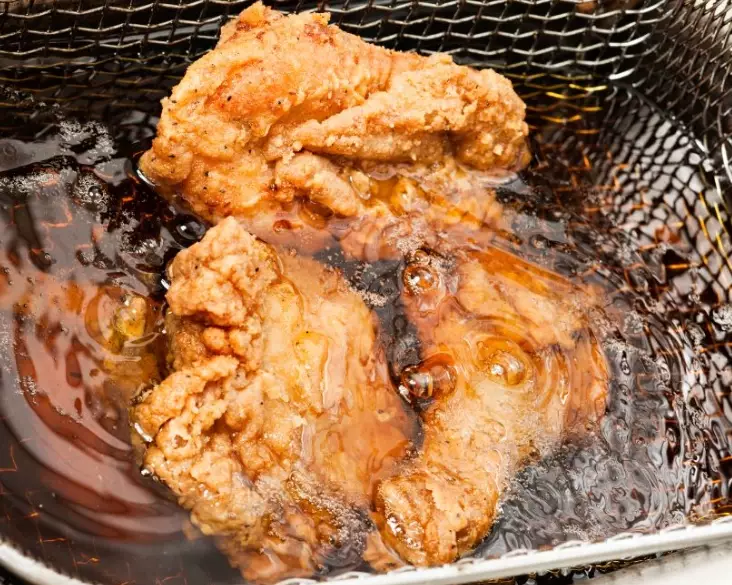
The Golden Temperature Rule
Invest in a deep-fry or candy thermometer. It's $15 and the most important tool for frying. Your target temperature is 350°F (175°C).
Why? Too low (below 325°F): The chicken will absorb oil like a sponge, becoming greasy. Too high (above 375°F): The outside will burn before the inside cooks through.
The temperature will drop when you add the chicken. That's normal. Aim to keep it between 325°F and 350°F throughout frying. Adjust your burner as needed. Don't crowd the pot—fry in batches. Crowding causes the temperature to plummet and makes the chicken steam instead of fry.
The Step-by-Step Frying Process
Let's put it all together. Assume your chicken is brined/marinated and your coating station is set up.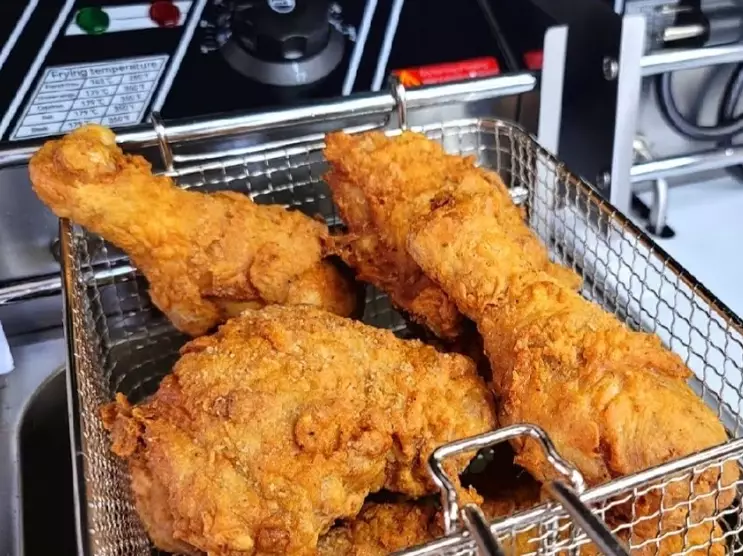
1. Heat the oil in a heavy-bottomed pot or Dutch oven to 350°F. Use your thermometer. 2. While the oil heats, coat your chicken using the double-dip method. Let them rest on a rack for 5-10 minutes while the oil comes to temp. This helps the coating set and adhere. 3. Fry in batches. Gently lower pieces into the oil away from you. I use tongs or a spider strainer. 4. Monitor the temperature. Don't let it stray too far from 350°F. 5. Fry until golden brown and cooked through. Timing varies:
- Wings: 10-12 minutes
- Drumsticks: 12-14 minutes
- Thighs: 14-16 minutes
- Boneless strips: 5-7 minutes
The only way to be sure is to use a meat thermometer. The internal temperature should reach 165°F (74°C) for white meat and 175°F (80°C) for dark meat (thighs, legs) for optimal tenderness. 6. Drain properly. Don't just pile fried chicken on a plate lined with paper towels. It steams and the bottom gets soggy. Use a wire rack set over a baking sheet. This allows air to circulate all around, keeping every inch crispy. 7. Let it rest for 5-10 minutes before serving. The heat will finish distributing, and you won't burn your mouth.
Essential Safety Tips You Can't Ignore
I know I mentioned it, but it bears repeating. Deep frying is safe if you're respectful and prepared.
Use a pot that's deep enough to prevent splashes. Dry your chicken thoroughly to minimize violent bubbling. Lower items into the oil slowly. Have a plan for used oil—let it cool completely, then strain it through a coffee filter into its original bottle or a disposable container and throw it away. Don't pour it down the drain.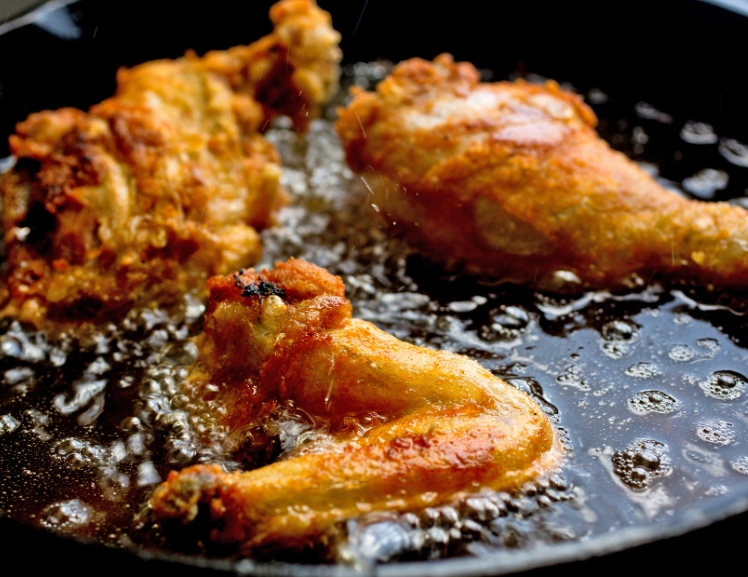
Troubleshooting Common Frying Problems
Even with the best guide, things can happen. Here's your fix-it list.
Problem: The coating is falling off.
Likely Cause: The oil wasn't hot enough, or you didn't let the coated chicken rest before frying. The coating didn't have a chance to hydrate and set.
Fix: Ensure oil is at 350°F. Let coated pieces sit for 5-10 mins before frying.
Problem: The chicken is dark brown but raw inside.
Likely Cause: Oil temperature was too high. The outside burned before heat penetrated.
Fix: Use a thermometer. Next time, finish in a 350°F oven if the outside is done but inside isn't (though this is a last resort).
Problem: The chicken is greasy/oily.
Likely Cause: Oil temperature was too low, or the chicken was crowded in the pot.
Fix: Maintain 350°F. Fry in small batches. Ensure chicken is fully submerged.
Problem: The crust is soft/soggy after resting.
Likely Cause: It was drained on paper towels instead of a rack, or covered while hot.
Fix: Always drain on a wire rack. Never cover fried chicken until it's completely cool.
Your Deep Frying Questions, Answered
Can I reuse the frying oil?
Yes, you can, but with caveats. Let the oil cool completely, then strain it through a fine-mesh sieve lined with a coffee filter or cheesecloth to remove any burnt bits. Store it in a sealed container in a cool, dark place. Reuse it only for frying similar foods (like more chicken) once or twice. Discard it if it becomes dark, foamy, or develops an off smell.
Why does my fried chicken skin get tough instead of crispy?
This often happens when the frying temperature is too low for skin-on chicken. The skin has time to render out all its fat and moisture but doesn't get the intense, quick heat needed to puff and crisp. It just becomes a leathery layer. Crank your heat to hit that steady 350°F mark from the start.
How do I make gluten-free fried chicken just as crispy?
The double-dip method works great here. Substitute all-purpose flour with a 50/50 blend of rice flour and cornstarch for your dredge. The rice flour gives structure, and the cornstarch delivers fantastic crispness. Season the blend aggressively, as gluten-free flours can taste bland.
Is deep frying chicken at home really worth it compared to an air fryer?
They're different beasts. An air fryer is fantastic for a lighter, quicker version with minimal oil and easier cleanup—it's a great weeknight tool. But for that specific, shattering, classic Southern-style crust and the unique juiciness that only full submersion in hot oil provides, traditional deep frying is unbeatable. It's a special-occasion technique that delivers a specific result you can't fully replicate.
My chicken always seems under-seasoned. How do I get more flavor inside?
You're probably just seasoning the flour. You need to season the chicken itself. That's the role of the brine or marinade. Even a simple 2-hour soak in salted buttermilk or brine will drive flavor deep into the meat. Don't skip this step thinking the flour coating will carry all the flavor—it mostly seasons the crust.
The journey to perfect fried chicken is a delicious one. It might take a batch or two to get your rhythm with the thermometer and timing, but once you do, you'll have a foolproof skill that impresses every time. Remember: dry chicken, double-dip, 350°F, don't crowd, drain on a rack. Now go heat that oil.
Related Articles