Chicken Wingette Mastery: From Anatomy to Crispy Perfection
Your Wingette Roadmap
Let's be honest. When you order wings, you're secretly hoping for more of the middle pieces. You know, the ones with that perfect skin-to-meat ratio, the ones that hold sauce like a dream, the ones that crisp up beautifully. That's the chicken wingette. It's not just another piece of chicken; it's the gold standard for a reason. This guide isn't about vague tips. We're going deep into the anatomy, the science of crispiness, and the techniques that separate soggy disappointment from finger-licking perfection. I've spent years testing methods, and I'm here to share what actually works.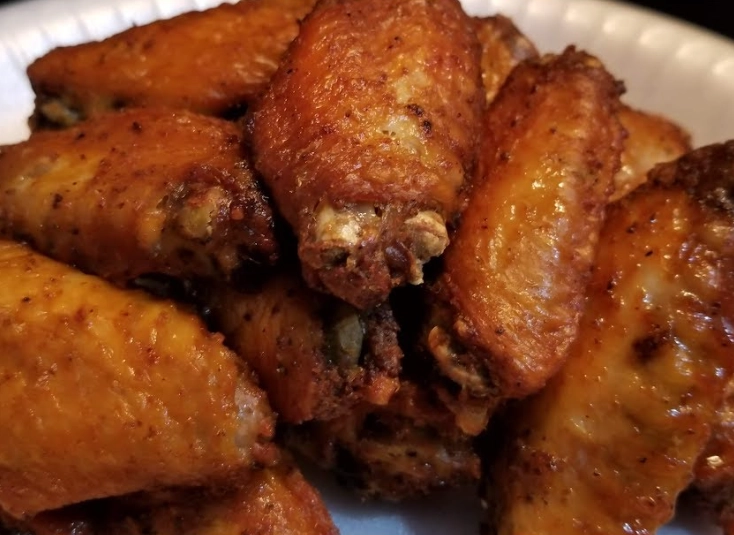
What Exactly Is a Chicken Wingette?
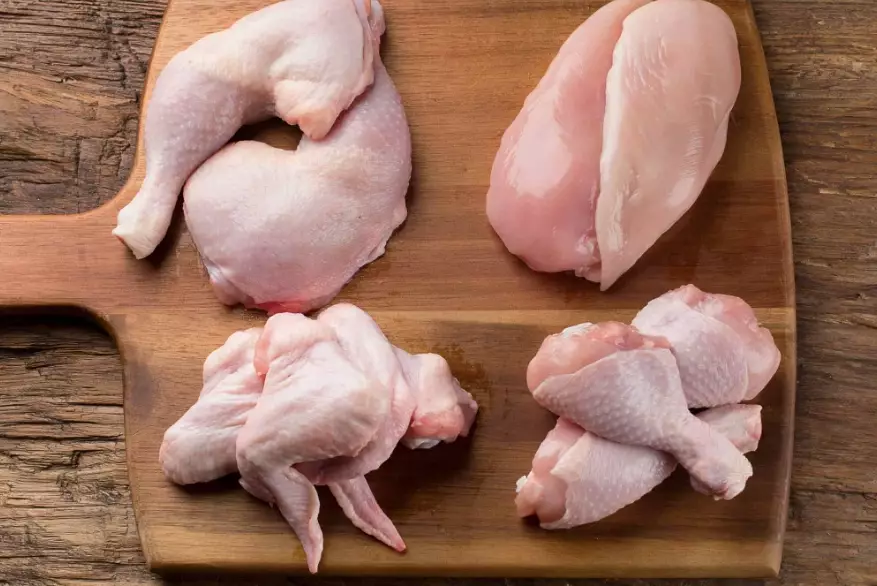
Think of a whole chicken wing. It has three parts. The drumette is the meaty part that looks like a mini drumstick. The tip is, well, the pointy end with mostly skin and bone. Smack in the middle is the wingette. It's also called the "flat" or the "mid-joint." It's got two thin bones running parallel, with a generous pocket of tender, juicy meat in between, all wrapped in a glorious sheath of skin.
Here’s the breakdown that most articles skip:
| Part | Shape | Bones | Why It's Great for Cooking |
|---|---|---|---|
| Wingette (Flat) | Flat, rectangular | Two parallel thin bones | Maximum crispy skin surface area, even cooking, holds sauce perfectly. |
| Drumette | Mini drumstick shape | One main bone | More meat, but skin can be uneven, sometimes cooks slower than the wingette. |
| Tip | Pointy | Small, thin bones | Best for making stock, usually discarded for eating. |
That double-bone structure is the wingette's superpower. It creates a natural cavity that traps marinades and heat, ensuring the meat stays incredibly moist while the skin gets shatteringly crisp. It's also the reason they don't dry out as easily as a breast or even a drumette can.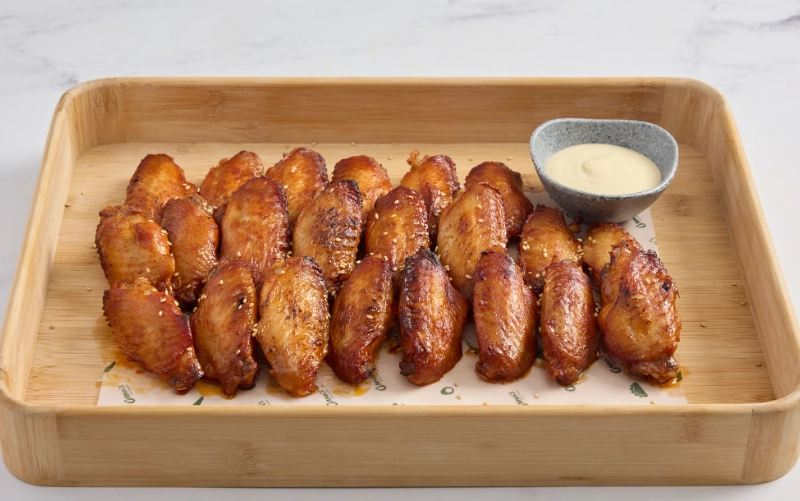
How to Cook Chicken Wingettes to Crispy Perfection
The goal is simple: juicy inside, crispy outside. The path to get there requires nailing a few non-negotiable steps. Forget just tossing them in sauce and hoping for the best.
The Non-Negotiable Pre-Cook Steps
First, pat your wingettes bone-dry with paper towels. Water is the enemy of crispiness. This one step improves your results by about 50%. Second, season aggressively. Salt isn't just for flavor; it helps pull moisture from the skin, setting the stage for crispiness. Do this at least 30 minutes before cooking, or even the night before (uncovered in the fridge).
Now, here's a subtle mistake I see all the time: people only think about flavor in the marinade or sauce. They forget about texture. A tiny bit of baking powder (not soda!) in your dry rub—about 1 teaspoon per pound of wings—raises the skin's pH, helping it brown and crisp like magic. It's a game-changer for oven and air fryer methods.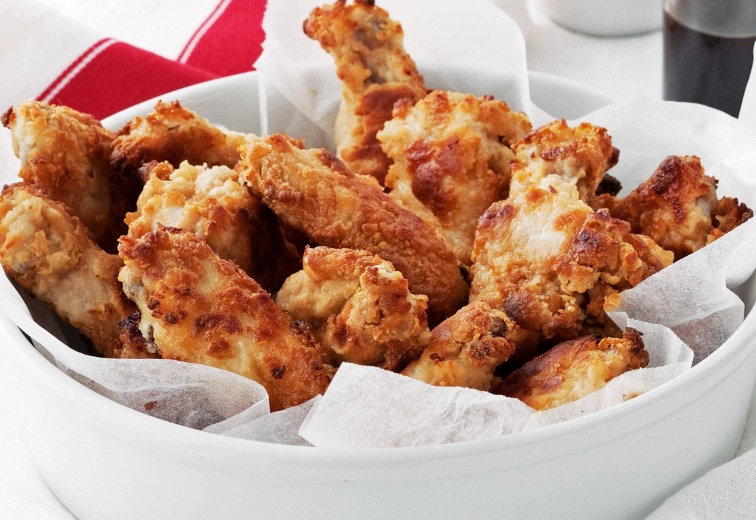
Choosing Your Weapon: Oven, Air Fryer, or Fryer?
Each method has its personality.
Oven-Baking (The Hands-Off Workhorse): Crank your oven to 425°F (220°C). Use a wire rack on a baking sheet. This lets hot air circulate all around the wingette. Bake for 25 minutes, flip, then another 20-25 minutes until deeply golden. The rack is crucial—without it, they steam in their own fat.
Air Frying (The Speed Demon): This is where wingettes shine. Preheat your air fryer to 380°F (190°C). Cook in a single layer for 12 minutes, flip, then another 10-12 minutes. They get insanely crispy with less oil. But don't overcrowd the basket. You want that air to move.
Deep Frying (The Classic Dive-Bar Method): Heat oil (peanut or vegetable) to 375°F (190°C). Fry in batches for 8-10 minutes until golden. Let them drain on a rack, not paper towels, so they stay crisp. The first time I tried this, my oil wasn't hot enough. I ended up with greasy, pale wings. A thermometer is your best friend here.
The universal rule? Sauce them after they're fully cooked and crisp. Toss them in a bowl with your sauce right before serving. If you sauce them and then cook or keep them warm, you'll get soggy skin. Every single time.
3 Can't-Miss Chicken Wingette Recipes
Let's apply the principles. These recipes assume your wingettes are already patted dry and seasoned with salt.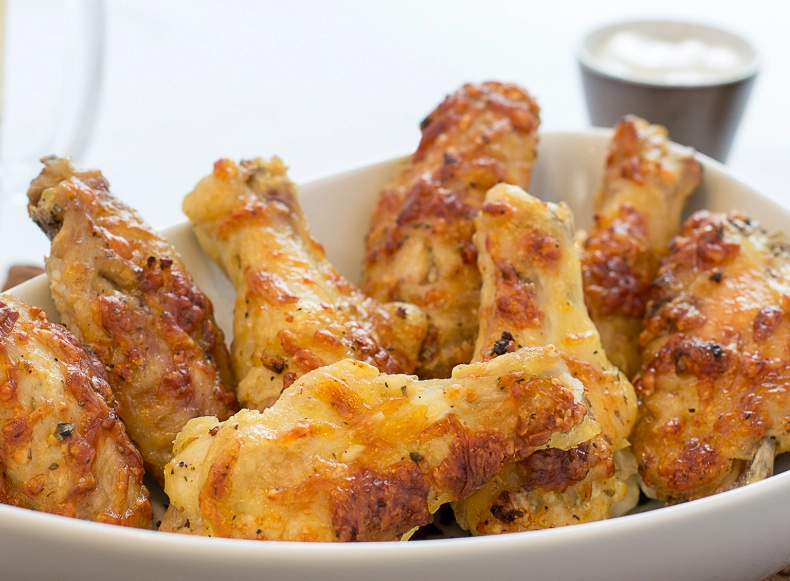
1. The Classic Buffalo
This is about purity. Cook your wingettes using any method above until perfect. For the sauce, melt 1/2 cup of unsalted butter with 3/4 cup of a good cayenne pepper hot sauce (like Frank's RedHot). Whisk together. That's it. No garlic, no extra spices. The beauty is in the balance of rich butter and sharp heat. Toss the crispy wings in the sauce and serve with celery and blue cheese. It's a flavor that never gets old.
2. Sticky Honey-Garlic-Ginger
An Asian-inspired twist that caramelizes beautifully. In a saucepan, combine 1/3 cup honey, 1/4 cup soy sauce, 3 minced garlic cloves, 1 tablespoon grated fresh ginger, and 1 tablespoon rice vinegar. Simmer for 5 minutes until slightly thickened. Toss with your cooked wingettes. The sauce is sweet, salty, and pungent all at once. Sprinkle with sesame seeds and sliced green onions.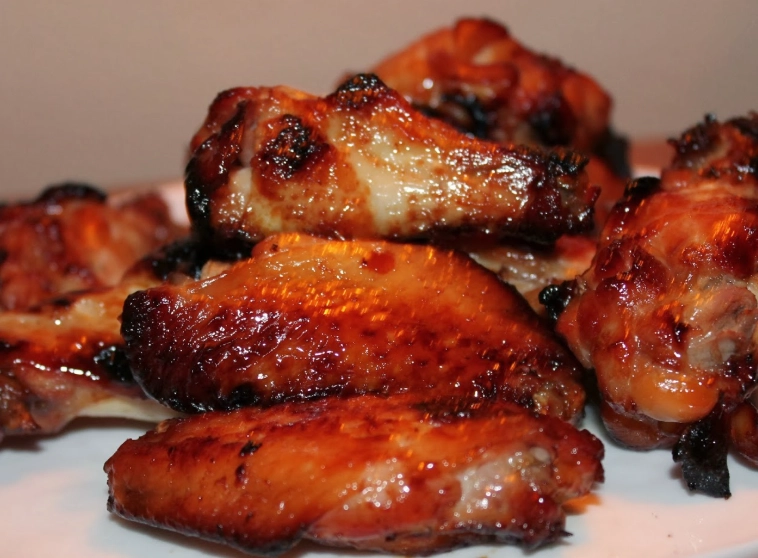
3. The Ultimate Dry-Rubbed BBQ
Sometimes you want crunch, not sauce. Mix 2 tablespoons brown sugar, 1 tablespoon paprika, 1 teaspoon garlic powder, 1 teaspoon onion powder, 1/2 teaspoon cumin, and that secret 1 teaspoon of baking powder. Coat your dried wingettes in this mix and a drizzle of oil before air frying or baking. The rub forms a dark, sweet, and savory crust that's impossible to stop eating. It's my go-to for game day.
Buying and Prepping Wingettes Like a Pro
You can find them in most grocery stores now. Look for packages labeled "party wings" or "wingettes/flats." Sometimes they're sold with drumettes as "whole wings, split."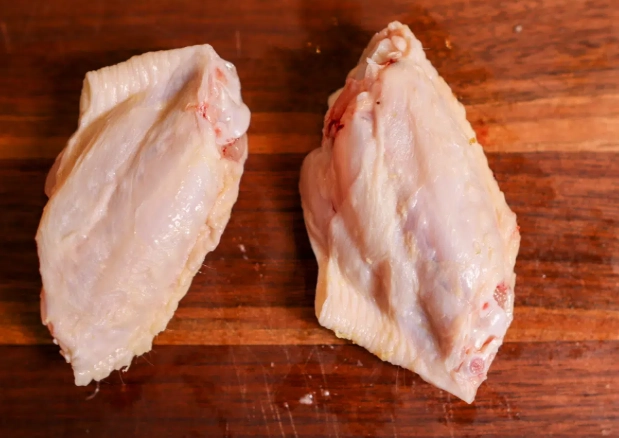
What to look for: Plump, pinkish flesh with white (not yellow) skin. Avoid any that look slimy or have an off smell. A good pack should have 12-16 wingettes per pound.
If you're starting with whole wings, you'll need to separate them. It's easy. Find the joints (where the bones meet), and cut through with a sharp knife or kitchen shears. Discard the tips or save them for stock. I find shears faster and safer than a knife.
Once separated, that drying and seasoning step is your most important prep. Don't rush it. An hour in the fridge on a rack after salting makes a world of difference.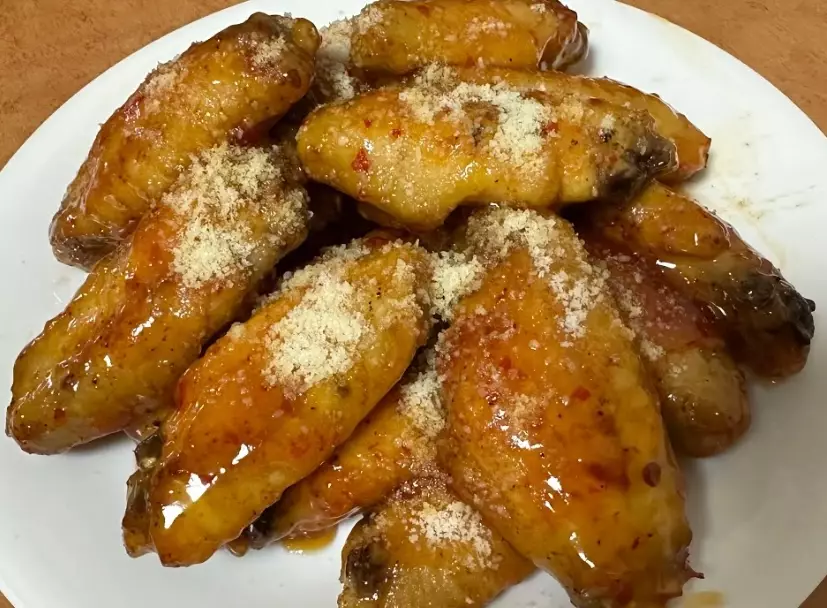
Common Wingette Cooking Mistakes (And How to Avoid Them)
- Not Drying Them: Wet skin = steamed skin. Always pat dry.
- Underseasoning: Season under the skin if you can, or at least be generous. The interior meat needs flavor too.
- Saucing Too Early: Sauce at the very end. Serve immediately.
- Crowding the Pan/Basket: This creates steam. Cook in batches for perfect crispness. It's worth the extra time.
- Not Using a Thermometer (for frying): Guessing the oil temperature leads to greasy wings. A $10 instant-read thermometer is a essential tool.
Your Wingette Questions, Answered
Related Articles