Perfectly Baked Whole Chicken: A Foolproof Guide to Juicy Results
Let's be honest. The idea of baking a whole chicken sounds simple, but the reality often falls short. You follow a recipe, wait an hour, and end up with a bird that's dry in the breast, undercooked near the bone, and skin that's either pale or burnt. I've been there. I've served my fair share of disappointing chickens. But after years of trial, error, and talking to butchers, I've cracked the code. Baking a perfect whole chicken isn't about fancy techniques; it's about understanding a few non-negotiable principles that most recipes gloss over.
This guide ditches the fluff and gets straight to the actionable details that guarantee a juicy, flavorful result every single time. We're going beyond "season and bake."
What's Inside This Guide?
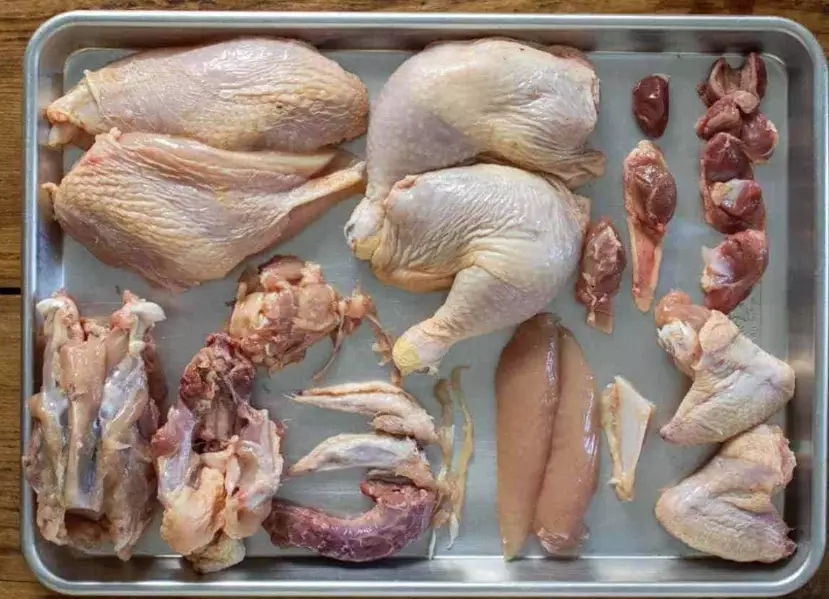
Choosing Your Chicken: The First Make-or-Break Step
Walk into any grocery store and you're bombarded with choices. This decision matters more than you think.
Size is your first control knob. A 3.5 to 4.5 pound bird is the sweet spot. Smaller chickens (under 3 lbs) cook too fast and dry out easily. Larger ones (over 5 lbs) risk uneven cooking—the legs are done while the breast turns to sawdust. Stick to the middle.
Now, let's talk labels. It's confusing.
My take: For a standard baked whole chicken, don't get hung up on paying triple for organic air-chilled if you're on a budget. A regular air-chilled chicken is the best value upgrade. The air-chilling process (used by brands like Bell & Evans or Smart Chicken) results in less water retention, which means crispier skin and more concentrated flavor. Water-chilled birds (most standard brands) are injected with water and salt during processing. You're paying for water weight, and it steams the skin instead of roasting it.
I made this mistake for years. I'd buy the cheapest chicken, pat it endlessly, and wonder why the skin never got crisp. Switching to an air-chilled bird was a revelation.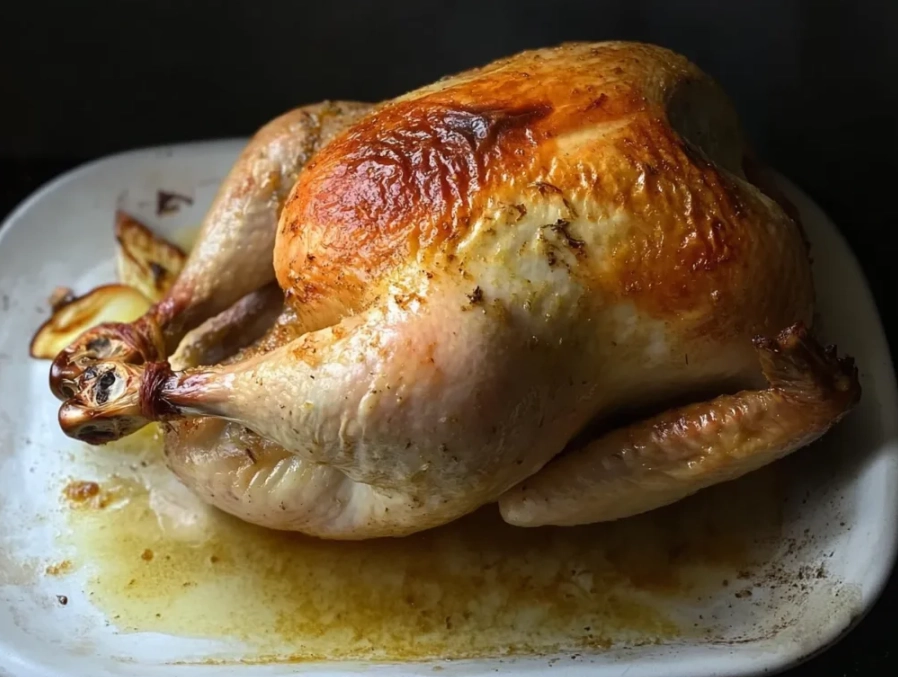
Fresh vs. Frozen: A Practical Note
Frozen is fine, but you must thaw it completely in the fridge, which can take 24-48 hours. A partially frozen chicken will cook unevenly. If you're in a pinch, use the cold water bath method, but plan ahead if you can. A cold, dry bird is what you want for the oven.
Preparation Secrets Most Home Cooks Skip
This is where the magic happens. Rushing prep is the number one cause of mediocre baked chicken.
Dry the Bird, Really Dry It. Take your chicken out of the packaging, remove the giblets (check both cavities!), and use a mountain of paper towels. Pat the skin dry. Get inside the cavity. Moisture is the enemy of crisp skin. This single step does more for your final result than any fancy seasoning blend.
To Truss or Not to Truss? Most recipes say to truss (tie the legs). I used to, thinking it looked professional. Now, I often don't. Trussing can shield the crucial area between the thigh and breast from direct heat, leading to undercooked dark meat. Leaving the legs loose allows hot air to circulate better. If you want a compact shape for presentation, truss loosely. For the juiciest results, consider skipping it.
Seasoning: Inside and Out, Generously. Don't just sprinkle salt on the skin. Season the cavity liberally with kosher salt and pepper. This seasons the meat from the inside out. For the outside, rub softened butter or a neutral oil (like avocado oil) under the skin on the breasts. This bastes the meat directly as it cooks. Then, oil the skin and season aggressively. Herbs like thyme, rosemary, and sage are classics for a reason—stuff a few sprigs in the cavity with a halved lemon or onion for aromatic steam.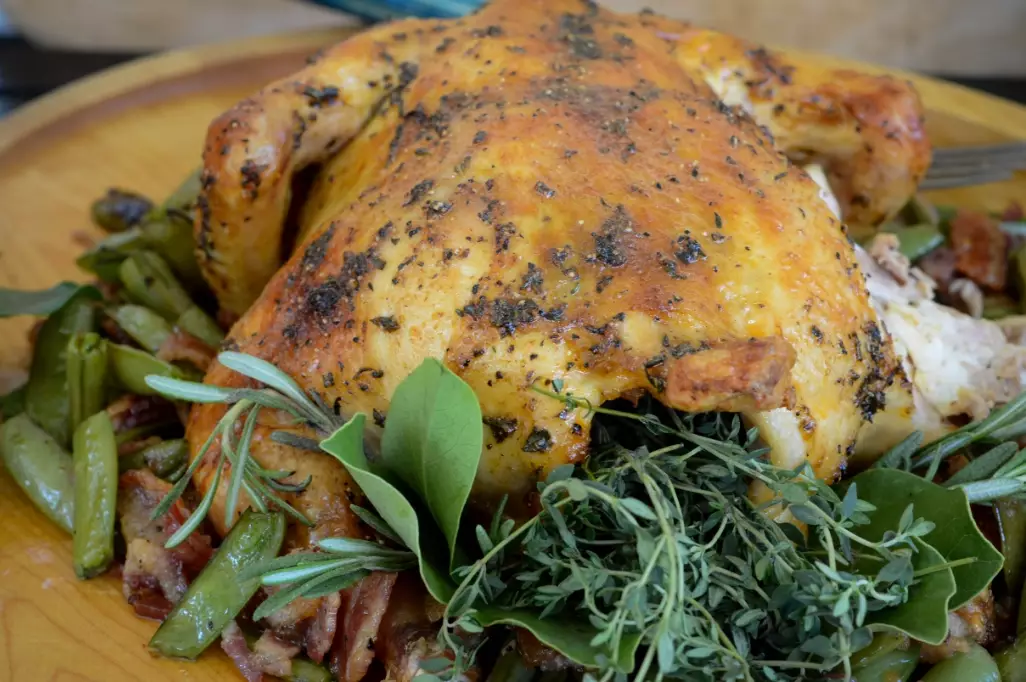
Avoid This Mistake: Do not stuff the cavity with dense bread stuffing. It acts as an insulator, preventing the interior from cooking properly. You'll end up with unsafe chicken near the bone. Aromatics only.
The Baking Process: Time, Temperature, and Trust
Here's the core of it all. The biggest lie in roasting is a fixed cooking time. "Bake for 1 hour 20 minutes." Nope. Cooking time depends entirely on the weight of your chicken and your oven's true temperature.
Forget 350°F (175°C). That's a steaming temperature for a whole chicken. You'll get pale, soft skin. Start high.
My Go-To Method: Preheat your oven to 425°F (220°C). Place the chicken on a rack in a roasting pan or rimmed baking sheet. The rack is crucial—it allows air to circulate underneath. Roast at this high heat for 20 minutes. This initial blast sets the skin and starts the browning. Then, without opening the door, reduce the temperature to 375°F (190°C) and continue roasting until done. This combination gives you the best of both worlds: crackling skin and evenly cooked, juicy meat.
How Do You Know When It's Done? (The Only Way That Works)
Throw away the "juices run clear" advice. It's unreliable and stressful. You must use a good digital instant-read thermometer. It's the best $20 you'll spend in the kitchen.
- Insert the thermometer into the thickest part of the thigh, avoiding the bone. It should read 165°F (74°C).
- Check the thickest part of the breast. It should read 155-160°F (68-71°C). Remember, the temperature will rise 5-10 degrees while resting (carryover cooking). Pulling it at 160°F in the breast ensures it won't overcook.
If the breast is done but the thigh isn't, you can shield the breast with a small piece of foil and continue cooking until the thigh reaches temp.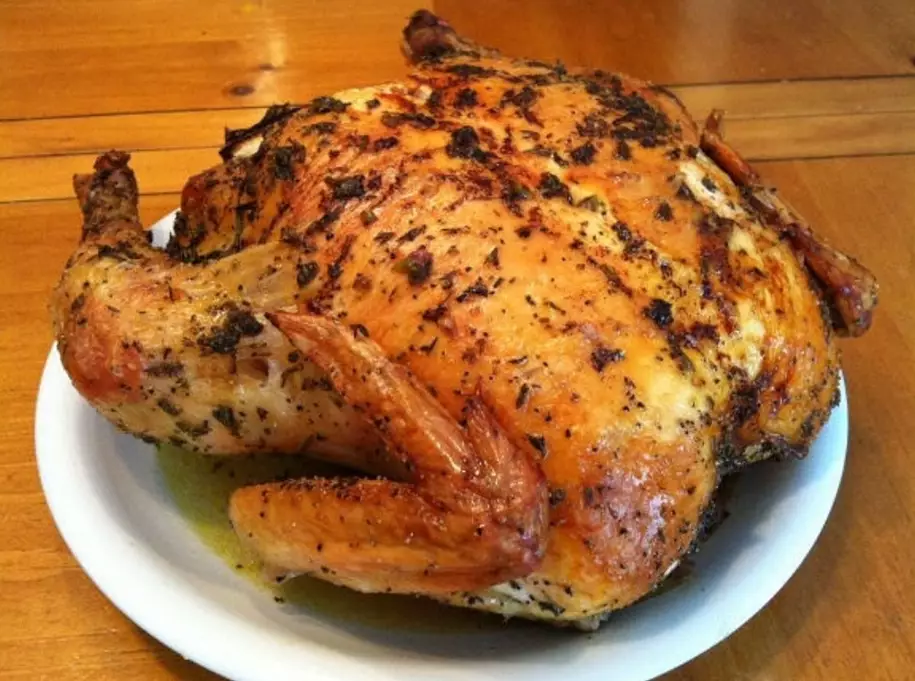
| Chicken Weight (lbs) | Approx. Total Time at 425°F/375°F Method* | Target Internal Temp (Thigh) |
|---|---|---|
| 3.5 | 60-70 minutes | 165°F (74°C) |
| 4.0 | 70-80 minutes | 165°F (74°C) |
| 4.5 | 80-90 minutes | 165°F (74°C) |
*Includes initial 20 minutes at 425°F. Always use a thermometer to confirm.
Resting, Carving, and Serving Like a Pro
You've hit the perfect temperature. The worst thing you can do now is cut into it.
Rest the chicken for 15-20 minutes on a cutting board, loosely tented with foil. This allows the frantic, hot juices to redistribute back into the muscle fibers. If you cut immediately, all that precious juice will flood your board, leaving the meat dry.
Carving seems intimidating, but it's simple with a sharp knife.
- Remove the twine if you trussed it.
- Pull a leg/thigh away from the body and cut through the joint connecting it. Separate the thigh from the drumstick if desired.
- For the wings, pull them out and cut through the joint.
- For the breast, make a long cut down the center of the breastbone. Then, angle your knife and slice the breast meat off the ribcage in one large piece. Slice it crosswise.
Don't discard the carcass! Throw it in a pot with water, that spent onion and herbs, and some veggie scraps for an incredible homemade chicken stock.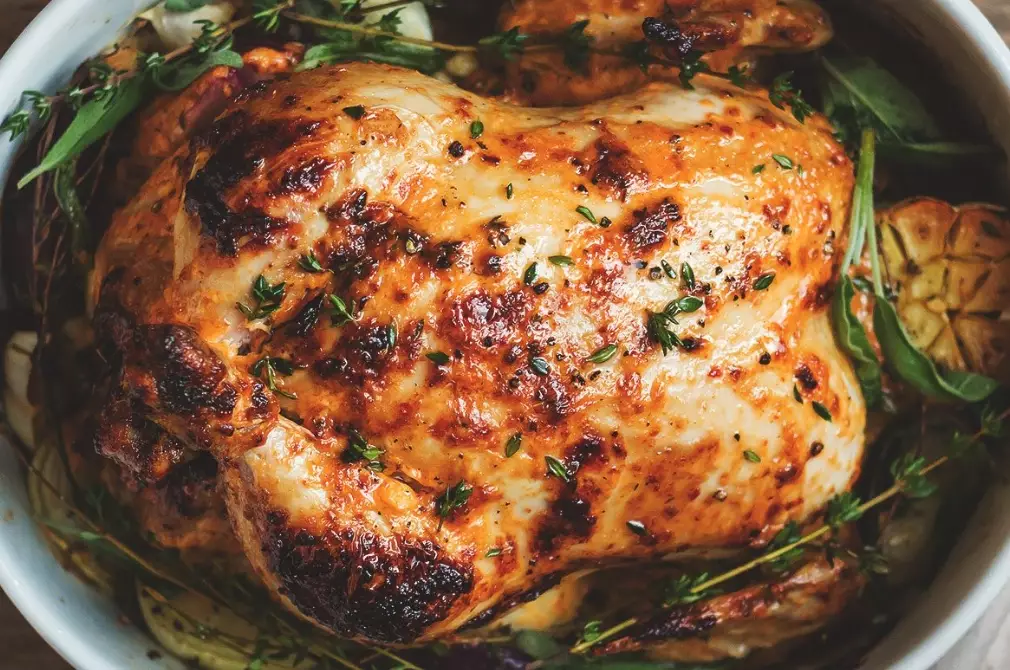
Your Burning Questions Answered (FAQs)
Can I bake a frozen whole chicken directly without thawing?
I strongly advise against it. The outside will be overcooked and dry long before the interior near the bones reaches a safe temperature. It's a major food safety risk and guarantees a poor result. Always thaw completely in the refrigerator first.
My chicken skin is always rubbery, not crispy. What am I doing wrong?
This is almost always a moisture issue. You didn't pat the skin dry enough before seasoning and oiling. Or, you're using a water-chilled bird (which starts with more moisture) and not roasting at a high enough initial temperature. Ensure the skin is bone-dry, rub with oil (not water-based marinades), and start the roast in a 425°F oven. Also, avoid covering the chicken during cooking.
 Is it necessary to brine a chicken before baking it?
Not necessary, but it's a fantastic insurance policy for juiciness, especially if you're worried about overcooking. A simple dry brine (rubbing the chicken with salt and letting it sit uncovered in the fridge for 4-24 hours) seasons the meat deeply and helps it retain moisture. If you have the time, do it. If not, focus on perfecting the drying and temperature method outlined above.
How can I add more flavor to a basic baked chicken?
Beyond herbs, try compound butter. Mix softened butter with minced garlic, lemon zest, and chopped herbs like parsley or tarragon. Gently loosen the skin over the breasts and spread half the butter directly on the meat. Rub the rest on the outside. The butter melts and bastes the chicken from within. Another trick: after resting, pour the pan juices (fat skimmed off) mixed with a squeeze of lemon over the carved meat for an instant sauce.
What's the best way to reheat leftover baked chicken without drying it out?
The microwave is the worst offender. For white meat, gently reheat it in a skillet with a couple tablespoons of chicken broth or water, covered, over low heat until just warmed through. For dark meat, which is more forgiving, you can use the oven at 325°F wrapped in foil with a splash of broth. The goal is to add moisture back during the reheating process.
Related Articles