The Ultimate Guide to Frying Chicken Oil Temperature for Perfect Results
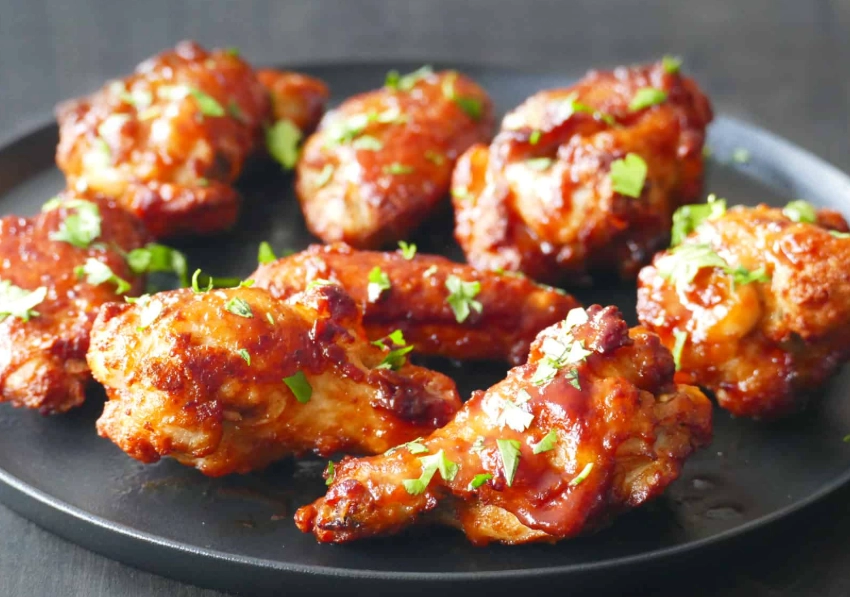
Getting the oil temperature right is the single most important factor between soggy, greasy chicken and the crispy, juicy fried chicken of your dreams. It's not just a number; it's the difference between success and a disappointing meal. I've ruined enough batches by guessing or trusting a flick of water to know that intimately. This guide will walk you through the exact frying chicken oil temperatures you need, why they matter, and how to master them with confidence, no matter what cut you're cooking.
What You'll Learn in This Guide
- Why Oil Temperature is Non-Negotiable
- The Golden Rule: Ideal Frying Temperature Ranges
- Detailed Temperature Guide by Chicken Cut
- Choosing and Managing Your Frying Oil
- Mastering the Frying Process: From Thermometer to Table
- Troubleshooting Common Frying Problems
- Expert Answers to Your Burning Questions
Why Oil Temperature is Non-Negotiable
Think of oil temperature as the gatekeeper. Too low (below 325°F / 163°C), and the chicken acts like a sponge. It soaks up oil instead of quickly sealing its exterior, leading to a greasy, heavy crust and often undercooked meat. The moisture from the chicken lowers the oil temp further, creating a vicious cycle of sogginess.
Too high (above 375°F / 190°C), and you get a different disaster. The outside burns to a dark brown or black before the inside has a chance to cook through. You're left with a bitter, charred coating hiding raw or dangerously undercooked chicken. According to food safety guidelines from sources like the USDA, poultry must reach a safe internal temperature, which is impossible if the exterior incinerates first.
The sweet spot, between 350°F and 365°F (177°C - 185°C), creates a perfect Maillard reaction (that beautiful browning) and rapid steam formation from the chicken's moisture. This steam pushes oil out, creating a crisp, non-greasy barrier while the interior cooks gently and evenly.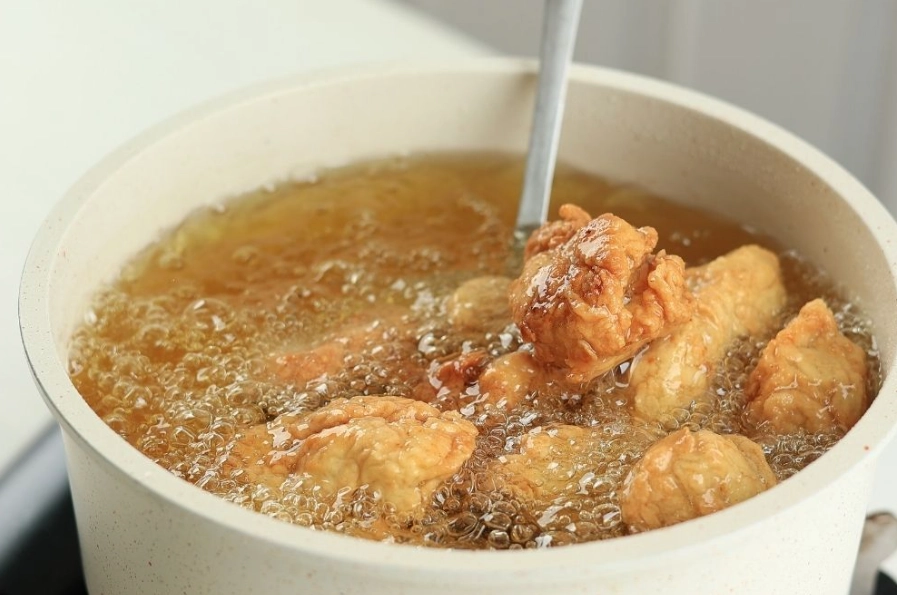
The Golden Rule: Ideal Frying Temperature Ranges
For most standard fried chicken (bone-in pieces like thighs, drumsticks, wings), aim for an oil temperature of 350°F (177°C). This is your home base. But like any good rule, it has context.
- 350°F - 355°F (177°C - 179°C): The perfect starting point for bone-in chicken. It's hot enough to seal quickly but gentle enough to cook the interior through without burning the crust.
- 360°F - 365°F (182°C - 185°C): Better for smaller, boneless pieces like tenders, strips, or thin cutlets. They cook faster, so a slightly higher temp ensures crispiness without overcooking the small amount of meat.
- 325°F - 335°F (163°C - 168°C): Sometimes used for a first fry (blanching) in double-fry methods, or for very large, dense pieces. Not recommended for a single fry on typical pieces.
Here’s the mistake I see all the time: people drop a huge batch of cold chicken into their pot. The oil temperature plummets by 30, even 50 degrees. You're now frying at 300°F, in the grease zone. The fix? Fry in small batches. Never crowd the pot. Let the oil fully recover its temperature between batches.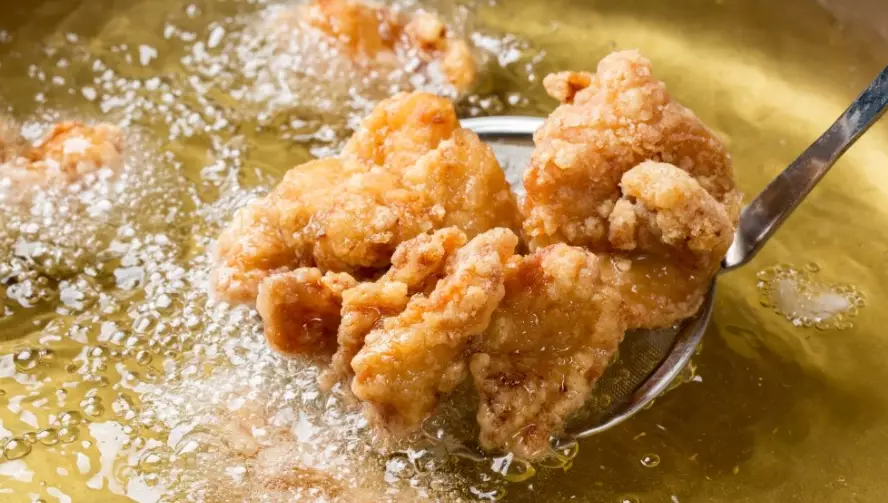
Detailed Temperature Guide by Chicken Cut
Not all chicken is created equal. A massive thigh and a slender wing need different approaches. This table breaks it down. Internal temperatures are critical for safety—always use a meat thermometer to check.
| Chicken Cut | Ideal Oil Temperature | Approximate Fry Time | Target Internal Temp* | Key Consideration |
|---|---|---|---|---|
| Bone-in Thighs & Drums | 350°F (177°C) | 12-15 minutes | 175°F (79°C) | Dense, forgiving. Can handle the full time at steady temp. |
| Bone-in Wings (Whole) | 350°F - 365°F (177°C-185°C) | 10-12 minutes | 165°F (74°C) | Higher end for extra crisp skin. Fry until golden brown. |
| Boneless Breast Strips/Tenders | 360°F - 365°F (182°C-185°C) | 4-6 minutes | 165°F (74°C) | Quick cook. High temp prevents drying out. |
| Chicken Cutlets (Thin) | 365°F (185°C) | 3-5 minutes | 165°F (74°C) | Very fast. Oil must be hot to set coating instantly. |
| Popcorn Chicken | 365°F (185°C) | 2-4 minutes | 165°F (74°C) | Small pieces brown in a flash. Don't walk away. |
*USDA safe minimum is 165°F (74°C). For thighs and drums, many chefs prefer 175°F+ (79°C+) for more tender, falling-off-the-bone meat.
The Wing Special: A Two-Temp Approach
For exceptionally crispy wings, some pros use a two-stage fry: first at 250°F (121°C) for 15 minutes to slowly render fat and cook through, then a rest, followed by a second fry at 400°F (204°C) for 5 minutes to blister and crisp. It's a commitment, but the texture is unreal.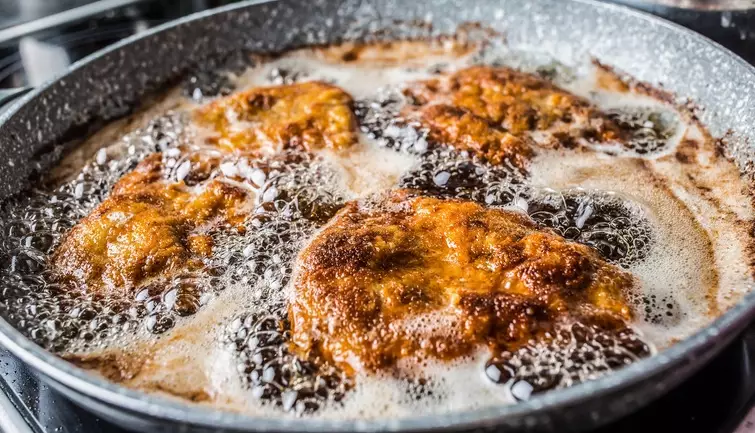
Choosing and Managing Your Frying Oil
The oil is your cooking medium. Its smoke point—the temperature at which it starts to burn and degrade—is your ceiling. You want an oil with a smoke point well above your target frying temperature of 350-365°F.
- Peanut Oil: My personal favorite. Smoke point around 450°F (232°C). Neutral flavor, excellent heat stability, and it imparts a classic taste to chicken.
- Canola or Vegetable Oil: A great, affordable all-rounder. Smoke point of 400°F+ (204°C+). Very neutral.
- Avocado Oil: High smoke point (520°F / 271°C) and healthy fats, but expensive for deep frying.
- Shortening or Lard: Traditional choice. Creates a very crisp crust. Smoke point varies. Can impart flavor.
How long does oil last? You can reuse oil 2-3 times if you strain it after each use to remove food particles. Signs it's done: dark color, foamy surface, rancid smell, or smoking at normal temperatures. Fresh oil is a game-changer.
Mastering the Frying Process: From Thermometer to Table
Here’s a step-by-step walkthrough, focusing on temperature control.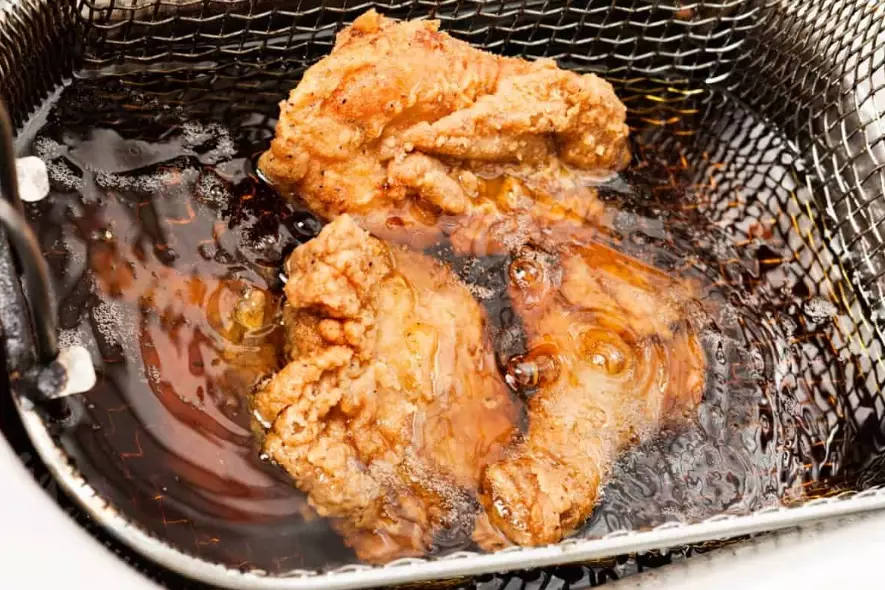
1. The Non-Negotiable Tool: A Good Thermometer
Forget the “flick water and see if it sizzles” test. It's inconsistent and dangerous. A deep-fry or candy thermometer that clips to the pot is essential. Digital probe thermometers are even better for precision. This is the one piece of equipment that will transform your frying.
2. Preheating and Recovery
Heat your oil slowly over medium heat to your target temperature. A heavy-bottomed Dutch oven holds heat best. When you add chicken, the temp will drop. Don't panic. Adjust the burner to bring it back to your target range within a minute. If it doesn't recover quickly, your batch is too big or your heat is too low.
3. During the Fry
Monitor the thermometer. The temperature will fluctuate. Try to keep it within a 10-degree window of your target. Gentle bubbling is good; violent splattering means the oil is too hot or the chicken is too wet (pat it dry!).
4. The Finish: Carryover Cooking
When the chicken hits its internal temp, remove it. The residual heat will continue cooking it (“carryover cooking”) for a few minutes. Always let it rest on a wire rack, not paper towels. A rack keeps the bottom crisp; paper towels trap steam and create sogginess.
Troubleshooting Common Frying Problems
Things go wrong. Here’s how to diagnose temperature-related issues.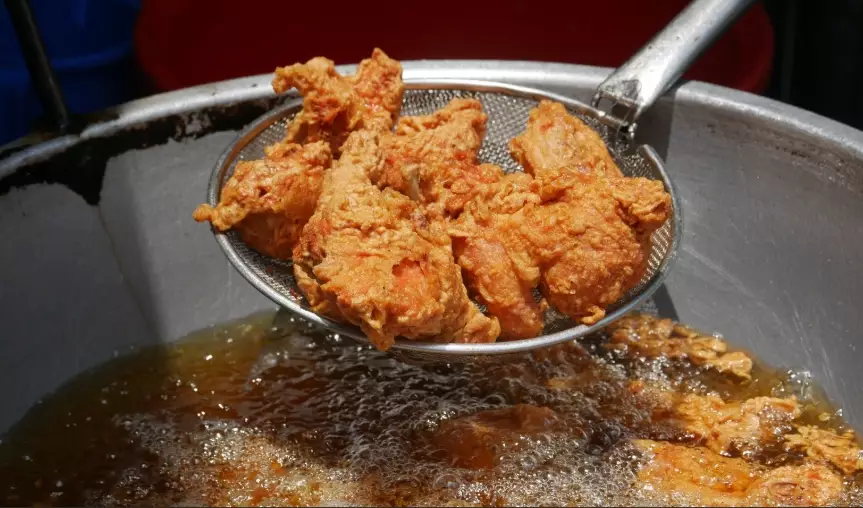
Problem: Soggy, oily crust.
Likely Cause: Oil temperature too low. Chicken was overcrowded. Chicken wasn't patted dry before coating.
Fix: Use a thermometer. Fry in small batches. Dry the chicken thoroughly.
Problem: Dark brown/black outside, raw inside.
Likely Cause: Oil temperature far too high.
Fix: Lower the heat immediately. Next time, start at 350°F and don't let it climb.
Problem: Coating falls off.
Likely Cause: Oil not hot enough to set the coating instantly. Or, the dredging sequence (flour, egg, flour) wasn't adhered to properly.
Fix: Ensure oil is at temp before adding. Shake off excess batter gently but firmly.
Problem: Uneven cooking.
Likely Cause: Inconsistent piece sizes. Oil not deep enough to submerge pieces.
Fix: Cut pieces uniformly. Use a pot with at least 3 inches of oil.
Expert Answers to Your Burning Questions
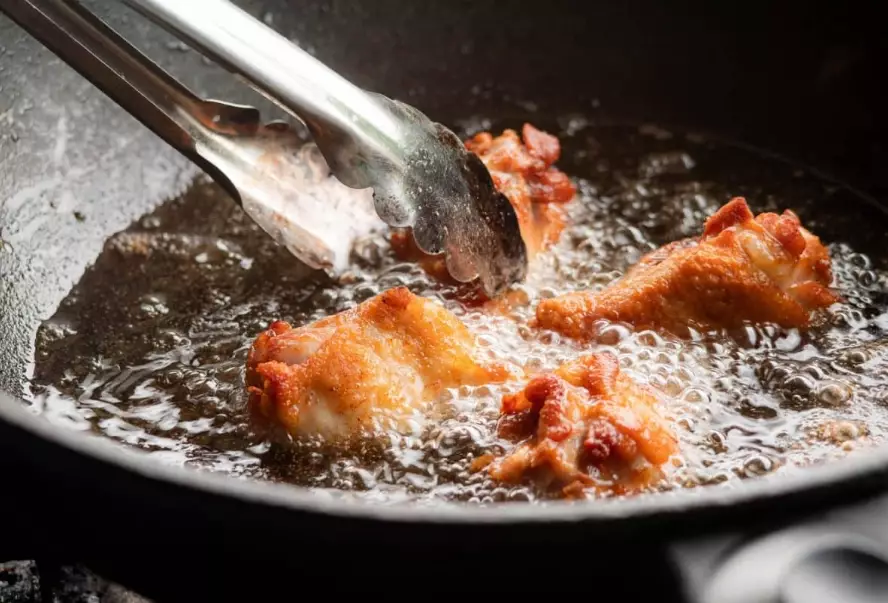 Mastering frying chicken oil temperature isn't about memorizing one number. It's about understanding the relationship between heat, time, and food. It's about respecting the process enough to use a thermometer. Start with 350°F for your bone-in pieces, respect your oil, manage your batches, and you'll move from hoping for the best to knowing exactly what you'll get: perfectly fried chicken, every single time.
Related Articles