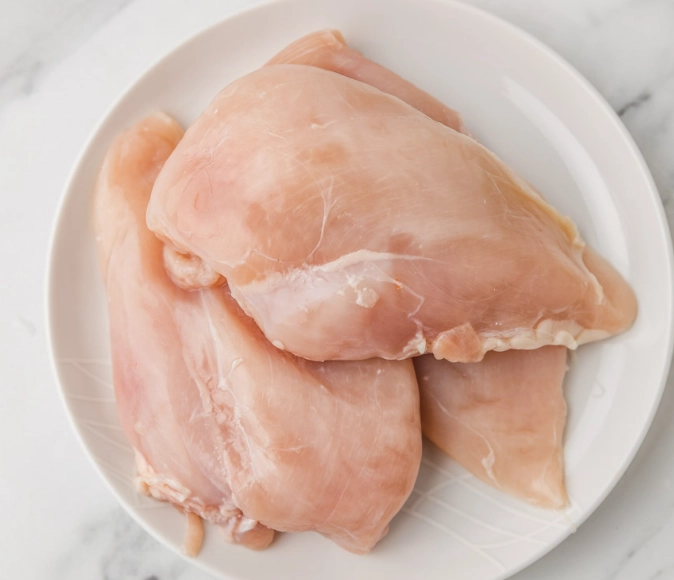
How Long to Fry Chicken for Perfectly Crispy Results Every Time
"How long to fry chicken?" seems like a simple question, but the honest answer is: it depends. It depends on the cut (wings, thighs, breasts), the size, the oil temperature, and even the type of coating. Get it wrong by a minute or two, and you're looking at greasy, undercooked, or burnt chicken. After years of trial and error (and more than a few disappointing batches), I've learned that the secret isn't just a single magic number—it's understanding the variables. The single most important tool isn't your best skillet; it's a reliable instant-read thermometer. Let's break it down so you can achieve juicy, crispy fried chicken every single time.
Quick Navigation: Your Frying Roadmap
How Long to Fry Chicken Wings, Thighs, and Breasts?
Forget guessing. This table is your cheat sheet. These times assume you're using boneless, skin-on pieces about the size of your palm, dredged in flour, and fried at a steady 350°F (175°C). Bone-in pieces will need a bit longer.
| Chicken Cut | Approximate Frying Time | Target Oil Temp | Safe Internal Temp* |
|---|---|---|---|
| Chicken Wings (drumettes & flats) | 10 - 12 minutes | 350°F - 375°F (175°C - 190°C) | 165°F (74°C) |
| Boneless, Skinless Chicken Thighs | 6 - 8 minutes | 350°F (175°C) | 165°F (74°C) |
| Bone-In Chicken Thighs & Drumsticks | 12 - 15 minutes | 350°F (175°C) | 165°F (74°C) |
| Boneless, Skinless Chicken Breasts | 5 - 7 minutes | 350°F (175°C) | 165°F (74°C) |
| Chicken Tenders/Strips | 4 - 5 minutes | 350°F (175°C) | 165°F (74°C) |
*According to the USDA Food Safety guidelines, chicken is safe to eat at 165°F (74°C). I actually pull thighs and legs at around 170-175°F (77-80°C) for better texture.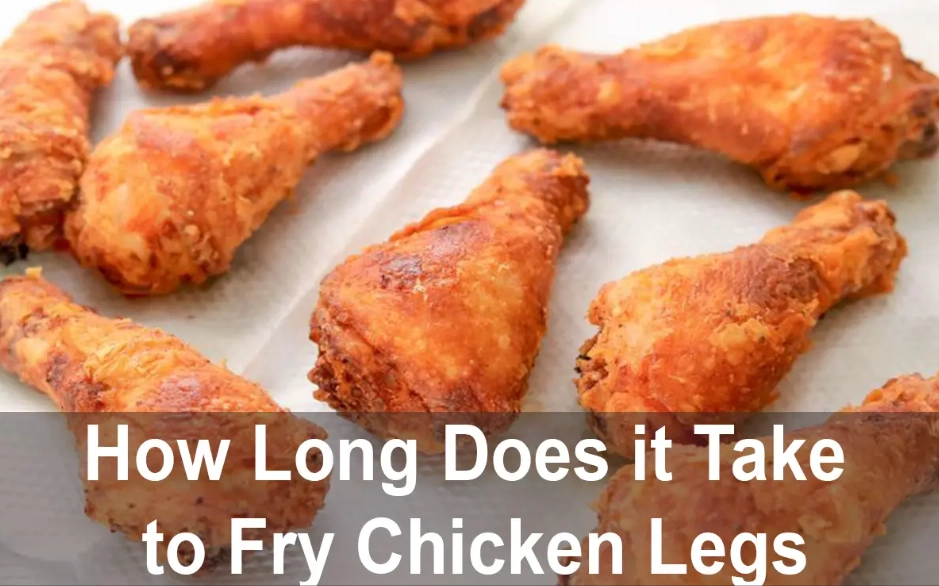
Breaking Down the Cuts
Wings are forgiving. Their high skin-to-meat ratio means they get crispy fast. The trick is the double fry: fry at 325°F (160°C) for 8 minutes, let them rest, then crank the oil to 375°F (190°C) for a final 2-3 minute crisp. It's a game-changer.
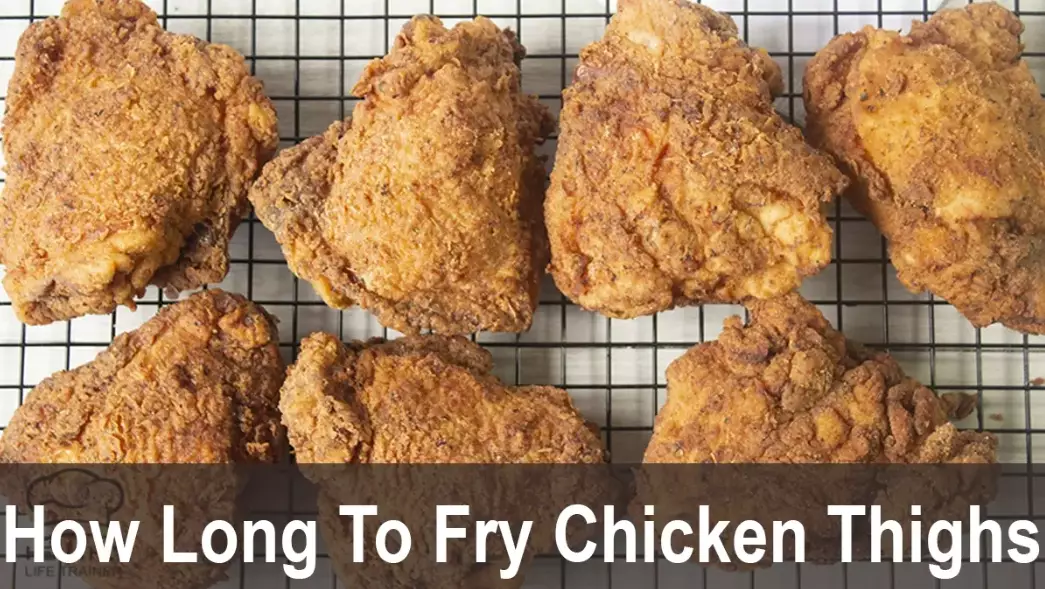
Thighs are my favorite for frying. They're fatty, so they stay juicy even if you slightly overcook them. That 6-8 minute window is wide because thickness varies. A thermometer is your best friend here.
Breasts are the trickiest. They dry out in a flash. If you're frying breasts, pound them to an even thickness first. Seriously, don't skip this. An uneven breast means the thin end is leather while the thick center is raw. I brine them for 30 minutes in salty water too—it makes a world of difference.
What Oil Temperature is Best for Frying Chicken?
This is where most home cooks fail. They heat the oil until it "looks" hot, throw in the chicken, and watch the temperature plummet. The chicken then sits in lukewarm oil, soaking it up like a sponge. You end up with greasy, pale chicken.
The ideal frying temperature for most chicken is between 350°F and 365°F (175°C - 185°C). Here's why:
- Too hot (above 375°F/190°C): The outside burns before the inside cooks through. Blackened coating, raw center. Not good.
- Too cold (below 325°F/160°C): The coating doesn't seal quickly, so oil seeps in. The result is soggy, greasy, and sad chicken.
You must use a deep-fry or candy thermometer clipped to the pot. Don't trust the stove dial. When you add cold chicken, the oil temp will drop—that's normal. Adjust the heat to bring it back to the target range. A heavy-bottomed pot (like a Dutch oven) holds heat better and maintains a more stable temperature.
What oil to use? You need an oil with a high smoke point. Canola, peanut, and vegetable oil are the standard, affordable choices. Avoid olive oil (smoke point too low) and butter (it will burn). I prefer peanut oil for its neutral flavor and high smoke point of about 450°F (230°C).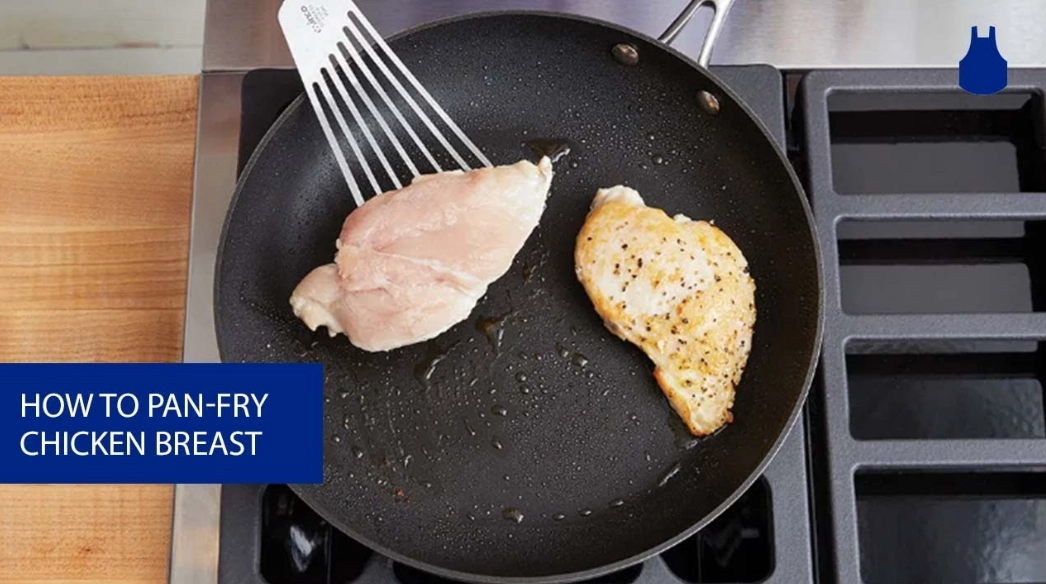
The Foolproof Step-by-Step Frying Process
Let's walk through a real scenario: it's Friday night, and you're making fried chicken thighs for four people.
Step 1: Prep & Pat Dry. Take 8 boneless, skin-on chicken thighs out of the fridge. Pat them bone-dry with paper towels. This is non-negotiable. Water + hot oil = splatters and prevents crispiness. Season them aggressively with salt and pepper, maybe some paprika and garlic powder. Let them sit for 15 minutes.
Step 2: Set Up Your Dredge. In one shallow bowl, mix 2 cups of all-purpose flour with 1 tbsp of your seasoning. In another, whisk 2 eggs with a splash of milk or buttermilk. The sequence is: dry chicken → flour → egg wash → flour again. Press the flour on firmly for a craggy coating.
Step 3: Heat the Oil. Pour about 2 inches of peanut oil into your heavy Dutch oven. Attach your thermometer. Heat over medium-high until it hits 365°F (185°C). This is your starting temp.
Step 4: Fry in Batches. Never crowd the pot. I do 3-4 thighs at a time. Gently lower them in, skin-side down if they have skin. The oil will bubble vigorously and the temp will drop to around 340°F (170°C). Adjust the burner to keep it between 350-360°F (175-182°C).
Step 5: Time and Check. Set a timer for 6 minutes. After 6 min, flip the pieces. They should be a light golden brown. Fry for another 2-4 minutes. At the 8-minute mark, start checking the internal temperature. Pull each piece when it hits 165°F (74°C) or just above. For thighs, I like 170°F (77°C).
Step 6: Drain and Rest. Use tongs to move the chicken to a wire rack set over a baking sheet. Do not drain on paper towels. Paper towels trap steam and make the bottom soggy. Let them rest for at least 5 minutes. The carryover cooking will finish the job, and the juices will redistribute.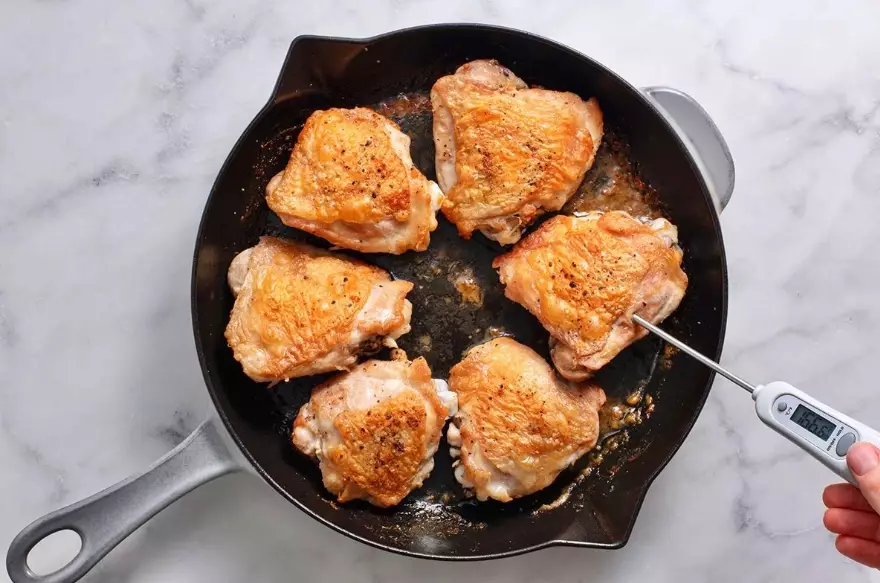
Top 5 Frying Mistakes (And How to Fix Them)
I've made all of these. Learn from my errors.
Mistake 1: Ignoring the thermometer. Guessing leads to failure. A $15 digital thermometer is the best investment for your kitchen. It removes all doubt.
Mistake 2: Frying straight from the fridge. Ice-cold chicken causes a massive oil temp drop. Let your seasoned chicken sit out for 20-30 minutes to take the chill off. Not room temperature, just not freezing.
Mistake 3: Using the wrong pot. A thin saucepan loses heat too fast. Use a heavy, deep pot like a cast-iron skillet or Dutch oven. It maintains a steady temperature.
Mistake 4: Crowding the pan. This is the #1 cause of greasy chicken. Each piece needs space for the oil to bubble around it. Fry in small batches. Be patient.
Mistake 5: Not letting it rest. Cutting into fried chicken the second it comes out of the oil releases all the precious juices onto your plate, leaving it dry. Let it sit on a rack for 5-10 minutes. It will still be hot, and it will be juicier.
Your Fried Chicken Questions, Answered
How long do you fry chicken in an air fryer?
Air frying is a different beast—it's a convection oven, not a deep fry. For chicken wings, it's about 20-25 minutes at 380°F (193°C), flipping halfway. For thighs or breasts, 15-20 minutes. You'll need to spray the pieces with oil to get them crispy, and they won't have the same deep-fried texture, but it's a great healthier alternative. Always check the internal temperature.
Can you reuse oil after frying chicken?
Yes, but with caveats. Let the oil cool completely, then strain it through a fine-mesh sieve lined with a coffee filter or cheesecloth to remove burnt bits. Store it in a dark, cool place. Peanut or vegetable oil can be reused 2-3 times if it wasn't overheated or used to fry fish. If it smells off, is dark, or smokes at a low temperature, toss it.
 Why is my fried chicken always soggy?
Sogginess almost always points to oil temperature. The oil was too low when the chicken went in, or it dropped too low and never recovered. Crowding the pot exacerbates this. Next time, use a thermometer, fry in batches, and drain on a wire rack, not paper towels. Also, ensure your chicken is very dry before dredging.
How do I keep the breading from falling off?
Two key steps: dry chicken and a proper dredge sequence. Moisture is the enemy of adhesion. After the final flour coating, press it on firmly and shake off the excess. Let the breaded chicken sit on a rack for 5-10 minutes before frying. This lets the coating set and hydrate slightly, forming a better bond.
Is it better to fry chicken covered or uncovered?
Uncovered, 100%. Covering the pot steams the chicken, which ruins the crispy coating. The only time you might cover it is if the oil is spattering dangerously, and then only partially and briefly. For perfect crispiness, let the steam escape.
So, how long to fry chicken? It's not a mystery anymore. It's about pairing the right time for your cut with precise oil temperature and a few non-negotiable techniques. Ditch the guesswork, grab that thermometer, and treat yourself to the crispy, juicy fried chicken you deserve. Once you get the feel for it, it becomes second nature. Now, who's hungry?
Related Articles