The Ultimate Guide: How Long to Roast a Chicken Perfectly
You've got the chicken. The oven is preheated. But now comes the million-dollar question that can make or break your dinner: how long to roast a chicken? It's not a trick question, but the answer isn't a single number either. I've roasted more chickens than I can count over the years, and the single biggest mistake I see is treating roasting time like a fixed recipe. It's not. It's a process guided by a few key principles. Get them right, and you'll have juicy, flavorful meat with crispy skin every single time. Get them wrong, and you're looking at a dry, disappointing bird.
Let's cut through the confusion. This guide will give you the times, but more importantly, it'll teach you the why behind them.
What You'll Find in This Guide
What Really Determines Your Roasting Time
Forget the one-size-fits-all advice. Four main factors dictate how long your chicken needs in the oven. Ignoring any of them is a recipe for guesswork.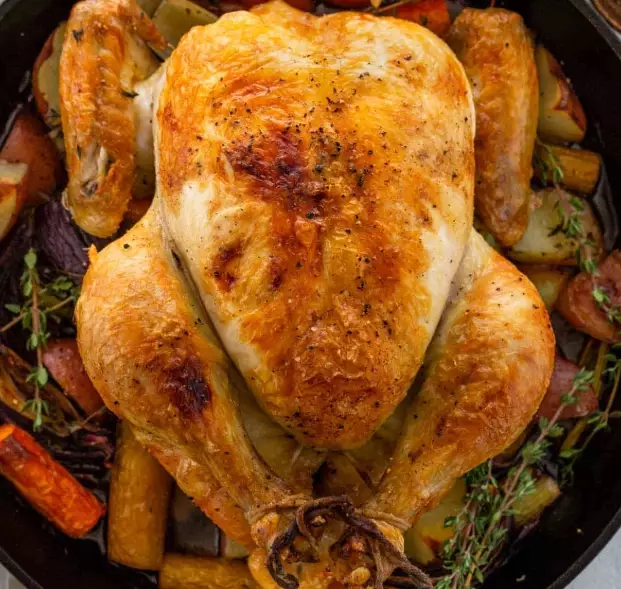
1. The Weight of the Bird. This is the biggest factor. A 3-pound chicken and a 6-pound chicken are worlds apart. Most timing guides give you a minutes-per-pound estimate, which is a good starting point. But it's just a starting point.
2. Your Oven Temperature. Are you roasting at 350°F, 375°F, or a blistering 450°F? Higher heat cooks the outside faster, which can lead to a juicier interior if managed correctly, but it also shortens the total time significantly. Lower and slower gives you more even cooking and tender meat, but takes longer.
3. Is It Stuffed? Putting stuffing inside the cavity is a classic move, but it acts as an insulator. The heat has to penetrate the bird and cook the dense stuffing to a safe temperature. This adds considerable time—anywhere from 15 to 30 extra minutes for a standard bird.
4. Your Equipment and Setup. This is the silent variable. Is your oven temperature accurate? I've used ovens that ran 25 degrees cold. A simple oven thermometer is a game-changer. Are you using a dark roasting pan, a light-colored one, or a cast-iron skillet? Dark pans conduct heat more aggressively. Is the chicken on a rack, or sitting directly in its juices? A rack promotes even air circulation and crisper skin.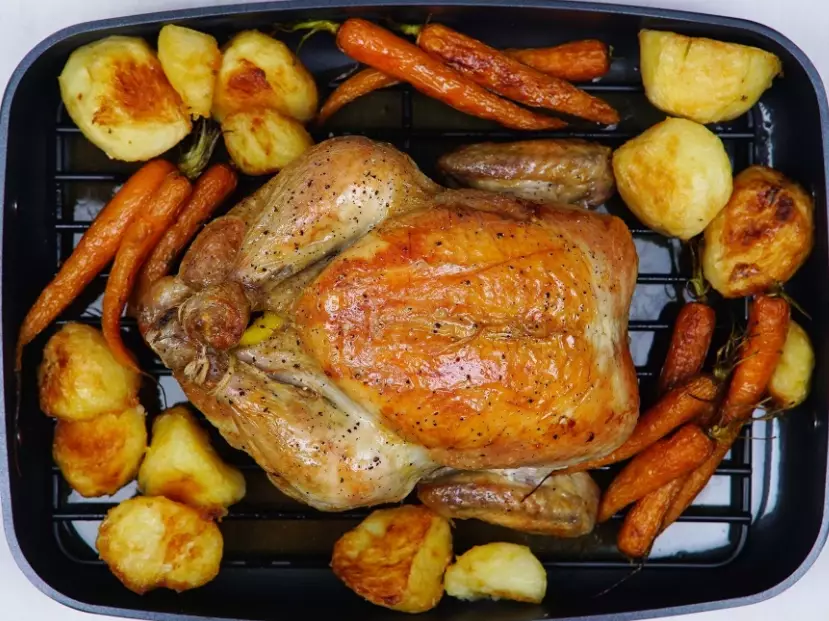
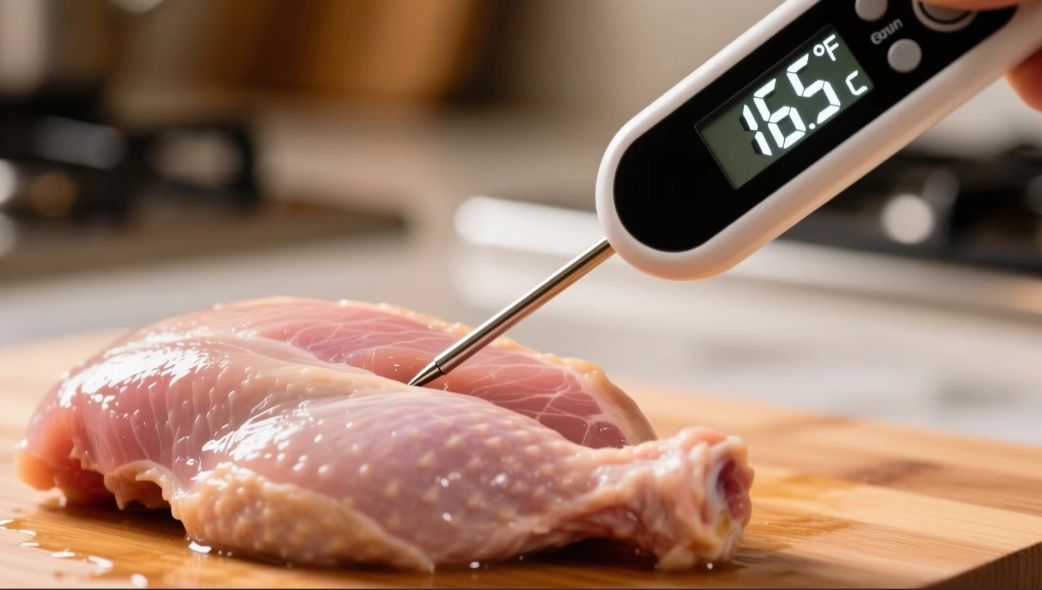
The Non-Consensus View: Most recipes tell you to rely on time. I tell you to rely on a thermometer. Time is your guide, but temperature is your boss. A 4-pound chicken might be done in 1 hour 15 minutes in my oven, but take 1 hour 30 in yours. The internal temperature of the meat (165°F in the thickest part of the thigh, not touching bone) is the only fail-safe finish line.
Roasting Time Charts: Your Quick Reference
Okay, you want numbers. Here they are. These charts assume a few things: an oven that's properly preheated, an unstuffed bird (trussed or not), and the chicken placed on a rack in a roasting pan. Remember, these are estimates. Start checking for doneness about 10-15 minutes before the lower end of the time range.
Roasting Time at 350°F (175°C) – The Standard
This is the sweet spot for most home cooks. It's forgiving, promotes even cooking, and yields beautifully tender meat with good skin.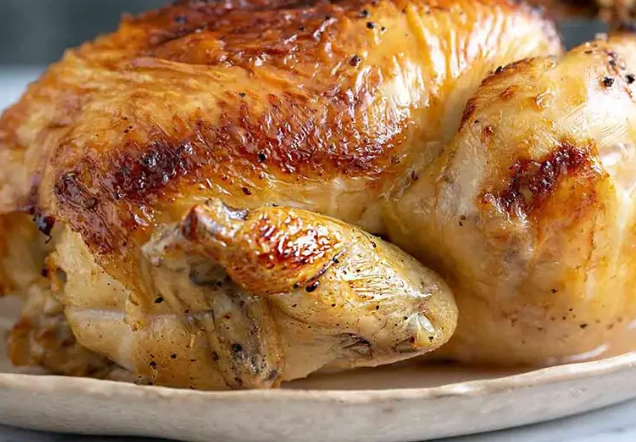
| Chicken Weight | Approximate Roasting Time | Internal Temp Target |
|---|---|---|
| 2.5 to 3 lbs | 1 hour to 1 hour 15 mins | 165°F (74°C) |
| 3 to 4 lbs | 1 hour 15 mins to 1 hour 30 mins | 165°F (74°C) |
| 4 to 5 lbs | 1 hour 30 mins to 1 hour 45 mins | 165°F (74°C) |
| 5 to 6 lbs | 1 hour 45 mins to 2 hours 15 mins | 165°F (74°C) |
Roasting Time at 375°F (190°C) – For Crispier Skin
A bit hotter, which helps render fat and crisp the skin faster. You get a slightly shorter cook time and less risk of dry skin.
| Chicken Weight | Approximate Roasting Time | Internal Temp Target |
|---|---|---|
| 2.5 to 3 lbs | 50 mins to 1 hour 5 mins | 165°F (74°C) |
| 3 to 4 lbs | 1 hour 5 mins to 1 hour 20 mins | 165°F (74°C) |
| 4 to 5 lbs | 1 hour 20 mins to 1 hour 35 mins | 165°F (74°C) |
| 5 to 6 lbs | 1 hour 35 mins to 1 hour 50 mins | 165°F (74°C) |
The Foolproof Step-by-Step Roasting Method
Let's walk through a real scenario. You have a 4-pound, unstuffed chicken. Your oven is set to 375°F. Here's exactly what to do, minute by minute.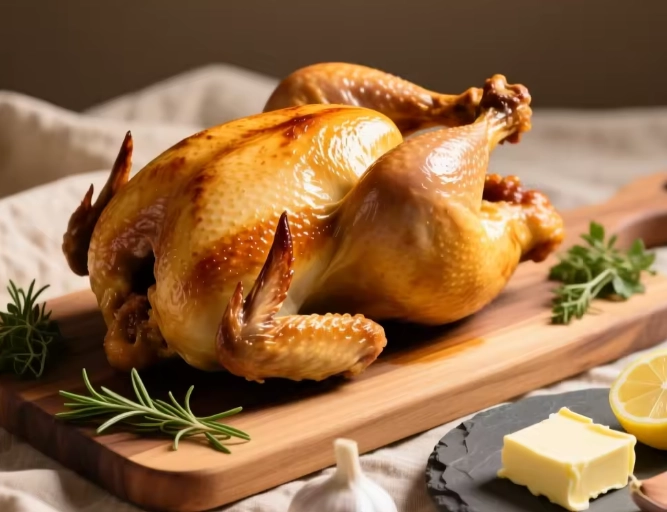
Step 1: Prep (30+ minutes before cooking). Take the chicken out of the fridge. Pat it extremely dry inside and out with paper towels. This is non-negotiable for crispy skin. Season generously with salt and pepper, inside the cavity and all over the skin. Let it sit on the counter for 30-45 minutes. A cold bird going into a hot oven steams more than it roasts, leading to soggy skin.
Step 2: Preheat and Position. While the chicken rests, preheat your oven to 375°F. Place an oven rack in the lower-middle position. Put a V-rack or flat rack inside your roasting pan.
Step 3: Roast. Place the chicken breast-side up on the rack. Put it in the oven. Set your timer for 50 minutes.
Step 4: Check and Baste (Optional). At 50 minutes, quickly open the oven. The skin should be starting to brown. If you're basting, do it now with pan juices or melted butter. Close the door fast.
Step 5: The Final Check. Set the timer for another 20 minutes. At the 1 hour 10 minute mark, it's time to use your thermometer. Insert it into the thickest part of the thigh, avoiding the bone. If it reads 160-162°F, you're in the perfect zone. The carryover heat will bring it to 165°F as it rests. If it's lower, give it another 5-10 minutes and check again.
Step 6: The Most Important Step – Rest. When the chicken hits temp, take it out. Transfer it to a cutting board or platter. Tent it loosely with foil. Let it rest for at least 15 minutes, ideally 20-25. This allows the juices, which have been forced to the center by the heat, to redistribute throughout the meat. Cutting in too soon means all those juices end up on your board, not in your mouth.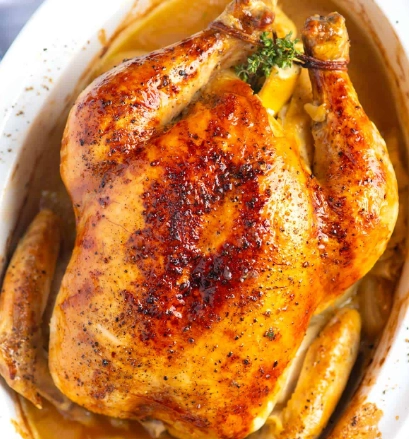
Then carve and serve.
How Long to Roast Chicken at Different Temperatures?
Why would you choose one temperature over another? It's about your goal.
High Heat (425°F - 450°F): This is for speed and maximum crispiness. It's a more advanced method because the window between perfectly cooked and overdone is smaller. A 4-pound bird might be done in 50-60 minutes. You need to watch it like a hawk and use a thermometer religiously. The skin will be incredible, but there's a slightly higher risk of the breast drying out if you're not careful.
Low and Slow (300°F - 325°F): This method takes patience—a 4-pounder could take over 2 hours. The result is incredibly tender, almost fall-off-the-bone meat. The downside? The skin often ends up pale, flabby, and unappealing unless you give it a blast of high heat at the end (a technique called "finishing").
My personal go-to? I start most chickens at 400°F for 20-30 minutes to kick-start browning and crisping, then drop the temperature to 350°F for the remainder of the cook. It gives you the best of both worlds.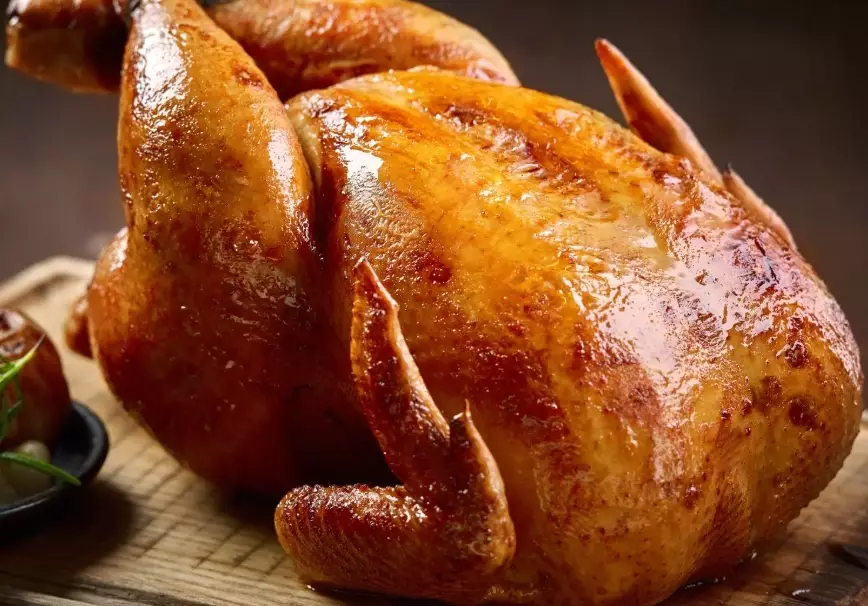
What About Stuffed Chicken?
Stuffing changes everything. First, a safety note from the USDA: you must ensure the stuffing reaches 165°F as well. Because it's packed inside the bird, this takes time.
For a stuffed chicken, add a minimum of 15 minutes to the total roasting time for a 3-4 pound bird. For larger birds, add 20-30 minutes. The only way to know for sure is to check the temperature of the stuffing itself, in the center of the cavity, with your thermometer.
Honestly? I rarely stuff the cavity anymore. I prefer "dressing" cooked separately in a dish. It gets crispier on top, cooks more evenly, and doesn't jeopardize the chicken's cooking time or safety. If you want flavor in the cavity, I stuff it with aromatics—a halved lemon, a head of garlic cut in half, a bunch of herbs. They perfume the meat beautifully and don't affect cooking time like dense bread stuffing does.
Expert Tricks You Won't Find on Most Recipes
After a decade, you pick up a few things that aren't in the cookbooks.
- Spatchcocking is a Game-Changer. Using kitchen shears to cut out the backbone and flatten the bird cuts roasting time for a 4-pound chicken to about 45-50 minutes at 425°F. It also exposes more skin to direct heat, making it all crispy. The cook is incredibly even.
- Ignore the "Pop-Up Timer." Those little plastic gadgets that come with some chickens are notoriously unreliable. They often pop at 180°F or higher, which means you've already overcooked the breast. Toss it and use a real meat thermometer.
- Dry-Brine for 24 Hours. Instead of salting just before cooking, salt the chicken heavily and leave it uncovered on a rack in your fridge for a day. It seasons the meat deeply and dries the skin out for unparalleled crispiness. This one step elevates your roast chicken more than any other.
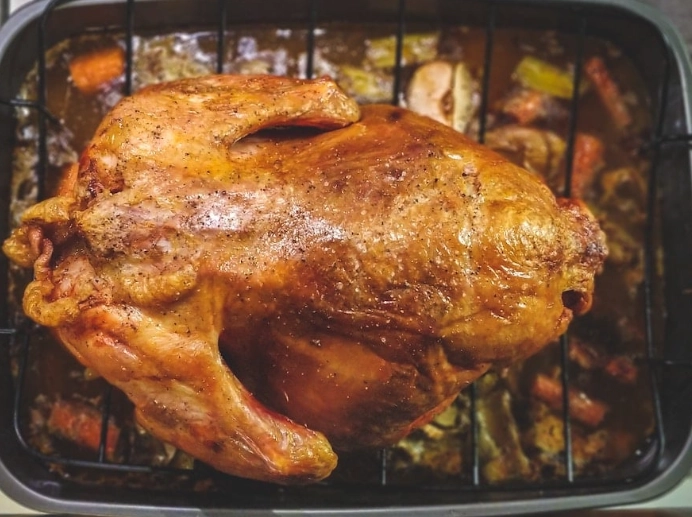
- Let the Pan Do the Work. If you have a cast-iron skillet or a heavy stainless steel pan, use it instead of a flimsy roasting pan. The retained heat helps cook the bird from below and leads to better browning.
Your Top Roasting Questions, Answered
Why is my roast chicken still pink near the bones even after the correct time?
This is common and not necessarily a sign of undercooking. The bone marrow and myoglobin (a protein) can leach a pinkish color, especially around the joints and thigh bones. As long as your thermometer reads 165°F in the thickest part of the meat next to the bone, the chicken is safe to eat. The pink color is purely cosmetic. Trust the thermometer, not the color.
My chicken skin is rubbery, not crispy. What did I do wrong?
Three likely culprits. First, you didn't pat the skin dry enough before roasting. Moisture is the enemy of crispness. Second, you basted too frequently with a watery liquid, steaming the skin. Try basting with fat only (butter, oil, or rendered chicken fat). Third, the oven temperature was too low to properly render and crisp the fat layer under the skin. Next time, ensure the bird is bone-dry and try a higher starting temperature (400°F+).
Can I roast a chicken from frozen?
Technically, you can, but I strongly advise against it. The USDA provides guidelines for doing so safely (roasting at 350°F, expecting the time to be about 50% longer). However, the result is almost always terrible. The exterior overcooks and dries out long before the interior thaws and cooks through. You'll get a dry, unevenly cooked bird. Always, always thaw completely in the fridge first.
How do I know my oven's temperature is accurate?
You don't, unless you check. Oven thermostats are notoriously inaccurate. A standalone oven thermometer, which you can buy for under $10, is the single best investment for consistent roasting. Place it on the rack where the chicken will go and preheat. You might be shocked to see the real temperature is 25 degrees off from what the dial says. Adjust your settings accordingly.
Is it better to roast a chicken covered or uncovered?
Uncovered, 99% of the time. Covering it (with a lid or foil) steams the chicken, which is great for braising but terrible for achieving crispy, roasted skin. The only exception is if the skin is browning too quickly early in the cook. In that case, you can tent just the breast area loosely with foil for the middle part of the roasting time, then remove it for the final 10-15 minutes to re-crisp.
So, how long to roast a chicken? You see now it's a conversation between weight, temperature, and technique, with a digital thermometer as the translator. Start with the charts, but let the principles and your senses guide you. Listen for the steady sizzle, watch for the golden-brown color, and most of all, trust that probe when it hits 165°F in the thigh. Take the bird out, let it rest, and get ready for the best roast chicken you've ever made.
Related Articles